JHDD Interior Report — 2026.10.07
Bétyle Studio’s design for Arcane 17 in Paris features distinctive marquetry, bringing a centuries-old craft into a contemporary dining context.
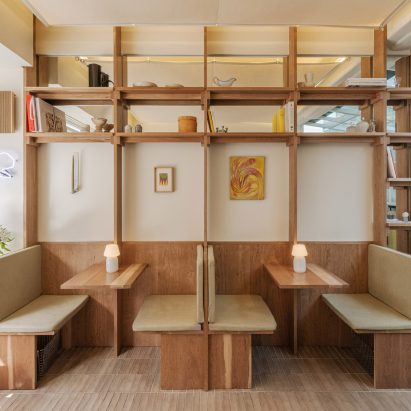
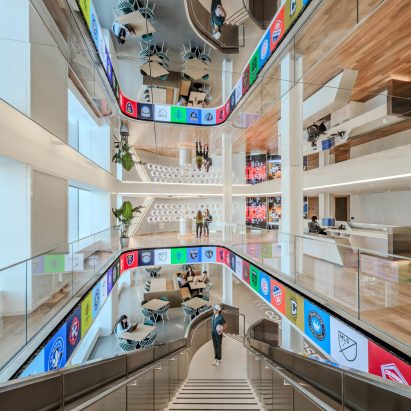
The projects across Paris, Manchester, Seoul, and New York indicate a shared commitment to creating highly specific, almost theatrical, spatial narratives. These designs manipulate materiality and human flow to construct distinct micro-climates of experience within larger urban or commercial structures. This is not simply about aesthetics, but about engineering environments where human interaction and sensory engagement are precisely calibrated.
Bar Shrimp in Manchester, with its bespoke Autex Acoustics panels, exemplifies a sophisticated approach to environmental control that goes beyond mere decoration. The laser-etched panels are not just visually textural; they are an active component in shaping the bar’s aural landscape, allowing both music and conversation to coexist without mutual impedance. This challenges the industry’s conventional wisdom that sound management is primarily a technical add-on, separate from core aesthetic or material considerations. Instead, acoustic properties become an integrated, design-forward material characteristic, informing the tactile and spatial experience from the outset.
The prevailing notion that luxury interiors must maintain pristine silence or overt grandiosity misses the mark. True spatial luxury now lies in the precise control of sensory input, including the controlled presence of sound and specific haptic qualities. For instance, the plush banquettes and red velvet interiors at Bar Shrimp engage touch and sight, but it is the calibrated acoustics that manage the flow of human energy, preventing sensory overload. By mid-2027, designs that explicitly foreground integrated sensory engineering, where materials are chosen as much for their acoustic or thermal properties as for their visual appeal, will become the benchmark for high-end hospitality and private residential projects.
The primary opposing force to this trend remains the drive for cost-effective, easily replicated, and universally appealing commercial solutions. Developers and brands often prioritize readily available, low-maintenance materials and open-plan layouts that offer maximum flexibility and perceived square footage, rather than investing in the nuanced, context-specific materiality and acoustic precision seen in these examples. Generic design briefs that avoid strong thematic commitments also resist this specificity.
Interior professionals should begin every project by developing a detailed “sensory brief” alongside the functional brief. This involves specifying desired acoustic profiles for different zones, mapping out the intended tactile journey through a space, and considering how light interacts with specific material textures at various times of day. For a project starting this week, dedicate at least 15% of the initial concept development time to researching and prototyping material combinations based on their haptic, acoustic, and thermal properties, not just their visual impact or cost.
TL;DR
Contemporary luxury design prioritizes precisely engineered sensory experiences through integrated materiality and spatial tension over generic aesthetics.
Curated References



About this editorial — This piece was developed using AI-assisted research and curation across multiple industry sources. All analysis, opinions, and predictions represent the editorial perspective of JHDD. Sources are linked in the references section above.