JHDD Packaging Report — 2026.08.26
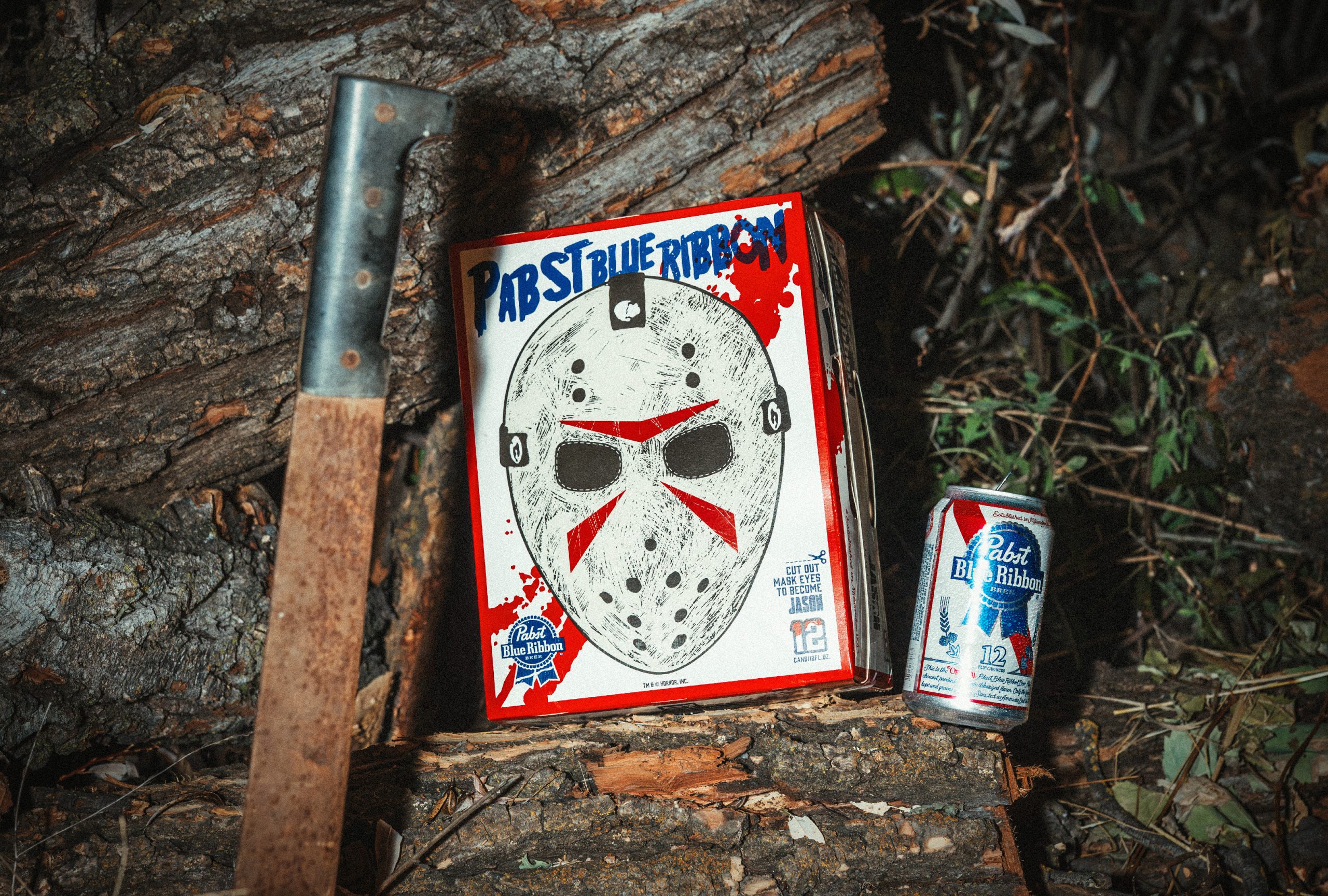
Pabst Blue Ribbon’s Friday the 13th 12-pack features a punch-out Jason Voorhees hockey mask directly integrated into the carton.
This integration of a functional element into packaging points to a broader industry shift. Brands are moving past mere aesthetic appeal or structural protection. They now embed a tangible, secondary utility or a highly personal identifier directly into the packaging itself. This extends the product’s value proposition beyond consumption, transforming the unboxing into a playful interaction or reinforcing an individual connection before the product is even used.
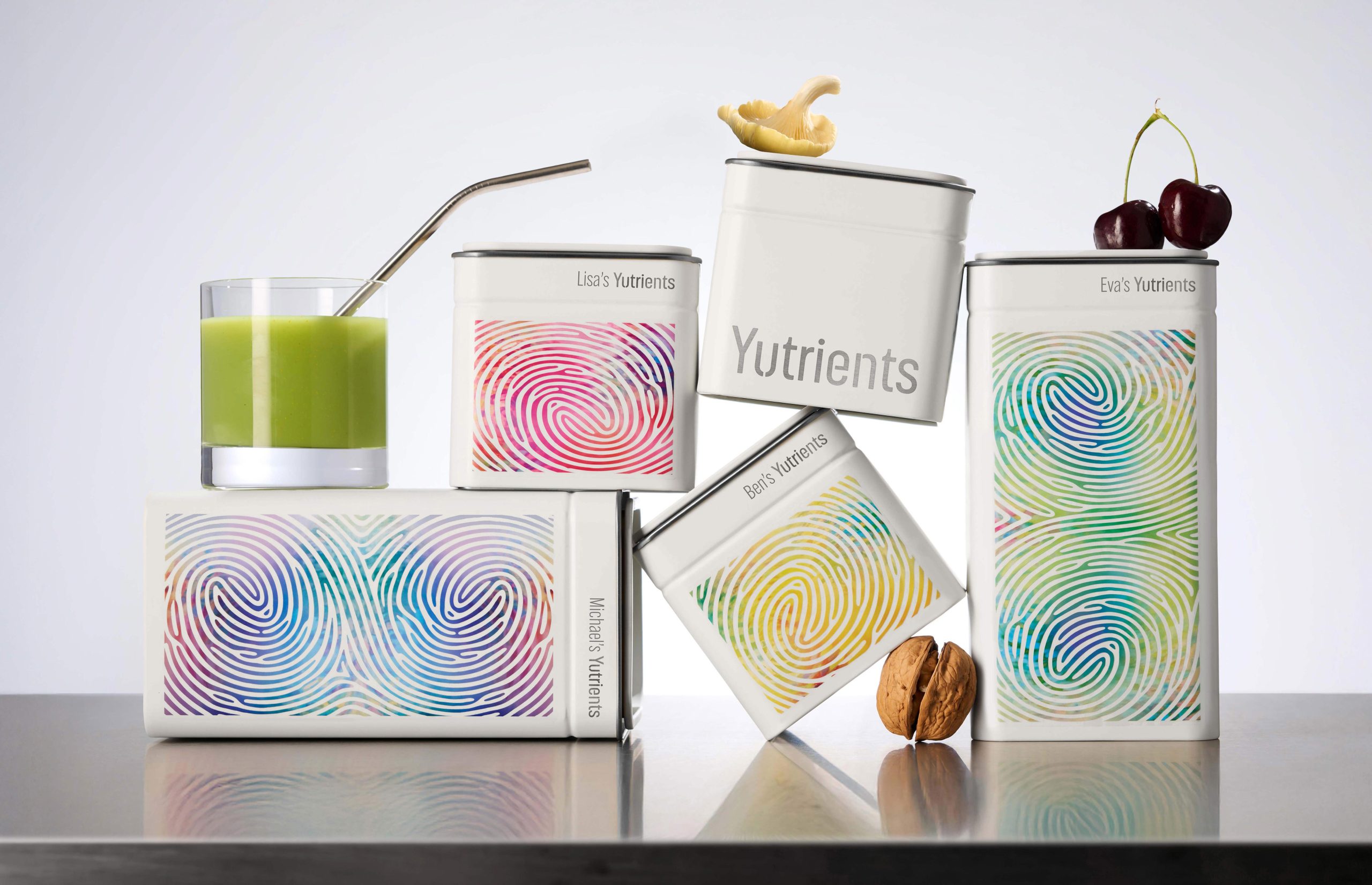
Mid-air Studio’s design for Yutrients exemplifies this drive for individualized connection. Each matte white can features hand-drawn fingerprint swirls in vibrant color blends, making every tin appear as a unique nutritional ID. Mainstream packaging discourse often prioritizes universal shelf impact and simplified material use for cost and recyclability. However, this approach risks diluting the consumer’s sense of ownership and personal connection, especially in markets like supplements where individual needs are paramount. The perceived complexity or material diversity of highly personalized packaging is often seen as a barrier. This perspective overlooks the deeper engagement and loyalty generated when a brand communicates “this is for you” through physical design. The momentary joy of a personalized item or an interactive element can lead to stronger brand affinity than a sterile, anonymous package, even if the latter is hypothetically “easier” to recycle. By mid-2027, the industry will see a significant uptake in variable data printing and on-demand structural modifications for packaging, enabling bespoke tactile finishes and embedded interactive elements at near mass-market scale, moving beyond simple serialization to genuine physical differentiation.
The primary resistance to this personalized, interactive packaging trend comes from established supply chain infrastructures and procurement departments obsessed with minimizing unit costs through standardization. Many large-scale manufacturers and retailers prioritize logistical efficiency and uniform material specifications, viewing any deviation as an unnecessary expense or operational hurdle. This often leads to a default toward generic, easily replicable packaging solutions, stifling creative applications of tactile branding or integrated utility.
A working packaging professional should immediately audit current product lines for opportunities where a low-cost, structural or surface-level modification could introduce a secondary utility or a personalized tactile element. This could involve exploring die-cut options for existing carton designs, experimenting with localized embossing patterns, or applying variable UV spot varnishes to convey unique textures without altering core material specifications. Focus on using existing material streams creatively.
TL;DR
Packaging must now deliver embedded utility or personalization through physical design to deepen consumer engagement.
Curated References

About this editorial — This piece was developed using AI-assisted research and curation across multiple industry sources. All analysis, opinions, and predictions represent the editorial perspective of JHDD. Sources are linked in the references section above.