JHDD Packaging Report — 2026.08.22
Dynamite Valley’s recent redesign for its craft beer exemplifies a burgeoning trend in packaging, featuring paper-wrapped bottles that evoke the local history of gunpowder making.
This approach, echoed across diverse product categories, signals a strategic shift. Brands are moving beyond generic visual appeal or material-first sustainability claims. Instead, they are leveraging highly specific historical, cultural, or cinematic narratives to imbue packaging with profound identity and tactile significance. The packaging becomes an integral part of the product’s story, demanding interaction and offering a deeper engagement that transcends simple utility.
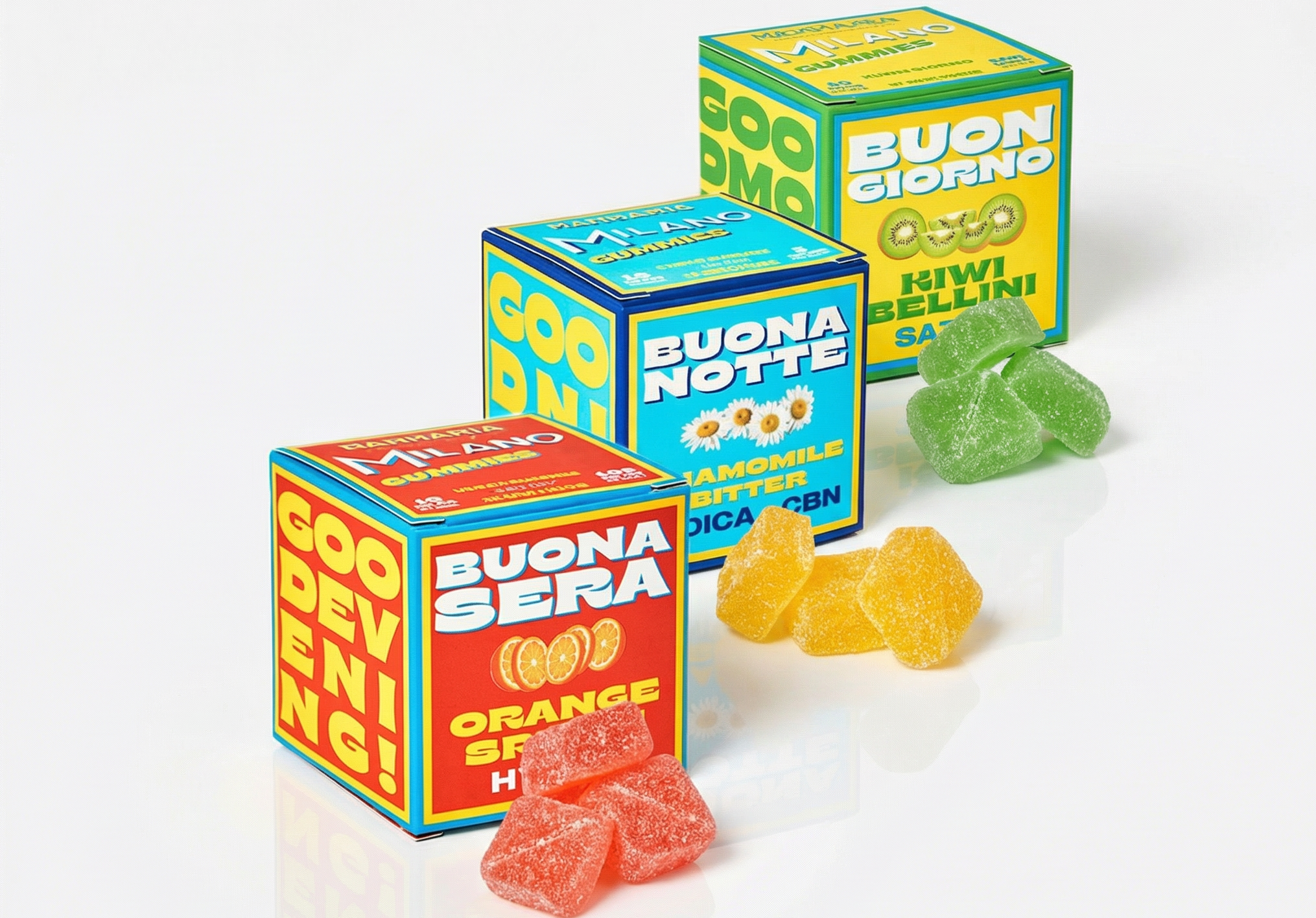
Consider Mammamia, an LA-based edibles brand. Founder Simone D’Antonio deliberately reinterprets 1980s Milanese aperitivo culture, crafting packaging for THC gummies that is explicitly coffee-table-worthy. Mainstream industry opinion often defaults to minimalist, clinical aesthetics for new or sensitive product categories like cannabis, aiming for perceived sophistication and trust through simplicity. Mammamia challenges this by embracing a rich, specific retro narrative with bold typography and evocative design. This contradicts the conventional wisdom that understated design universally equates to premium status or consumer confidence. Here, a deeply embedded cultural context, expressed through distinct visual and tactile choices, creates a powerful unboxing experience and strong shelf presence, elevating the package to an object of display rather than mere containment.
This deliberate design choice also implicitly addresses sustainable consumption in a way often overlooked. When packaging possesses such high aesthetic and narrative value, like Mammamia’s coffee-table-worthy boxes or Dynamite Valley’s historically resonant paper wraps, its perceived worth increases, making immediate disposal less likely. The packaging is designed for extended interaction or even repurposing, shifting its lifecycle perception beyond the point of purchase. The materiality, such as paper-wrapped bottles, supports this narrative and offers a tactile connection that synthetic, generic alternatives cannot. By mid-2028, more established brands will implement packaging designed for display or secondary life through compelling aesthetic narratives, rather than solely focusing on post-consumer recyclability labels, fundamentally reshaping the long-term unboxing experience.
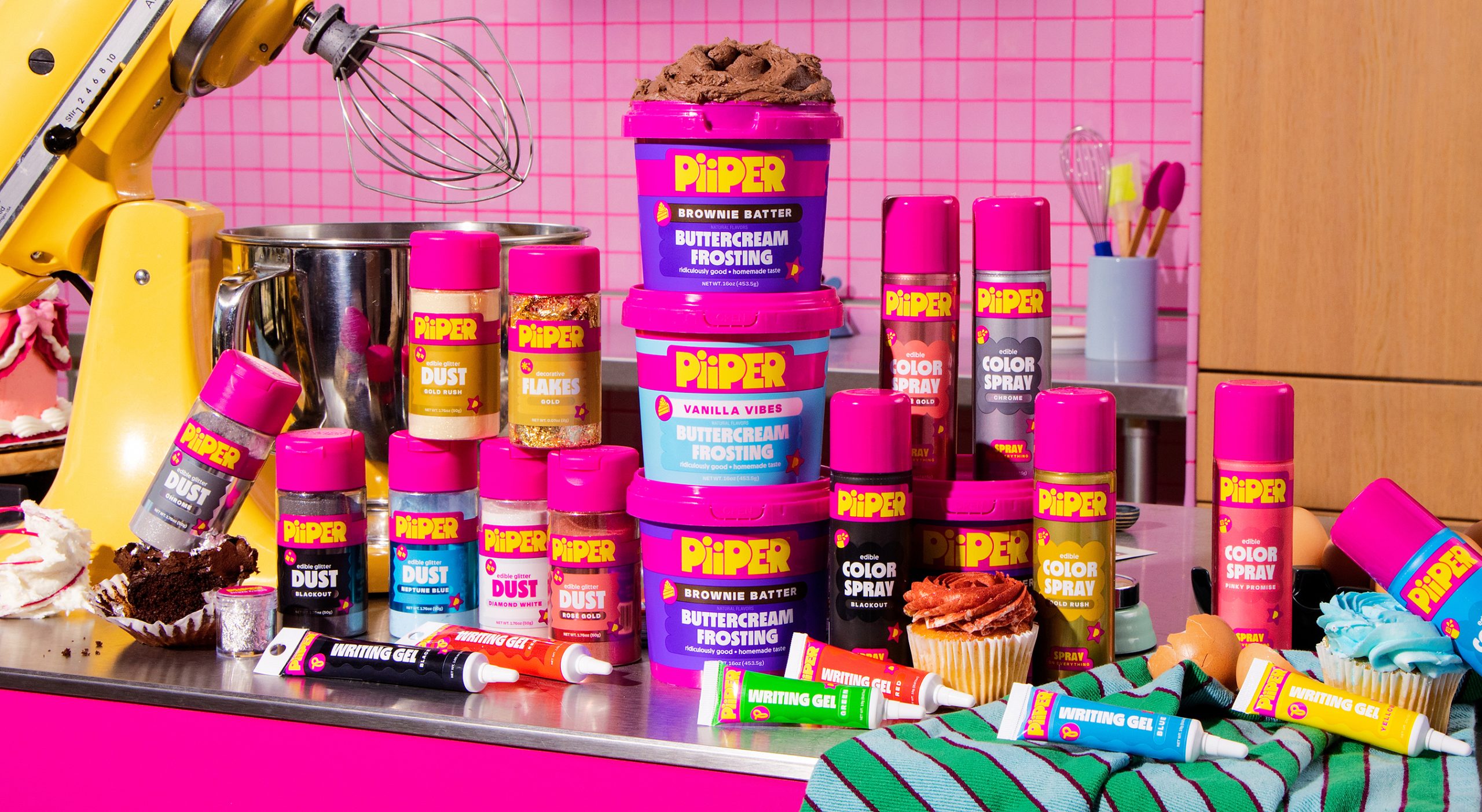
The primary resistance to this narrative-driven, tactile approach stems from the relentless economic pressures of mass production and global distribution. Cost-per-unit, manufacturing speed, and logistical standardization typically dictate material selection and design complexity. Major retailers such as Target and Walmart, while open to visually distinct brands like PiiPER with its saturated pinks and whimsical letterforms, still operate within a framework that prioritizes efficient stocking, uniform shelving, and minimal handling costs. Implementing intricate, story-specific tactile packaging or non-standard material formats at scale can introduce significant complexities and expenses that large-scale retail supply chains are generally structured to avoid.
A working Packaging professional should immediately assess one of their current product lines for an overlooked or underdeveloped element within its brand story—perhaps a historical origin, a unique ingredient source, or a cultural inspiration. Then, identify a singular tactile material, print technique, or structural feature that could explicitly communicate this narrative. This action prioritizes narrative authenticity and tactile engagement over merely ticking boxes for “sustainable” material types, ensuring the packaging itself becomes a tangible storyteller.
TL;DR
Packaging should tell a deep, specific story through tactile and visual elements to create lasting value and counter disposable consumerism.
Curated References

About this editorial — This piece was developed using AI-assisted research and curation across multiple industry sources. All analysis, opinions, and predictions represent the editorial perspective of JHDD. Sources are linked in the references section above.