JHDD Packaging Report — 2026.08.17
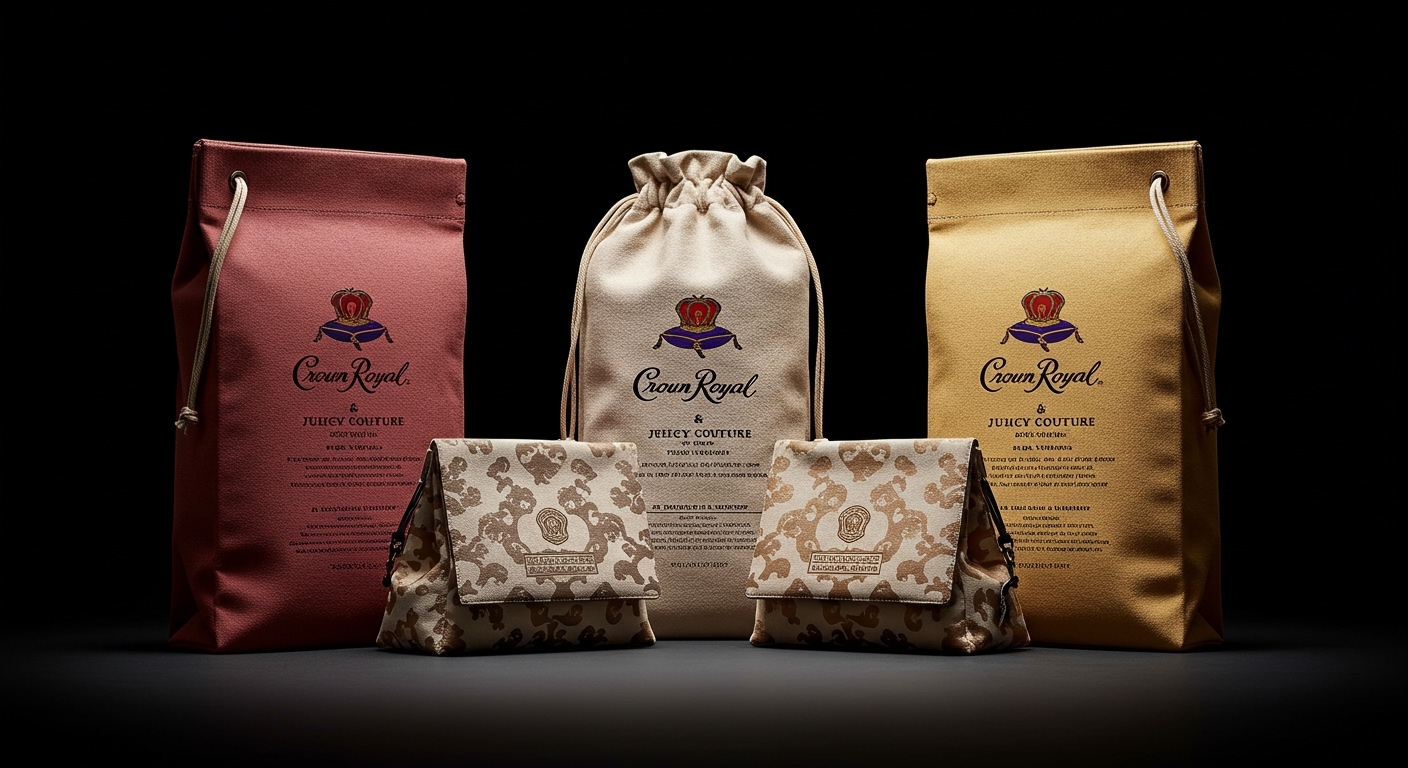
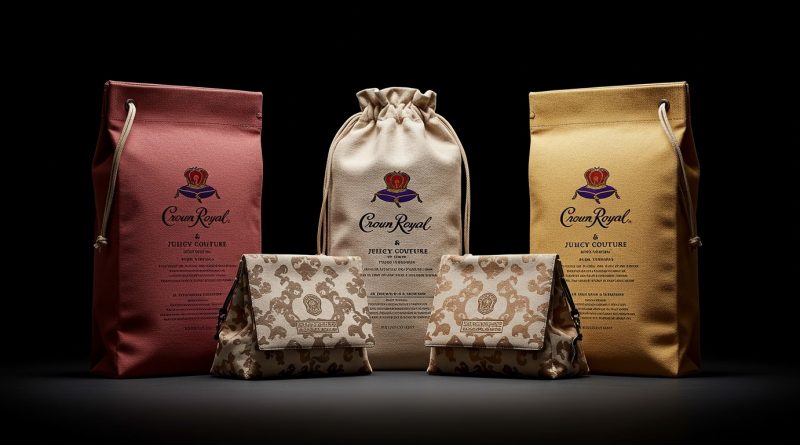
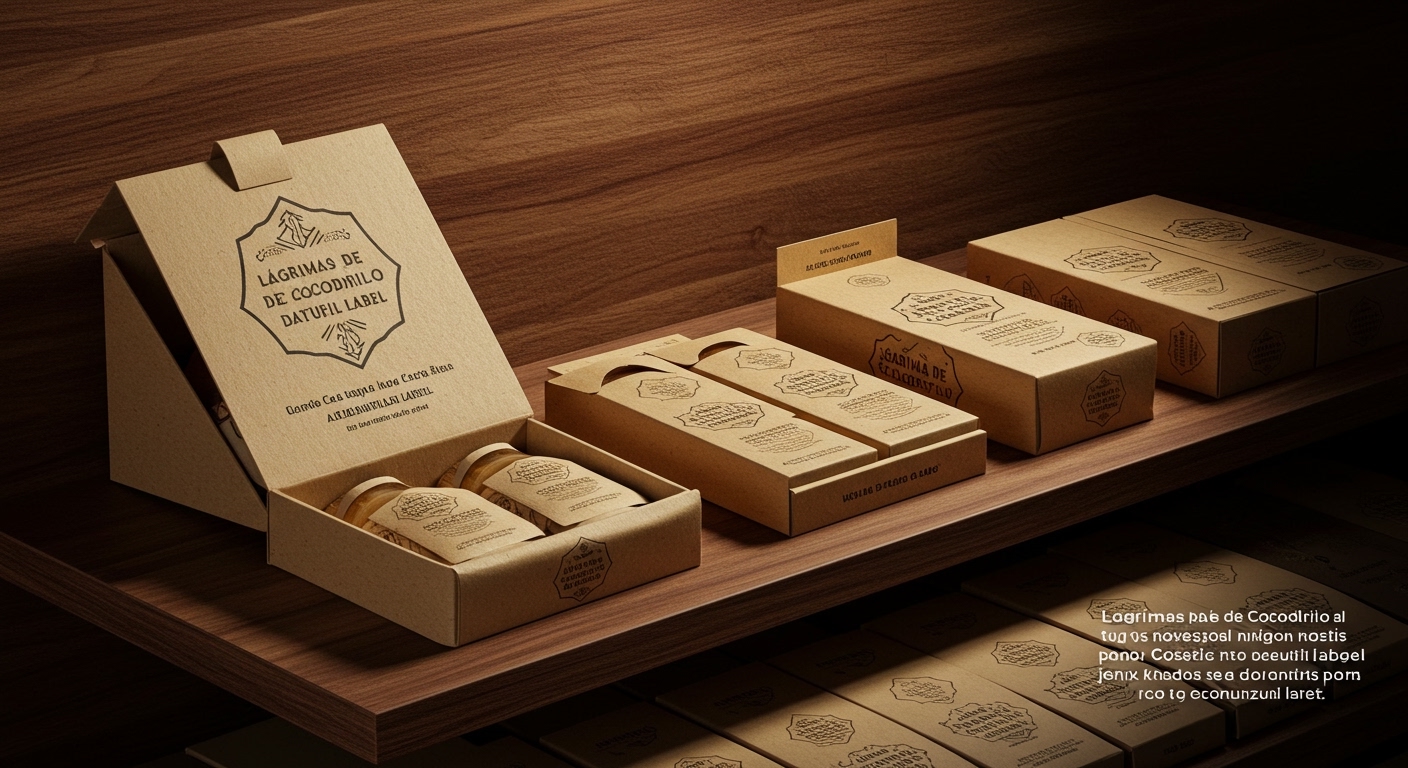
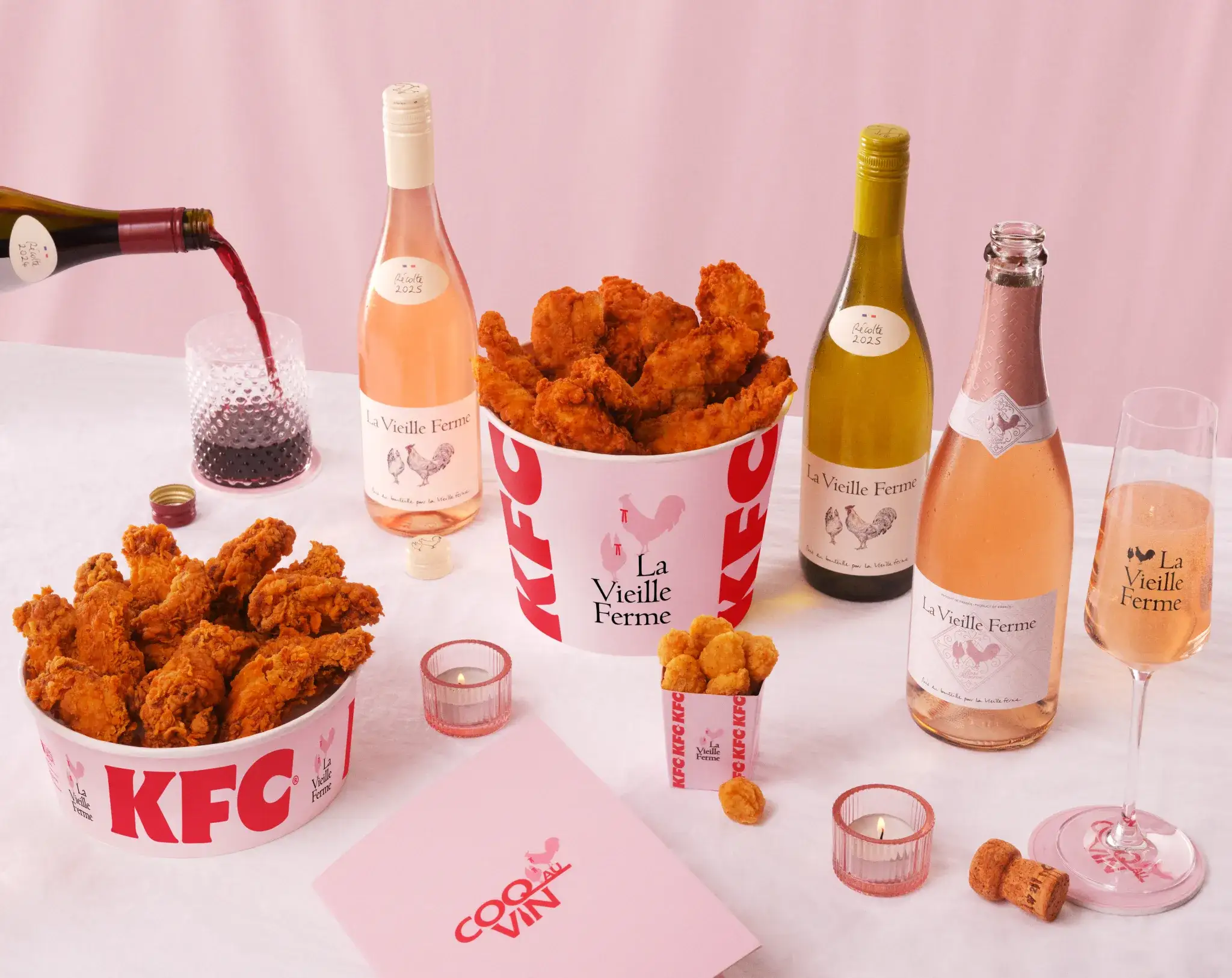
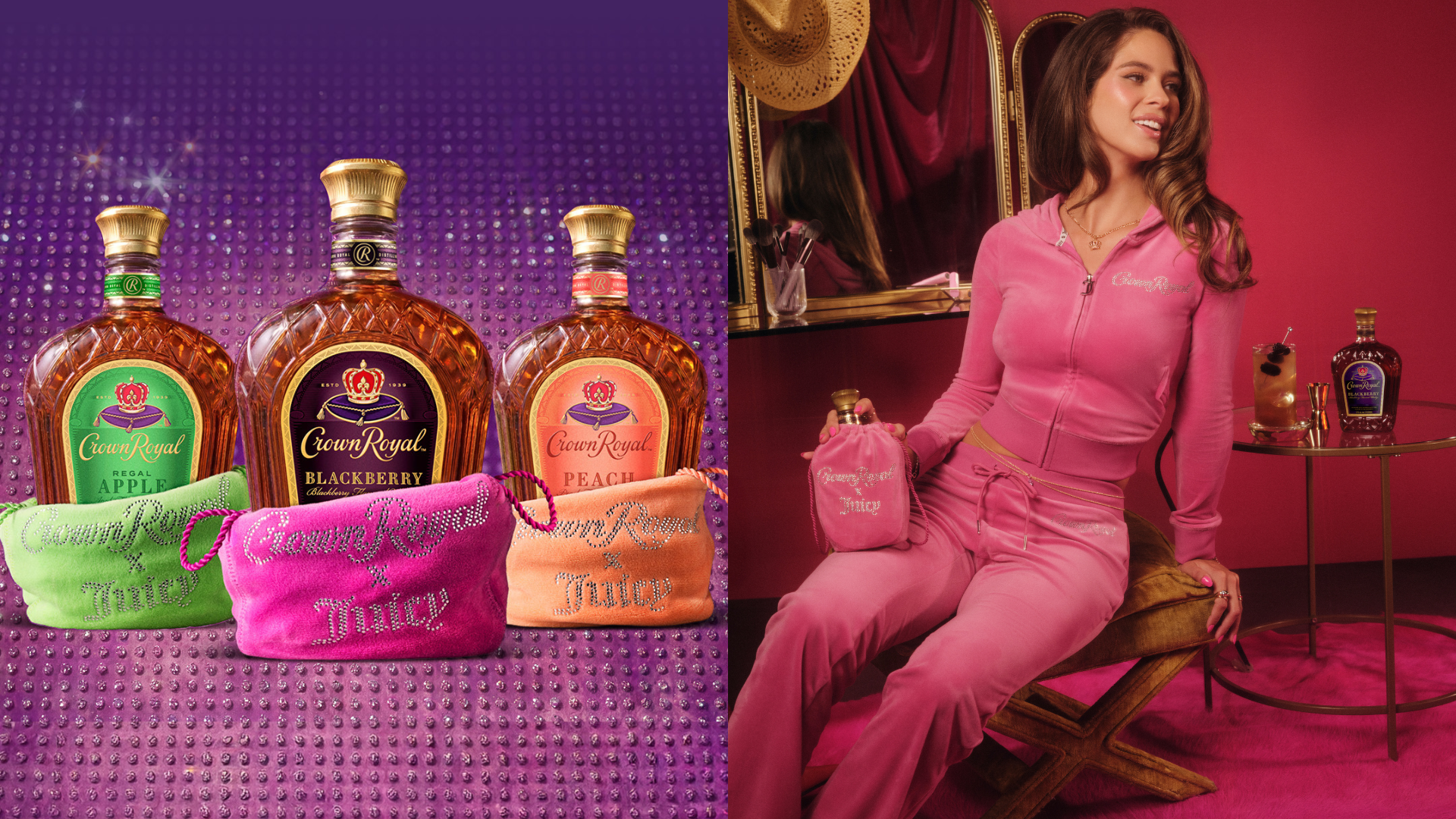
Crown Royal and Juicy Couture’s collaboration featured custom whisky bottle bags described as ‘velvety smooth’. This pursuit of rich, multisensory consumer experiences, from the dramatic cartoon crocodile label for Lágrimas de Cocodrilo to the unexpected culinary pairing of KFC and La Vieille Ferme, defines a prominent current in packaging design. Brands are investing heavily in heightened tactile and visual storytelling to capture attention and forge emotional connections. This trend, however, coexists with a starkly contrasting reality: the foundational materials used for primary packaging are undergoing intense scrutiny regarding long-term health and environmental safety.
The Crown Royal and Juicy Couture collaboration exemplifies this duality. The partnership leverages Y2K nostalgia and tactile luxury through its bedazzled tracksuits and custom whisky bottle bags, creating a highly shareable unboxing moment designed to resonate with Gen Z consumers. Mainstream industry opinion often champions such collaborations as peak experiential marketing, seeing them as innovative ways to extend brand reach and perceived value through novelty and sensory indulgence. However, this focus on opulent, often short-lived secondary packaging risks diverting critical attention and resources from the primary packaging material itself. A truly holistic approach to a premium experience demands that the inner sanctum of the product—its direct container—reflects the same commitment to responsible design as its external embellishments. Ignoring this creates a dangerous disconnect where surface-level luxury masks deeper, more systemic material issues. This publication maintains that prioritizing short-term trends over fundamental material integrity is a strategically short-sighted approach, one that will increasingly expose brands to public scrutiny.
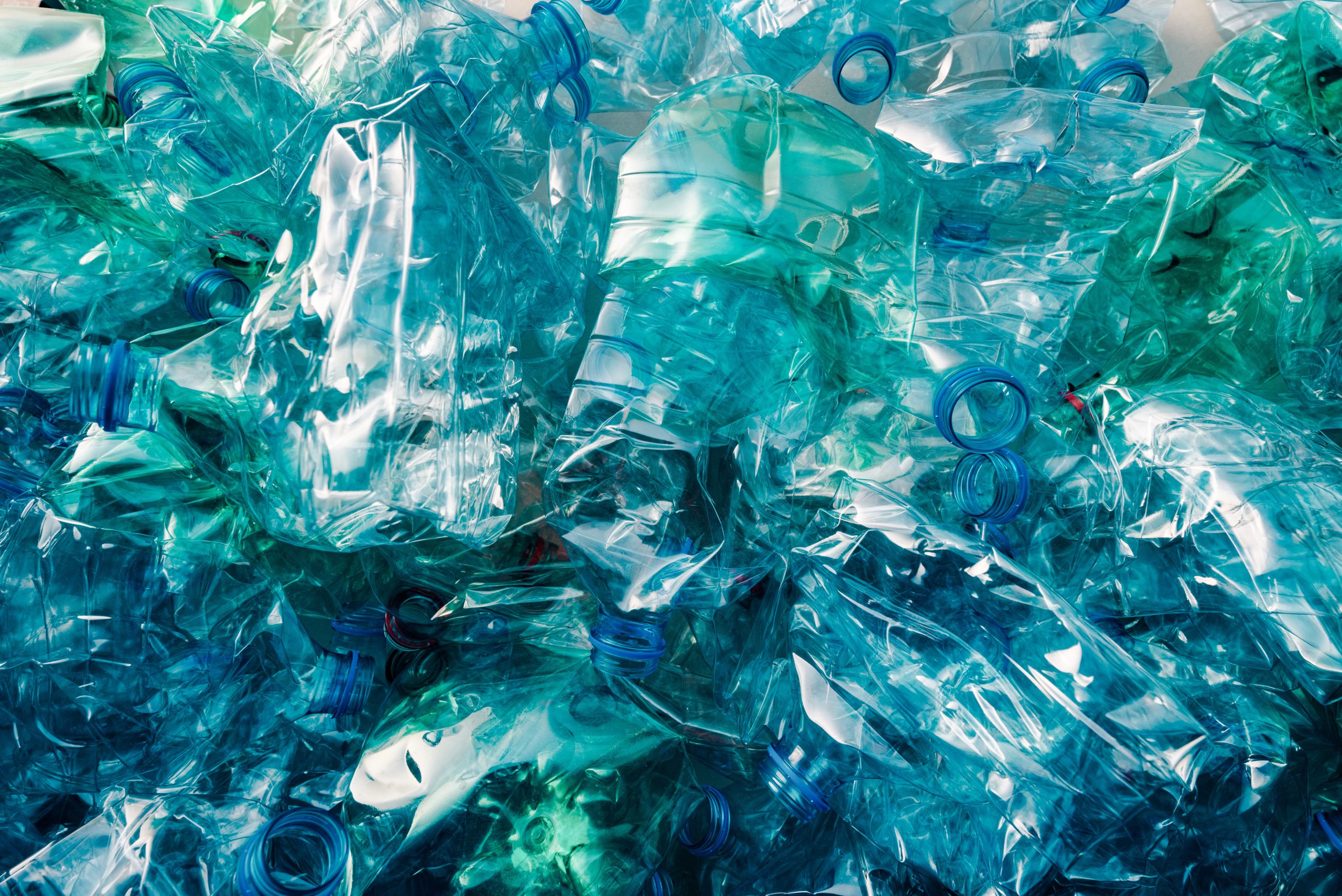
For instance, the recent Texas A&M study identifies polyethylene, a common food plastic long considered a safe material, as potentially linked to liver disease. This research undermines widespread industry confidence in widely accepted materials. A brand investing heavily in a ‘velvety smooth’ outer bag and highly stylized promotional content, while its core product remains in primary packaging with emerging health concerns, presents a profoundly misaligned value proposition. It implies that the sensory thrill of an unboxing experience and a social media moment take precedence over confirmed consumer health and foundational environmental responsibility. Such a strategy is unsustainable. By mid-2027, brands will find it increasingly difficult to sustain premium positioning without comprehensive transparency and verifiable safety data for all their packaging components, especially primary ones. Consumer demand will decisively shift towards brands that integrate material safety and sustainable sourcing into the core product experience, not just into external, temporary flourishes designed for novelty.
The persistent opposing force in this scenario is the entrenched commercial imperative for immediate market impact and viral social media engagement. Marketing departments, often driven by quarterly sales targets and influencer metrics, frequently prioritize novelties and superficial brand activations that generate quick buzz. This focus can sideline the more arduous, less immediately visible work of researching, validating, and implementing truly sustainable and safe primary packaging materials, especially when those materials require significant R&D investment or supply chain restructuring.
Packaging professionals should immediately initiate a comprehensive audit of all primary packaging materials currently in use, particularly those plastics widely adopted in food and beverage. This audit must extend beyond conventional recyclability claims to proactively assess emerging research on material safety, biodegradability, and long-term health impacts, such as the polyethylene findings from Texas A&M. Design teams must advocate for material science diligence at the earliest stages of product development, ensuring that material choices are as carefully considered as the aesthetic and experiential elements of the unboxing. Develop a robust internal framework for material vetting that anticipates future regulatory and health concerns, rather than simply reacting to current ones.
TL;DR
Packaging must balance experiential design with fundamental material safety and transparency, not let surface luxury overshadow core material integrity.
Curated References


About this editorial — This piece was developed using AI-assisted research and curation across multiple industry sources. All analysis, opinions, and predictions represent the editorial perspective of JHDD. Sources are linked in the references section above.