JHDD Branding Report — 2026.08.17
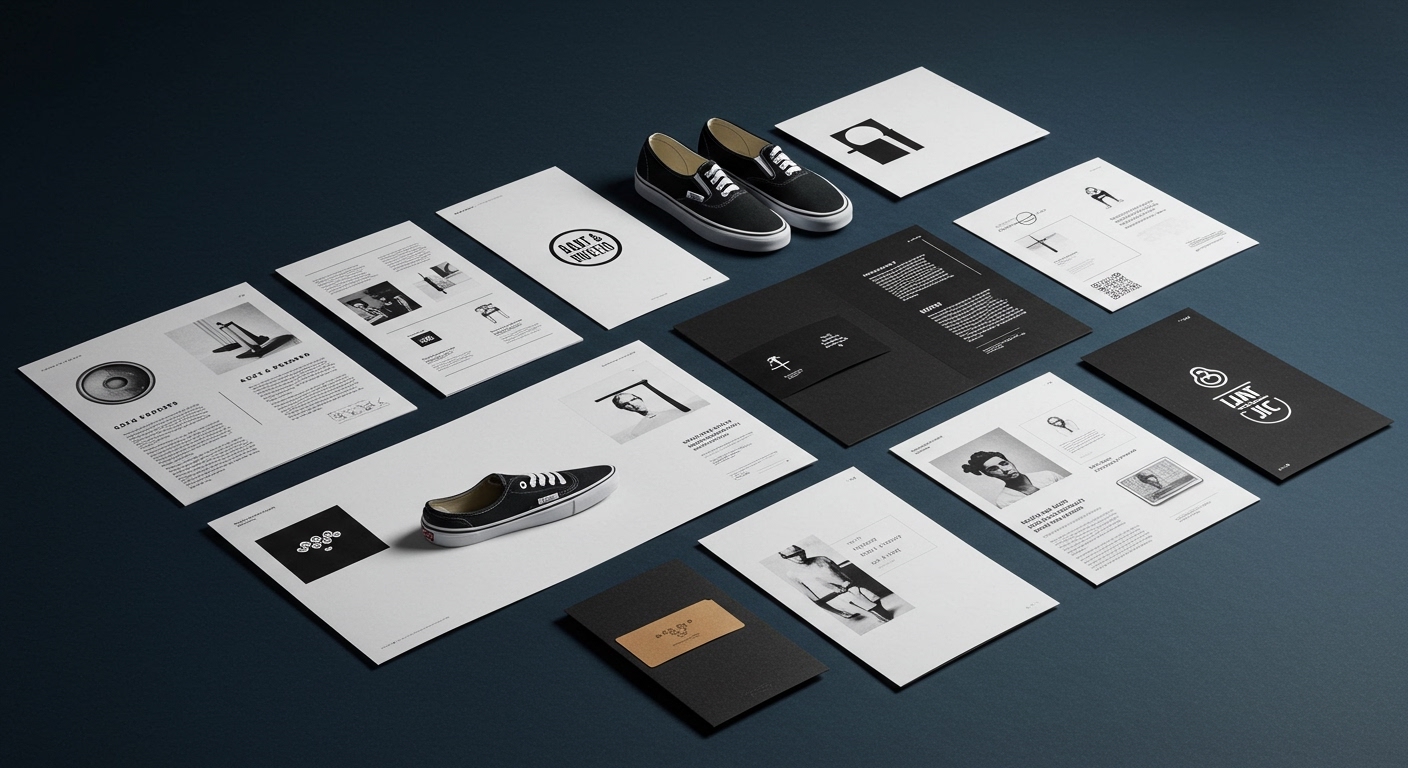
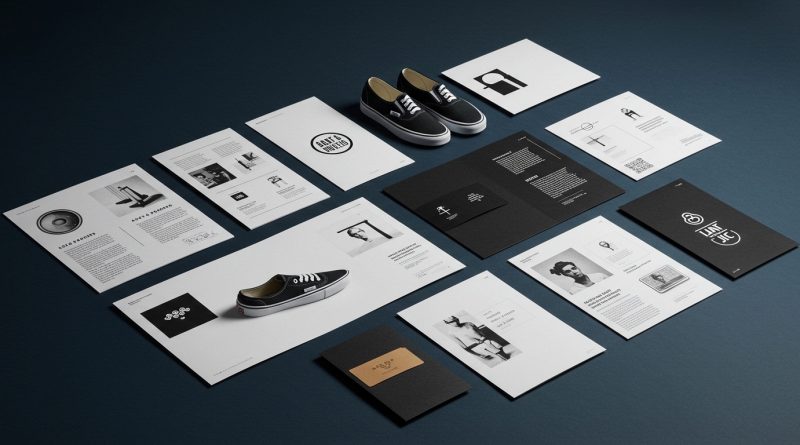
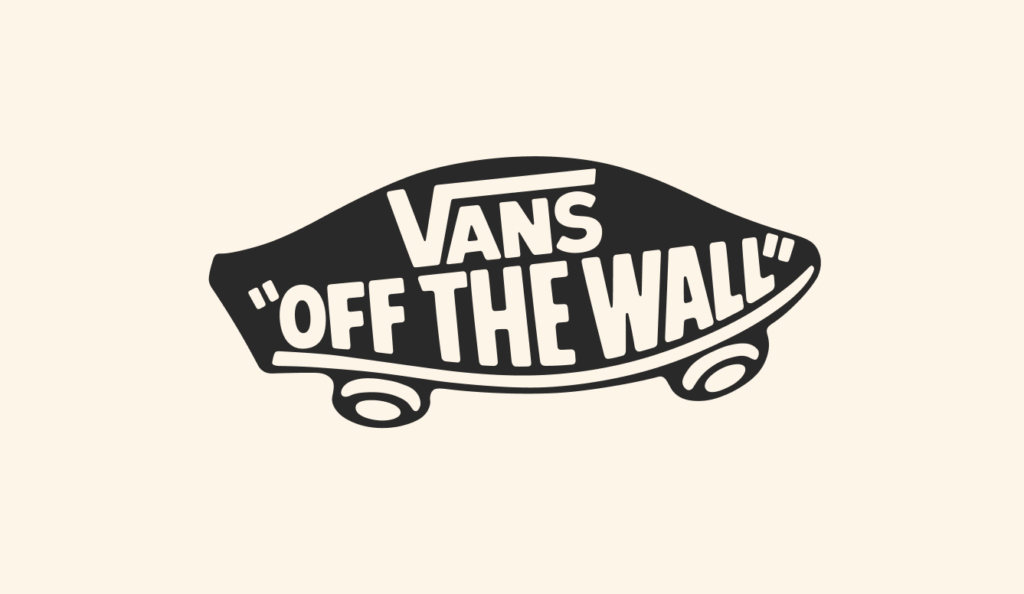
Accept & Proceed’s recent brand identity work for Vans understood that the iconic three-hole plimsolls, beloved to the point of sun-bleached and holey wear, did not need reinvention.
This approach reflects a subtle but significant pattern across recent projects: a re-evaluation of how heritage brands manage their visual equity. Instead of automatic overhauls, the focus is shifting to discerning which core elements carry deep cultural signals and how to either celebrate or gently evolve them without losing intrinsic value. This is a move away from disruption for its own sake, towards considered custodianship of established recognition.
The case of Vans stands out because the agency’s solution resisted the prevailing industry pressure to visibly modernize. The brand’s equity is deeply embedded in the lived experience of its customers, where wear and tear on a product become a badge of authenticity, a personal history. A visual identity that respects this lived reality, rather than erasing it with a stark new aesthetic, leverages a powerful cultural signal. Conventional wisdom in branding frequently dictates that a legacy brand must undergo radical visual transformation to signal relevance or innovation. However, for a brand like Vans, where longevity and a consistent presence are core to its appeal, maintaining visual continuity, or even a strategic visual stasis, is a more robust strategy for fortifying brand equity. The constant chase for “newness” can inadvertently dismantle the very familiarity and comfort that define an enduring brand. This perspective acknowledges that consumers do not always seek novelty in familiar brands; often, they seek reassurance and stable identity. This is particularly true in categories where personal attachment and ritualistic use are high. By mid-2027, more heritage brands, particularly in lifestyle sectors, will publicly champion visual preservation strategies, presenting them as a deliberate act of brand stewardship rather than a lack of creative ambition.
This nuanced approach faces resistance from brand marketing departments operating on quarterly cycles, often pressured to demonstrate tangible updates and “freshness” to stakeholders. Agencies that primarily sell large-scale rebrand projects also contribute to this cycle, perpetuating a belief that significant change is always necessary for growth. These forces prioritize immediate, visible shifts over the patient accumulation of long-term brand meaning.
A working Branding professional should immediately conduct an in-depth cultural audit of their existing visual identity system, going beyond aesthetic trends to identify specific elements that hold deep, enduring resonance with core audiences. The goal is to articulate the inherent equity of these elements and prioritize their strategic preservation or minimal iteration, rather than defaulting to comprehensive redesigns.
TL;DR
Strategic brand growth now prioritizes preserving established visual equity over constant reinvention.
Curated References
About this editorial — This piece was developed using AI-assisted research and curation across multiple industry sources. All analysis, opinions, and predictions represent the editorial perspective of JHDD. Sources are linked in the references section above.