JHDD Packaging Report — 2026.08.15
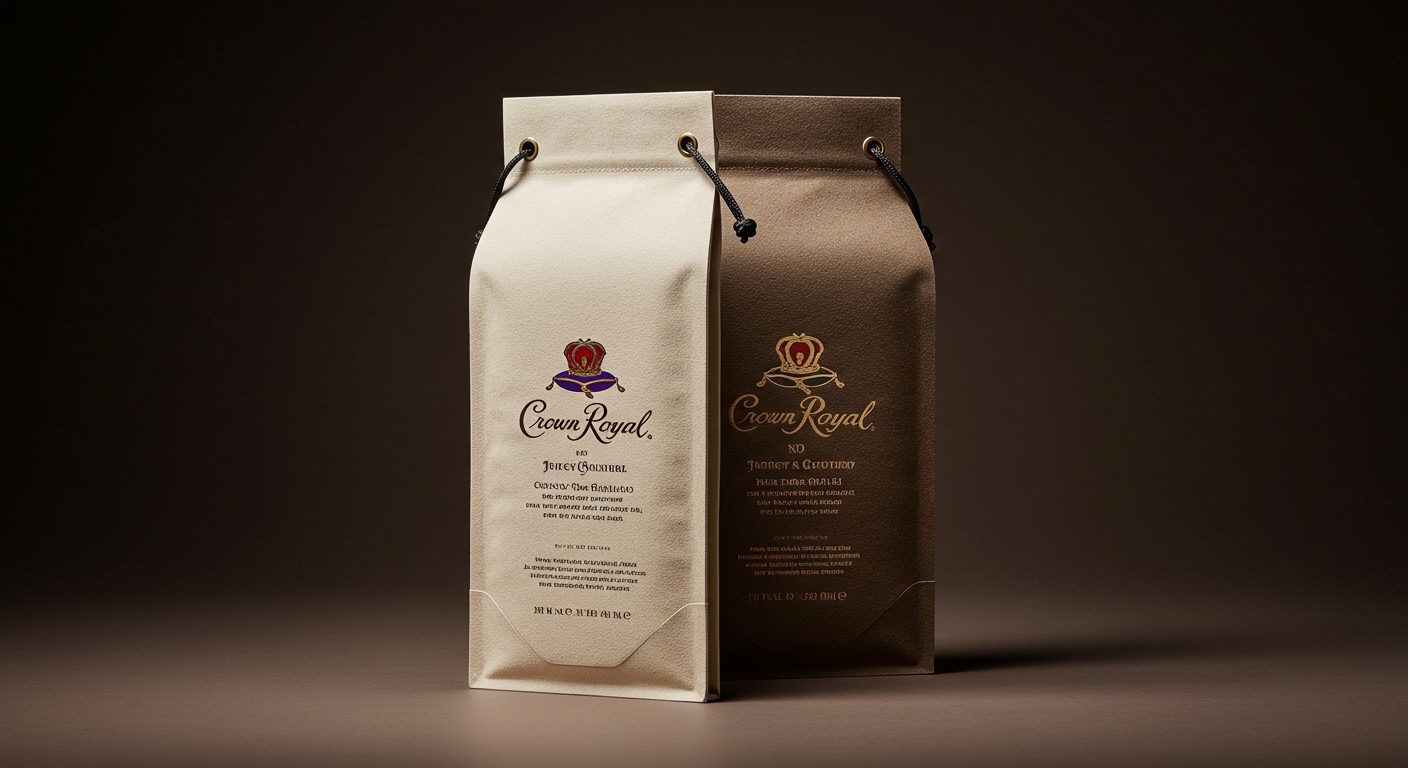
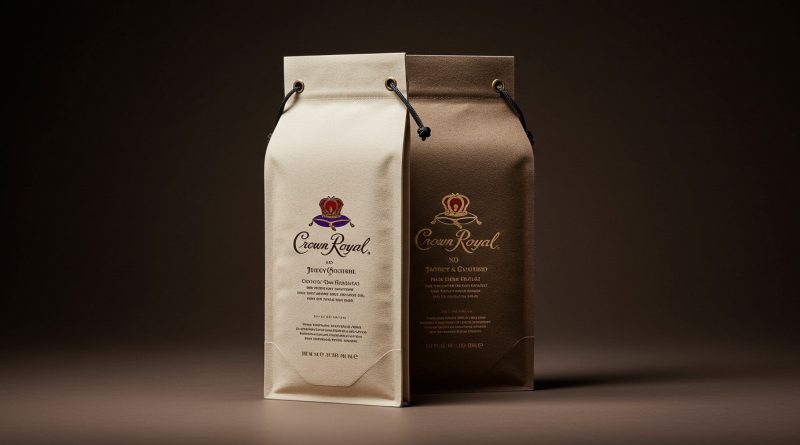
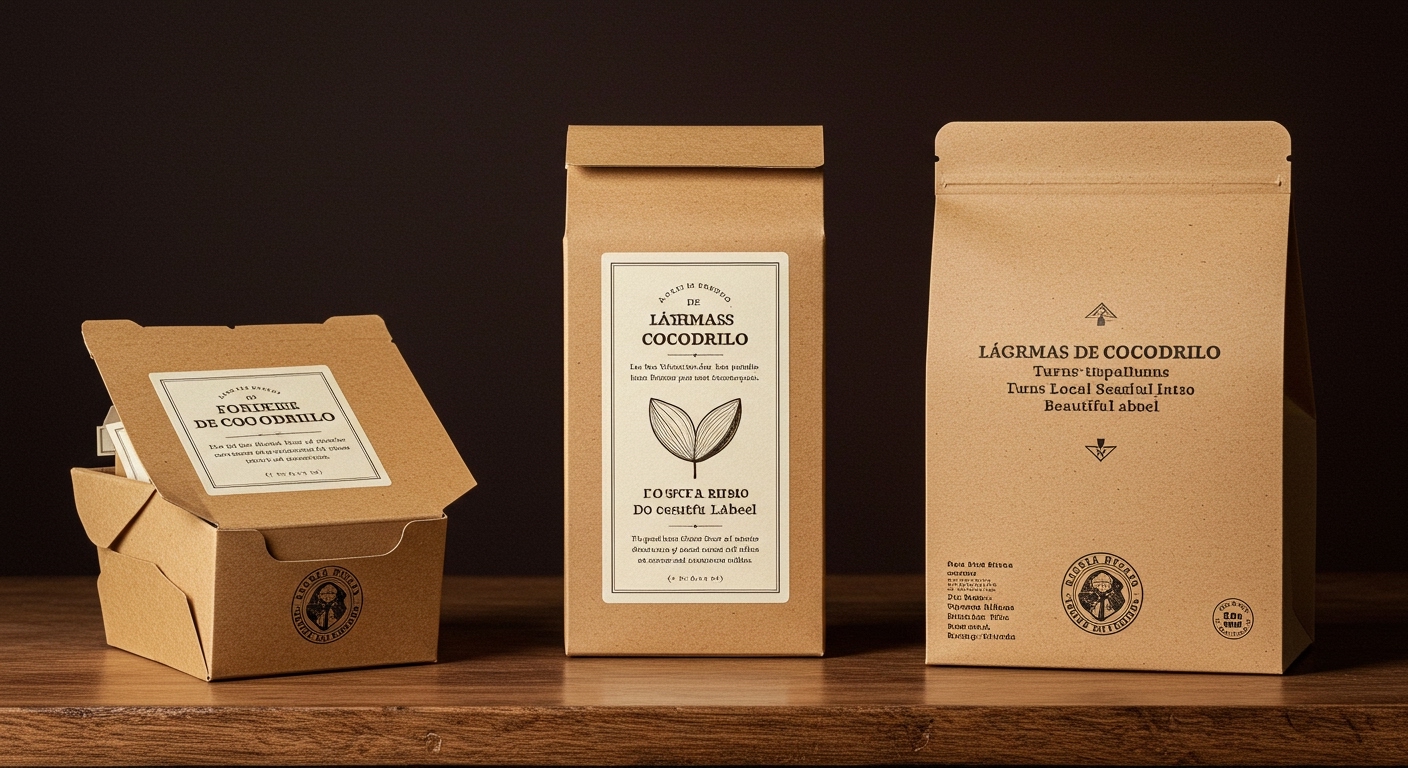
Crown Royal and Juicy Couture’s custom whisky bottle bags exemplify a push for tactile luxury within the unboxing experience. This initiative, alongside the localized narrative of Lágrimas de Cocodrilo’s crocodile label, points to a broader trend: an intensified focus on deeply engaging consumers through specific sensory details or cultural resonance. This contrasts sharply with the Texas A&M study’s findings regarding polyethylene, revealing a critical disconnect where sophisticated brand engagement runs parallel to fundamental material safety oversight.
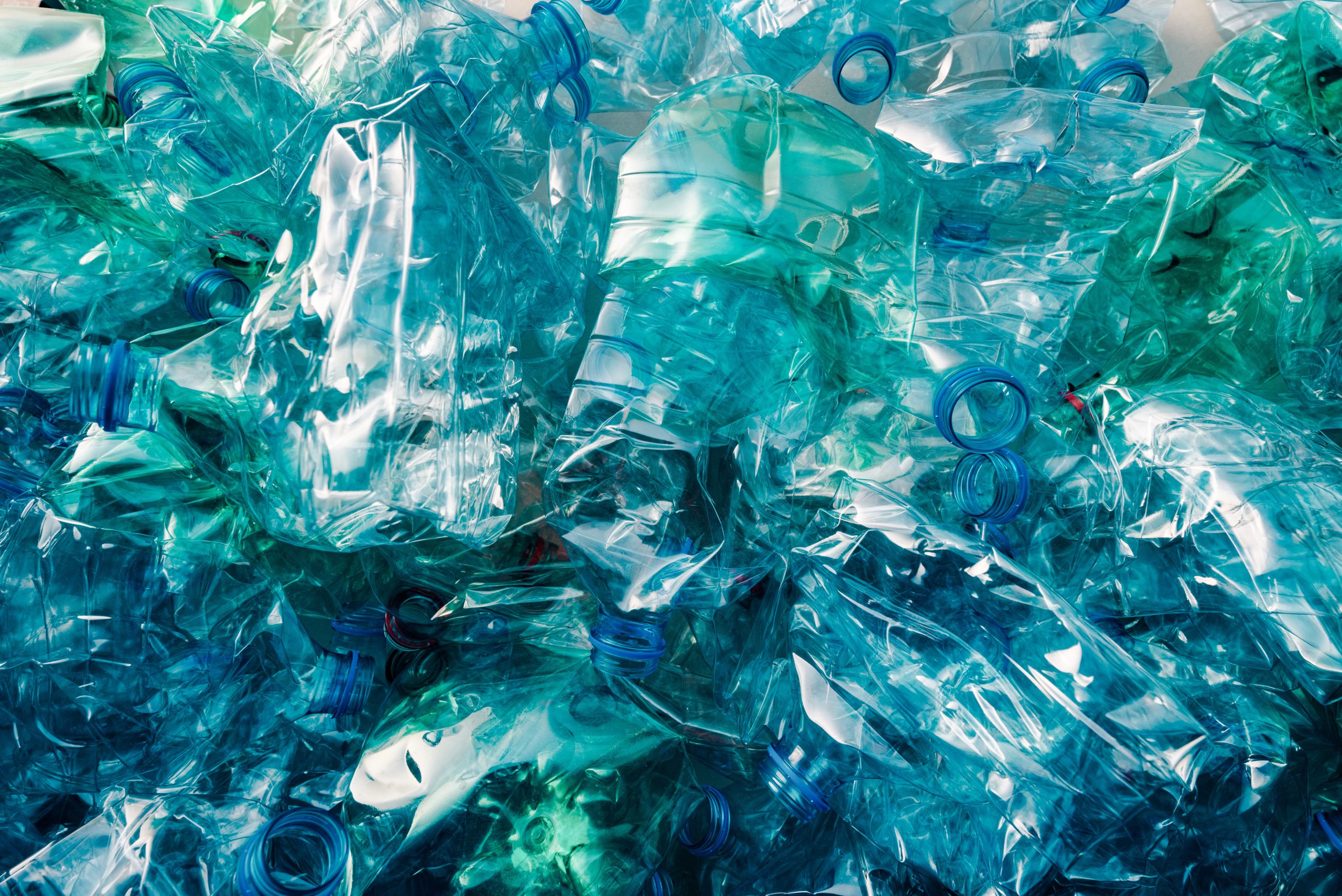
Many in the industry often celebrate new “sustainable” materials based primarily on their recyclability or biodegradability, assuming widespread acceptance guarantees safety. This mainstream view is incomplete. The Texas A&M College of Veterinary Medicine and Biomedical Sciences (VMBS) research directly challenges this assumption, finding evidence that polyethylene, a material considered safe for food packaging, might contribute to liver disease. True sustainable packaging must extend beyond environmental end-of-life considerations to rigorously evaluate the long-term human health implications of materials in direct contact with food. Focusing solely on a material’s environmental processing without addressing its biocompatibility is a significant oversight. This narrow definition of “sustainability” delays the adoption of truly holistic solutions.
The continued use of materials like polyethylene at scale, despite emerging health concerns, highlights this contradiction. By late 2027, increased scrutiny of material safety will likely lead to demand for new, comprehensive third-party certifications that assess not just environmental impact, but also long-term human health and biocompatibility for all food-contact packaging. This shift will force a re-evaluation of currently accepted “safe” materials.
The primary resistance to this necessary shift comes from the deeply entrenched economic models and existing infrastructure supporting widely adopted, low-cost materials. Supply chain inertia and the significant investment in current manufacturing processes make rapid material transitions challenging, despite growing scientific evidence of potential health risks.
A packaging professional should immediately re-evaluate current material specifications for food contact packaging. They must demand comprehensive health impact assessments, specifically independent biocompatibility studies, in addition to standard environmental certifications for all new and existing material choices.
TL;DR
Packaging design must integrate human health and material science safety as core components of sustainability, beyond current environmental metrics.
Curated References



About this editorial — This piece was developed using AI-assisted research and curation across multiple industry sources. All analysis, opinions, and predictions represent the editorial perspective of JHDD. Sources are linked in the references section above.