JHDD Architecture Report — 2026.08.15
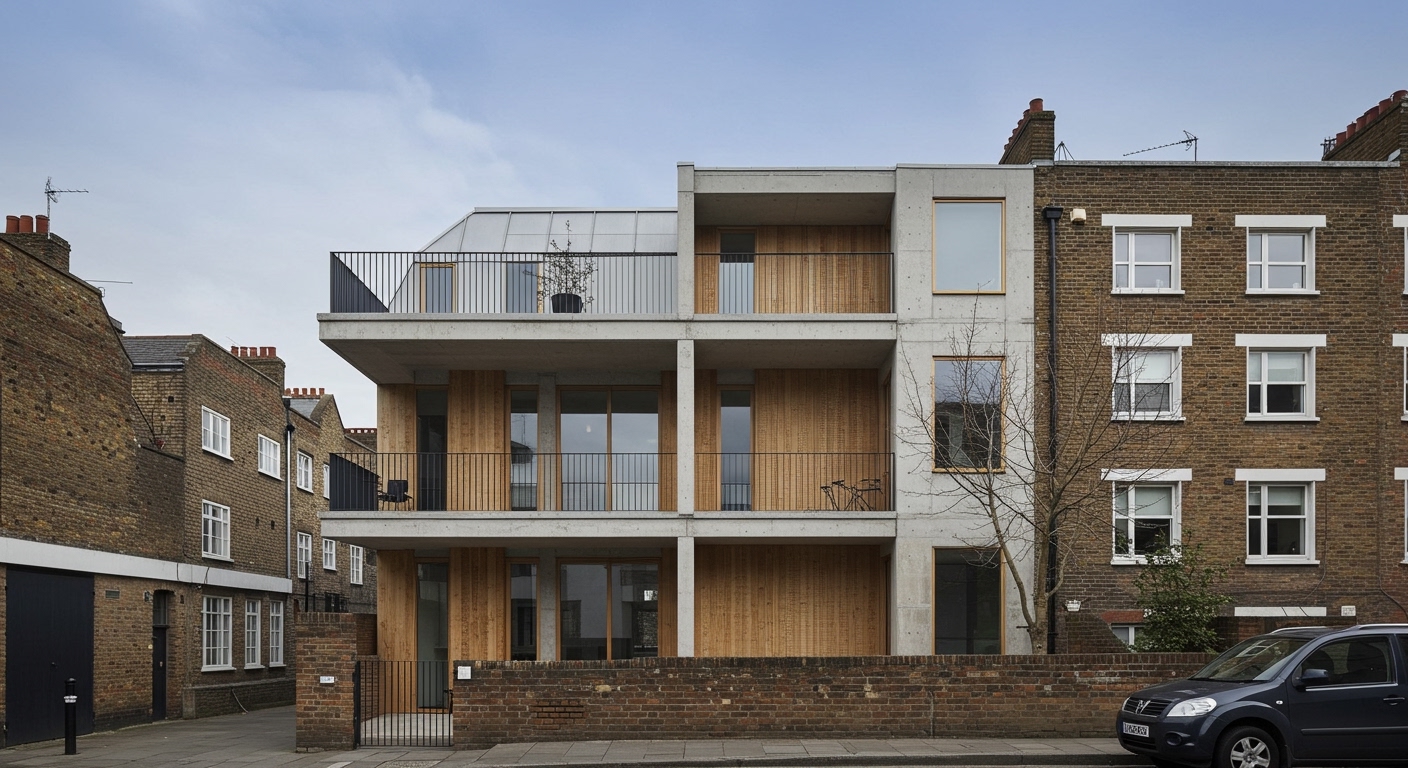
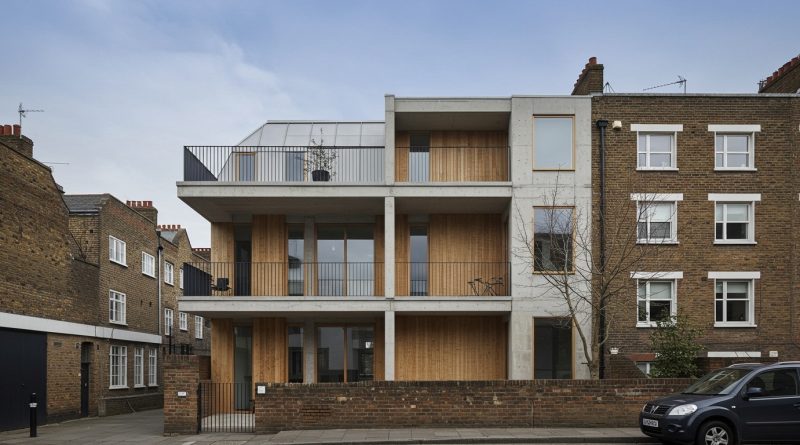
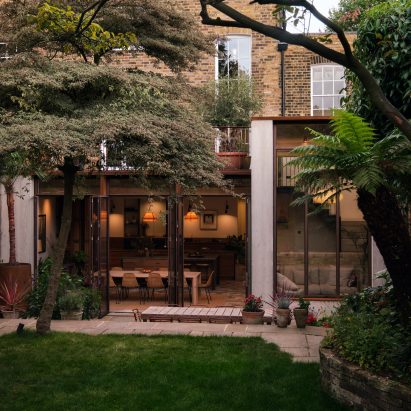
Mosley Thorold’s renovation of the De Beauvoir Townhouse in east London incorporated a palette of salvaged and natural materials intended to patina over time. This approach signals a significant, often unarticulated, shift towards an architectural philosophy that values the ongoing material narrative of a building. It reflects a growing understanding that true longevity is found not in static finishes, but in materials that interact with their environment and acquire character through age and weathering.
This emerging pattern connects diverse projects, moving beyond superficial material applications to a deeper engagement with a building’s lifecycle and its specific place. The emphasis is on materials whose story continues after construction, integrating with their surroundings rather than standing apart. From salvaged components in urban renovations to new structures designed around existing natural features, the common thread is an extended material narrative that embraces time.
Mosley Thorold’s use of concrete, brick, tiles, and metal for the De Beauvoir home directly challenges the conventional architectural pursuit of perpetual newness and static perfection. Mainstream industry often prioritizes initial pristine appearance and uniform finishes, fearing weathering as degradation. However, a material philosophy rooted in urban responsibility understands that materials acquire depth and character through their interaction with time and elements. This allows buildings to evolve, reflecting their place within the city’s ongoing history. This perspective contradicts the industry’s prevalent quest for impermeable, unchanging surfaces, arguing instead for the inherent value in material transformation. By mid-2028, leading material specifications will regularly include “aging profiles” for primary structural and envelope materials, detailing their expected appearance and performance over a minimum 50-year lifespan, rather than solely focusing on initial aesthetics.
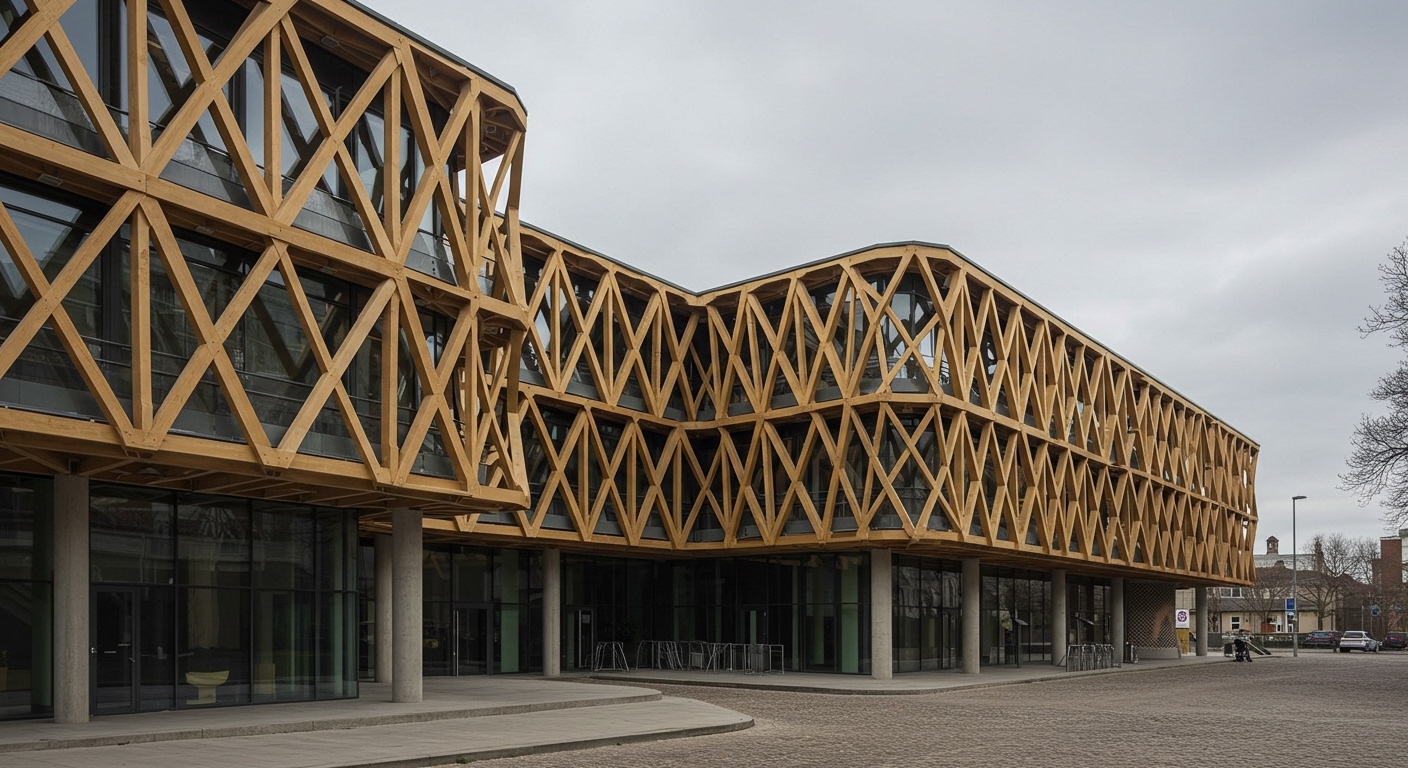
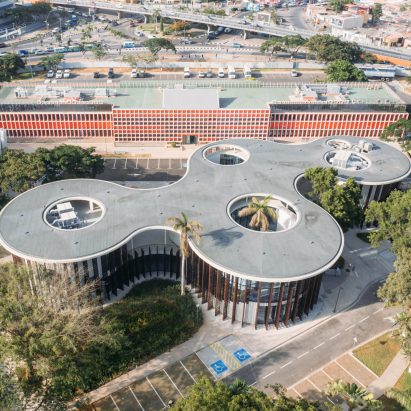
Typsa Arquitectura’s library in Luanda further exemplifies this deep contextual commitment by weaving a 1,915-square-metre structure around existing mature trees. This is not merely preservation; it is a fundamental spatial and structural commitment to the site’s natural heritage, demonstrating how the built environment can adapt to and highlight the unbuilt. The curving concrete roof, punctured by openings that encircle the trees, showcases a structural philosophy where form is derived from site-specific constraints, prioritizing the integration of natural elements over an imposed geometric ideal. This direct material response to existing topography and biology offers a profound lesson in urban responsibility.
This nuanced approach to material integrity and site integration faces resistance from commercial pressures that prioritize speed and lowest upfront cost. These forces often drive material choices towards homogenized, off-the-shelf components aiming for a perpetual ‘newness’ that often leads to rapid obsolescence or expensive, resource-intensive maintenance cycles. Global supply chains and mass-produced finishes tend to erase local material identity and the potential for a building to genuinely belong to its place.
An architecture professional should, within any upcoming project, perform a pre-design material audit of the immediate site and surrounding urban fabric. This audit should go beyond assessing existing conditions for demolition or structural integrity, instead identifying materials that possess inherent longevity, local availability, or clear potential for reuse and graceful aging within the new design.
TL;DR
Contemporary architecture is re-embracing materials that tell a story through time and integrate deeply with their specific context.
Curated References
About this editorial — This piece was developed using AI-assisted research and curation across multiple industry sources. All analysis, opinions, and predictions represent the editorial perspective of JHDD. Sources are linked in the references section above.