JHDD Packaging Report — 2026.08.13
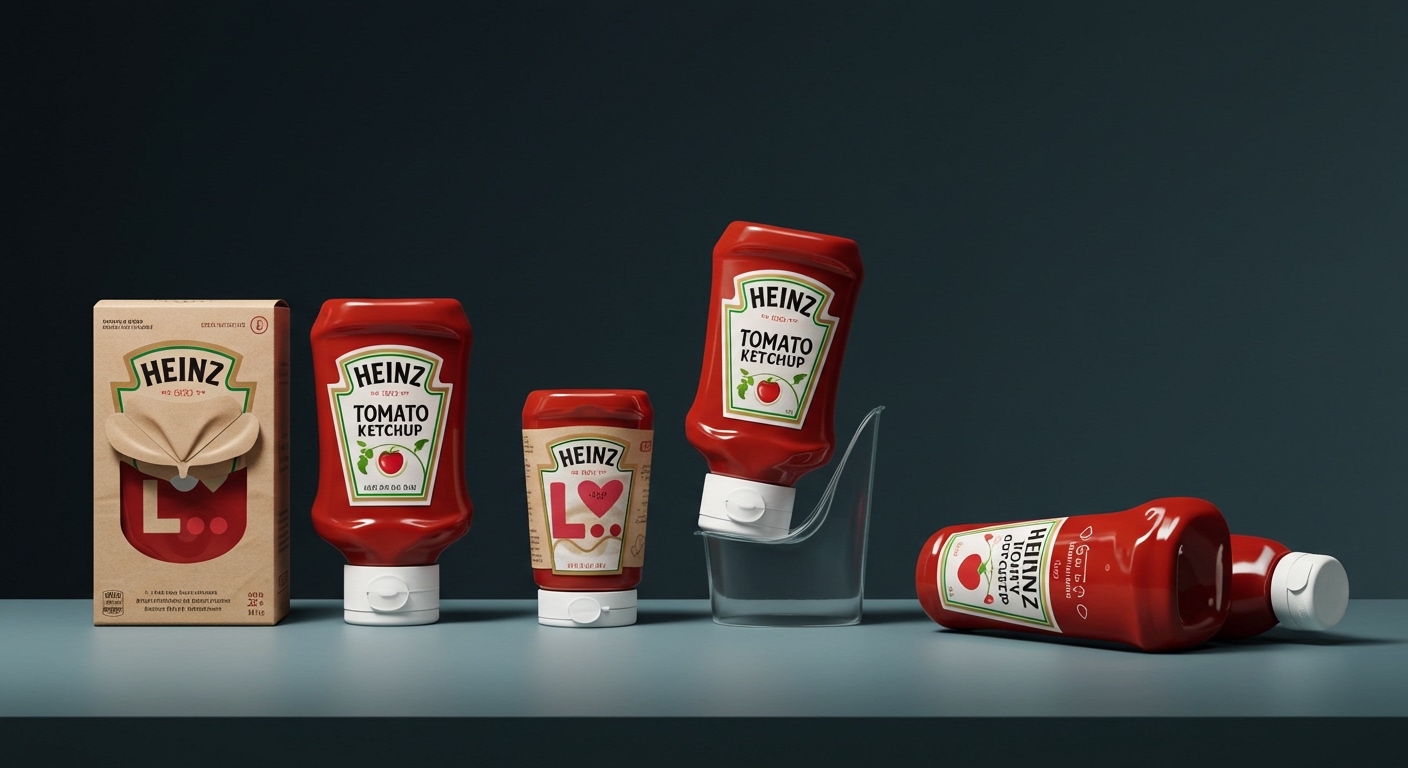
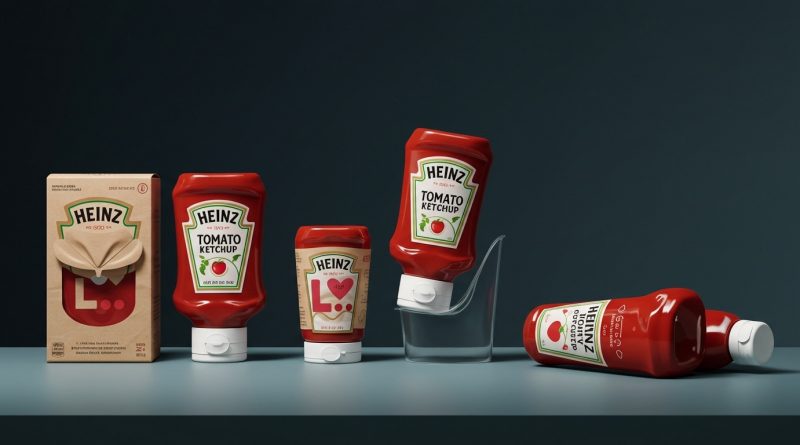
Heinz’s limited-edition Love Lid, offering three flow settings for ketchup, exemplifies a broader shift in packaging.
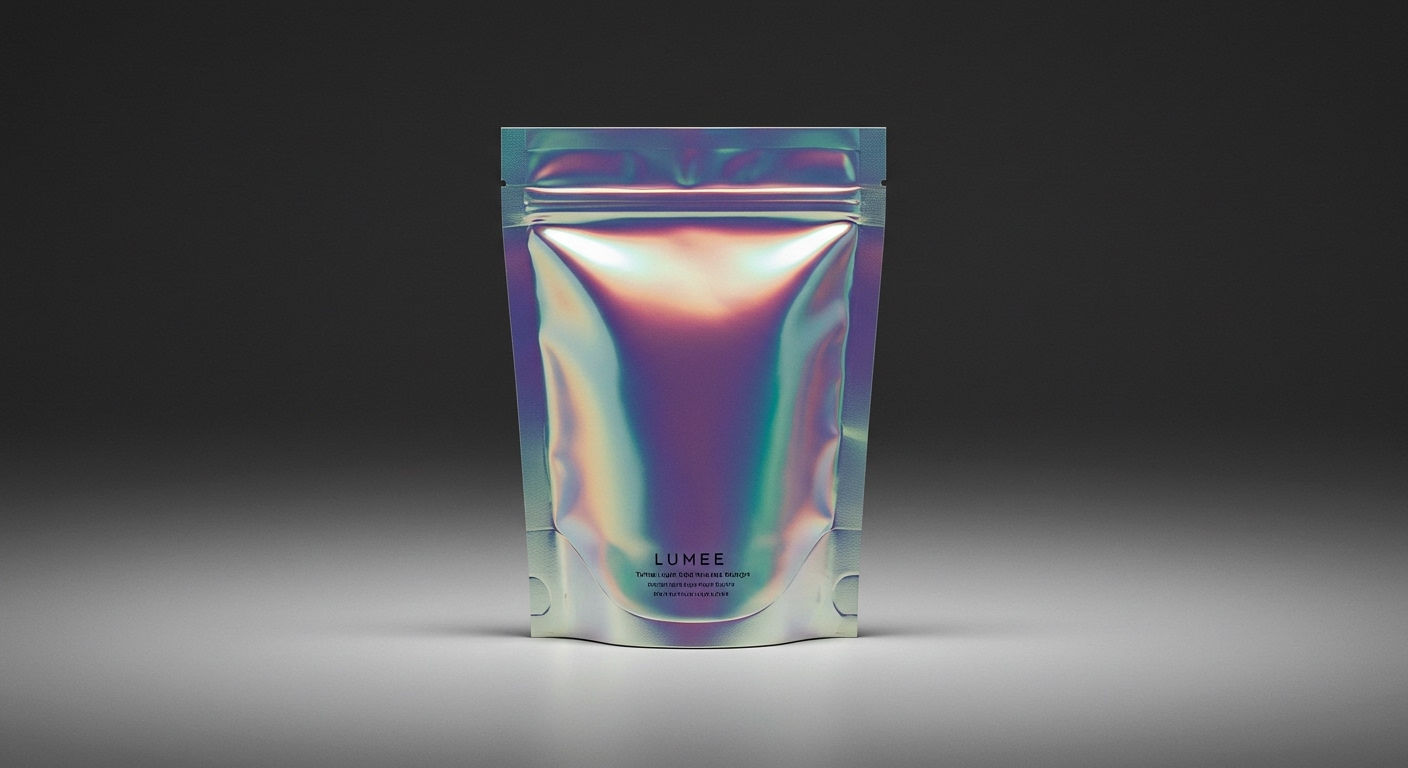
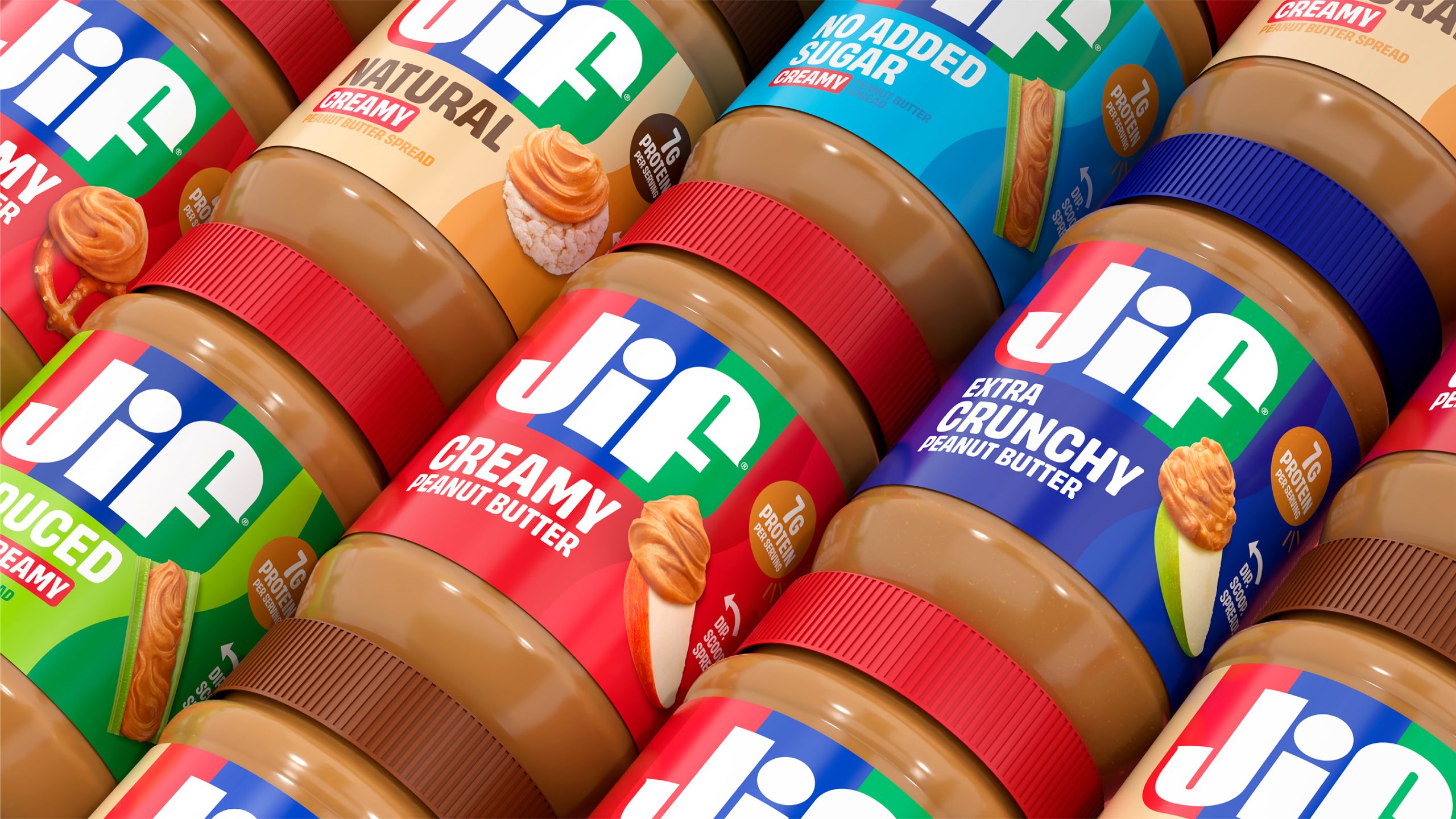
This direct user control, allowing consumers to “dial in the perfect pour,” reflects a distinct pattern emerging across recent packaging innovations. These developments move past passive brand representation, instead inviting active engagement from the consumer or the environment itself. From Lumee’s holographic pouch, which shifts color with light, to Loose Goose’s character expressions that change with flavor, packaging is increasingly designed to be dynamic rather than static. Charlotte Beach’s observation of oyster-inspired typeforms further hints at a desire for visual texture and depth that demands a closer, more tactile look. Even Jif’s redesign, after 30 years, aims to broaden the perception of peanut butter’s culinary versatility, hinting at diverse user interaction.
Consider the Heinz Love Lid more deeply. Its appeal lies in customized interaction, giving the user unprecedented control over the product dispensing. This aligns with a popular narrative that positions consumer choice and personalized experience as peak innovation. However, this approach often overlooks fundamental sustainability challenges. Mainstream packaging discourse frequently champions “user delight” through added functionality without rigorously assessing the material implications. Adding a multi-component cap, with its intricate mechanisms and varied plastic types, often complicates recycling streams and increases overall material consumption. The design priority shifts from material reduction and recyclability to enhanced functionality, which can inadvertently push sustainability into a secondary consideration. This prioritization contradicts the essential mandate for circular economy principles in packaging.
The focus on complex, multi-functional packaging, while delivering specific experiences, risks creating more waste. The industry’s current trajectory, celebrating additions like the Love Lid, often misses the opportunity to achieve a deeper, more profound form of tactile branding rooted in material authenticity and simplicity. Packaging professionals should note that by mid-2027, consumer and regulatory pressure will intensify, demanding verifiable progress on material circularity. This will compel brands to re-evaluate the environmental cost of every additional component. By late 2028, the market will likely see a significant preference for elegantly simple, mono-material solutions that convey premium value through tactile finishes and structural innovation, rather than mechanical complexity.
The primary opposing force to this shift is the entrenched marketing and sales strategy that relies on perceived “innovation” and feature-rich design to differentiate products on crowded shelves. Brand managers, under pressure for immediate sales uplift, often gravitate towards tangible new features, even if these features complicate the product’s environmental footprint. Furthermore, existing manufacturing infrastructure, designed for multi-material assemblies, can resist changes towards simpler, more integrated designs, viewing such moves as costly retooling rather than strategic investment.
A working packaging professional should this week initiate a comprehensive lifecycle assessment for any new multi-component packaging design. This assessment must specifically quantify the recycling challenges and material separation difficulties introduced by additional parts, contrasting them against the perceived consumer benefit. Designers should actively explore how to deliver tactile branding and enhanced user experience through material innovation and structural form rather than through additional plastic components or complex mechanical assemblies.
TL;DR
Packaging innovation must reconcile consumer interaction with verifiable material sustainability.
Curated References



About this editorial — This piece was developed using AI-assisted research and curation across multiple industry sources. All analysis, opinions, and predictions represent the editorial perspective of JHDD. Sources are linked in the references section above.