
JHDD Branding Report — 2026.08.13

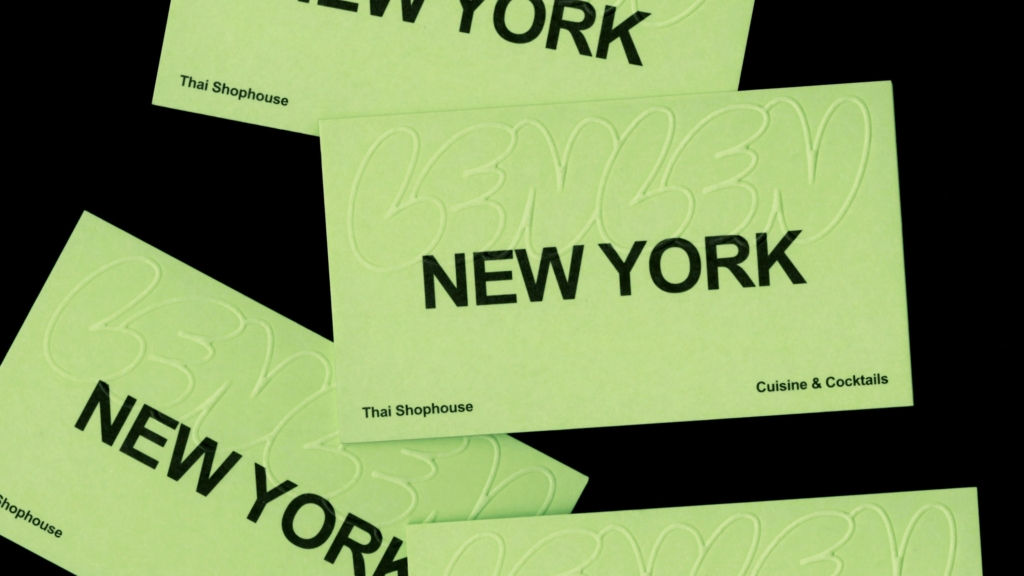
Pentagram New York’s identity for LenLen achieved a genuinely effortless visual system.
Across these examples, there is a recurring strategic pivot away from the conventional demand for disruptive reinvention. Instead, studios are demonstrating that profound brand equity is often built not through radical transformation, but through a nuanced act of distillation and authentic cultural alignment. This approach validates existing brand truths or subcultural codes, rather than imposing external aesthetics. It acknowledges that a brand’s most potent signals often reside in its inherent character or established legacy.

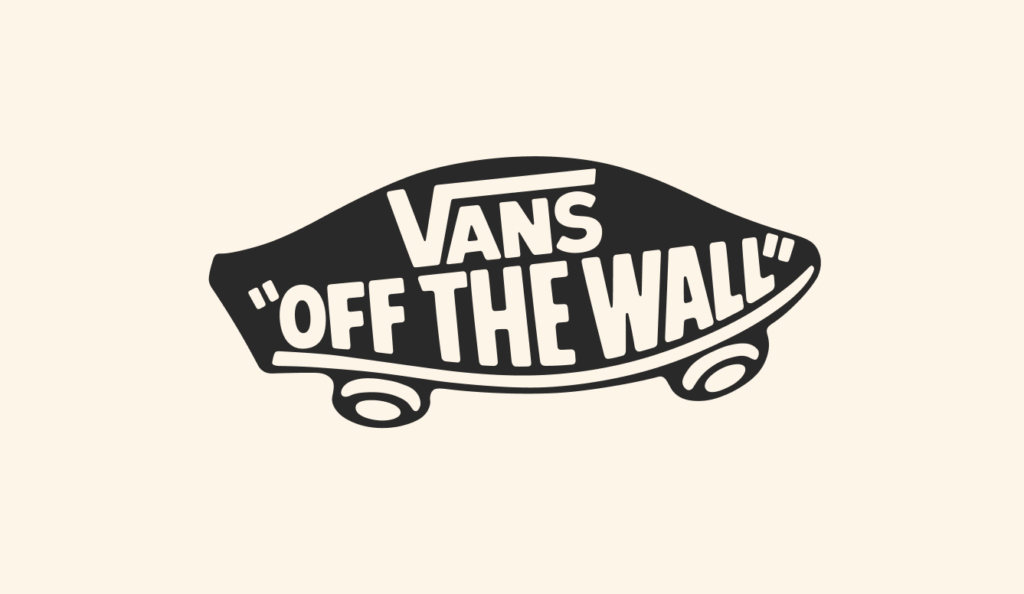
The common industry impulse often suggests that brands must constantly reinvent themselves to stay relevant. This perspective is misguided. Accept & Proceed’s approach to Vans powerfully illustrates the value of understanding existing brand equity. Rather than a reinvention, their update recognized that Vans’ appeal lies precisely in its worn, authentic, and unpretentious character, as detailed by the article’s personal account of well-loved plimsolls. To have aggressively redesigned Vans would have undermined decades of cultural signaling rooted in skate and street culture authenticity. The mainstream view that newness always equates to progress overlooks the substantial, often invisible, brand equity accrued through consistent, unforced presence. This deep-seated authenticity is a far more powerful and sustainable asset than any fleeting trend.
This is not simply about subtle tweaks; it is a profound repositioning of what constitutes effective brand strategy. All Purpose’s lurid new identity for Ancestrel, the natural wine importer, also exemplifies this by explicitly ditching traditional wine clichés and embracing the raw, distinct visual language of its niche. The agency chose to align Ancestrel’s visual identity system with the cultural signals of the natural wine movement itself, which is inherently anti-establishment and value-driven. This strategic alignment cultivates a loyal audience by signaling a shared ethos, a much stronger market positioning than purely stylistic differentiation. By mid-2027, more established brands, observing the long-term cultural resonance of such strategies, will begin demanding identity work focused on amplifying their intrinsic, often unpolished, authenticity rather than purely pursuing market differentiation through superficial novelty. They will seek design that reveals, not reinvents.
This strategic shift faces resistance from clients and agencies that still prioritize a reactive pursuit of market trends or quarterly performance metrics over enduring brand equity. The ingrained agency model, often incentivized by the scale of a full rebrand, can also inadvertently discourage approaches that prioritize subtle evolution or the deep excavation of existing cultural value. Marketers focused on campaign-driven novelty rather than the patient cultivation of brand meaning will also challenge this perspective, as it requires a longer-term vision not always compatible with short-term financial pressures.
Working branding professionals should dedicate more time to ethnographic research and cultural anthropology, moving beyond traditional market segmentation studies. Investigate the latent meanings, subcultural codes, and authentic user behaviors associated with a brand, even if those elements appear messy or “unpolished.” This week, review a current brief and identify where the strategic ask could be reframed from “how do we make this new and different?” to “how do we make this more authentically itself?” This shift in framing can unlock deeper, more resonant visual identity systems.
TL;DR
Effective brand strategy increasingly involves distilling existing cultural authenticity rather than pursuing disruptive reinvention.
Curated References


About this editorial — This piece was developed using AI-assisted research and curation across multiple industry sources. All analysis, opinions, and predictions represent the editorial perspective of JHDD. Sources are linked in the references section above.