JHDD Packaging Report — 2026.08.10
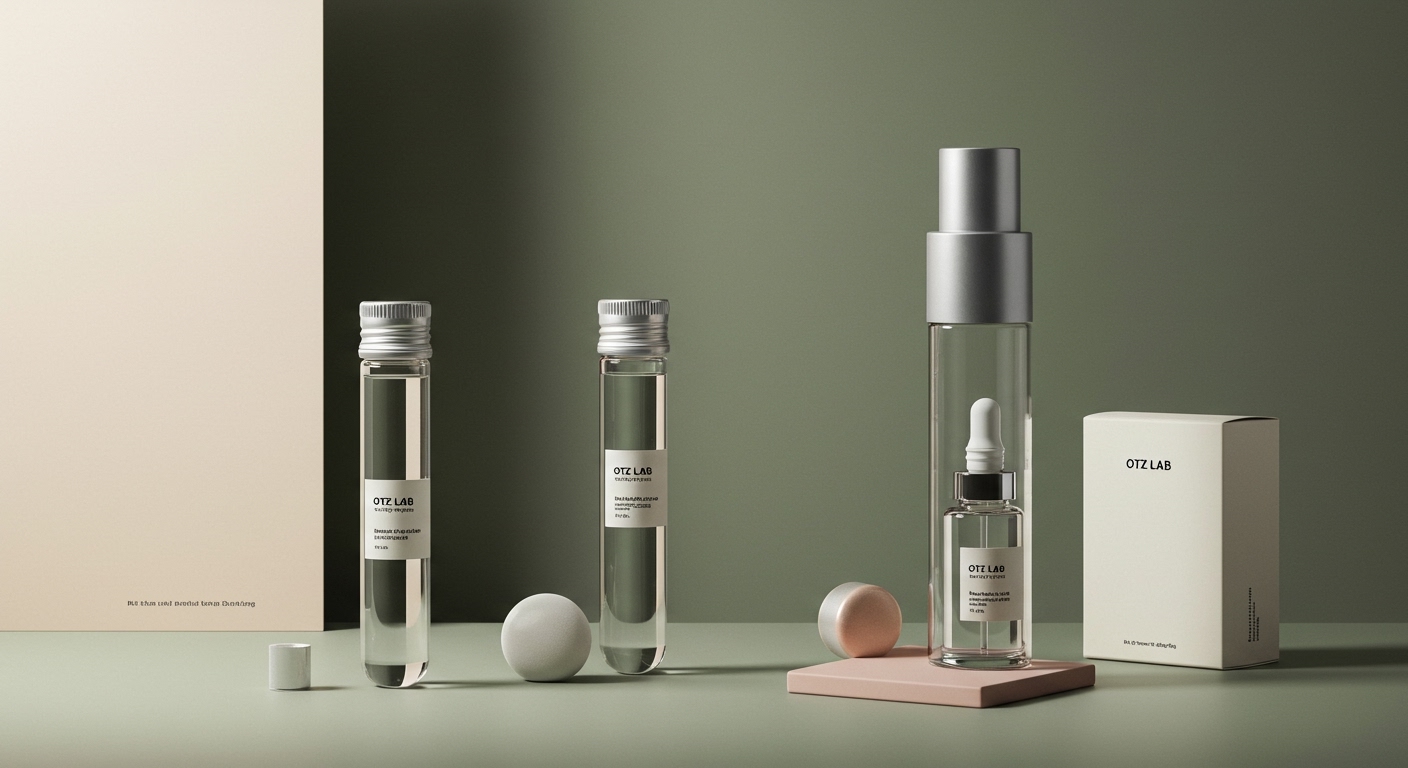
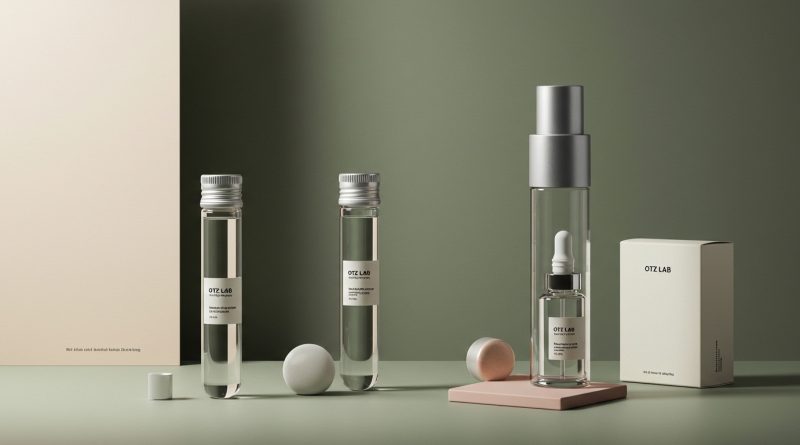
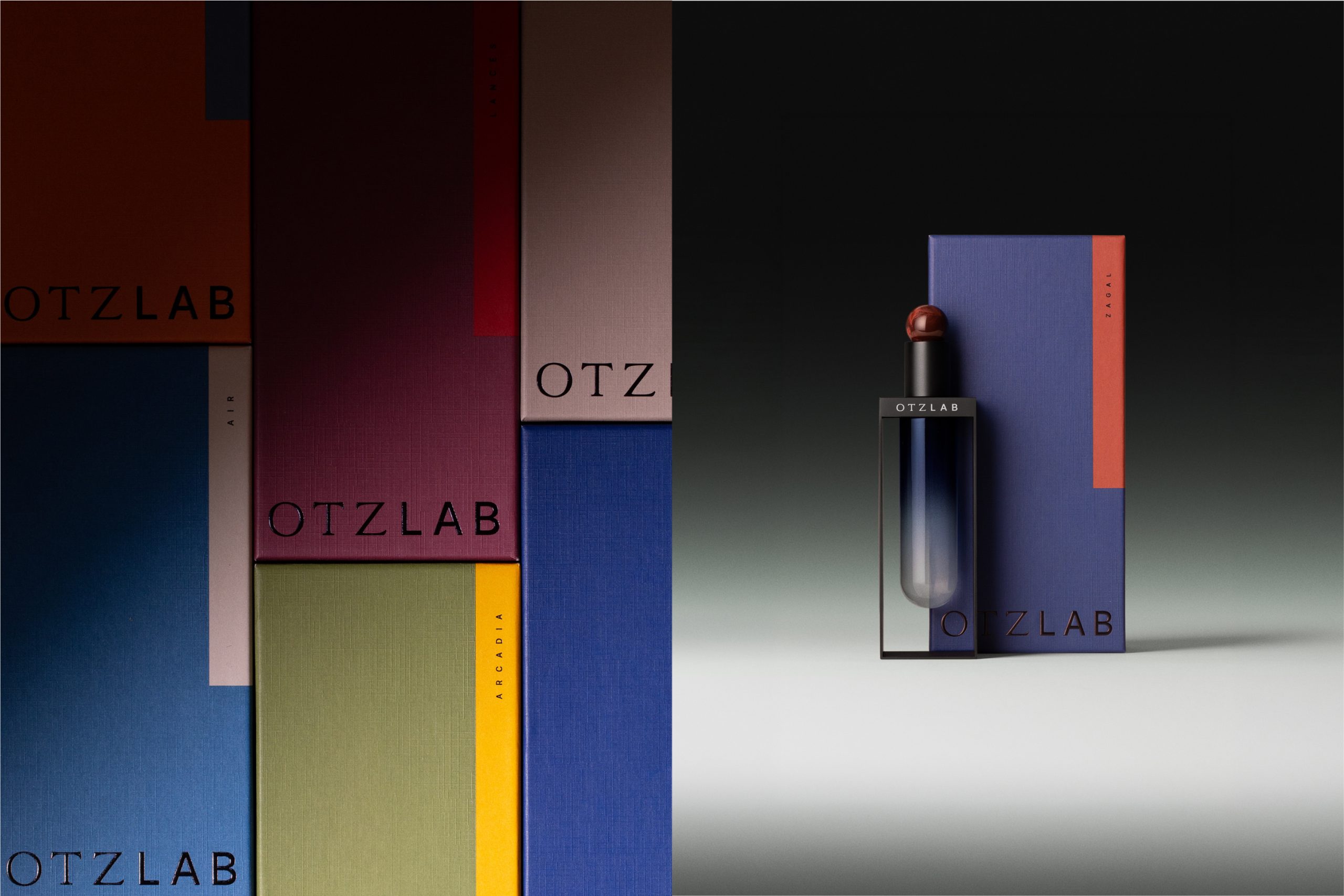
OTZ LAB’s fragrance packaging rejects conventional luxury cues, opting instead for test tubes and matte steel, translating brand identity into a distinct material narrative.
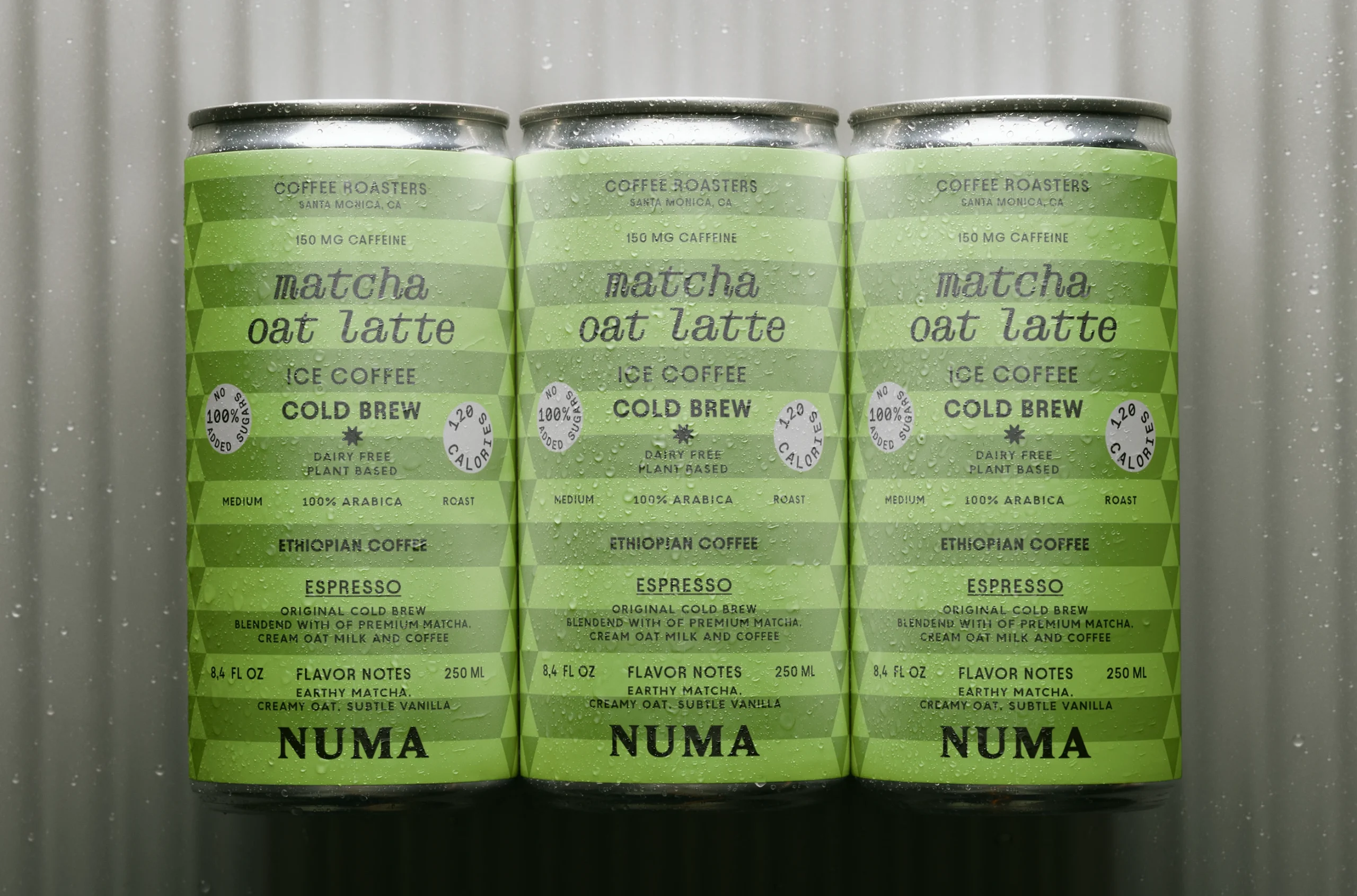
This choice, alongside YOKO’s skateboard-inspired matcha tins and Numa’s color-banded cold brew, points to a deliberate industry shift. Packaging is moving away from category-standard aesthetics and expected material expressions. Instead, brands are strategically deploying unexpected visual language, tactile experiences, and material palettes to forge immediate, distinct identities. This is a purposeful move to redefine what a product “should” look like on a shelf or feel like in hand, demonstrating a calculated rebellion against the visual homogeneity that has pervaded many consumer goods categories.
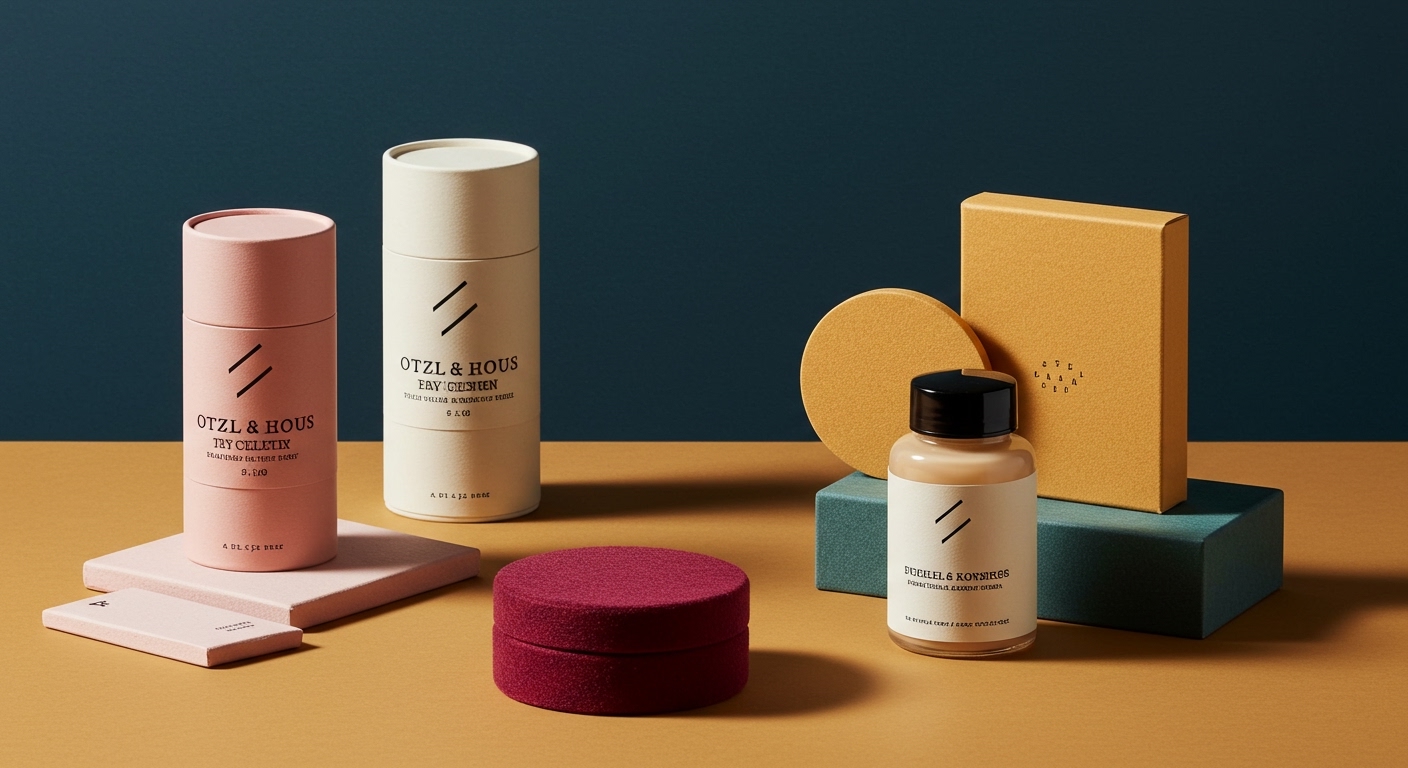
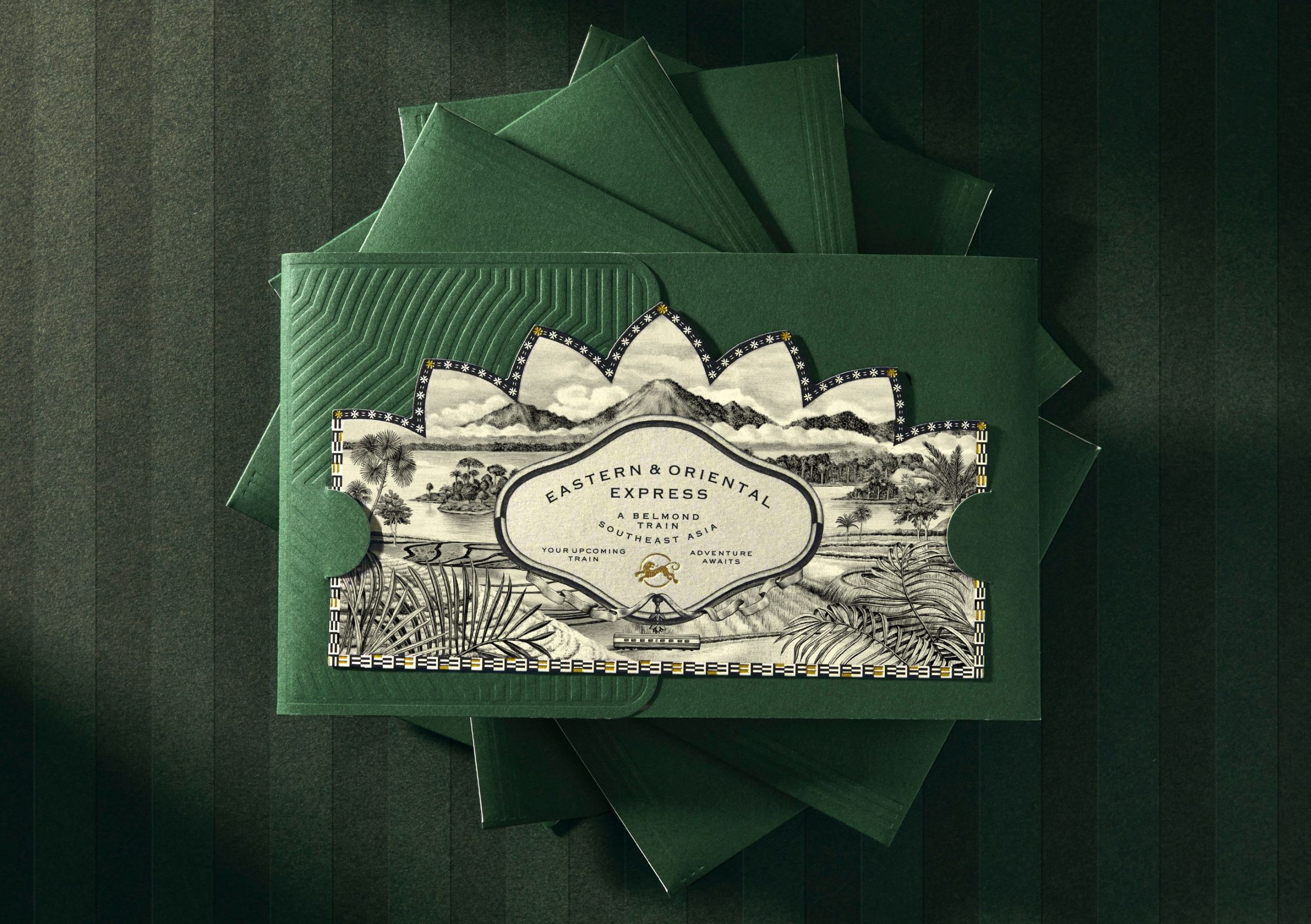
Many industry dialogues prioritize scalable digital assets and frictionless online experiences, often relegating physical packaging to a mere logistical necessity. However, studios like Violaine et Jérémy, known for their artisanal materiality and hyper-detailed illustration, challenge this perception. Their work demonstrates that tangible, deeply crafted packaging can serve as a powerful differentiator, establishing brand depth that screen-based interactions struggle to replicate. The mainstream view often assumes that consumers seek convenience and speed above all else, leading to a de-emphasis on the physical object itself. This perspective overlooks a growing consumer desire for authenticity, narrative, and connection through sensory engagement, which meticulously designed packaging can uniquely fulfill. It also ignores the inherent value of an object that provides a moment of pause and tangible delight, an experience often lost in the purely digital transaction.
The true value of packaging is increasingly less about conveying information efficiently and more about provoking an emotional or experiential response, fostering a memory that extends beyond the point of purchase. This is particularly evident in the “unboxing” phenomenon, where physical interaction becomes a performative act, shared and discussed. As digital channels become further saturated and visual noise escalates, brands are recognizing the physical packaging itself as a critical, non-replicable brand asset – a tangible touchpoint that grounds the brand in reality. This investment in physical distinctiveness counters the prevailing wisdom of simplifying packaging for e-commerce, instead arguing for its enhanced strategic role. By mid-2027, the industry will see a measurable uptick in budget allocation towards bespoke material sourcing, specialized finishing techniques, and advanced structural design for premium and even mid-tier packaging, driven by a desire to capture this specific, high-engagement physical interaction and forge deeper consumer loyalty.
This deliberate pursuit of material distinctiveness and tactile branding faces significant resistance from established supply chain infrastructures and procurement models. The reliance on generic substrate options, rigid cost-per-unit pressures, and the push for standardized global production often stifle the adoption of specialized materials or intricate finishing techniques that elevate packaging beyond the ordinary. Furthermore, brands entrenched in legacy visual identity systems and risk-averse marketing departments find it challenging to break from years of consumer conditioning around expected category cues, hindering bolder design explorations. The perceived efficiency of conformity frequently overrides the strategic value of differentiation, particularly for brands operating at scale within competitive CPG environments.
A working packaging professional should immediately integrate physical material swatching and structural mock-up reviews at the earliest possible stages of design development, even before finalizing 2D graphic layouts. This means moving beyond purely digital renders and initial die-lines to hands-on evaluation of proposed substrates, printing techniques, and tactile finishes. The objective is to assess how these physical elements perform together to create a distinctive shelf presence and an engaging, memorable unboxing experience that cannot be fully appreciated on a screen. Prioritizing this tangible exploration early on allows for iterative refinement and ensures that the final product truly embodies the intended brand tactility and visual impact.
TL;DR
Packaging is evolving into a critical physical brand touchpoint, distinct from digital interactions.
Curated References

About this editorial — This piece was developed using AI-assisted research and curation across multiple industry sources. All analysis, opinions, and predictions represent the editorial perspective of JHDD. Sources are linked in the references section above.