JHDD Packaging Report — 2026.07.30
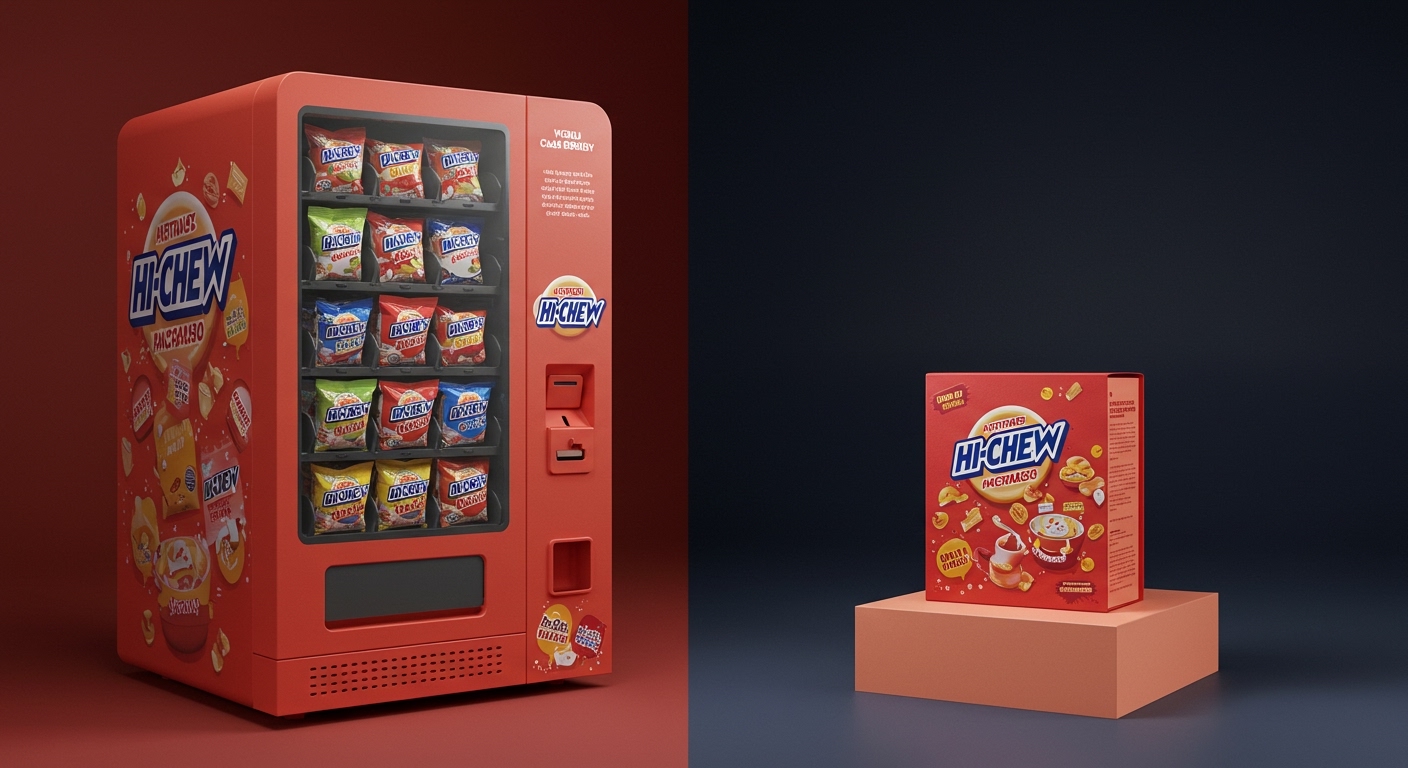
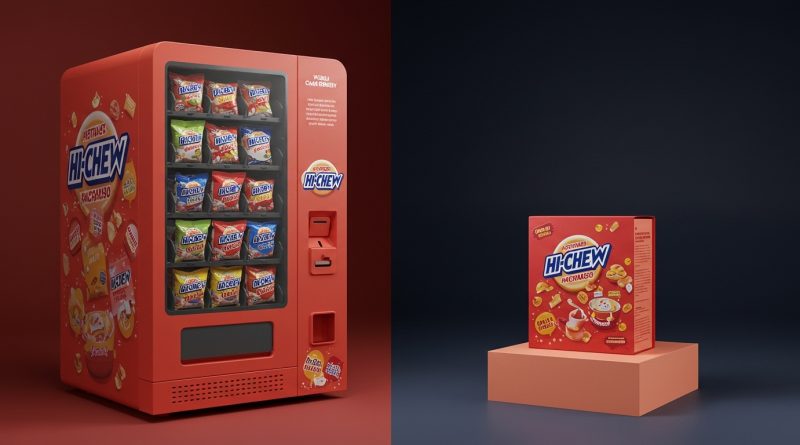
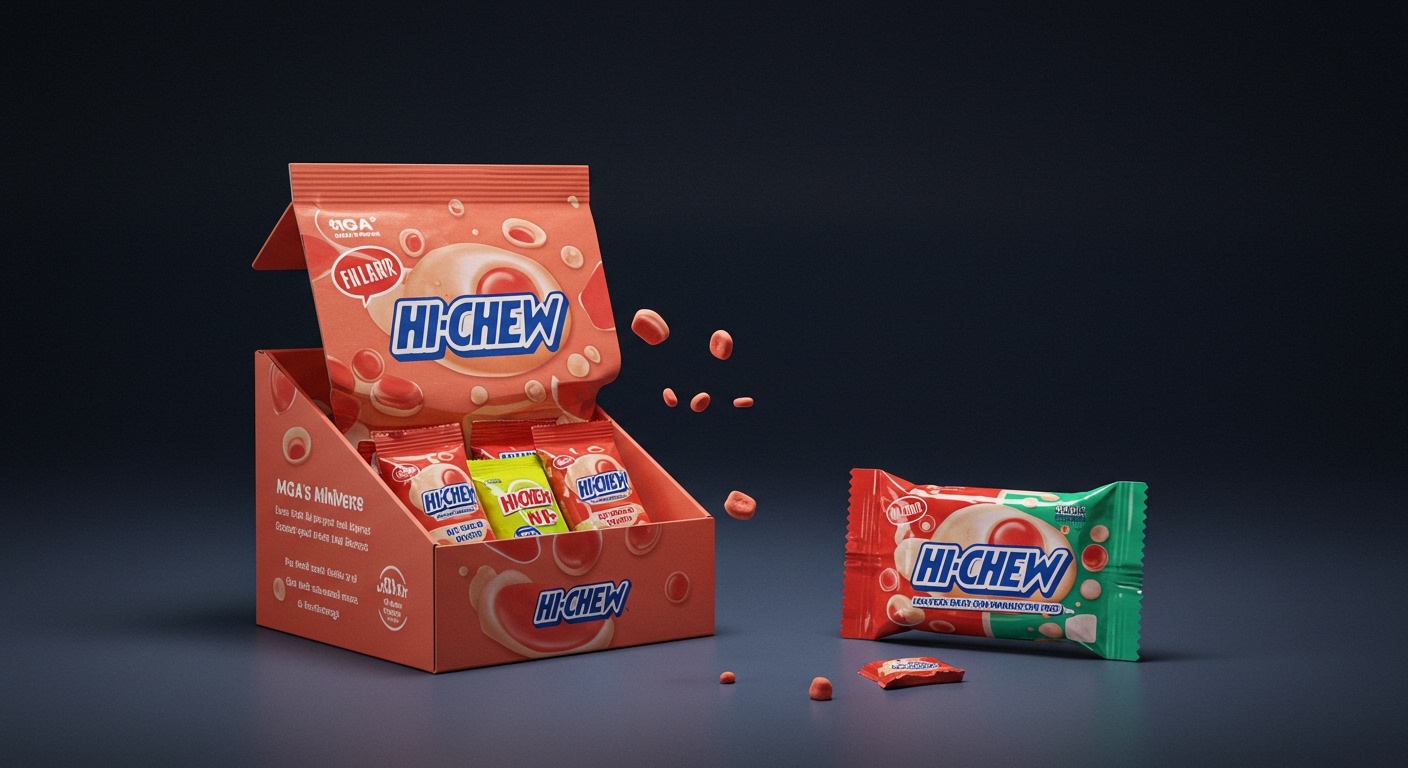
The functional mini vending machine for Hi-Chew’s miniature candy bags suggests packaging is evolving beyond mere containment into interactive play.
This trend extends across categories, illustrating a quiet but powerful shift: packaging is no longer solely a protective vessel or a billboard. It is becoming an integral part of the product’s intrinsic value, designed for prolonged engagement and emotional resonance. Brands are leveraging tactile elements, distinctive visual narratives, and unboxing experiences to create memorable micro-moments that extend the interaction past the point of sale.
Robertson & Co.’s design for Muracha’s matcha tin exemplifies this evolution by creating a homeware-inspired object rich in tactile details. This approach elevates the daily ritual of preparing matcha into an intentional moment of calm, positioning the tin itself as a cherished item rather than a disposable container. This directly contradicts the mainstream industry’s conventional focus on packaging as a temporary, cost-efficient commodity primarily for transport and initial shelf recognition. Many brands prioritize rapid visual standout and minimal material expenditure, often overlooking how the physical interaction with a package can build enduring emotional connection. Muracha, by contrast, demonstrates that investing in durable, aesthetically pleasing, and tactilely engaging packaging fosters a deeper, more personal brand relationship, extending the product’s perceived value beyond its consumable contents.
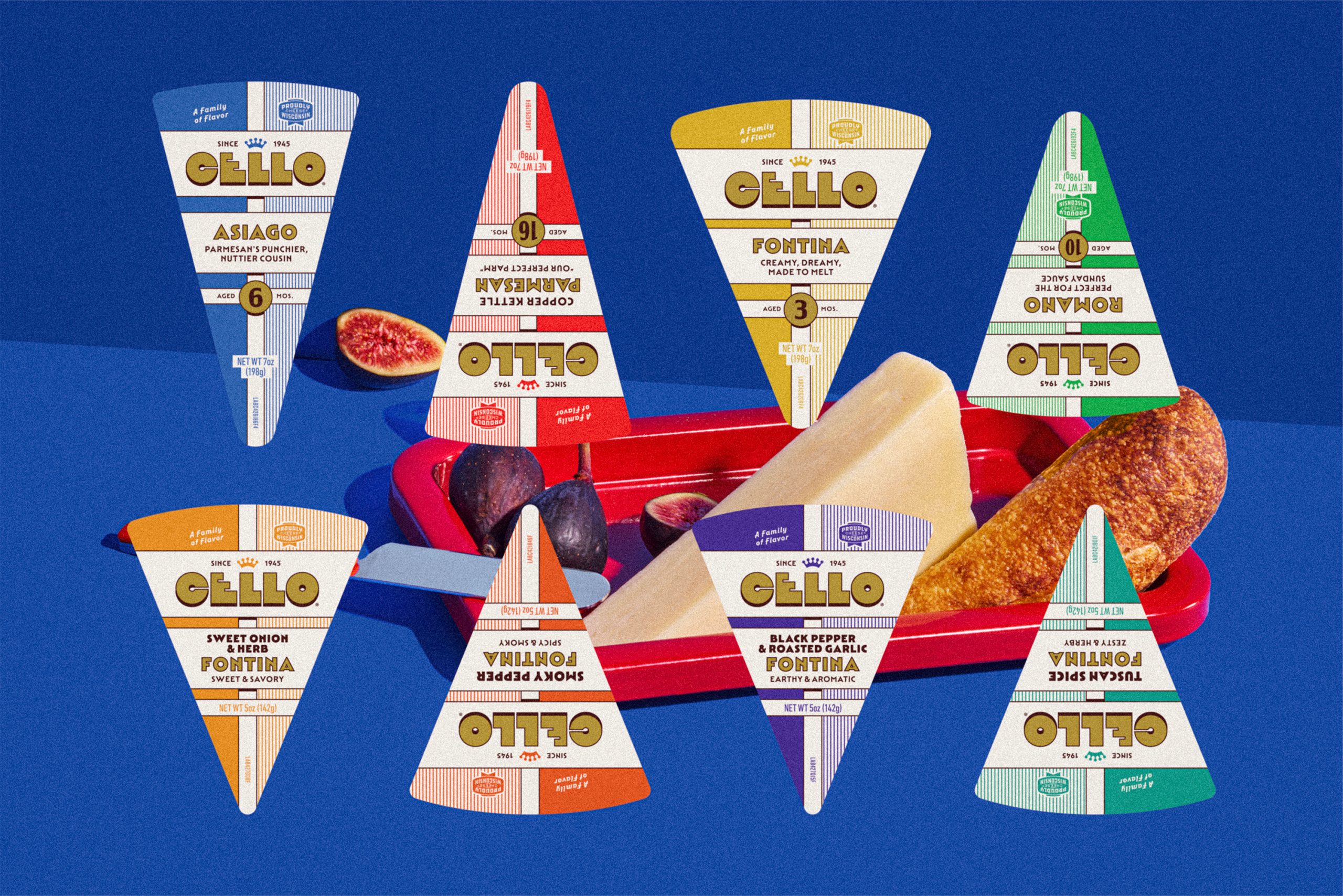
This deeper connection translates into brand loyalty that extends well beyond the product inside. While Cello’s rebrand by Young Jerks achieved significant shelf impact with its distinct hues, thick pinstripes, and gold crown mark, emphasizing immediate visual appeal, the Muracha example points to a broader strategy for impact beyond the grocery aisle. Packaging designed for longevity or a secondary purpose—whether as a collectible like Hi-Chew’s functional mini vending machine or a reusable object—generates enduring brand touchpoints within a consumer’s daily life. This elevates the sustainable aspect beyond mere recyclability, focusing instead on extending the package’s active lifecycle through inherent desirability and utility. By mid-2027, the industry will observe a noticeable increase in premium CPG brands investing in packaging designed for secondary life cycles, not merely recycling, directly influencing material choices for durability, aesthetic longevity, and tactile richness.
The primary resistance to this shift towards experiential and enduring packaging originates from entrenched large-scale manufacturing processes and procurement departments. These entities often prioritize unit cost minimization and supply chain efficiency above all else. The complexities of adapting supply chains for specialized materials, intricate tactile finishes, or designs intended for multi-purpose reuse are frequently perceived as financially prohibitive or logistically challenging. Furthermore, a perceived lack of immediate, easily quantifiable return on investment for “experiential” packaging can deter investment from traditional marketing budgets that prioritize rapid sales metrics and short-term promotional effectiveness.
A packaging professional should this week conduct detailed sensory audits of current and proposed packaging designs. This involves systematically evaluating textures, weight, and auditory cues during unboxing simulations, focusing on how these non-visual elements contribute to the overall brand narrative and consumer experience. Such an audit moves beyond assessing only visual appeal or protective function, ensuring that the physical interaction with the package aligns with the brand’s desired emotional impact.
TL;DR
Packaging is evolving into an experience-driven brand asset, not just a product container.
Curated References


About this editorial — This piece was developed using AI-assisted research and curation across multiple industry sources. All analysis, opinions, and predictions represent the editorial perspective of JHDD. Sources are linked in the references section above.