JHDD Packaging Report — 2026.07.29
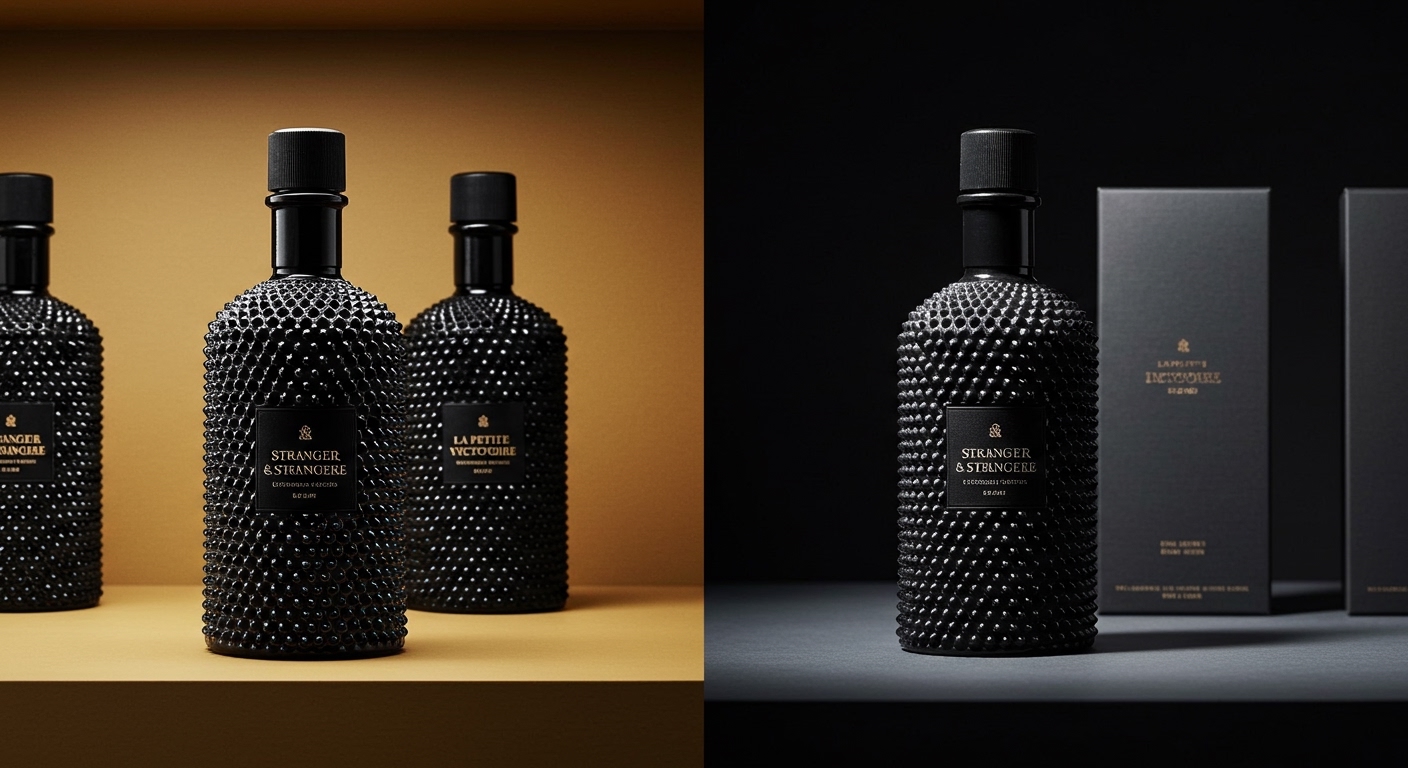
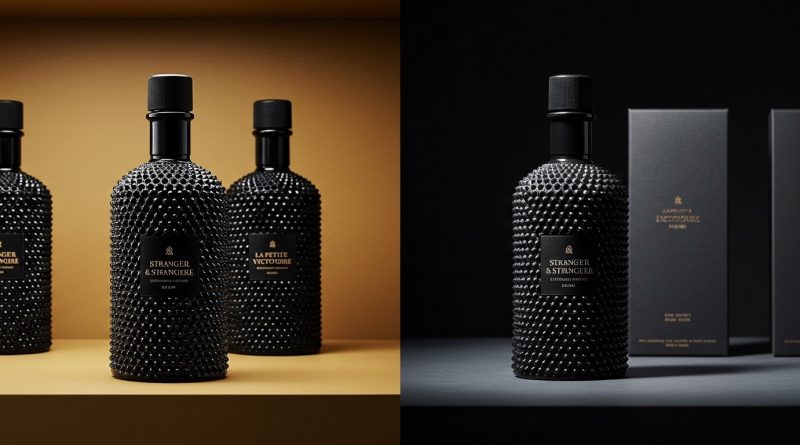
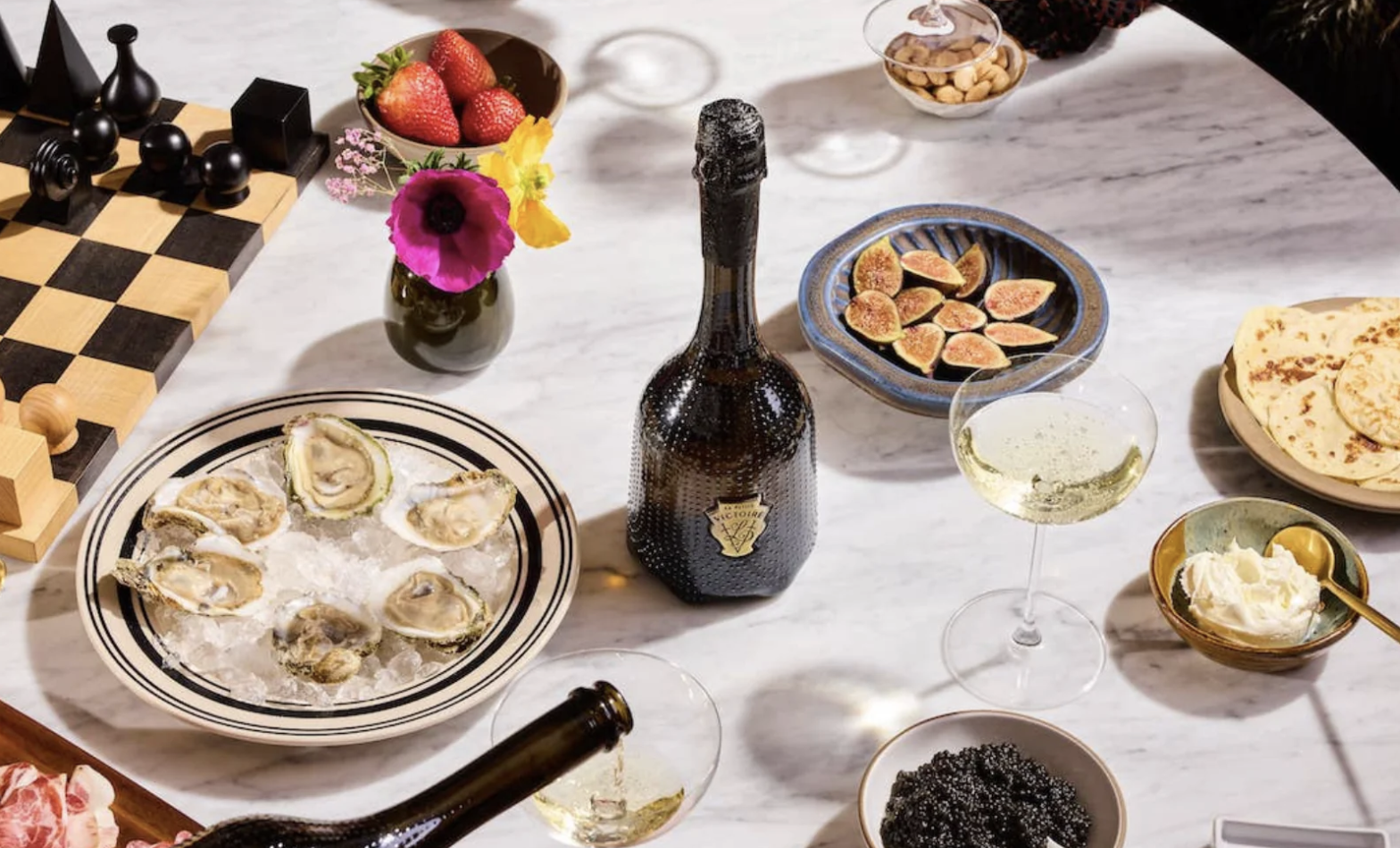
Stranger & Stranger’s design for La Petite Victoire features a bespoke, studded black glass bottle, pushing the boundaries of tactile branding in non-alcoholic luxury.
These recent packaging innovations signal a shift beyond merely sourcing sustainable materials or optimizing for shelf-ready visuals. Brands are increasingly designing for the entire product lifecycle, from initial touchpoint to final disposal, embedding sustainability within a compelling, interactive, and often surprising multisensory experience. This trend prioritizes user engagement and emotional connection, transforming functional objects and eco-conscious choices into memorable interactions, rather than presenting them as concessions.
The conventional wisdom often dictates that sustainable packaging must visually communicate its environmental credentials through earthy tones, recycled textures, or minimalist aesthetics. This approach, however, often limits creative expression and can inadvertently signal compromise. Stranger & Stranger’s work for La Petite Victoire directly challenges this by embracing dark luxury. The studded black glass bottle for a 0.0% sparkling wine demonstrates that sustainable options, in this case, a bottle designed for perceived longevity and premium feel, can evoke high sophistication and even medieval flair without relying on traditional “eco-friendly” visual cues. This design choice proves that a distinct tactile experience, built on perceived weight and unique surface texture, can elevate a brand and communicate value far more effectively than an overt sustainability declaration, even for products in emerging categories like non-alcoholic luxury.
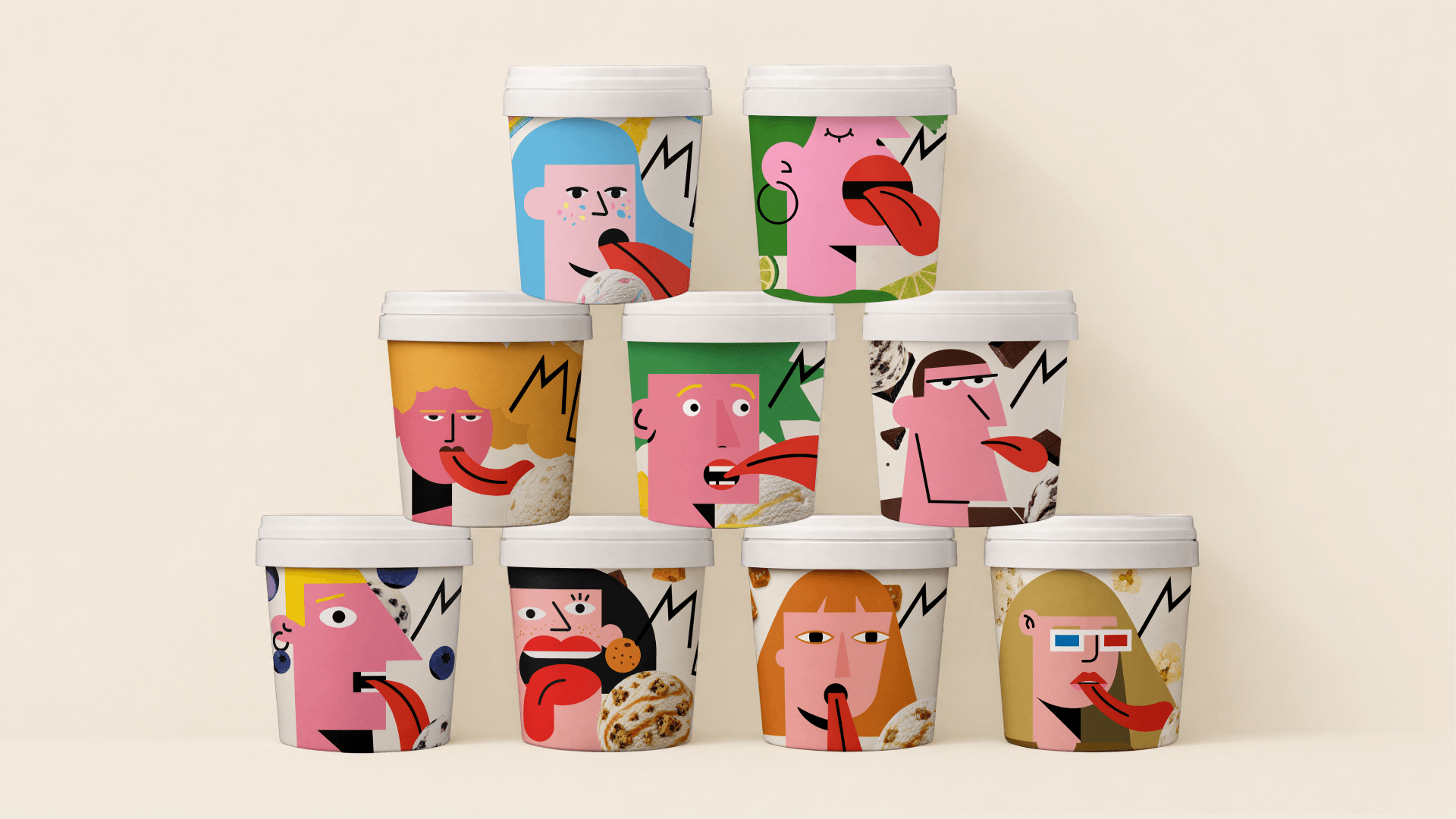
Similarly, Egor Aleksandrov’s design for MELT ice cream with its giant red tongue-shaped scoop integrated into the lid showcases a deliberate move towards active user engagement within the unboxing experience. This goes beyond passive aesthetic appeal, turning a mundane interaction into a playful moment. Mainstream packaging design frequently optimizes for initial visual impact and material cost, often overlooking the post-purchase interaction. However, this oversight will become increasingly costly for brands. By mid-2028, packaging that fails to integrate a distinct, interactive element, whether tactile, auditory, or even olfactory, into the primary user experience will struggle to compete for consumer loyalty against offerings that prioritize multisensory engagement and a memorable reveal.
The primary resistance to this integrated approach comes from established supply chain inertia and cost-driven procurement models. These systems often prioritize standardized material formats, high-speed automated lines, and low unit costs over investment in custom tooling for unique tactile features or innovative refillable systems, such as Suri’s airless pump and home-compostable cartridges. Brand managers, too, often default to proven visual templates, fearing that departure from established category norms might alienate consumers or complicate market entry.
A working packaging professional should this week initiate a cross-functional workshop, bringing together design, marketing, and supply chain teams. The goal should be to identify one current product where the unboxing experience, tactile branding, or post-purchase interaction is currently underserved. Focus on integrating a novel, material-appropriate sensory element that aligns with the brand’s core values, rather than just changing a substrate. This could involve exploring custom textures, unique opening mechanisms, or embedded interactive components, learning from the distinct approaches seen in products like MELT or La Petite Victoire.
TL;DR
Packaging must now integrate compelling, often tactile, user experiences directly with sustainable material choices to create lasting brand connection.
Curated References

About this editorial — This piece was developed using AI-assisted research and curation across multiple industry sources. All analysis, opinions, and predictions represent the editorial perspective of JHDD. Sources are linked in the references section above.