JHDD Packaging Report — 2026.07.08
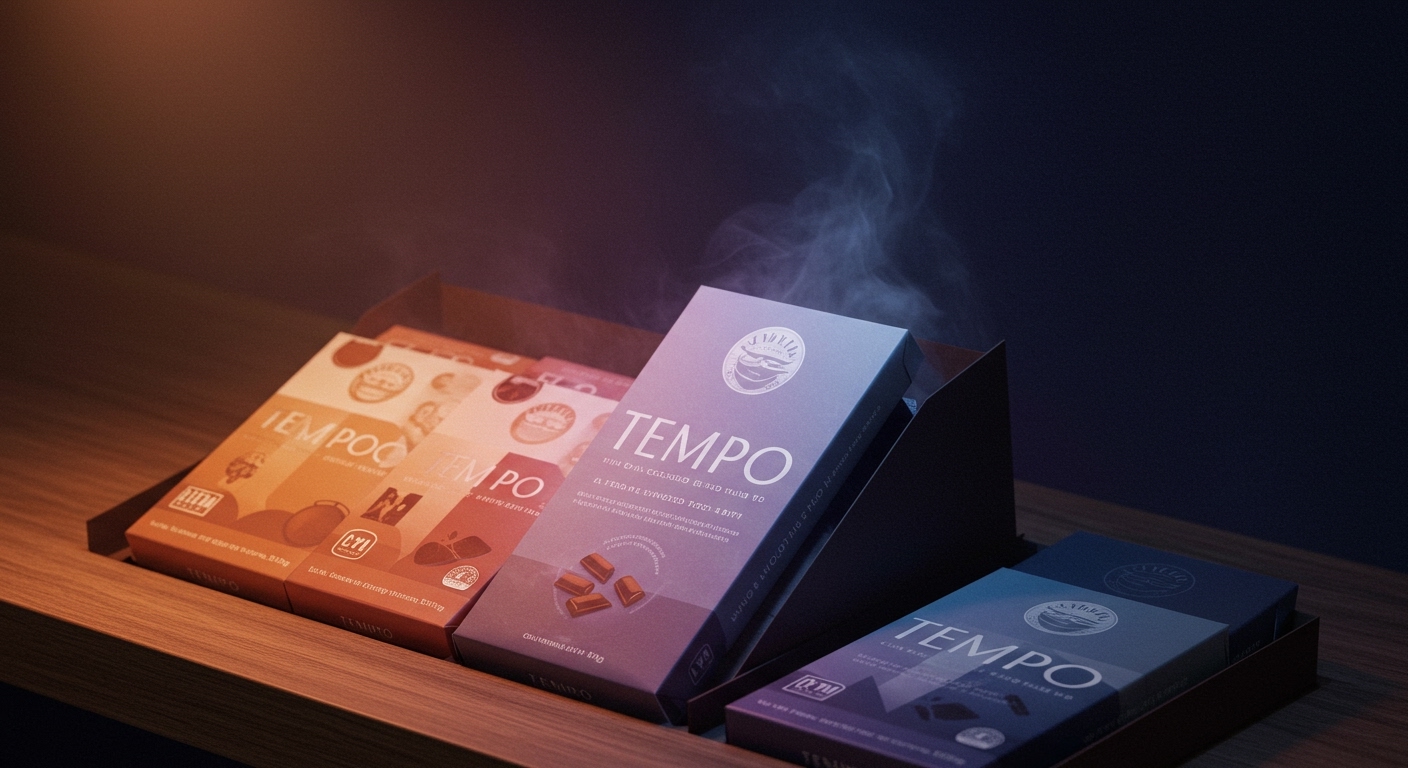
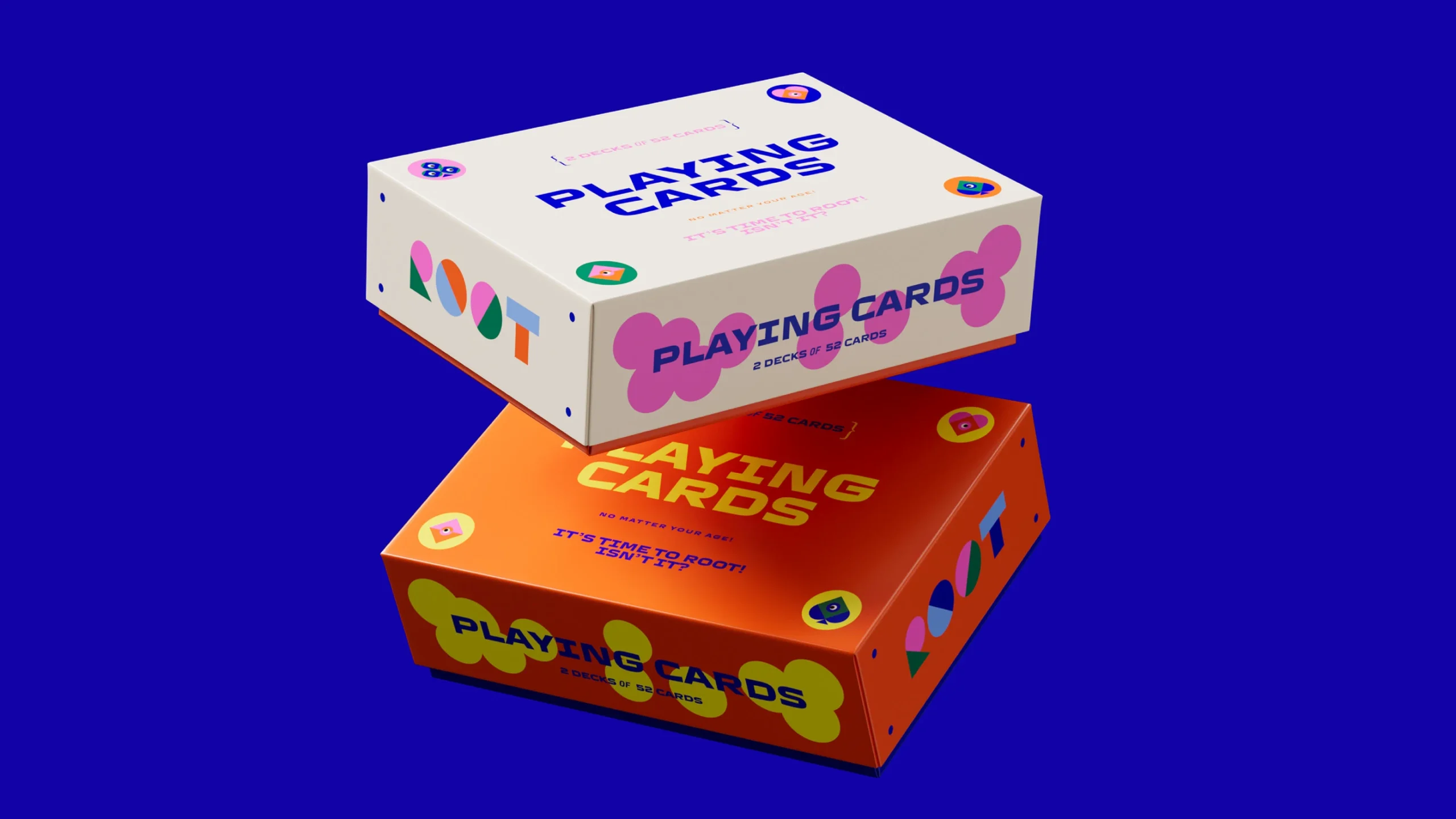
LYM Design Studio’s TEMPO chocolate bar assigns each product a specific time of day with a soft atmospheric gradient and embossed white paper. This detail-oriented approach to seemingly simple products reveals an industry-wide push towards elevating routine experiences through sensory and tactile design, aiming for objects meant for sustained appreciation rather than immediate discard. From Root Playing Cards by Studio These Days, designed to sit on a design lover’s shelf, to Swinger’s country-club-ready aesthetic, packaging is increasingly integral to a product’s narrative and perceived value.
The embossed white paper and atmospheric gradients on TEMPO chocolate bars exemplify how brands use subtle tactile and visual cues to create an unboxing experience that extends beyond mere product access. Mainstream views often champion elaborate multi-material constructions for a “premium” feel. TEMPO demonstrates that sophisticated tactile branding can emerge from thoughtful surface textures and color interplay on a singular, well-chosen material. The tactile sensation of the embossed paper, combined with the visual storytelling of time, creates perceived value without relying on excessive material use. The future of premium packaging, within two years, will see a significant shift towards designers being commissioned to create products with inherent, long-term material value in their primary packaging, rather than relying on secondary or tertiary layers for perceived quality.
This emphasis on enduring design and tactile quality, while beneficial for reducing waste by encouraging keeping, often sidesteps the conversation around true material circularity. While design that encourages keeping an object can reduce waste, the actual material choices for premium finishes, like specific coatings or laminates that achieve a “soft touch” (as seen in Bath & Body Works’ Fruit Fusion collection), frequently present recycling challenges. A widespread industry belief holds that consumer willingness to pay for premium experiences outweighs ecological concerns, but this perspective misses a critical evolving consumer expectation. By early 2028, packaging professionals will face increased scrutiny from consumers and regulators regarding the circularity of all premium design elements, not just the base material.
The primary resistance to this shift comes from established manufacturing processes and supply chains. These systems are optimized for cost efficiency and speed, rather than for innovative, low-volume tactile finishes or truly novel mono-material solutions that preserve the desired sensory effect while ensuring widespread recyclability or composability.
Packaging professionals should integrate haptic prototyping into the initial concept phase. Test various mono-material textures and finishes alongside visual mockups, specifically seeking options that offer a unique sensory experience while being widely recyclable or compostable at scale.
TL;DR
Thoughtful tactile and sensory design elevates everyday products, challenging conventional notions of luxury and demanding greater material circularity.
Curated References




About this editorial — This piece was developed using AI-assisted research and curation across multiple industry sources. All analysis, opinions, and predictions represent the editorial perspective of JHDD. Sources are linked in the references section above.