JHDD Packaging Report — 2026.06.27
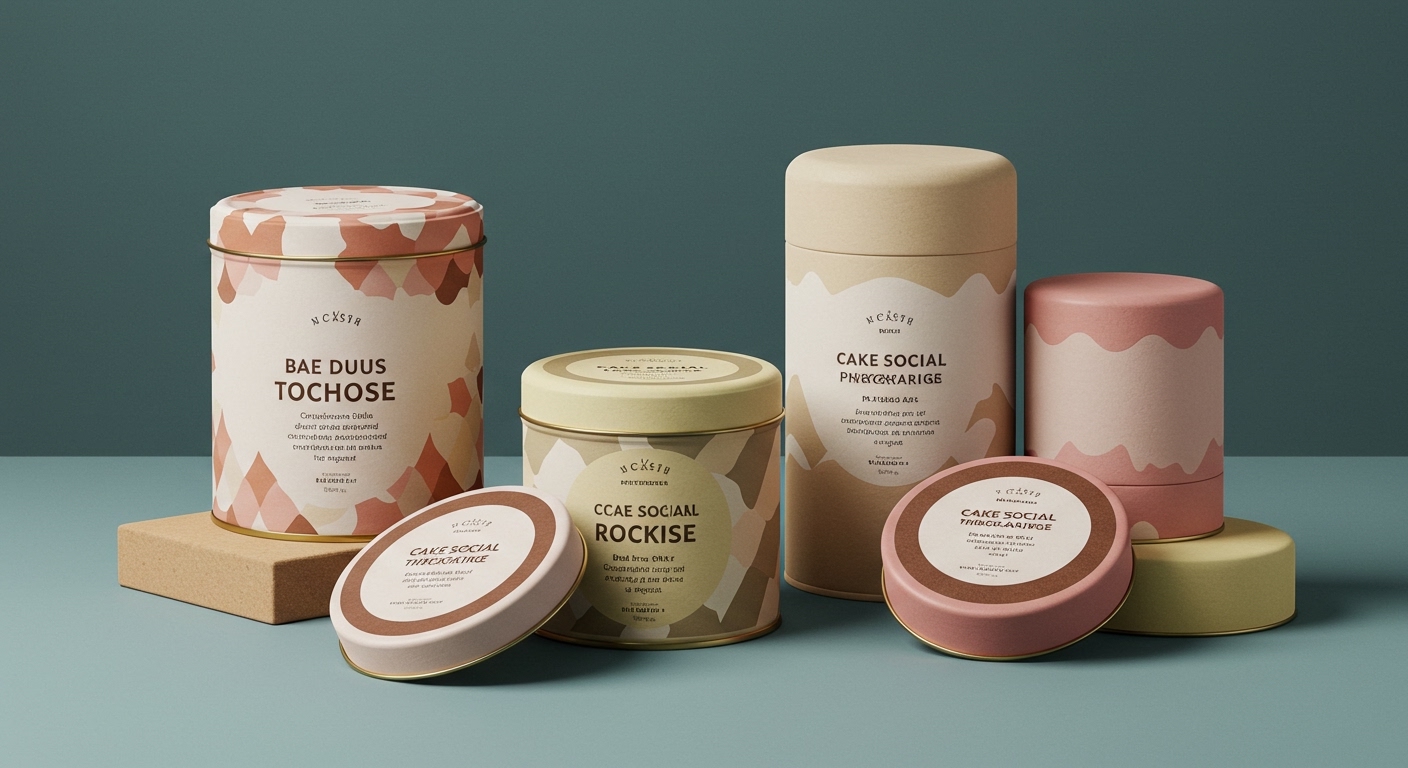
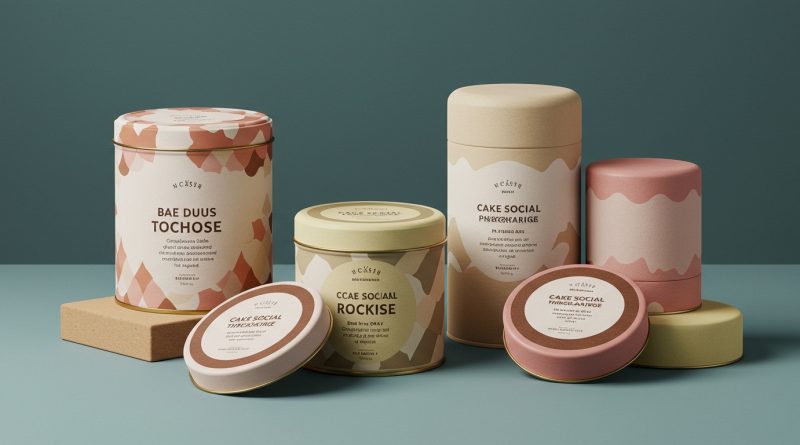
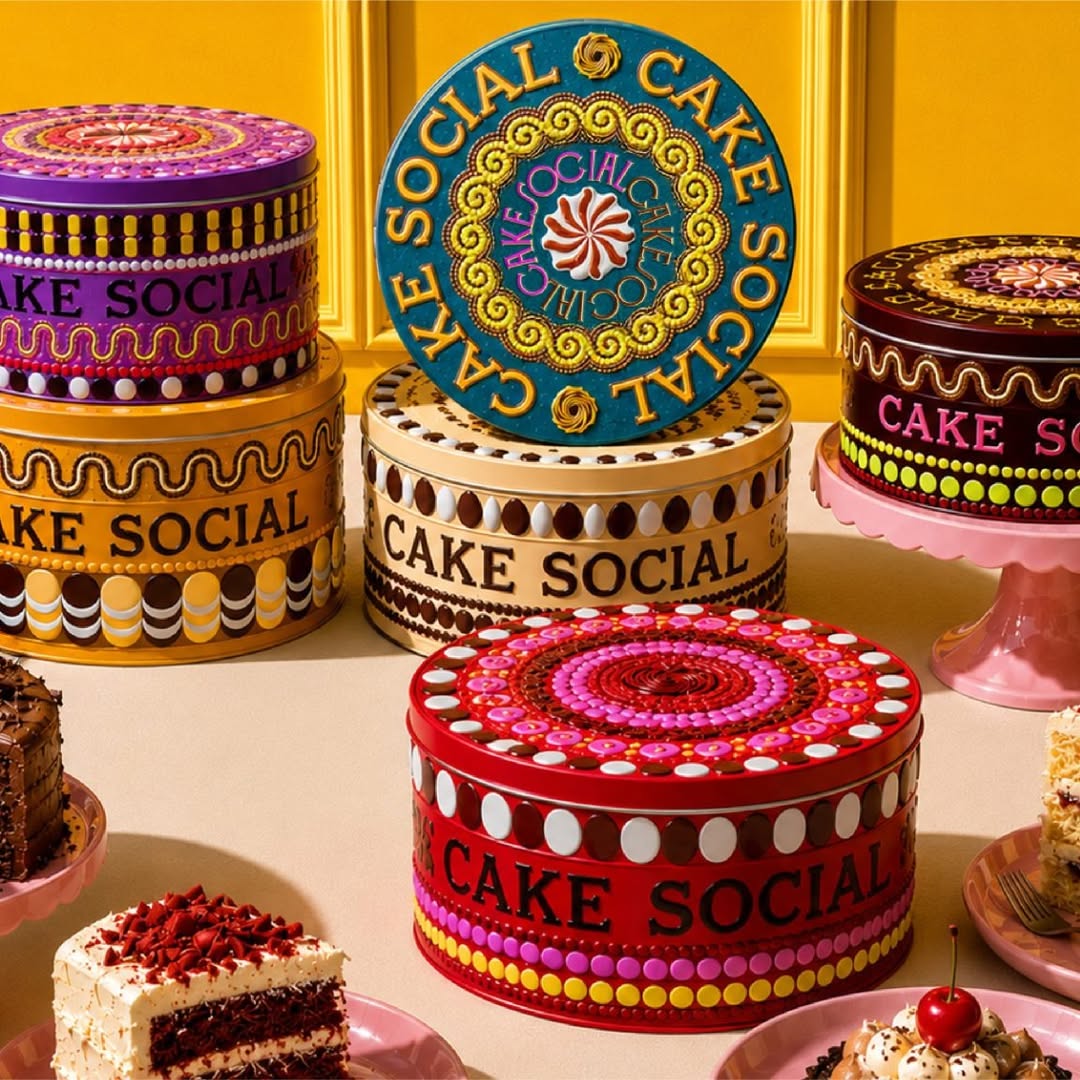
Cake Social’s collectible tins, designed to mimic the appearance of a decorated cake, illustrate a critical shift in how brands understand physical presence.
These recent developments collectively highlight a re-emphasis on the intrinsic value of physical packaging as a primary interaction point, moving beyond its role as a mere visual identifier or a transport vessel. The focus is increasingly on how packaging engages multiple senses and establishes a tangible connection with the product and its story, rather than just optimizing for a digital thumbnail or logistical efficiency. Brands are leveraging the tactile, structural, and experiential qualities of packaging to create memorable physical anchors for their products in real-world retail environments, thereby enhancing shelf impact and the unboxing experience.
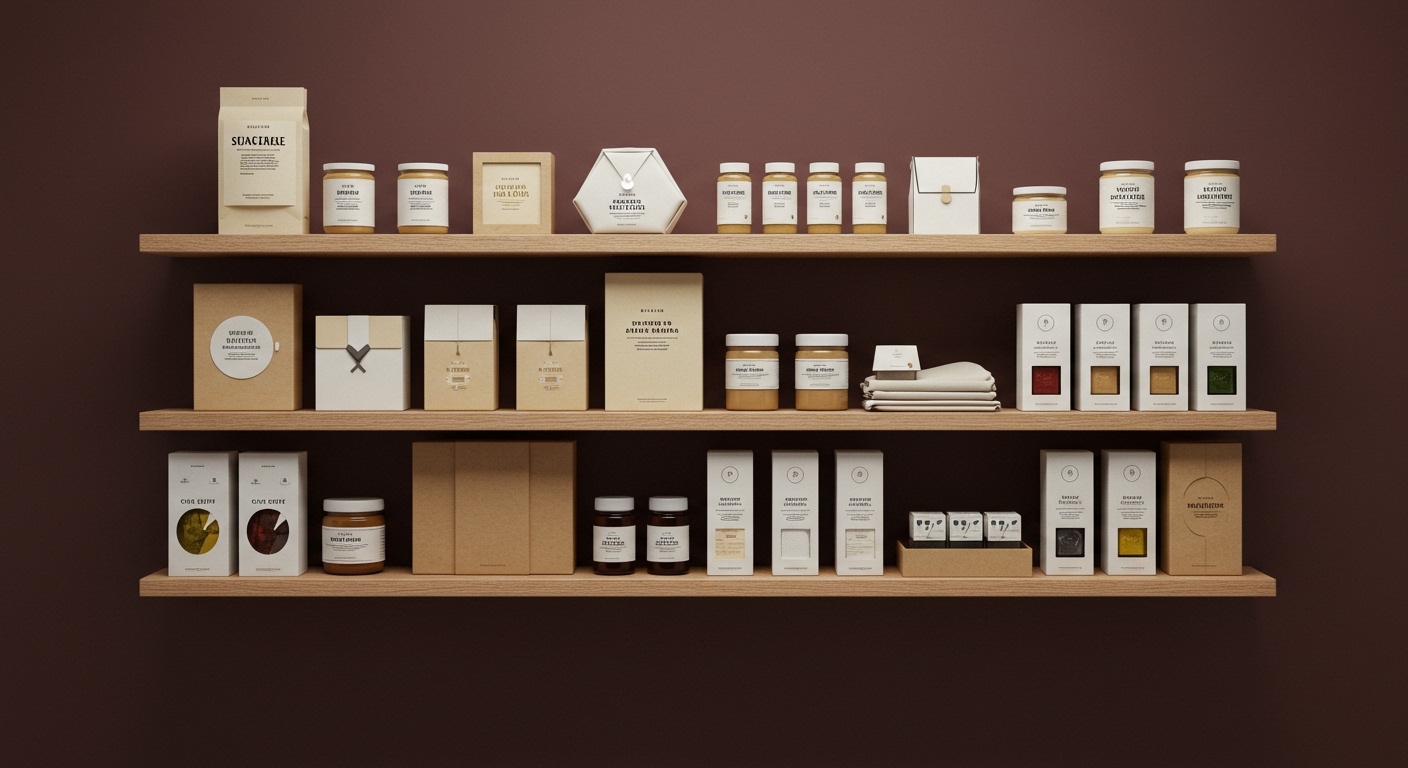
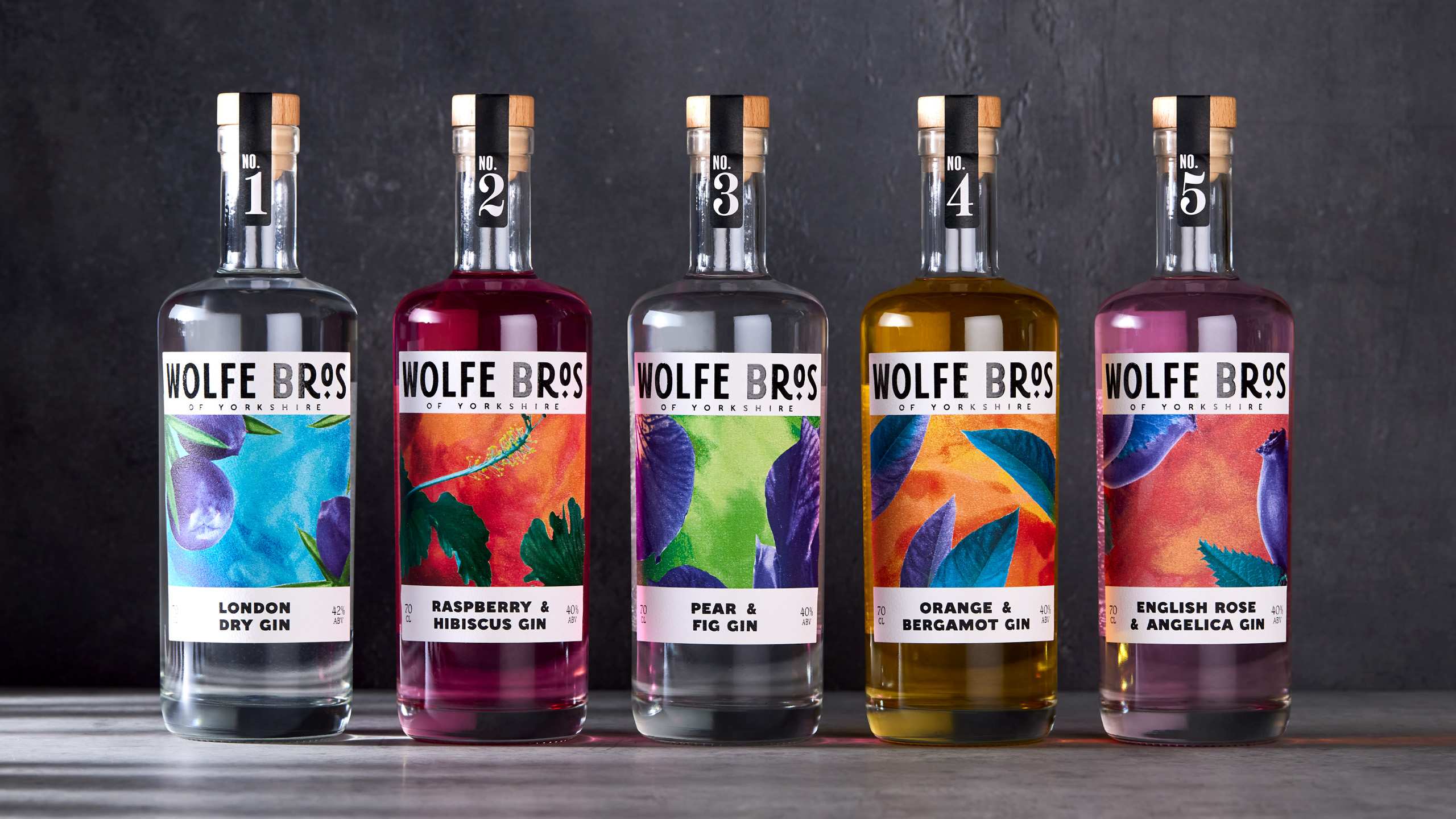
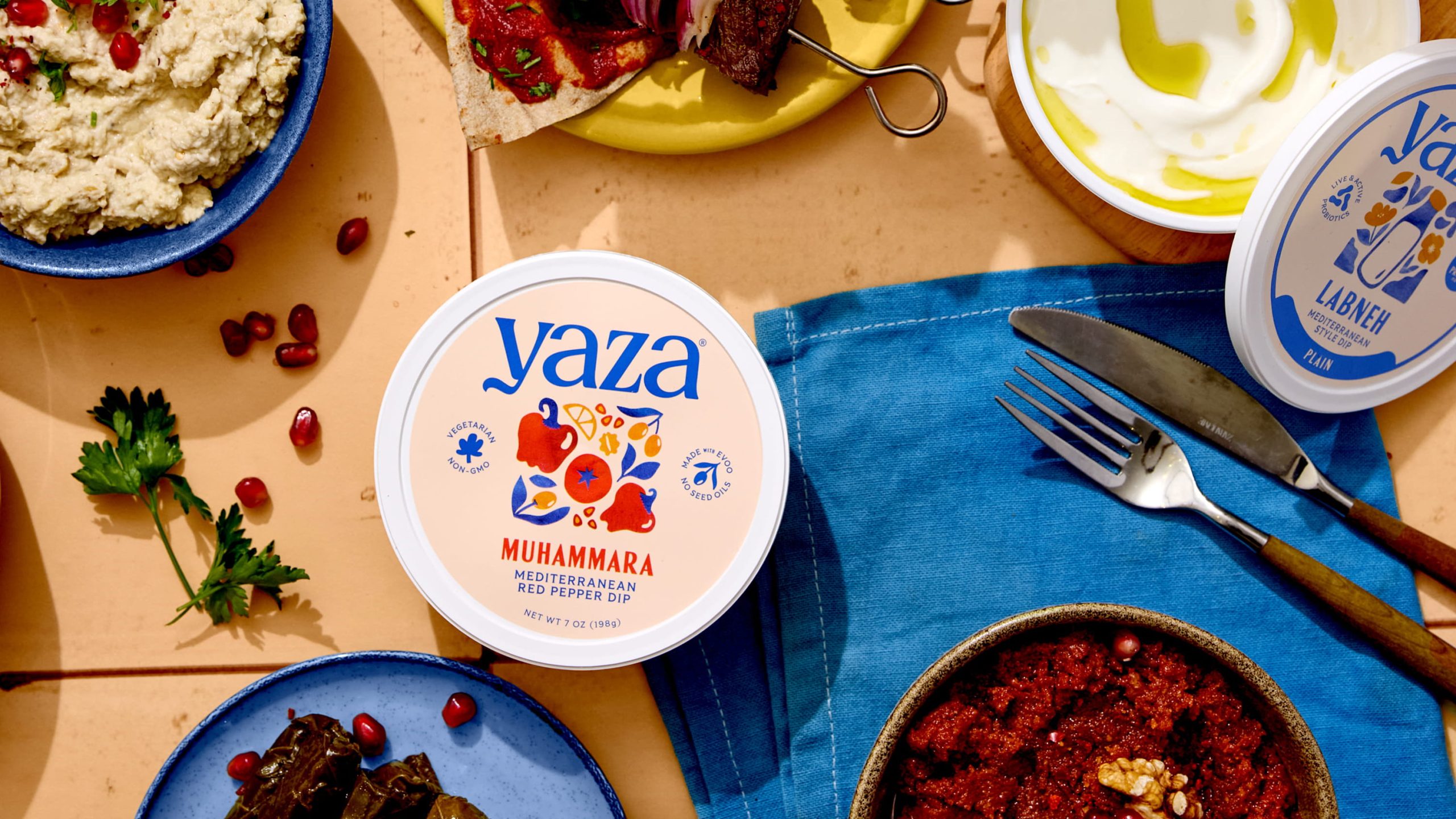
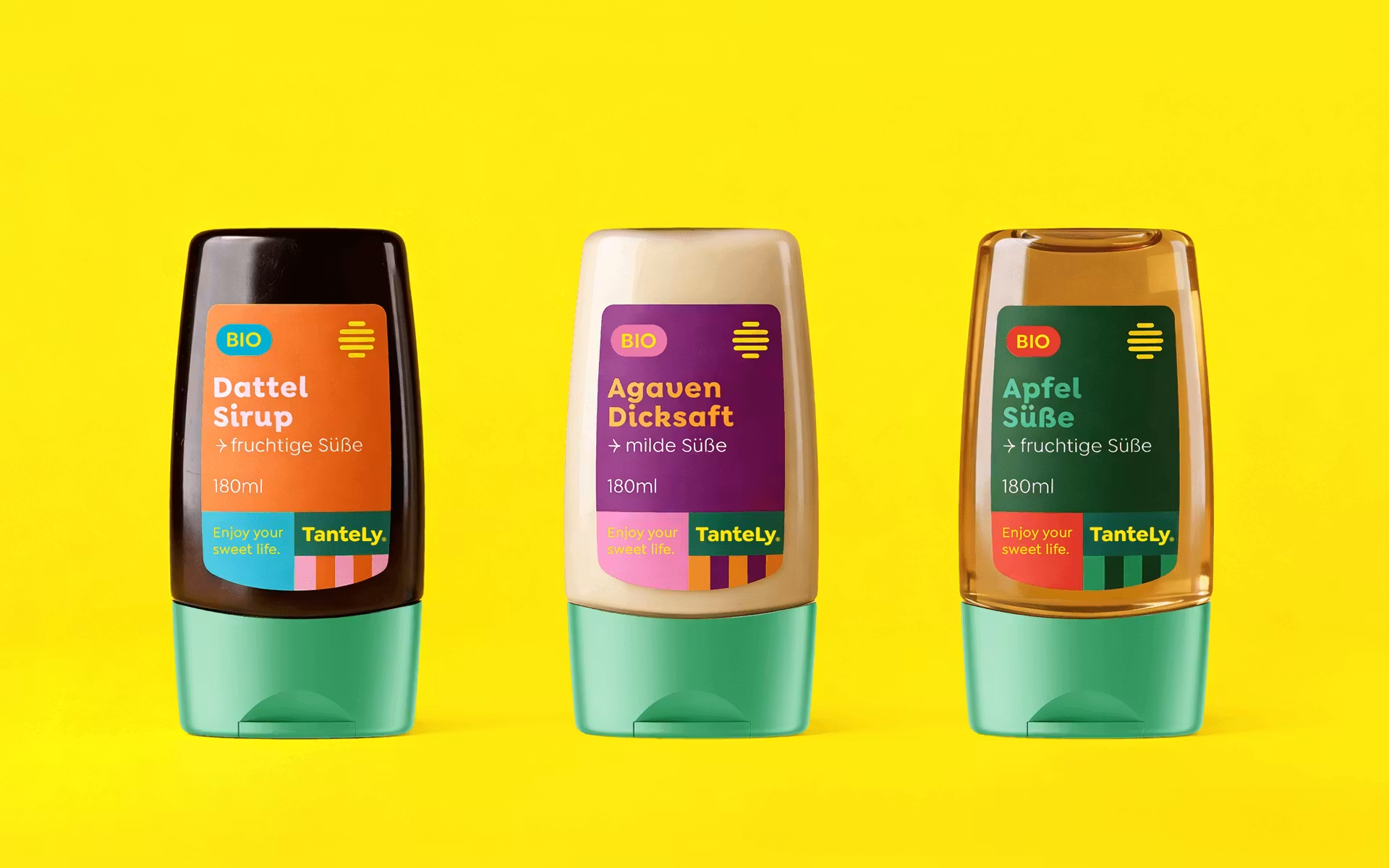
Studio Chapeaux’s design for TanteLy honey exemplifies this re-emphasis by transforming each jar into a distinct “world of color” reflecting its origin landscape. This approach, while visually striking for shelf impact, also implicitly cues a unique tactile and experiential journey for each variety, moving away from generic branding templates. The mainstream packaging industry frequently prioritizes cost-effectiveness and rapid production cycles, often leading to a homogeneity of forms and materials that simplifies manufacturing but ultimately dilutes brand distinction and consumer connection. This perspective, that uniform visual branding and efficient logistics are the ultimate goals, often misses a fundamental opportunity. Kim Van Elkan of OurCreative correctly points out that what works online often fails on the physical shelf; the tangible context is paramount. Brands like Yaza, with its bold identity, understand that genuine differentiation and sustained consumer loyalty are increasingly forged through unique physical interactions at the point of purchase and consumption, creating a distinct unboxing experience even before the product is opened. The joy derived from TanteLy’s diverse presentation, for example, stems from its refusal to conform to a ‘one size fits all’ visual strategy, offering a sensory richness that transcends mere function.
This approach challenges the conventional wisdom that sustainable packaging must always mean the simplest, most lightweight recyclable material, or that brand protection, as seen with FIFA’s policy against Heinz, is only about strict visual control. While crucial, true sustainability also involves creating packaging so appealing, durable, and functional that it encourages reuse, extends perceived value, and fosters a lasting connection, thereby reducing the psychological impulse for disposable consumption. The inherent collectibility of Cake Social’s tins, designed to be as memorable as the cake itself, speaks directly to this. Such thoughtful design makes the package an artifact rather than immediate waste, aligning with a broader definition of circularity that values longevity and utility. Furthermore, Heinz’s “Unofficial Stadium Ketchup” promotion demonstrates how even subversive tactile elements, like tape, can become powerful branding tools, engaging consumers in a playful, memorable interaction. By late 2027, more brands will explore packaging as a multi-sensory asset, investing in structural and material innovations that elevate the unboxing ritual into a memorable, repeatable event, extending the product’s narrative beyond its initial consumption and solidifying its shelf presence.
This trend faces resistance from entrenched supply chain models and procurement strategies that prioritize global standardization and lowest unit cost. Large-scale retail chains often impose stringent shelf-ready packaging requirements, which can stifle creative structural design and material experimentation, forcing brands into generic forms optimized for stacking and efficient merchandising rather than consumer delight.
A working packaging professional should dedicate resources to physical prototyping and user testing that specifically evaluates the tactile experience of packaging. This involves assessing the material hand-feel, the mechanics and sounds of opening, and the post-consumption utility or reusability of the package, rather than relying solely on 2D renders or virtual mock-ups for concept approval.
TL;DR
Packaging’s physical and tactile qualities are regaining importance as brands seek deeper consumer connection and sustainable differentiation.
Curated References

About this editorial — This piece was developed using AI-assisted research and curation across multiple industry sources. All analysis, opinions, and predictions represent the editorial perspective of JHDD. Sources are linked in the references section above.