JHDD Packaging Report — 2026.06.15
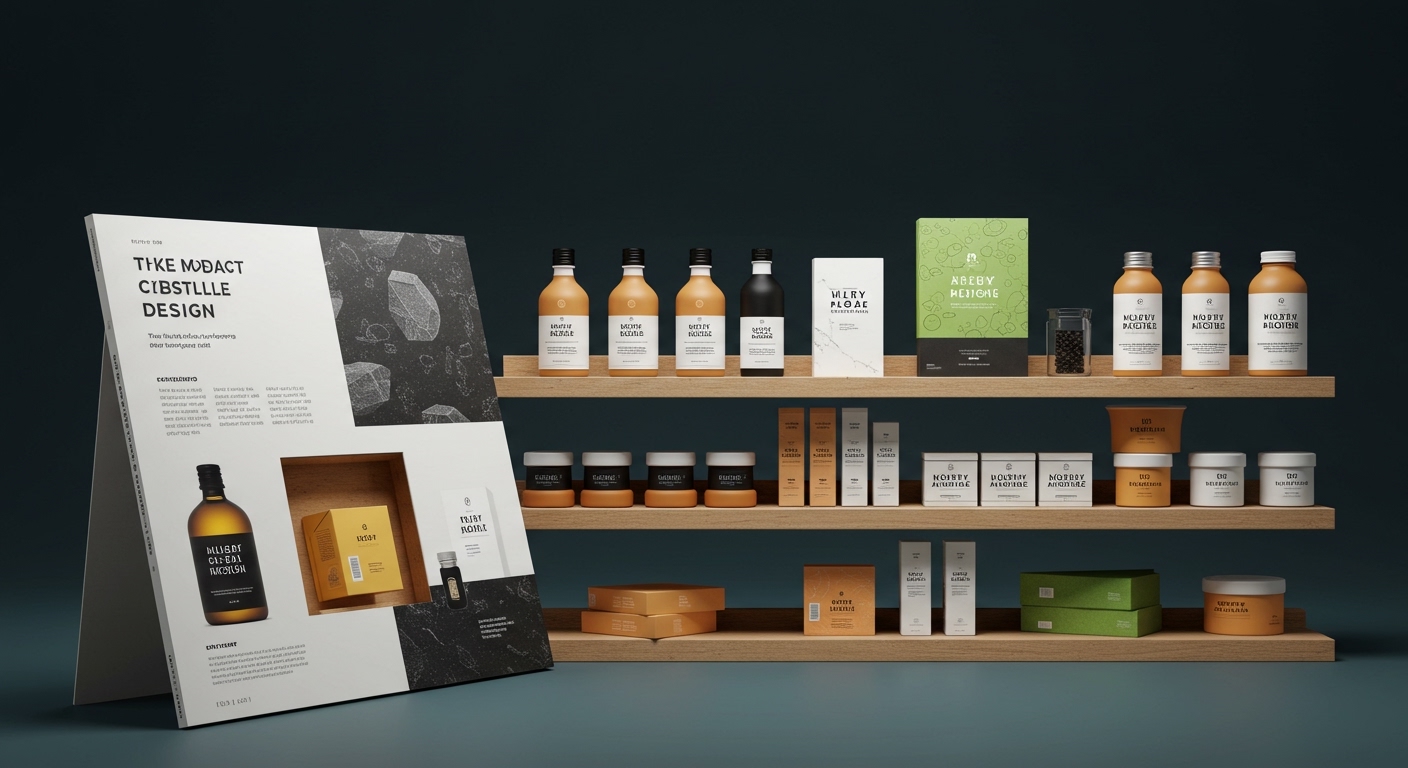
The mandated brief is the last vestige of commoditized agency thinking, forcing brands into a reactive, rather than truly proactive, packaging strategy.
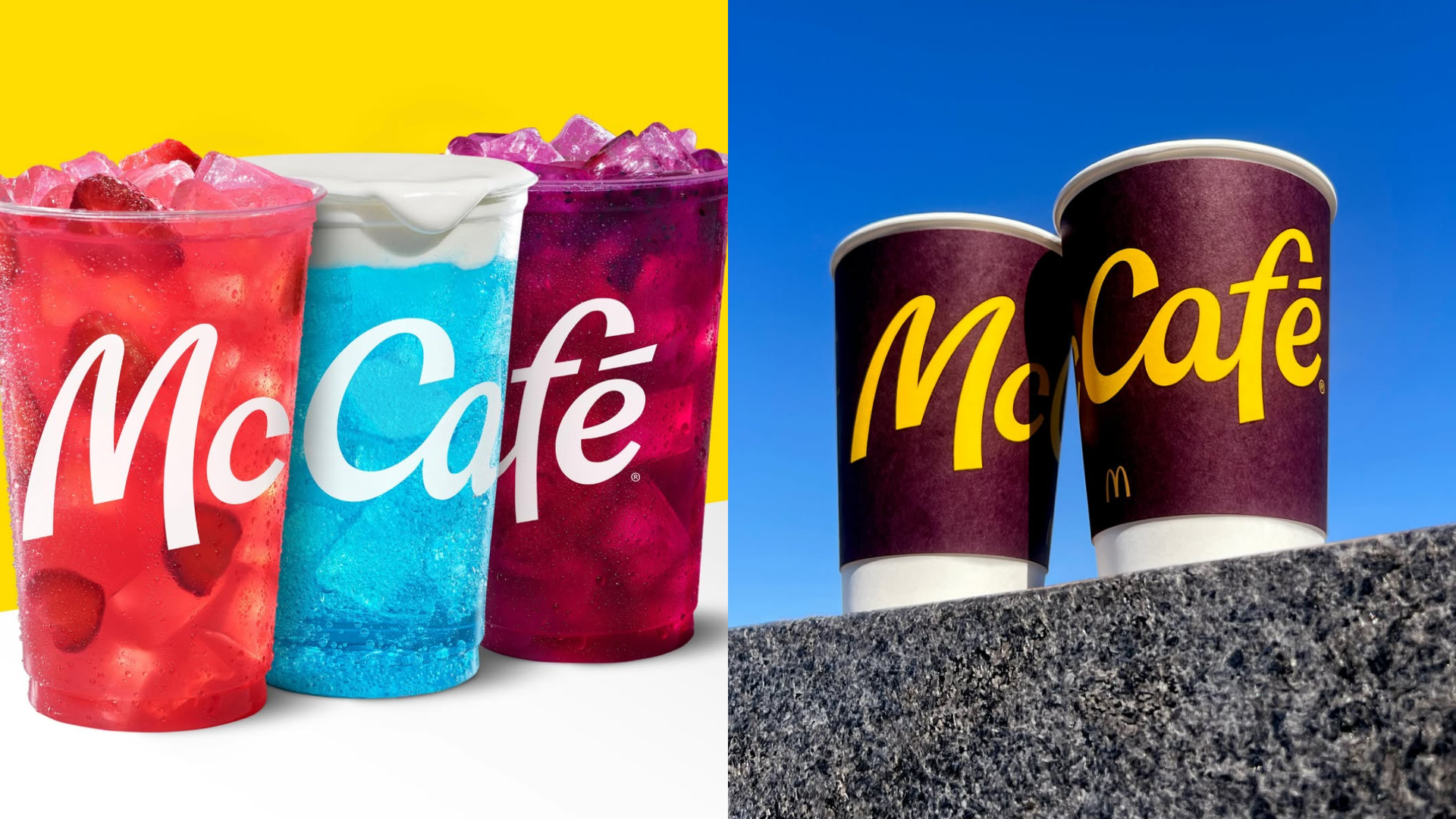
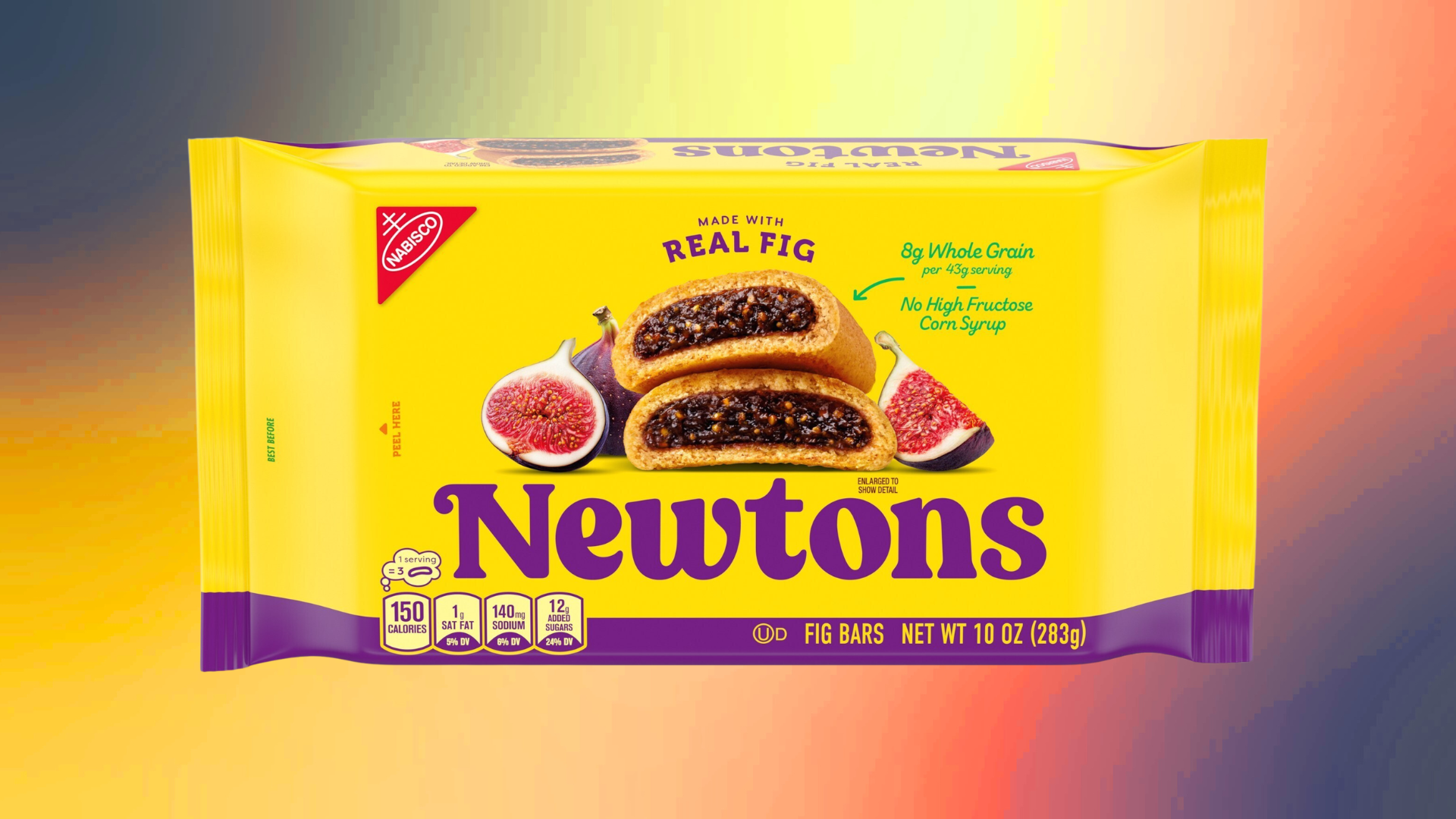
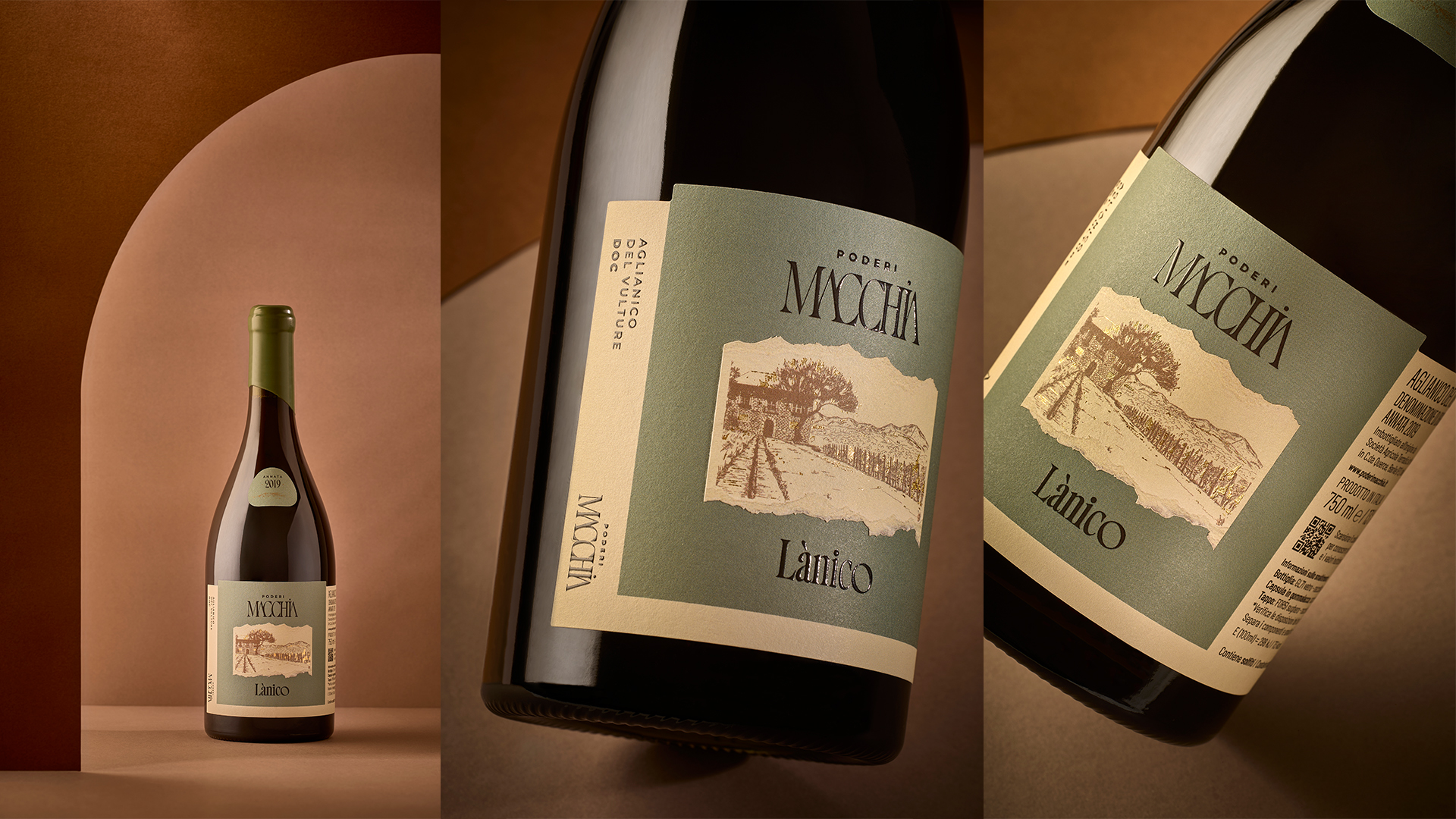
The convergence of brand architecture refreshment for legacy brands like McCafe and Fig Newtons, alongside the debut of highly sensorial new entities like Poderi Macchia, reveals a profound shift from surface-level aesthetics to deeply embedded tactile and narrative experiences. This isn’t merely about updated logos or color palettes; it’s about brands actively cultivating physical touchpoints that extend their story beyond visual recognition, aiming for a deeper, more enduring consumer connection. This trend is fueled by a growing disillusionment with ephemeral digital interactions, pushing brands to anchor themselves in the tangible world. The common thread isn’t just rebranding; it’s the deliberate engineering of a physical presence that resonates with emotional and sensory recall, a crucial differentiator in an increasingly saturated marketplace. The impulse to create collectible moments, as seen with Coca-Cola’s World Cup cans, further illustrates this, demonstrating how packaging can transcend its functional role to become a cultural artifact and a driver of sustained engagement. This underlying force, what can be termed “Material Narrative Embodiment,” is transforming how brands are conceived and experienced.
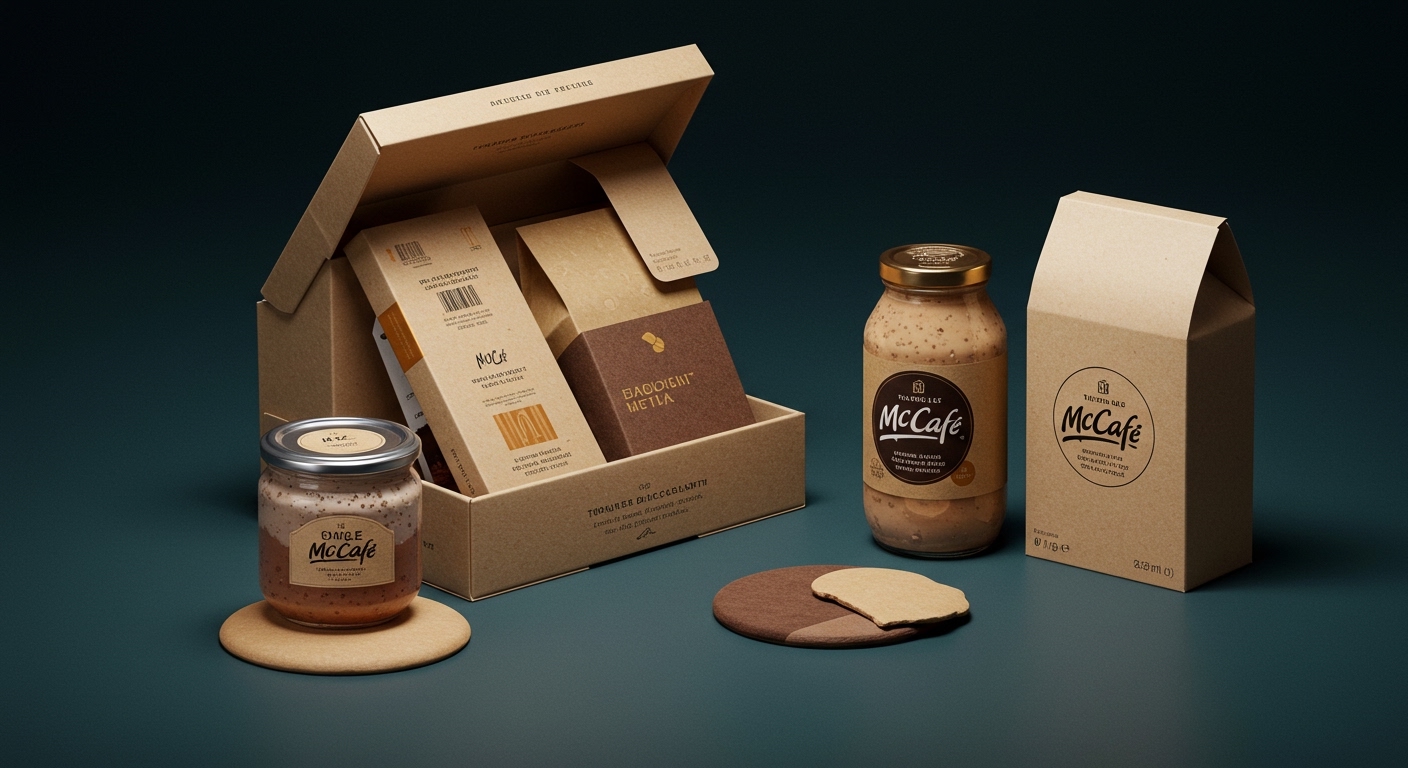
Beneath the surface of these diverse initiatives lies a potent recognition: the unboxing experience, long relegated to influencer unboxing videos, is now a critical design frontier for every consumer touchpoint. Brands are moving beyond static shelf appeal to design for the entire lifecycle of interaction, from initial discovery to the moment the product is first handled and experienced. Consider the architectural resonance of Poderi Macchia’s labels. This isn’t just about a beautiful design; it’s about imbuing the product with a sense of place and crafted permanence through tactile elements like raised embossing or uncoated stocks, which communicate a level of artisanal quality that flat, mass-produced packaging simply cannot. Conversely, the refresh of brands like Fig Newtons, while modernizing their look, risks misinterpreting this trend if the tactile experience remains generic. The true evolution lies in recognizing that the material itself, its texture, its weight, its scent, and the very act of revealing it, are integral to the brand story. The widely held industry belief that a bold graphic or a clever tagline is sufficient for shelf impact is becoming obsolete. Brands must now consider how the physical form communicates value and authenticity. By late 2026, packaging briefs will explicitly mandate detailed tactile and unboxing experience protocols, moving beyond mere sustainability checkboxes to a holistic sensory audit.
The friction in this shift arises from a persistent, and increasingly counterproductive, adherence to cost-optimization as the primary packaging driver, particularly within large CPG organizations. While sustainability is now a mandated consideration, it is often interpreted through a lens of material reduction and cost parity, neglecting the higher-value investments required for truly impactful tactile branding. Procurement departments, driven by quarterly targets, often balk at the nuanced material choices or specialized finishing techniques that are essential for achieving a premium sensory experience. This creates a chasm between design intent and manufacturing reality. Designers may aspire to the textural depth of Poderi Macchia, but if procurement insists on standard gloss finishes and flimsy board, the brand’s narrative power is fundamentally compromised. This tension reveals a critical blind spot: the long-term brand equity and customer loyalty generated by superior tactile experiences are often undervalued against immediate cost savings. The industry’s reliance on established, cost-effective manufacturing processes acts as a significant brake on the adoption of more innovative, materially rich packaging solutions.
A working Packaging professional should, this week, actively advocate for material-specific prototyping beyond visual mock-ups. Instead of solely focusing on the rendered graphic, dedicate time to physically feel and evaluate different paper stocks, finishes, and structural elements in a simulated unboxing scenario. This hands-on approach, even with simple paper samples, can reveal how different textures and forms communicate brand values and how they might enhance the consumer’s direct interaction with the product, translating abstract sustainability goals into tangible sensory benefits.
TL;DR
The future of packaging lies not in digital renders or superficial graphics, but in the engineered tactility and material narrative of the physical form.
Curated References

About this editorial — This piece was developed using AI-assisted research and curation across multiple industry sources. All analysis, opinions, and predictions represent the editorial perspective of JHDD. Sources are linked in the references section above.