JHDD Packaging Report — 2026.06.09
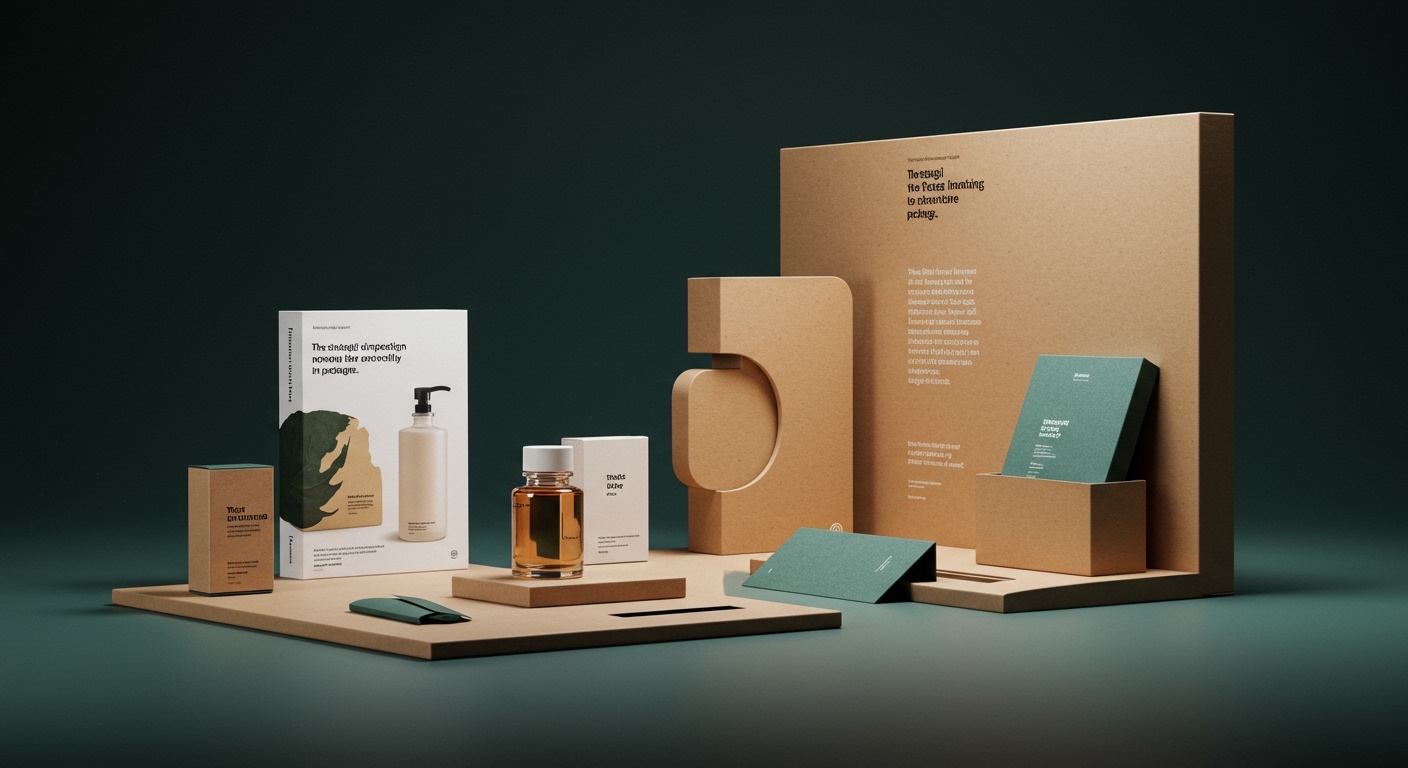
The strategic depletion of novelty is the new imperative in packaging.
A curious convergence emerges from the recent design landscape: the deliberate shedding of surface-level embellishment in favor of deeply resonant tactile and structural storytelling. Across seemingly disparate categories—from artisanal chocolate and luxury candles to mass-market coffee and spirits—there’s a discernible move away from the fleeting visual trend and towards enduring, sensory engagement. This isn’t merely about sustainability as a material choice; it’s about a fundamental re-evaluation of the package as a portal to a brand’s core identity. The underlying force is the maturation of brand building, moving beyond mere aesthetics to engineer sustained desirability through a holistic sensory experience. This force can be termed “Sensory Gravitational Pull,” where brands leverage fundamental human senses to anchor themselves in consumer consciousness.
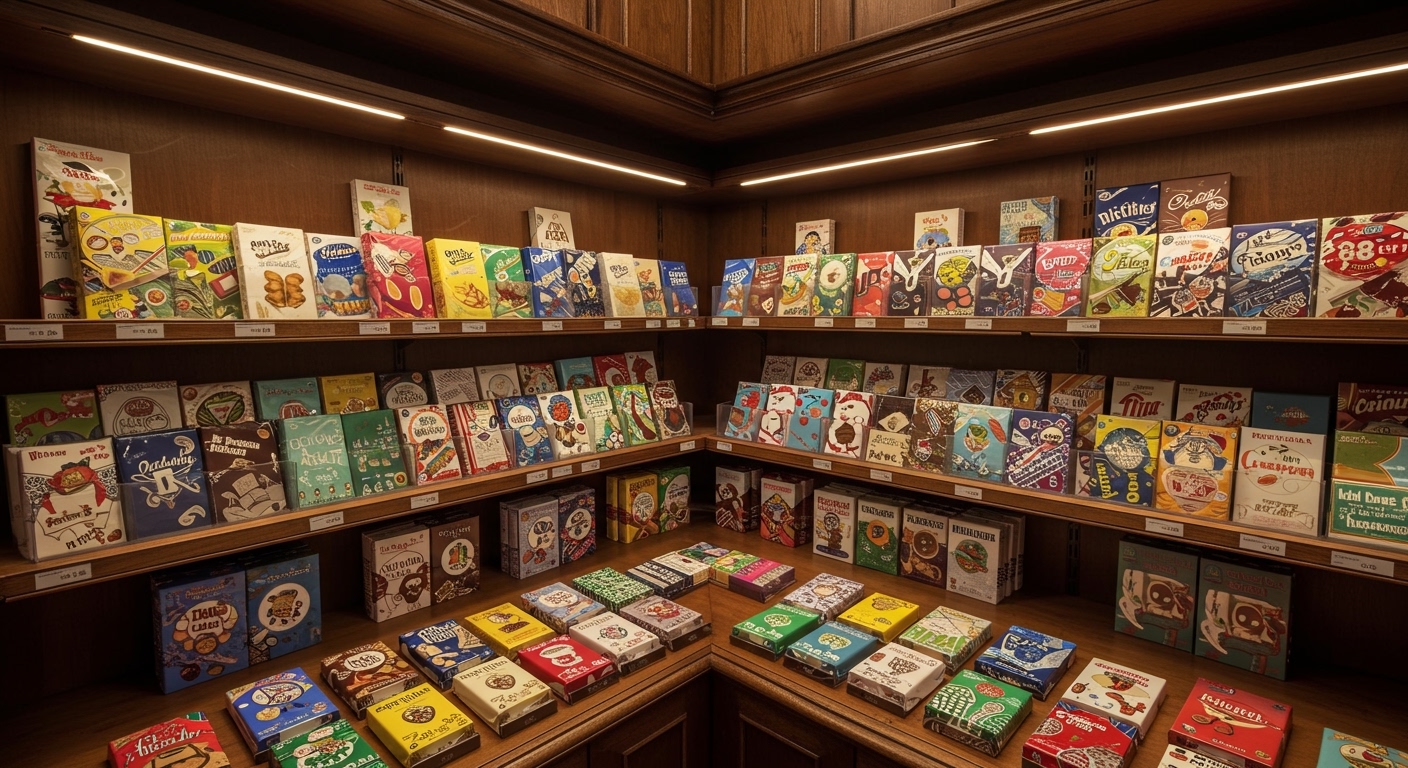
Beneath the surface, this shift signifies a powerful recalibration of what constitutes premium and desirable packaging. The impulse to constantly launch new SKUs or apply novel printing techniques, often driven by market saturation and a fear of invisibility, is being countered by a more considered approach. Take, for example, the work of Leslie David Studio for Sowvital. By stripping back printed elements to a single monogram and relying on the profound tactility of blind embossing, they’ve created a product that feels inherently more valuable and permanent. This directly challenges the conventional wisdom that more graphics equal more shelf impact. In fact, the opposite is proving true: a precisely engineered lack of visual clutter, combined with deliberate tactile cues, elevates the perceived quality and desirability. This is not about being minimalist for minimalism’s sake, but about being intentional and impactful through reduction. This strategic retreat from visual noise, combined with heightened tactile engagement, will become the standard for true luxury and desirability in consumer goods packaging by early 2027.
The friction in this evolution arises from a pervasive, albeit diminishing, reliance on visual novelty as a primary driver of short-term sales. Many brands, particularly those in fast-moving consumer goods, remain locked into a cycle of frequent packaging refreshes driven by a misinterpretation of shelf impact as purely visual. They fear that reducing printed elements or embracing more natural material textures will equate to looking “less designed” or “less exciting” to a broad consumer base. This tension reveals a critical disconnect: the industry’s historical focus on immediate visual appeal is at odds with the growing consumer demand for authentic, sensory-driven experiences that foster long-term brand loyalty. This is the resistance of the old guard, prioritizing ephemeral buzz over enduring connection.
For a working Packaging professional, the actionable takeaway this week is to actively identify and advocate for the inherent sensory potential within existing brand assets or new concepts. Beyond specifying recycled content or biodegradable inks, a packaging designer should be asking: what textures can be subtly introduced? How can structural elements create an unexpected touch point? What is the precise weight and balance of this container? This involves moving beyond the visual brief to engineer a richer, more intentional unboxing experience that leverages touch, sound, and even subtle scent cues to create a deeper, more memorable connection.
TL;DR
Tactile depth and structural integrity are eclipsing superficial visual flair as the new benchmark for premium packaging.
Curated References


About this editorial — This piece was developed using AI-assisted research and curation across multiple industry sources. All analysis, opinions, and predictions represent the editorial perspective of JHDD. Sources are linked in the references section above.