JHDD Packaging Report — 2026.06.06
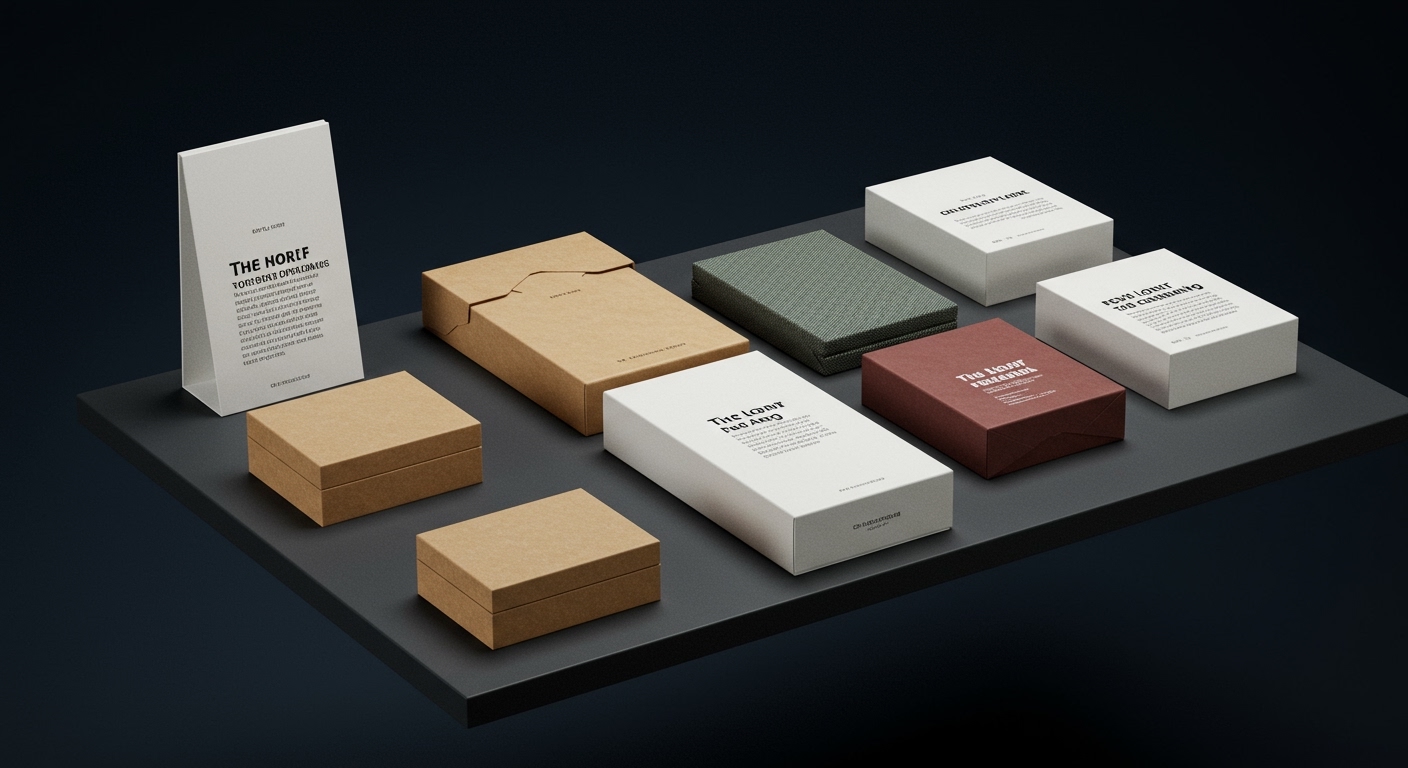
The brief is no longer the king of packaging, it’s the whisper of the material itself.
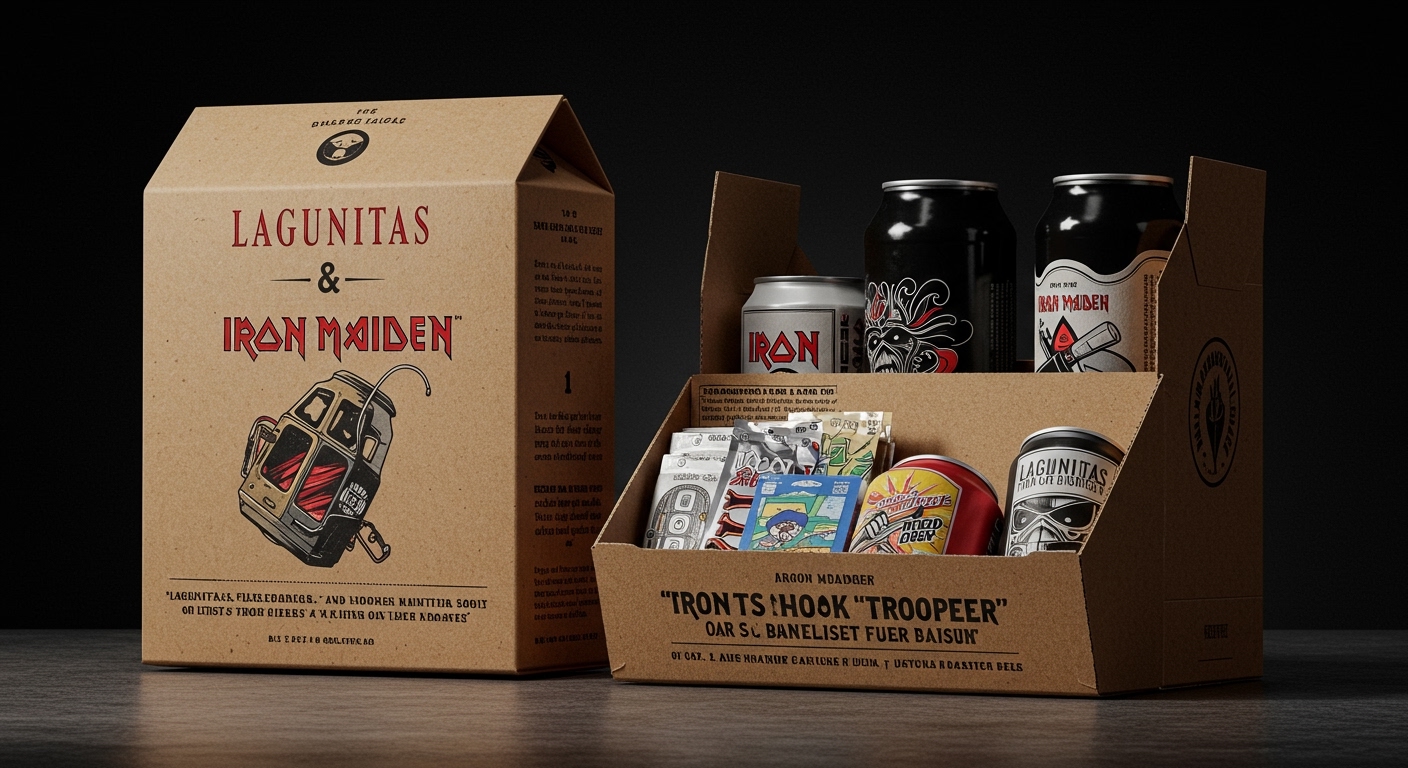
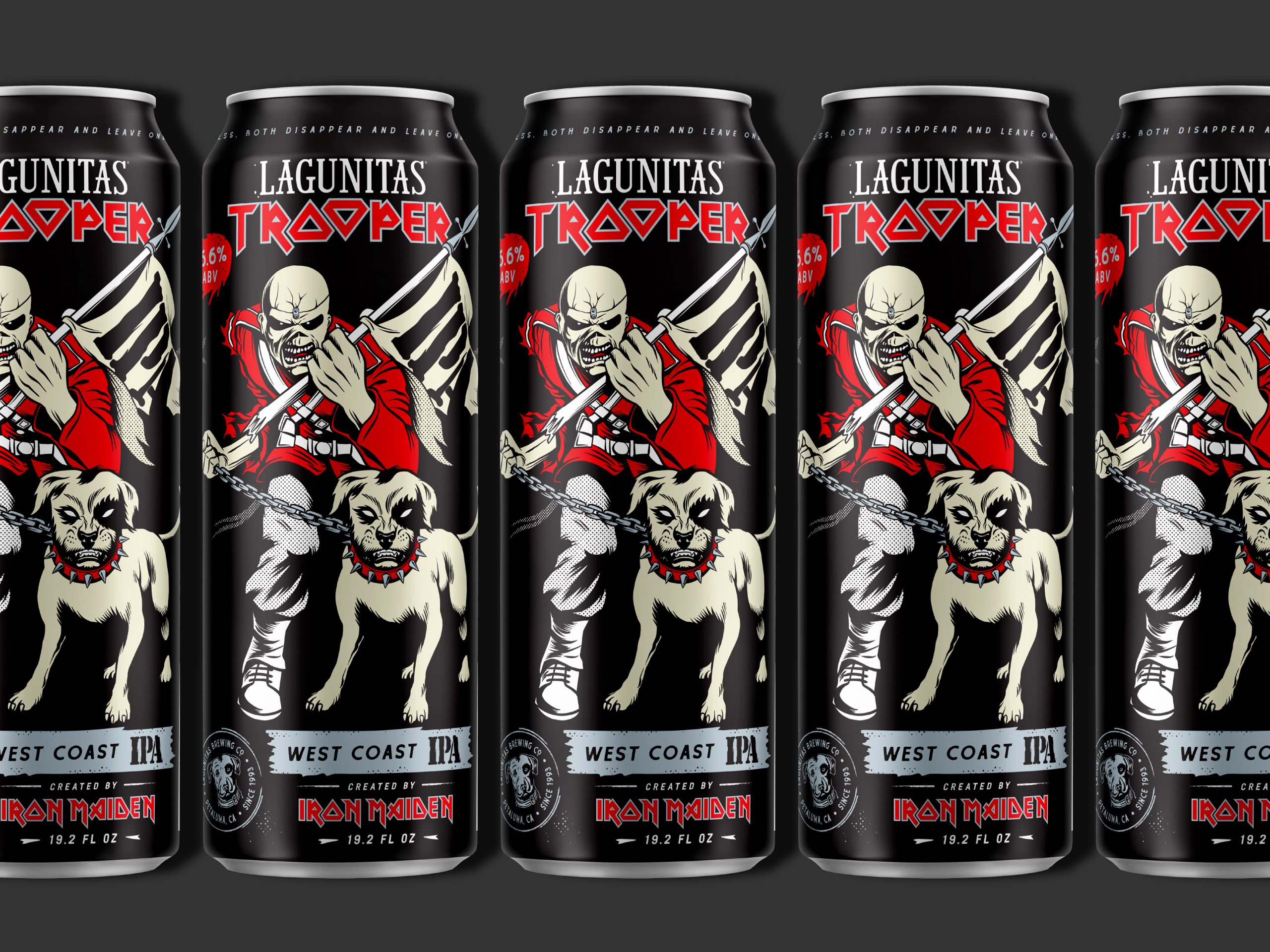
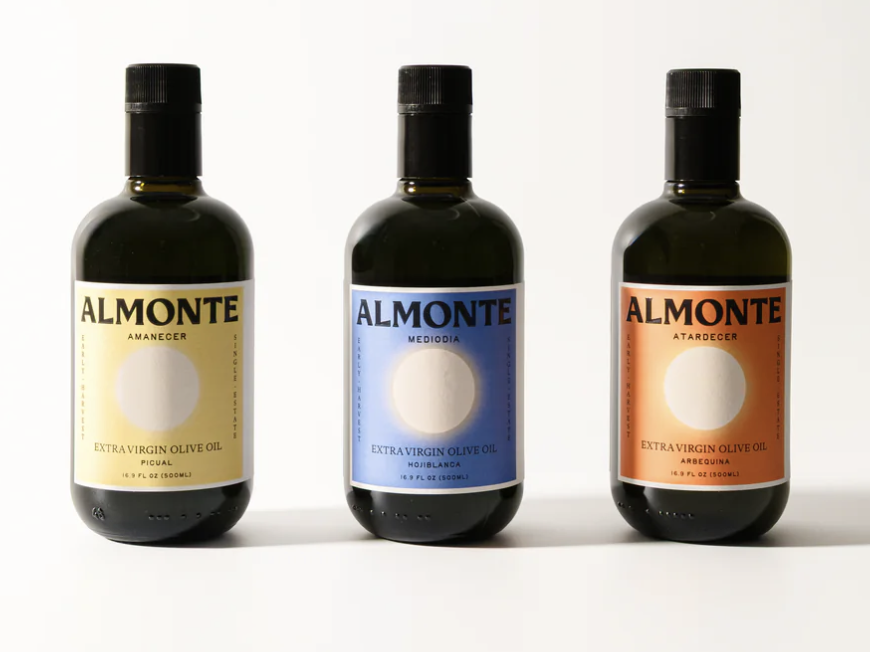
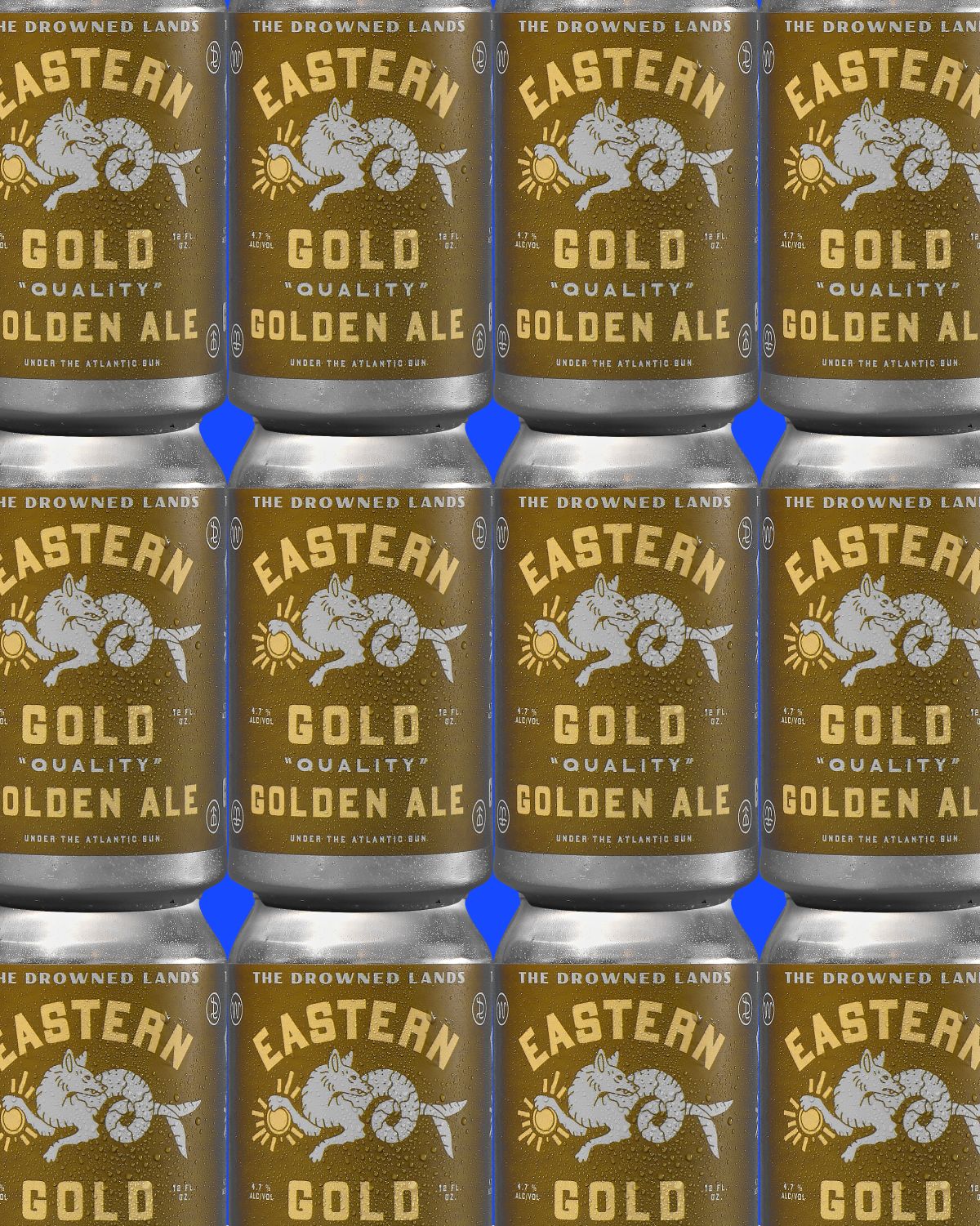
These disparate stories converge on a singular, potent force: the ascendance of material intelligence in brand storytelling. It’s not just about what a package looks like, or even what it’s made of in a purely functional sense. It’s about the intrinsic communication that the physical form and its constituent elements convey, a language that predates and often supersedes graphic design and overt messaging. The Lagunitas beer’s special edition packaging, the sun-coded color system for Almonte olive oil, the intentionally aged aesthetic of Eastern Gold, the stark visual metaphor of Plastic Change, and the proposed new reuse symbol from Epigrama all hint at this deeper dialogue. They are no longer speaking to the consumer through visual design alone, but speaking with them through the very substance of the packaging. This shift is driven by a consumer who is increasingly attuned to environmental impact, provenance, and authenticity, demanding that the packaging itself become a testament to the brand’s values and narrative.
Beneath the surface, the industry is grappling with a fundamental redefinition of “premium.” Historically, premium was signaled by gloss, embellishment, and often virgin materials. This is being challenged by what can only be termed “material authenticity.” Brands are realizing that the tactile experience and the inherent story of a material – be it recycled, compostable, or even a deliberately distressed paperboard – can communicate a far more sophisticated and resonant form of luxury than a foil-stamped box. Consider Young Jerks’ work for Eastern Gold; the deep, almost fossilized look and feel is not achieved through digital rendering but through a considered application of inks and surface treatments that evoke age and earthiness. This is not merely about retro aesthetics; it’s about imbuing the product with a sense of history and place through its physical embodiment. The contradiction to mainstream opinion here is that true premium is not about adding more, but about understanding and harnessing the inherent qualities of less processed or thoughtfully repurposed materials. By late 2025, packaging designed purely for visual impact, without deep consideration for material narrative, will be perceived as superficial and lacking the gravitas of its materially intelligent counterparts.
The friction in this evolving landscape is primarily generated by the inertia of established supply chains and the perceived cost-benefit analysis of traditional materials. Companies deeply invested in plastic molding or complex multi-layered laminates face significant hurdles in pivoting to entirely new material streams, especially when those streams might initially be perceived as less durable or more expensive. The “reuse” symbol proposed by Epigrama, while a necessary step towards a circular economy, highlights this tension. The very act of creating a new symbol underscores the current fragmentation and lack of standardized communication around sustainable practices. Brands that prioritize the immediate, predictable cost savings and established production methods of conventional packaging are actively resisting the deep dive into material intelligence, often framing it as a niche concern rather than a fundamental driver of future consumer preference. This resistance is rooted in a fear of the unknown and a reluctance to disrupt profitable, albeit environmentally problematic, status quos.
Working packaging professionals should actively seek out and experiment with the nuanced sensory qualities of alternative materials this week. This means moving beyond simply specifying “recycled content” to understanding the specific tactile, visual, and even olfactory characteristics of different post-consumer and bio-based inputs. Engage with paper mills that offer unique surface finishes, explore natural waxes and bio-adhesives, and investigate the subtle variations that emerge from different printing techniques on uncoated stocks. The goal is to discover how these material truths can be integrated into the unboxing experience, enhancing shelf impact not through noise, but through an understated, resonant connection with the consumer.
TL;DR
Material intelligence, not just graphic design, is the new differentiator in packaging, offering a richer, more authentic brand experience.
Curated References


About this editorial — This piece was developed using AI-assisted research and curation across multiple industry sources. All analysis, opinions, and predictions represent the editorial perspective of JHDD. Sources are linked in the references section above.