JHDD Interior Report — 2026.08.14
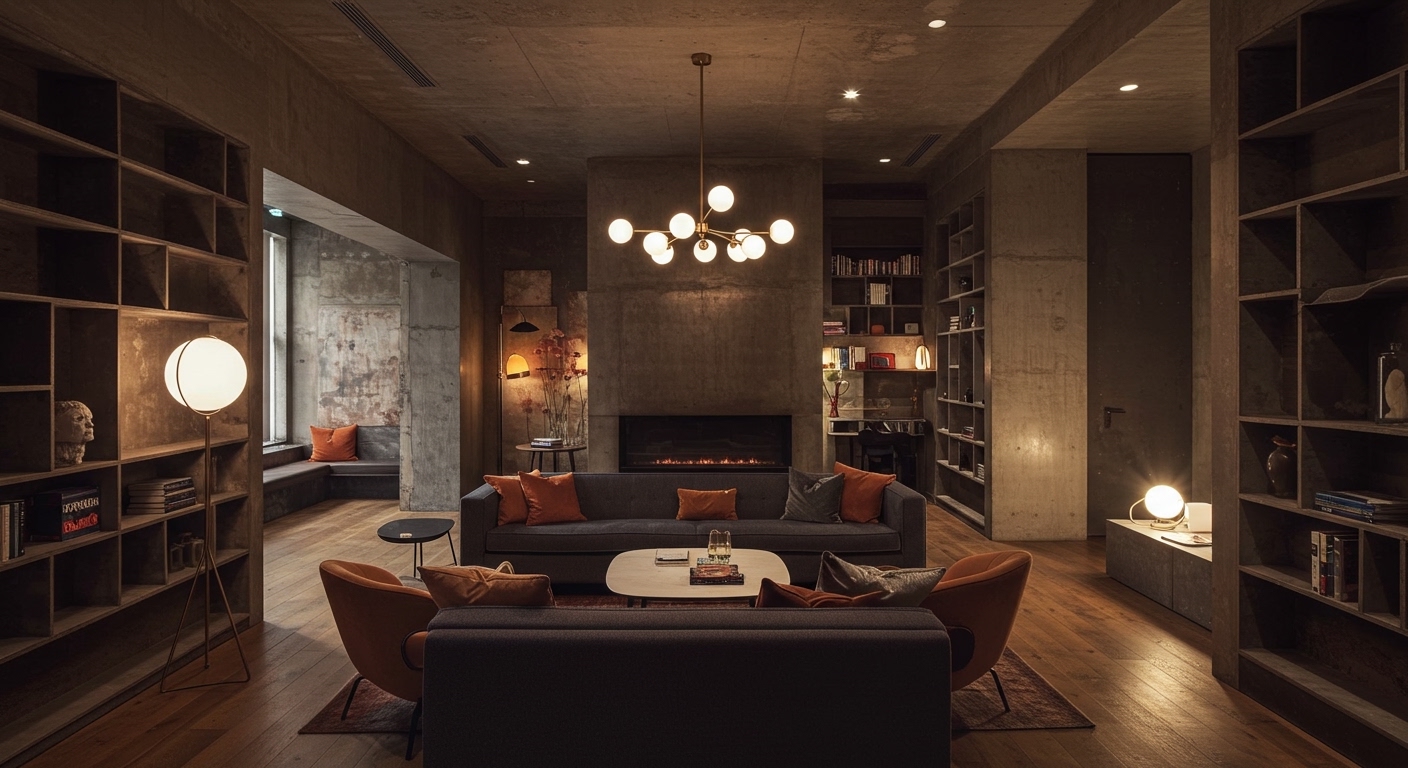
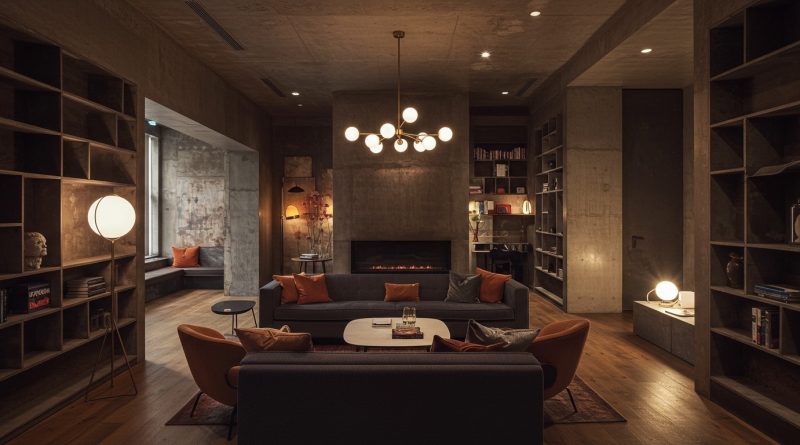
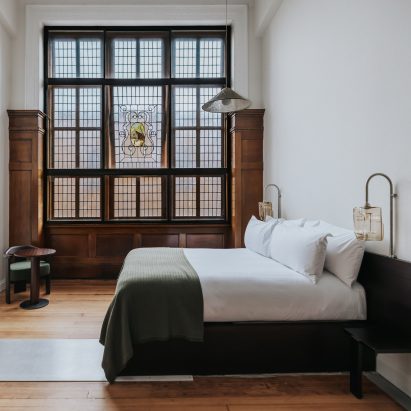
A-nrd’s design for the Arthouse Glasgow hotel uses a raw, honest material palette to connect a 19th-century townhouse with its city’s industrial past.
This approach, echoed across recent projects, signals a pivot from surface-level thematic representation to deep material engagement. Designers are increasingly using local geological markers, historical construction methods, and a city’s material story to define space. It is a subtle but profound shift where materiality itself dictates human flow and spatial tension, rather than merely decorating a predefined form.
The design choices by A-nrd in Glasgow exemplify this approach. Instead of leaning into overt Scottish iconography, the studio embedded the city’s essence through tactile surfaces and an authentic structural language that invites direct human interaction. This contrasts with a prevalent industry belief that experiential design requires elaborate narratives or highly polished finishes, often resulting in spaces that feel curated rather than lived-in. Such an approach often overlooks the profound, often subconscious, impact of genuine material integrity on how people move and feel within a space. When a setting feels intrinsically connected to its context through material truth – for instance, the rough cut of local stone or the worn patina of restored timber – the human experience becomes richer and less performative. The perceived “rawness” is not a lack of finish, but a demonstration of careful, considered selection and application that fosters a deeper sense of belonging and spatial harmony.
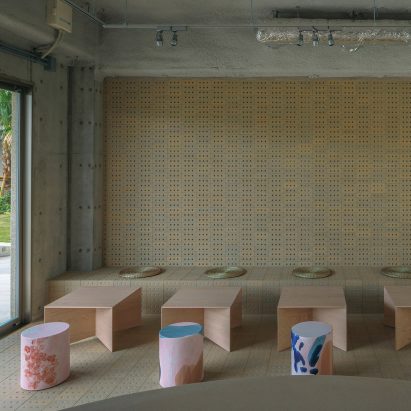
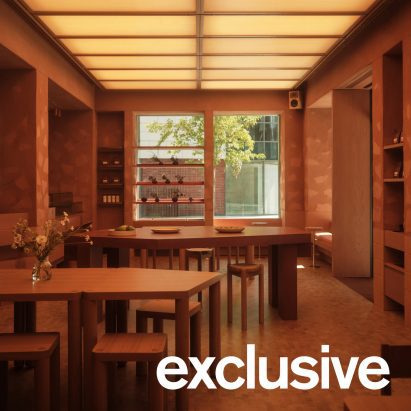
The mainstream tends to equate luxury with a pristine, often universal, material language, prioritizing gloss and immediate visual impact over substance. This overlooks the specific character, historical weight, and tactile depth that unique, locally-derived materials carry. Luxury, in its truest form, is about intentionality, depth, and the subtle resonance of an environment, not merely expense or a globalized aesthetic. The tactile quality of a hand-finished clay plaster, such as seen in EBBA Architects’ Cup of Joy cafe, or the specific cool of regional limestone in Kii’s SR Ice Cream Miyakojima, creates a spatial tension that mass-produced alternatives cannot replicate. Expect to see an increasing market demand for spaces that feel intrinsically rooted through such material expression. This will manifest by late 2027 in a noticeable shift within high-end residential and hospitality briefs, moving away from generalized material palettes towards those that explicitly cite local geology or specific, regionally significant craft techniques, further integrating these elements into the overall spatial design to guide human experience.
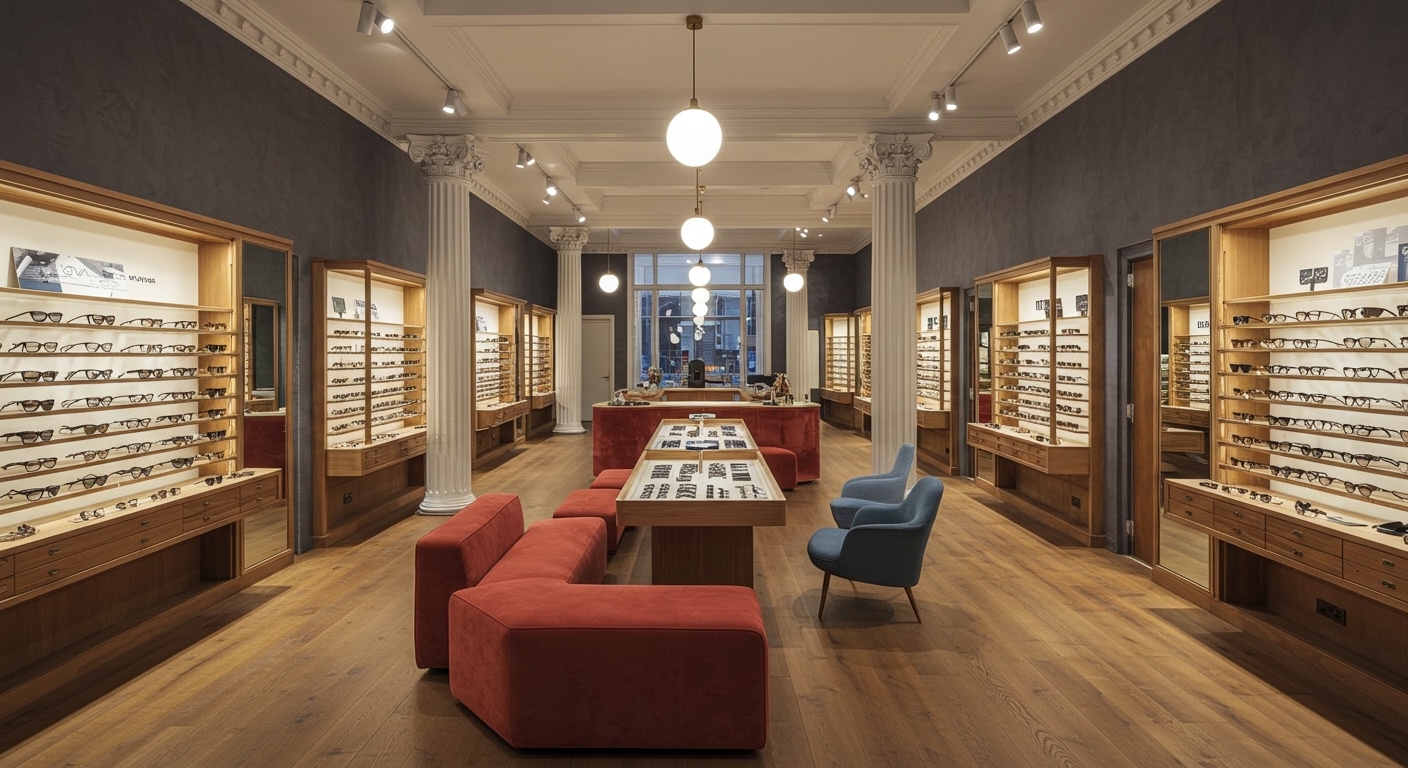
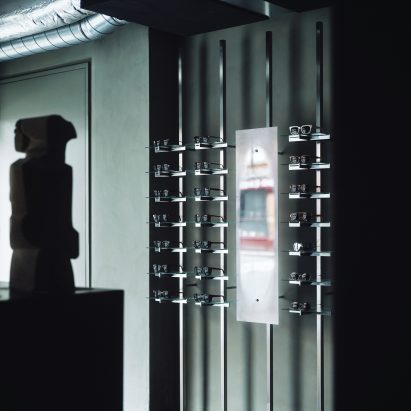
The primary opposing force remains the commodification of design, where fleeting trends and standardized material specifications override site-specific material authenticity and spatial nuance. This resistance originates from developers prioritizing cost-efficiency and rapid replication across multiple sites, effectively suppressing the painstaking process of local material research and integration. Global procurement chains, designed for uniformity and volume, inherently resist the granular, location-specific approach demonstrated by studios like Kii with its Miyakojima limestone or Youth’s considered restraint for Cubitts in Manchester. The emphasis on speed and scalability often prevents the exploration of materials that might be less accessible or require specialized local craftsmanship, thereby homogenizing spatial experiences.
Interior professionals should dedicate project initiation weeks to intensive material exploration directly within the project’s locale. This involves visits to quarries, reclamation yards, and local artisan workshops, focusing on understanding the inherent properties and historical applications of regional materials, rather than relying solely on manufacturer samples or digital libraries. Consider how the physical properties of these materials — their weight, temperature, acoustic qualities — can actively shape spatial experience and human movement within a design.
TL;DR
Authentic spatial experiences emerge from deep material engagement with a site’s context, not superficial thematic applications.
Curated References
About this editorial — This piece was developed using AI-assisted research and curation across multiple industry sources. All analysis, opinions, and predictions represent the editorial perspective of JHDD. Sources are linked in the references section above.