JHDD Interior Report — 2026.08.08
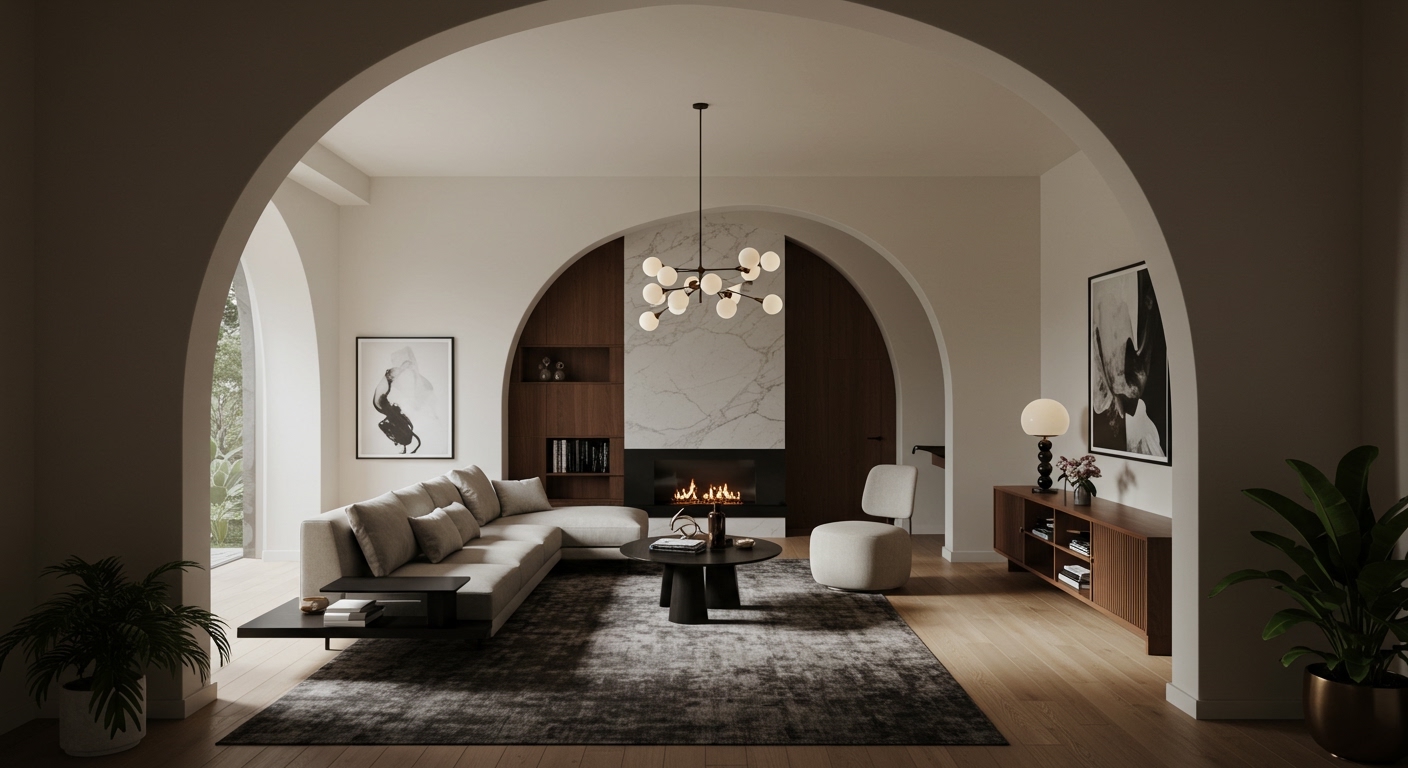
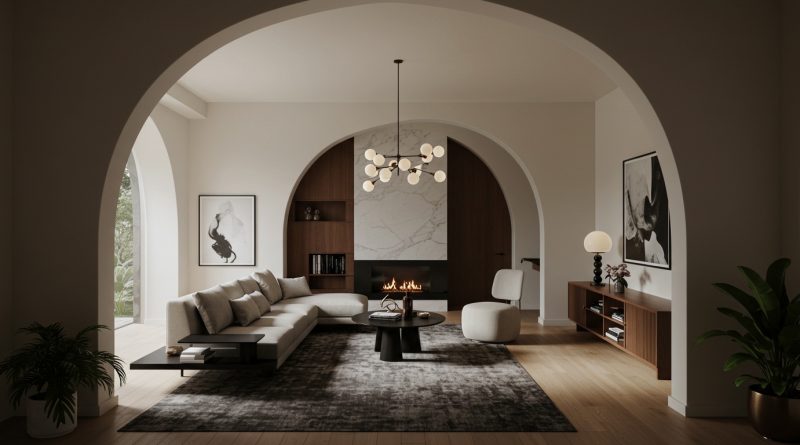
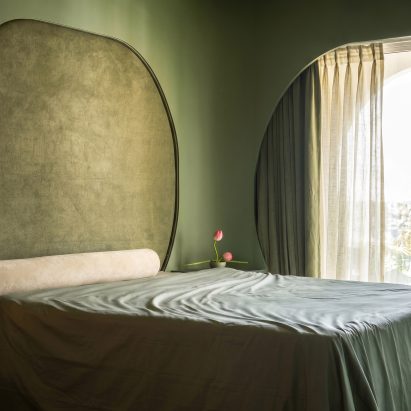
Crissy Zhang Design’s Parkhill residence in Melbourne redefined its internal spatial layout using arched forms.
The recent projects, from residential to hospitality and commercial, consistently demonstrate a focused effort to craft deeply referential and evocative sensory environments. These designs move beyond functional optimization or surface aesthetics, instead establishing specific atmospheric conditions through distinct material palettes and spatial configurations. The goal appears to be the creation of immersive ‘places’ that guide perception and interaction, rather than simply ‘spaces’ to inhabit.
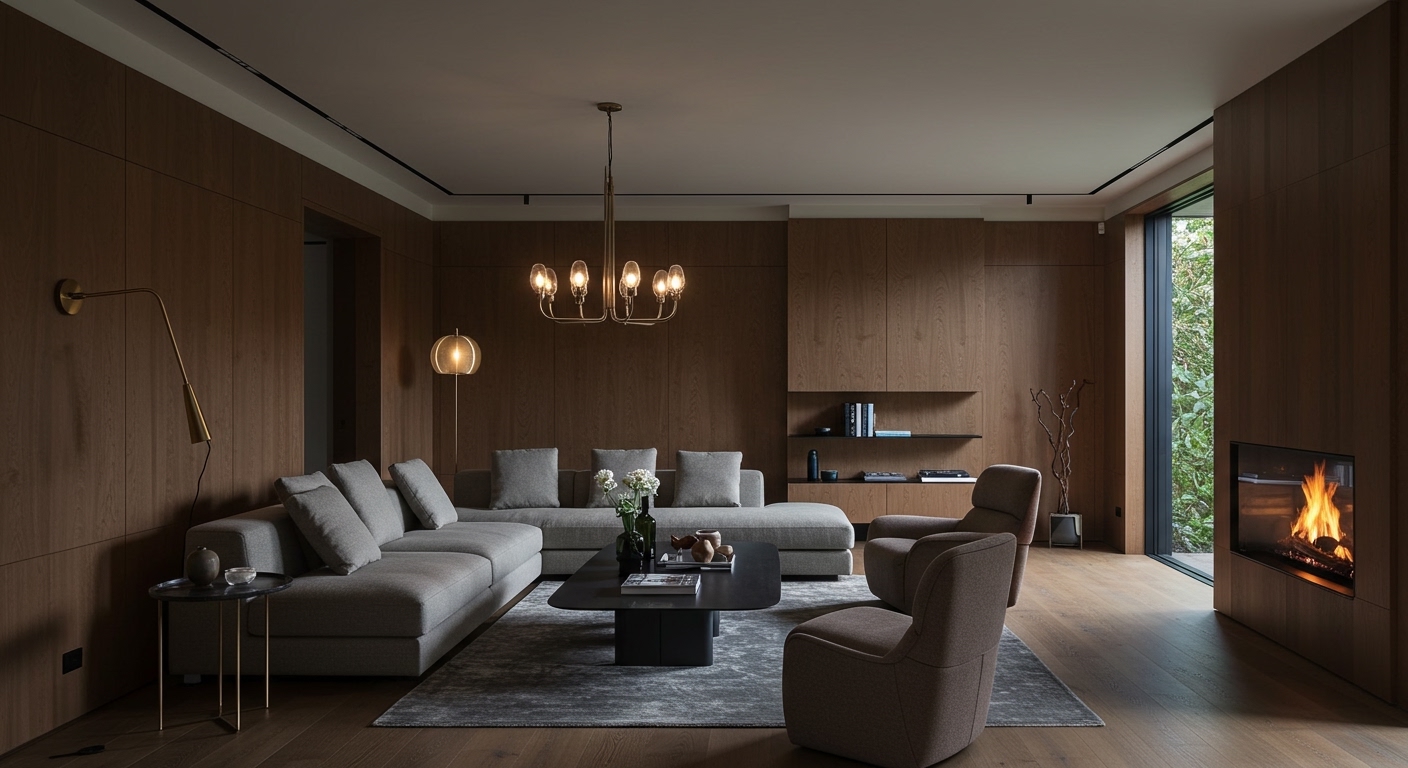
Joyce Wang’s renovation of the Mandarin Oriental The Landmark hotel in Hong Kong exemplifies this trend by drawing on the feel of “colonial country manors.” This approach, often misconstrued by mainstream design discourse as a mere revival or pastiche, is actually a sophisticated tactic for anchoring a luxury experience in a recognizable, yet re-imagined, historical context. The critical detail here is not the faithful reproduction of historical elements, but their deliberate deployment to create a specific emotional and tactile quality that informs human flow and interaction within the modernized framework. The common industry narrative often champions pure innovation, dismissing overt historical reference as unoriginal. This perspective misses the strategic depth these projects achieve. The interplay of rich timbers, bespoke textiles, and layered lighting in Wang’s design creates a subtle spatial tension, a dialogue between historical gravitas and contemporary comfort, which actively guides guests through the public and private areas. The chosen materiality, such as the textures of upholstered furniture and the finish of joinery, invites physical engagement, fostering a sense of settled luxury and permanence that influences the pace and mood of the occupants.
This intentional evocation, through carefully selected materiality and form, contradicts the notion that truly progressive design must always erase context or pastiche. Instead, these projects demonstrate that a curated historical dialogue, combined with precise material execution (e.g., the soft, calming palette and arched forms in Crissy Zhang’s Parkhill residence, or the continuous green flooring in The Act of Quad’s A Borrowed Memory), can generate unparalleled spatial richness and user engagement. It is not about historical accuracy but about narrative power and sensory resonance. The tactile quality of materials, from rough-hewn stone to polished wood, becomes central to establishing the spatial tension that defines each zone and influences how individuals move and linger. This emphasis on deep, almost subconscious environmental cues shapes user experience more profoundly than purely visual statements. Within two years, more luxury developers will explicitly commission designers to build these deep, referential narratives into their projects, recognizing their value in creating distinctive, memorable experiences that command a premium and provide clear differentiation in a competitive market.
This trend faces resistance from the pervasive industry drive towards generic, scalable aesthetics that prioritize ease of replication over site-specific storytelling. Corporate design mandates, often guided by cost-efficiency and brand uniformity across diverse global locations, frequently dilute the opportunity for such deeply embedded material and spatial narratives. This resistance often comes from procurement departments or brand guidelines that shy away from bespoke, context-rich interventions.
An interior professional should, in their next project brief, integrate a workshop focused on ‘sensory anchors.’ This involves identifying specific historical, cultural, or natural references relevant to the site or client, and then detailing how those references translate into specific material choices, spatial sequences, and tactile experiences at key touchpoints throughout the design, documenting how each choice contributes to a pre-defined emotional or experiential outcome.
TL;DR
Luxury interior design is focusing on creating deeply referential, sensory-rich environments that define unique atmospheric conditions.
Curated References


About this editorial — This piece was developed using AI-assisted research and curation across multiple industry sources. All analysis, opinions, and predictions represent the editorial perspective of JHDD. Sources are linked in the references section above.