JHDD Architecture Report — 2026.08.08
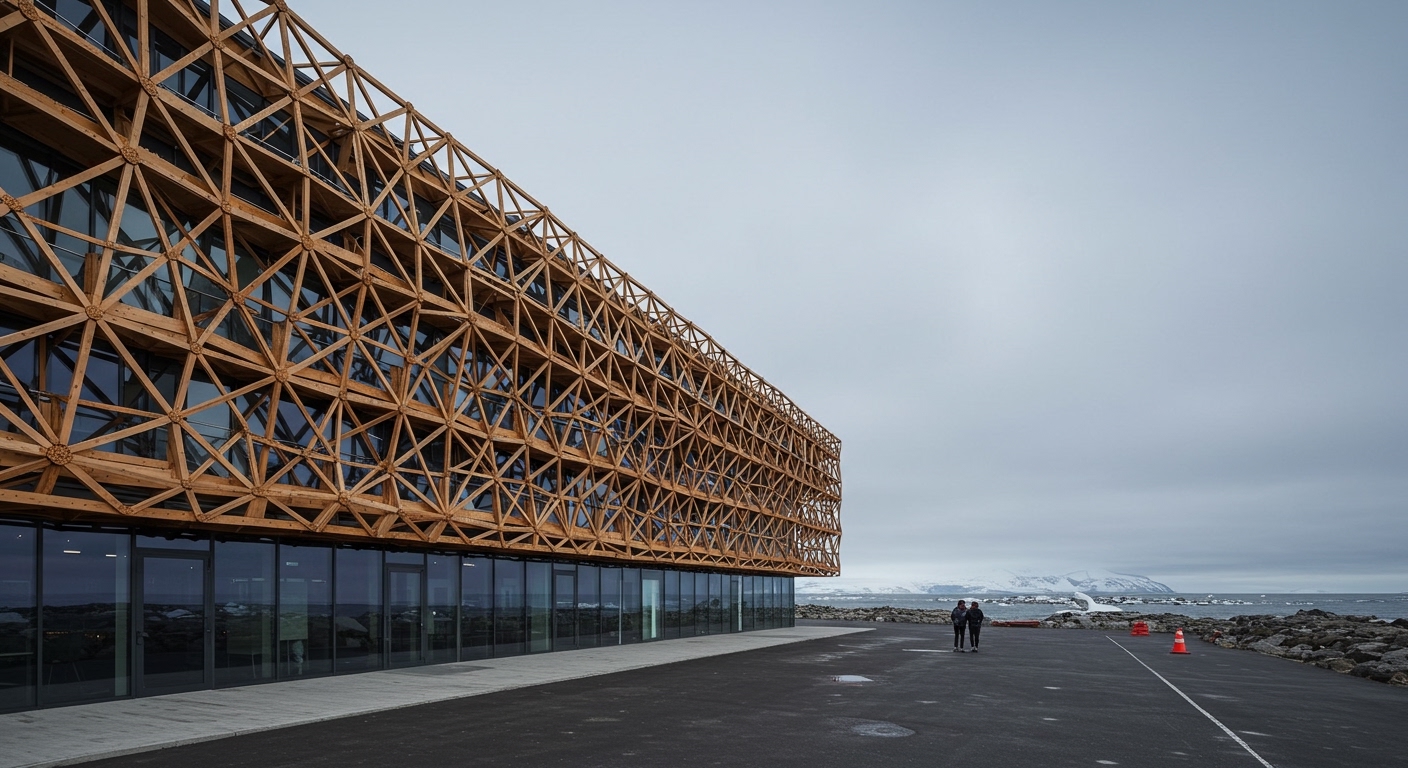
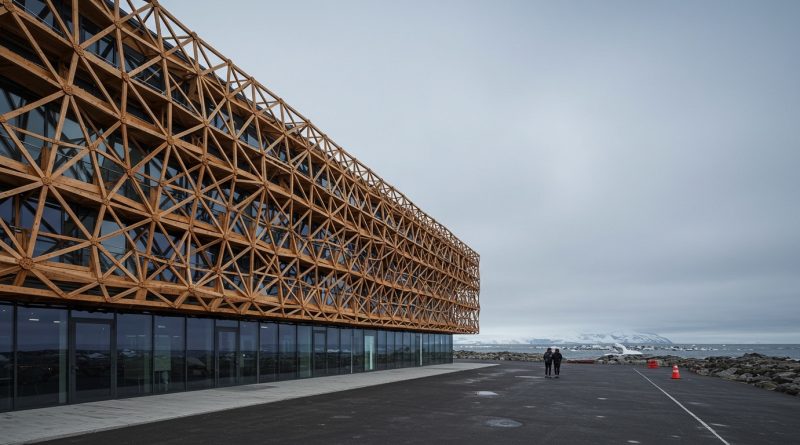
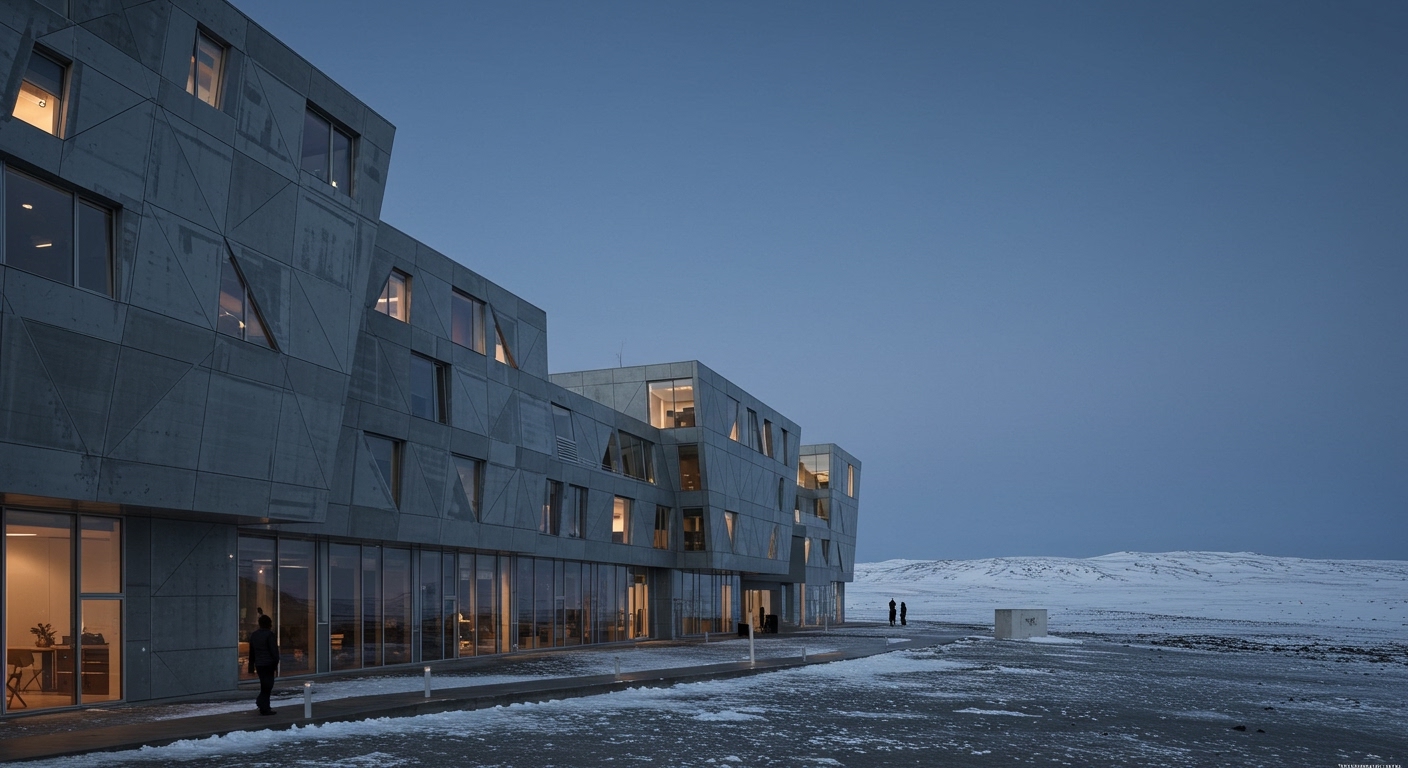
The prefabricated timber structure of Kuryłowicz + Architects’ Arctowski Station on King George Island represents a critical evolution in how architecture engages extreme environments.
These diverse projects and events reveal a pervasive industry conversation pivoting from pure formal invention to a deeper engagement with site-specific transformation and material consequence. Whether it is a new build in an inhospitable climate, a renovation in a historic urban core, or an artistic examination of evolving landscapes, the underlying challenge is how existing conditions dictate structural philosophy, material innovation, and urban responsibility. This shift acknowledges that context is not merely a backdrop but an active participant in design and construction.
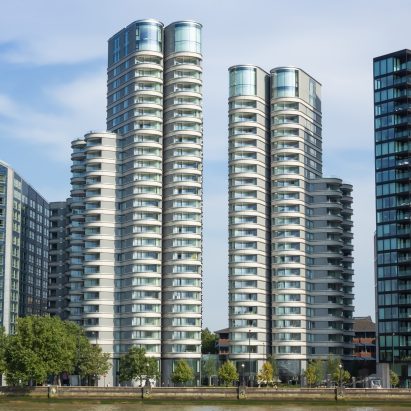
The legal outcome for Foster + Partners regarding The Corniche might be seen as a resolution, yet it highlights an ongoing blind spot in high-rise structural philosophy. While the courts determined no criminal negligence, the event itself, a falling window from a significant building, indicates a pervasive industry complacency around the long-term integrity of façade systems in dense urban settings. Conventional wisdom often celebrates the innovation of unitized facades for speed and sleekness. However, this perspective overlooks the inherent brittleness of complex, factory-assembled components subjected to dynamic urban stresses over decades. The emphasis on rapid delivery and aesthetic integration frequently overshadows rigorous, multi-decade performance modeling for every component and connection point. Within two years, regulatory bodies in major global cities will institute mandatory, cyclical, and independent material stress-testing for facade assemblies on all buildings over 10 stories, particularly targeting glass-based systems installed prior to 2020. This will uncover widespread, latent material fatigue requiring costly, retrospective reinforcement or replacement programs.
The superficiality of façade design as an architectural statement is increasingly challenged by projects like MARS Architectes’ Rue Pavée renovation. This project in Paris, navigating centuries of urban layering, demonstrates a methodology where material honesty extends beyond the new intervention to the existing fabric. The mainstream industry often treats historical buildings as static artifacts, suitable for either direct mimicry or stark contrast. This approach frequently misses the opportunity for a dialogue that enhances structural integrity while respecting the material history of a place. The genuine innovation lies in understanding the structural and material capabilities of what is already present, rather than imposing new systems that disregard existing load paths or thermal properties. Architects must adopt a forensic approach to existing buildings, examining how previous transformations have impacted structural stability and material decay. By mid-2028, a new generation of material scientists, integrating AI-driven predictive analytics, will offer real-time structural health monitoring solutions for heritage buildings. This will allow for highly targeted, minimal intervention strategies that extend building lifespans by decades without resorting to wholesale demolition or insensitive modernizations.
The primary opposing force is the entrenched economic model of urban development, which prioritizes short-term return on investment and novel construction over long-term material resilience and contextual integration. This is manifested in developer-driven mandates for rapid construction, often favoring cheaper, less robust material systems and designs that treat historical or environmental contexts as obstacles rather than assets. This profit-driven imperative often outweighs considerations of true urban responsibility or the lifecycle costs of materials.
Architecture professionals should initiate a firm-wide audit of material specifications, explicitly requesting manufacturers provide independent, third-party verified, lifecycle performance data for facade systems, structural connections, and insulation materials that extend beyond standard warranty periods.
TL;DR
The industry must prioritize long-term material resilience and contextual integration over short-term economic gains and superficial aesthetics.
Curated References

About this editorial — This piece was developed using AI-assisted research and curation across multiple industry sources. All analysis, opinions, and predictions represent the editorial perspective of JHDD. Sources are linked in the references section above.