JHDD Interior Report — 2026.08.01
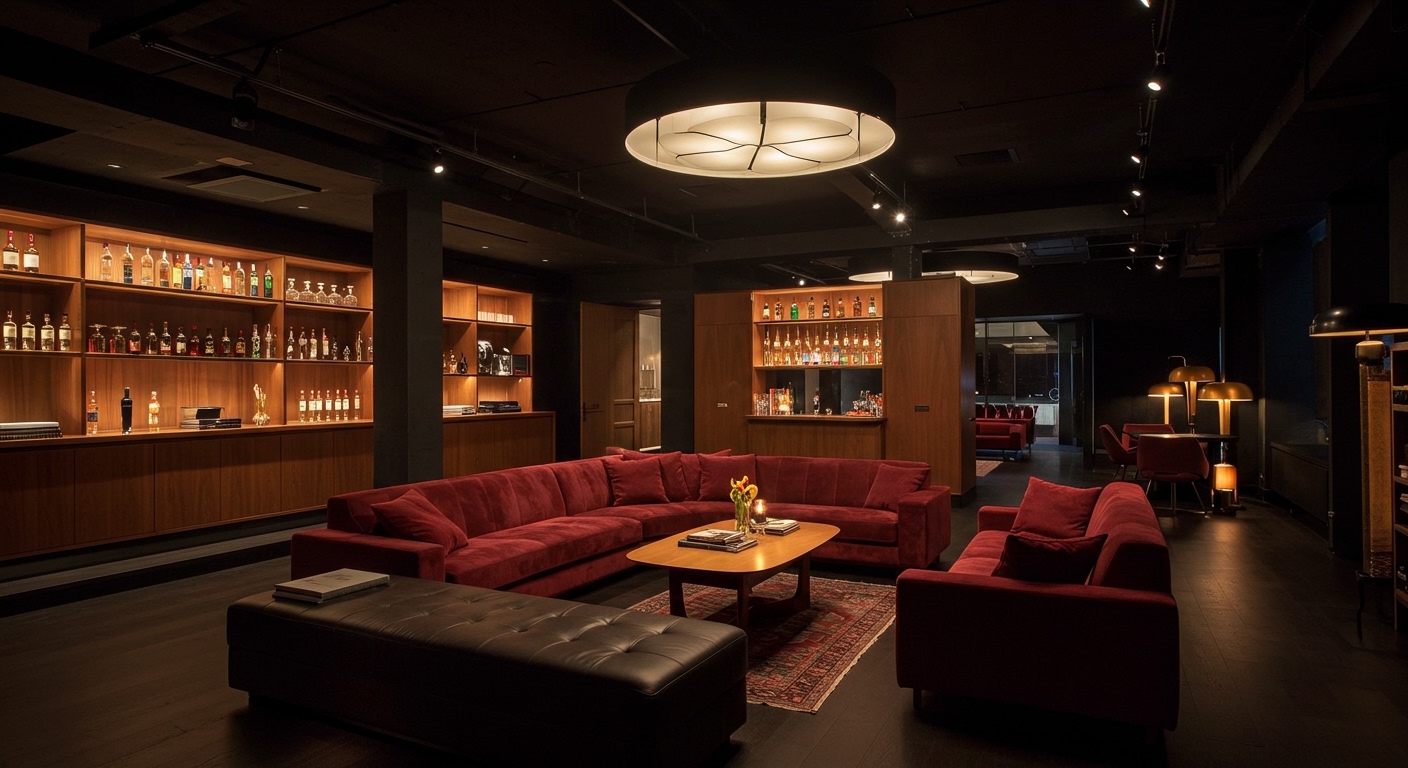
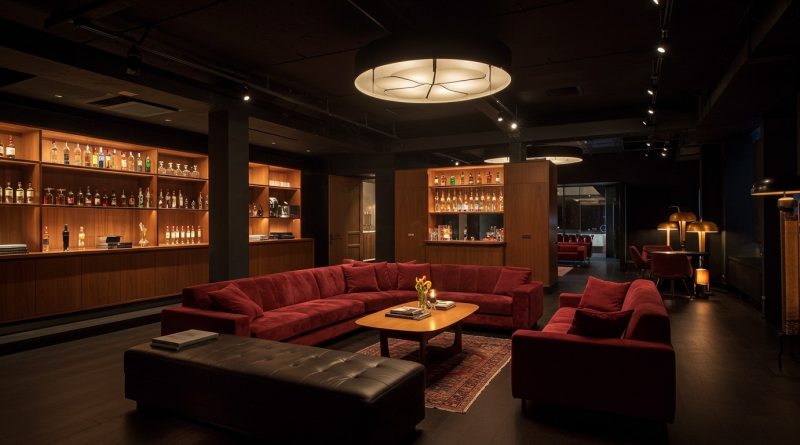
Holzrausch’s Private Club project in Munich, inspired by 1970s South American cinema, exemplifies a new emphasis on a crafted narrative in luxury interiors. This direction moves beyond mere aesthetic preference, embedding specific cultural and historical undercurrents into the very fabric of a space. Designers are increasingly using disparate historical references, distinct material palettes, and deliberate spatial friction to create environments that are both deeply resonant and subtly challenging.
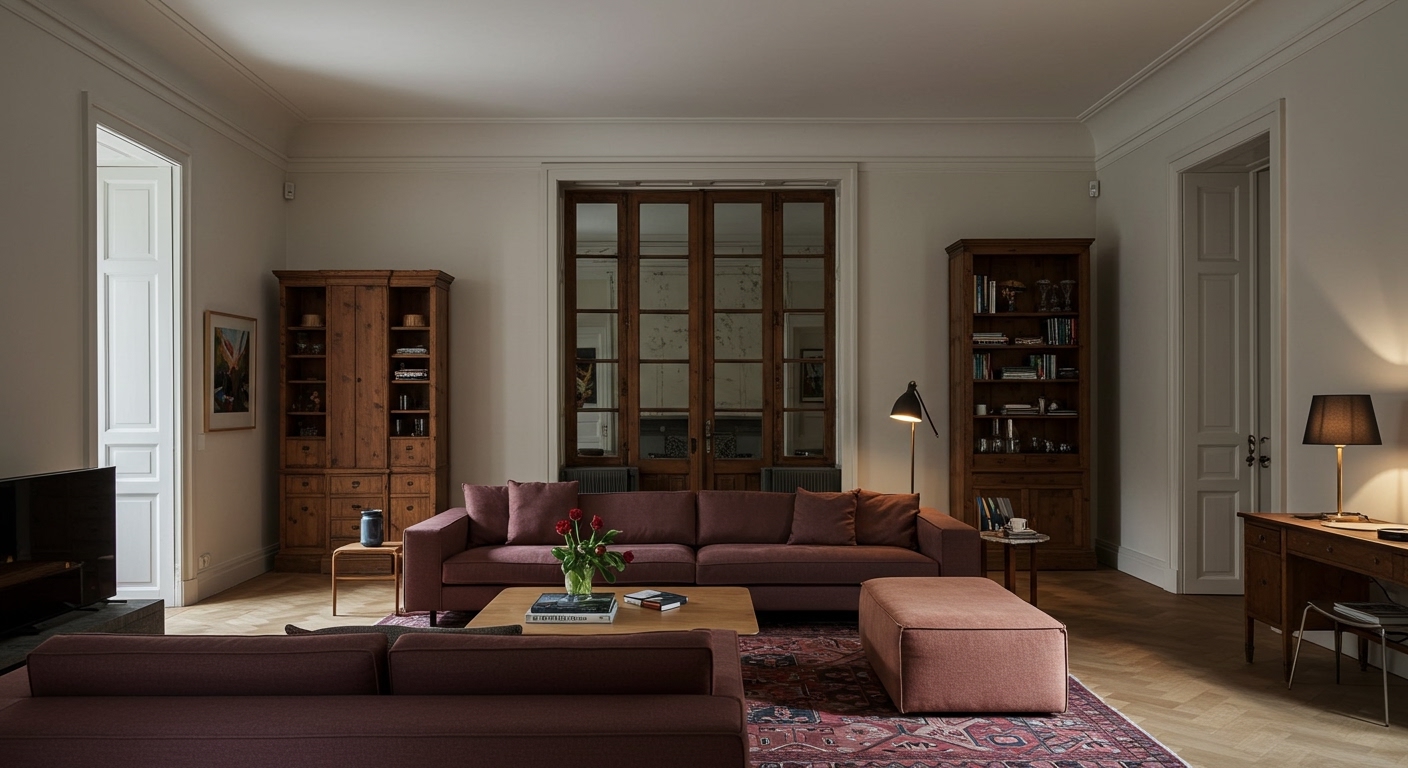
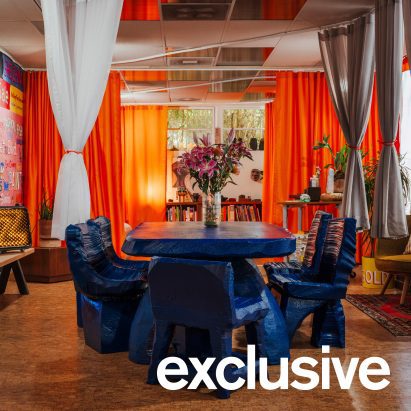
The common thread across recent projects—from Ænsemble’s layering of “contemporary layers” onto a century-old Wilhelminian home to Public Art Company’s “muppets on acid” studio interior—is a commitment to rich contextualization. These spaces are not seeking a smooth, universal appeal. Instead, they embrace complexity, allowing diverse narratives to coexist and interact within a single volume. This approach rejects the homogenizing impulse seen in much of the commercial design sector, which often prioritizes clean lines and broad market appeal above specific human experience. The deliberate integration of specific cultural touchstones, like chef Michele Pascarella’s Italian roots influencing Isern Serra’s Napoli on the Road, elevates a project beyond function to become an extension of identity and memory.
Isern Serra’s design for Napoli on the Road, with its rounded corners and curved built-in furniture, draws directly from Mediterranean vernacular architecture. This choice is not about replicating a historical style, but rather abstracting its core elements – the soft edges, the communal forms – to create a “relaxed and welcoming atmosphere” in a bustling London setting. Mainstream industry opinion often champions minimalism as the pinnacle of sophistication, equating spareness with luxury and timelessness. This perspective frequently overlooks the human need for richness, narrative, and tactile engagement. The actual luxury client, particularly in a post-pandemic world, seeks environments that tell a story, provide a sense of place, and actively engage the senses. They are weary of spaces that feel interchangeable or overtly branded. A truly refined interior now dares to be specific, even idiosyncratic, challenging occupants to discover its layers rather than immediately understanding it. This shift suggests that by late 2027, the demand for deeply narrative-driven hospitality and residential design will surpass the current appetite for generalized, ‘aspirational’ aesthetics.
The opposing force to this trend comes from the relentless pressure for efficiency and standardization in large-scale developments and corporate fit-outs. Developers and some institutional clients often favor design solutions that are scalable, easily replicable, and perceived as low-risk, prioritizing cost-effectiveness and broad marketability over bespoke narrative depth. This mindset frequently defaults to generic material palettes and spatial layouts that lack the intentional friction and layered meaning now sought by the discerning private client.
To lean into this evolving understanding of luxury, interior professionals should re-evaluate their initial client briefing processes. Rather than simply asking for functional requirements or aesthetic preferences, designers should develop narrative frameworks. This means delving into clients’ personal histories, cultural touchstones, specific memories tied to places or eras, and even fictional inspirations, similar to how Cornelia Popp used a storyboard for the Private Club project. These insights should then become the primary drivers for material selection, spatial planning, and the subtle orchestration of tactile qualities and human flow, ensuring every element contributes to a unique, layered story.
TL;DR
Luxury interior design is evolving towards highly specific, layered narratives that create deliberate spatial and material tension.
Curated References



About this editorial — This piece was developed using AI-assisted research and curation across multiple industry sources. All analysis, opinions, and predictions represent the editorial perspective of JHDD. Sources are linked in the references section above.