JHDD Interior Report — 2026.07.21
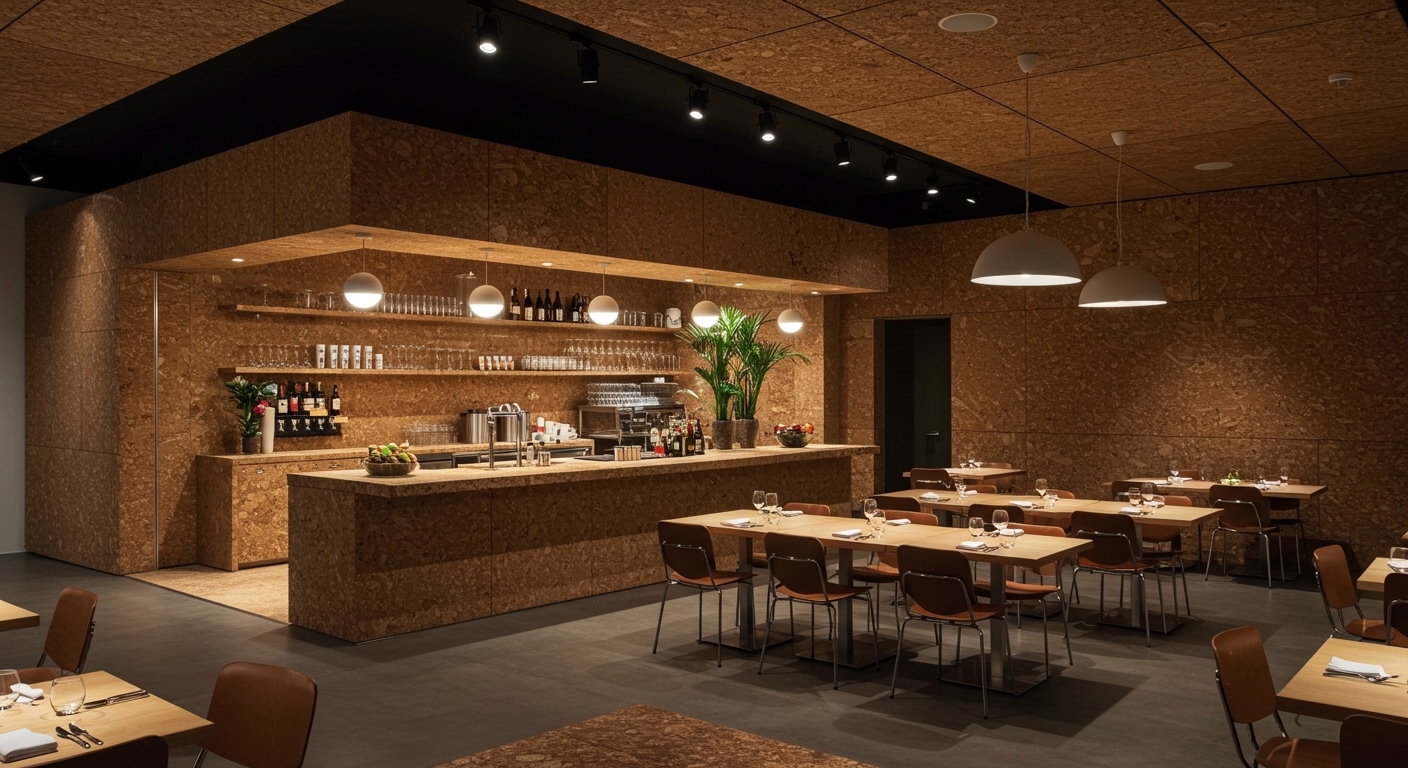
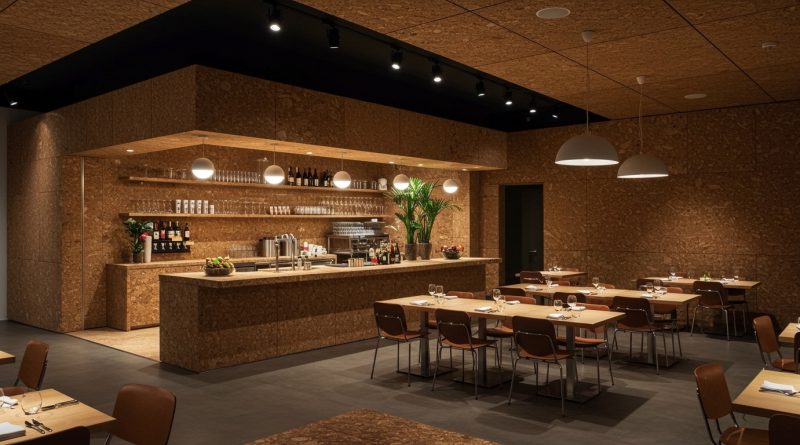
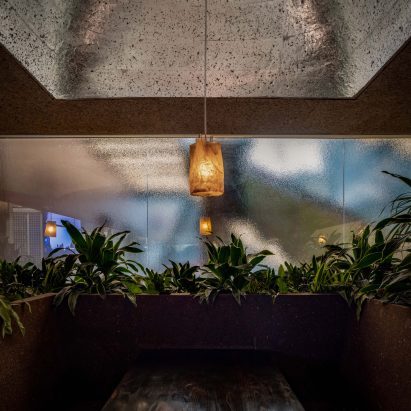
OMA’s Oberon restaurant at the New Museum, a “jewel box” clad entirely in cork, indicates a deliberate shift in spatial design.
This is not simply about material preference; it reveals a pervasive strategic intent to demarcate distinct spatial ecosystems within larger architectural envelopes. Designers are no longer aiming for seamless integration across disparate functions but deliberately cultivating specific, immersive micro-climates through tactile and visual boundaries. This approach aims to regulate human flow and emotional response with precision, creating focused zones of experience.
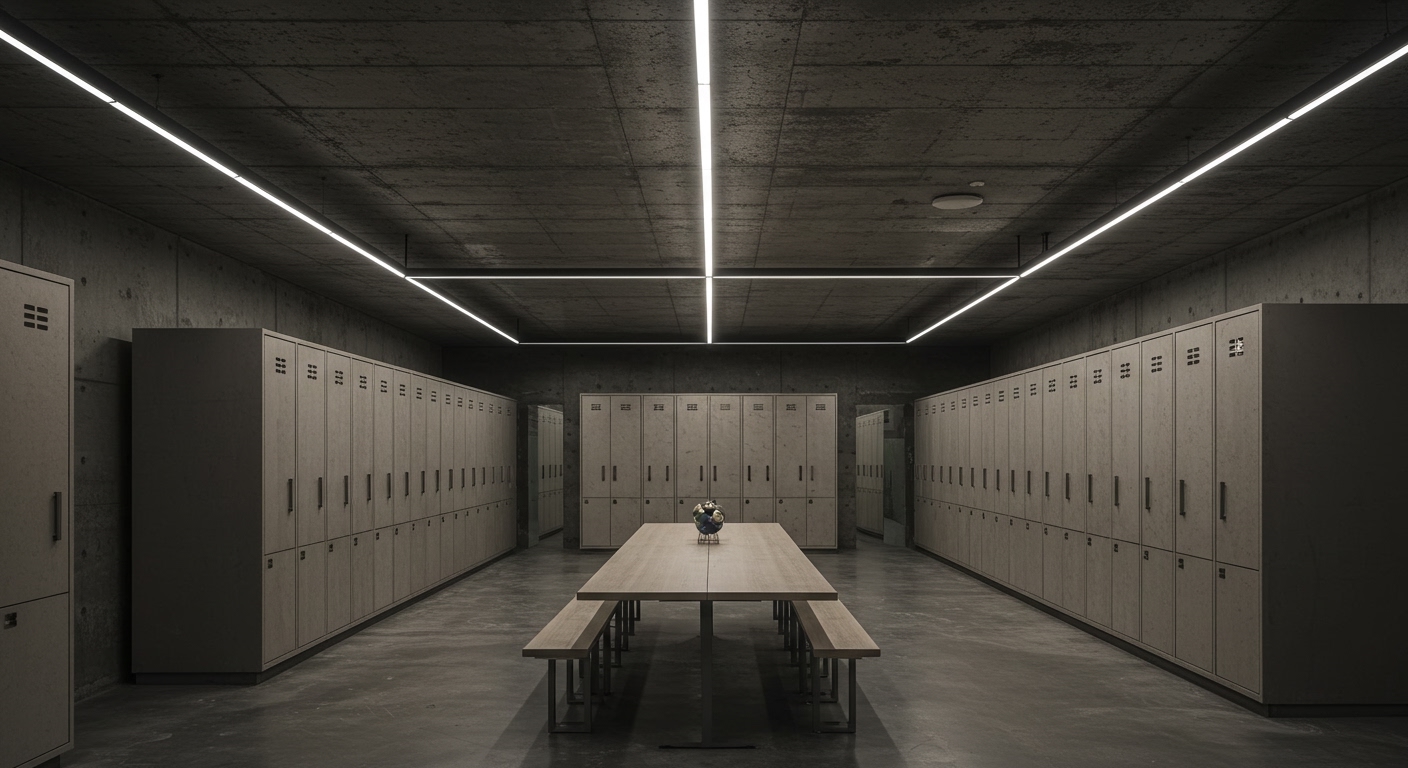
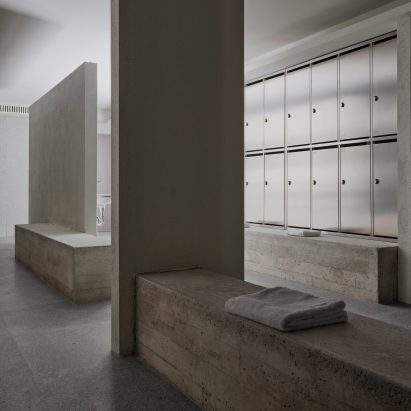
Consider Ortega Diago’s Brutalist changing rooms for the San Sebastian factory, designed for over 100 factory workers in a long, narrow space. The studio applied stark, monolithic concrete forms to a utility space traditionally overlooked for aesthetic consideration. The mainstream perspective often advocates for “softening” industrial environments, believing comfort must equate to yielding textures and warmer palettes. However, Ortega Diago’s application of Brutalism creates a contained, almost ritualistic preparation zone. The unyielding materiality of concrete here does not alienate; instead, it provides a sense of robust permanence and mental compartmentalization, an architectural “reset button” before and after labor. The spatial tension is not between comfort and harshness, but between the individual’s inner state and the external demands of work, mediated by a materially strong environment.
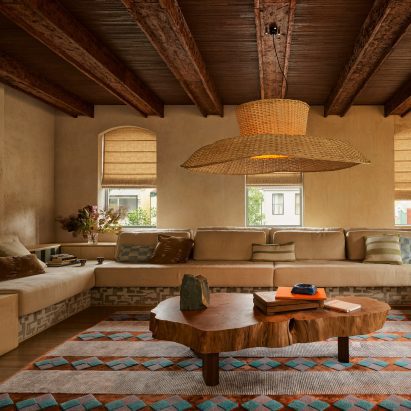
This approach, far from being niche, suggests a critical re-evaluation of spatial function. The prevailing wisdom often seeks a universal design language for broad appeal and maximum flexibility. Yet, the distinct material palates – Portinari ceramic tiles in Suite Arquitetos’ rust-toned Casa Magma showroom, or YSG’s evocative use of the Mojave desert aesthetic for a Sydney co-working space – demonstrate that specificity offers deeper engagement. It anchors the user experience within a defined context, enhancing a sense of presence. This deliberate material density and tactile assertion will increasingly define luxury and functional spaces. Rather than fluid, ambiguous transitions, designers will sculpt discrete, materially rich zones that guide human flow and perception. By early 2028, leading firms will explicitly market projects based on their specific, non-negotiable material identities, moving away from generic lifestyle branding.
The primary resistance to this specific, materially assertive design comes from value engineering models that prioritize interchangeable, cost-effective finishes and standardized modular systems. These approaches favor materials designed to blend or disappear, rather than assert. They dilute distinct spatial identity in favor of scalable, often bland, neutrality, hindering the creation of unique tactile experiences.
Interior professionals should audit their current material libraries, actively seeking out materials with pronounced tactile qualities and distinct structural presences, such as unfixed reclaimed wood, unglazed ceramics, or locally quarried stone, rather than relying on veneer or synthetic reproductions. Prioritize materials that create clear, deliberate psychological and physical transitions between spaces, even within a single room.
TL;DR
Architects are using specific, strong materials to create distinct and focused spatial experiences within broader environments.
Curated References


About this editorial — This piece was developed using AI-assisted research and curation across multiple industry sources. All analysis, opinions, and predictions represent the editorial perspective of JHDD. Sources are linked in the references section above.