JHDD Architecture Report — 2026.07.21
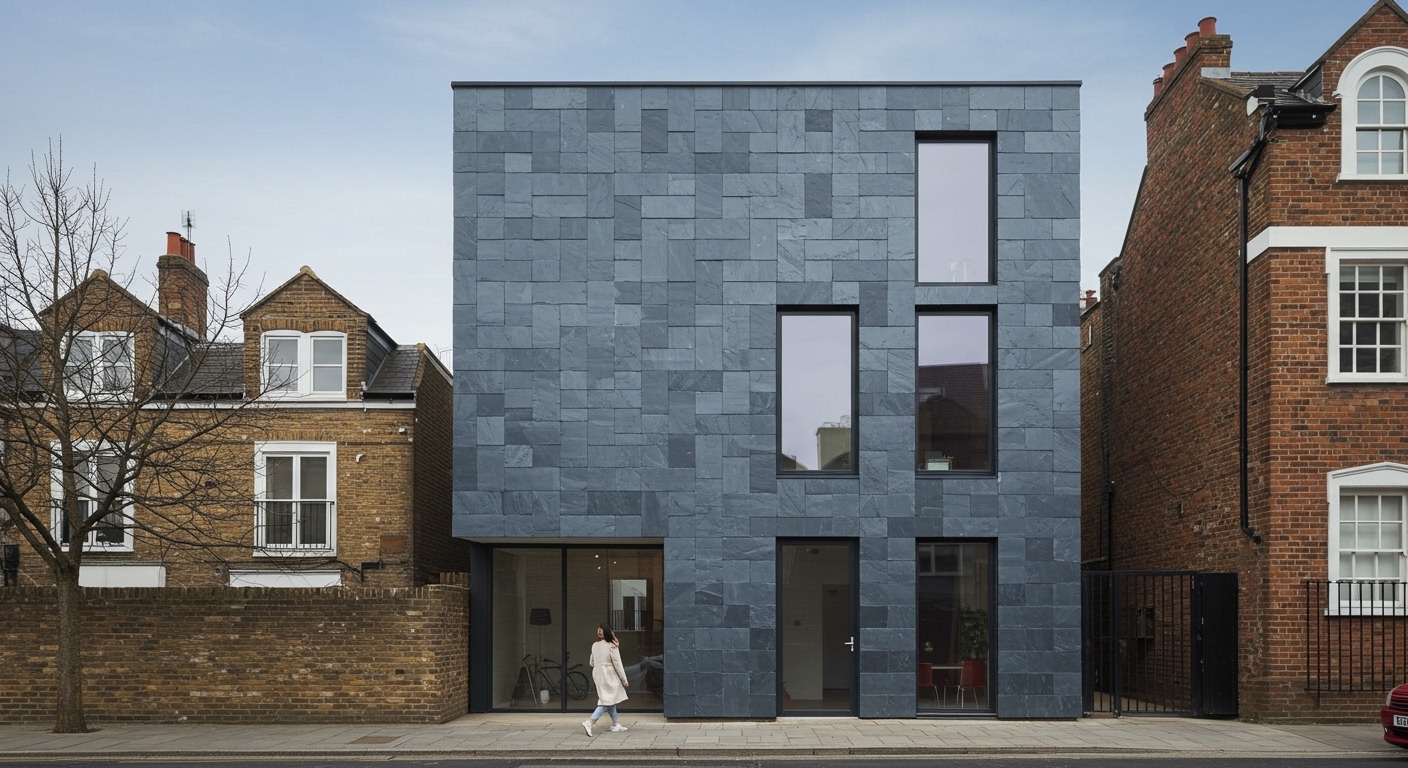
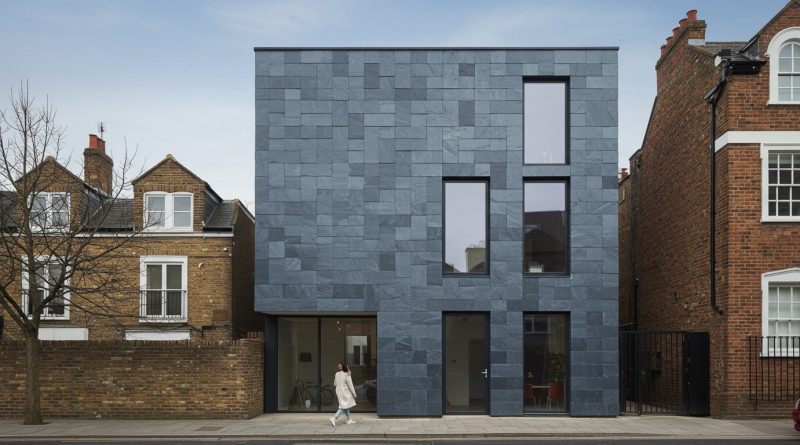
YN Studio’s Tile House in Hackney features recycled plastic tiles that deliberately mimic natural slate.
This detailed material choice, alongside Populous designing the Tottenham Hotspur Stadium for multifunctionality and Vector Architects clustering the Aranya Art Center Guangzhou around a preserved Banyan tree canopy, reveals a consistent theme. Contemporary architecture is increasingly defined by specific, situated interventions rather than abstract forms. The success of a project now hinges on how deeply it integrates with existing urban conditions, re-evaluates overlooked materials, or adapts to environmental realities. This is a quiet shift from tabula rasa to deeply informed accretion, where the site’s history and potential material stories become primary drivers.

The recycled plastic tiles on YN Studio’s Tile House exemplify a critical evolution in material innovation. While much of the industry champions a visible expression of raw, recycled content, YN Studio’s approach contradicts this mainstream sentiment. The conventional wisdom often posits that “material honesty” demands a clear, unaltered presentation of reclaimed or recycled elements, celebrating their industrial origin. However, the Tile House demonstrates that genuine material honesty lies not in a dogmatic aesthetic, but in an intelligent application that extends material utility and reduces waste, even if it involves reimagining its appearance. Mimicking natural slate with recycled plastic broadens the acceptance of sustainable materials among clients who might otherwise resist perceived aesthetic compromises. This move allows for a wider adoption of responsible material choices, moving beyond the niche appeal of overtly “recycled” aesthetics.
This material philosophy acknowledges that aesthetic continuity and context can be as vital as ecological impact in urban environments. It demonstrates that advanced material engineering can bridge the gap between historical precedent and future sustainability. Rather than imposing a completely new visual language, YN Studio integrates innovative materials into an existing architectural narrative. This strategy represents a more pragmatic and powerful pathway to widespread sustainable building. Within two years, this type of nuanced material adaptation, where recycled or repurposed materials are engineered to match the performance and aesthetic of their traditional counterparts, will become a benchmark for responsible urban extensions and infill projects across Europe and North America.
The primary opposing force to this intelligent material integration is the entrenched inertia of established construction supply chains and specification protocols. Architects and contractors often revert to familiar, readily available materials due to perceived cost efficiencies, established warranties, and simplified regulatory compliance. Furthermore, client perceptions of “luxury” or “quality” remain heavily biased towards traditional, often carbon-intensive, natural materials, making the case for innovative but less familiar alternatives a continuous challenge.
An architecture professional seeking to apply these insights should, this week, identify a current project’s key material specification and challenge it. Instead of automatically opting for a standard product, investigate local material waste streams or regional manufacturing capabilities for an equivalent or superior performance solution that could integrate with the project’s aesthetic goals, even if it requires re-engineering or adaptation. This involves direct engagement with local recyclers, material innovators, or manufacturers to explore what is genuinely available and adaptable, rather than relying solely on catalog specifications.
TL;DR
Architecture’s future depends on specific, intelligent material and urban interventions, often camouflaged by familiar aesthetics, rather than broad, abstract declarations.
Curated References



About this editorial — This piece was developed using AI-assisted research and curation across multiple industry sources. All analysis, opinions, and predictions represent the editorial perspective of JHDD. Sources are linked in the references section above.