JHDD Interior Report — 2026.06.15
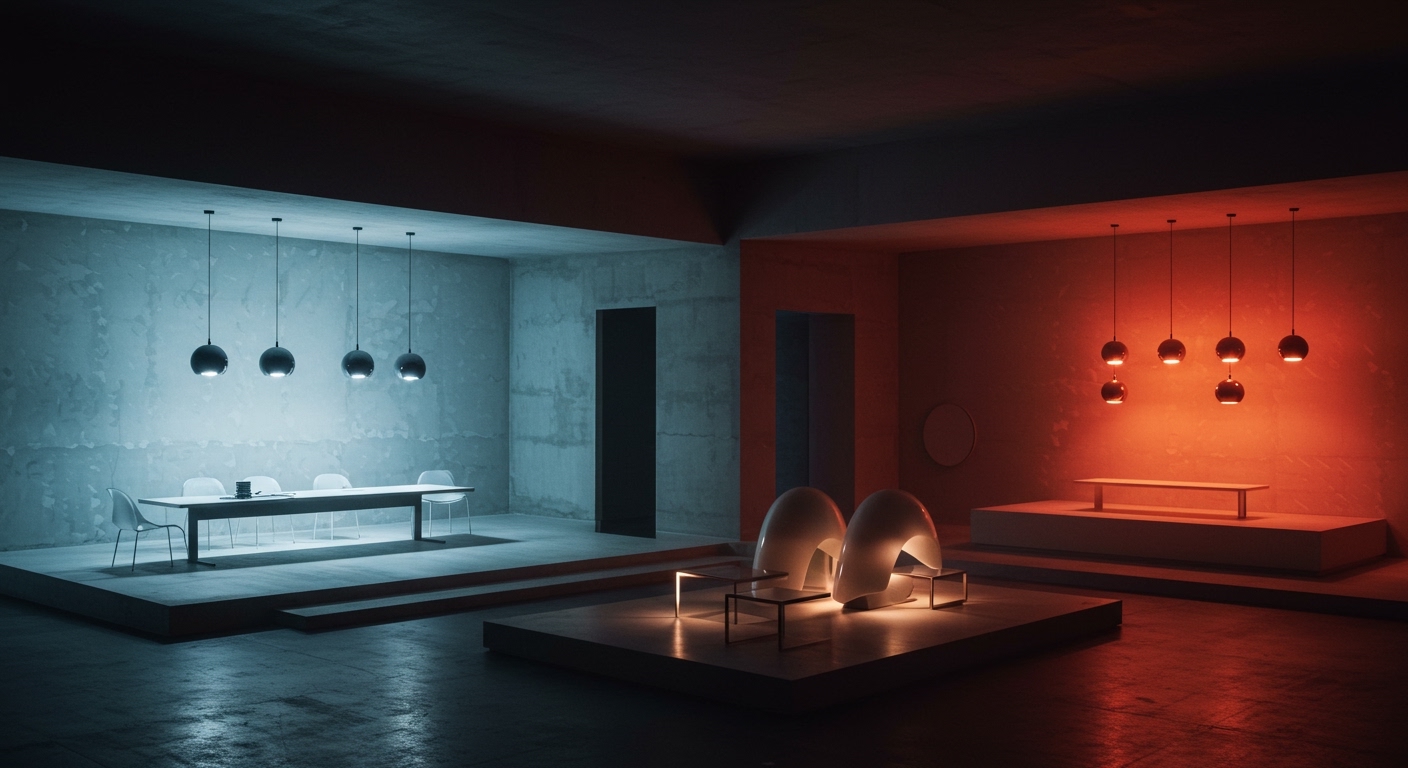
The pervasive pursuit of curated sensory engagement is not merely a trend, but the fundamental currency of contemporary interior design.
These disparate projects, from aerospace offices to wellness studios and dining establishments, collectively illuminate a seismic shift: the strategic weaponization of materiality and spatial choreography to engineer specific human states. This isn’t about aesthetics; it’s about influencing neurochemistry through tactility, scale, and the nuanced control of human flow. The underlying force is the demand for interiors that actively perform, serving not just as backdrops, but as sophisticated facilitators of focus, relaxation, or social connection. This phenomenon can be precisely named the “Emotive Architecture” imperative.
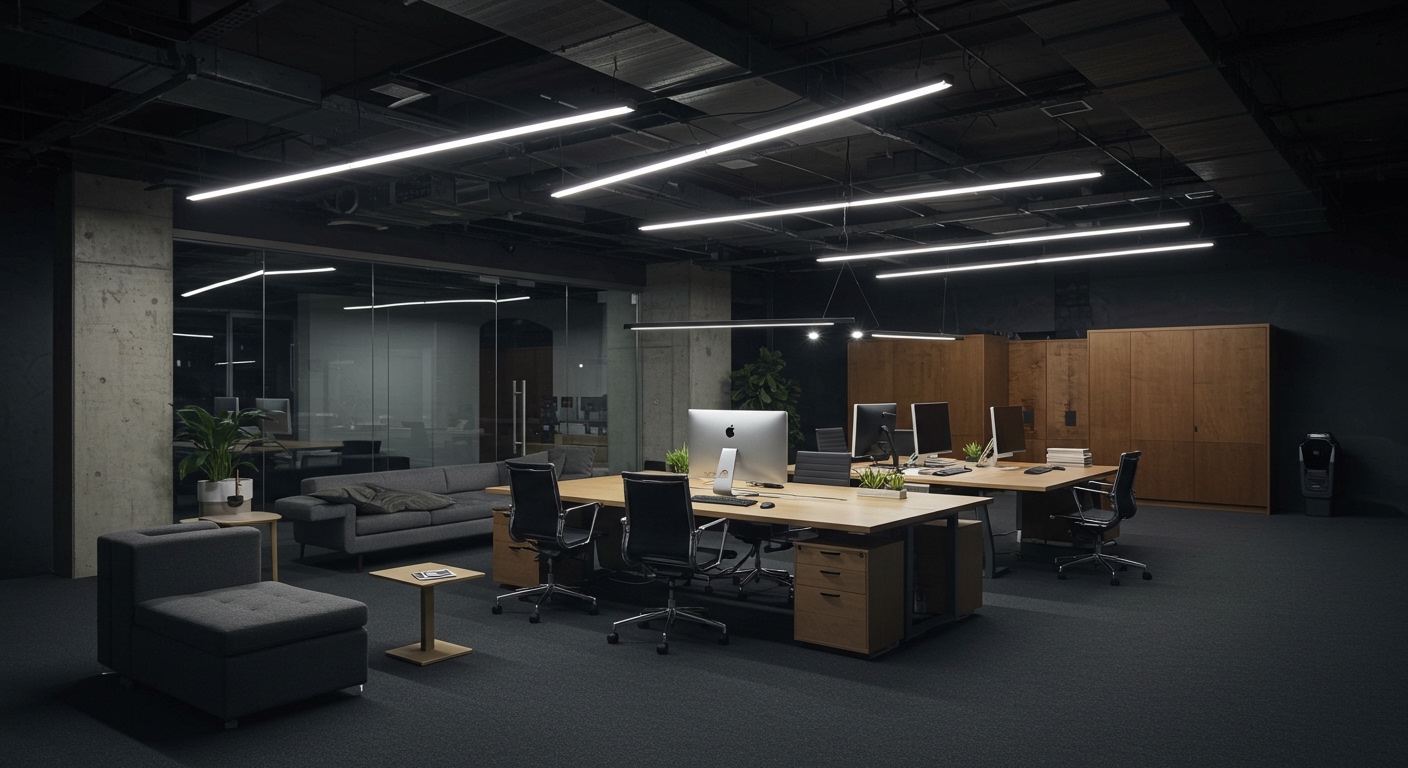
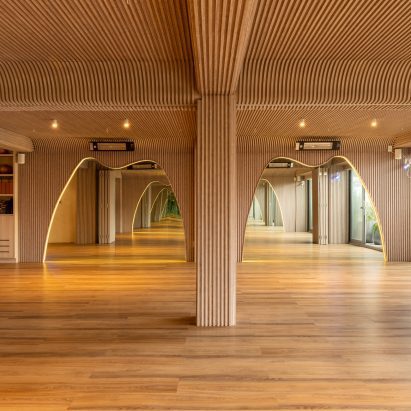
Beneath the surface of these individual commissions lies a profound recalidation of an interior’s purpose. Designers are moving beyond passive environmental provision to proactively designing for emotional and cognitive outcomes. Consider the Charlap Hyman & Herrero project for an aerospace manufacturer; the custom workstations aren’t just functional furniture, they’re designed to imbue a sense of focused productivity and futuristic aspiration. This is a departure from the prevailing notion of open-plan offices designed solely for collaboration, suggesting a more nuanced understanding of individual work states. Conversely, Talo Atelier’s Align Studio in Mexico City, with its light-oak tambour panelling, exemplifies a deeply considered approach to spatial tension. The curves and continuous materiality create a sinuous, almost hypnotic flow, deliberately designed to guide patrons into a state of centered calm. This deliberate manipulation of form and material to evoke specific emotional responses directly contradicts the still-dominant industry narrative that prioritizes flexibility and adaptable spatial configurations above all else. While adaptability has its place, the future, by late 2026, will see a significant bifurcation: highly utilitarian, adaptable spaces will coexist with, and indeed be overshadowed by, intensely curated environments designed for specific, pre-determined human experiences.
The friction in this escalating demand for experiential interiors arises from the inherent tension between personalization and mass production, and critically, between the ephemeral nature of curated experiences and the built environment’s permanence. Brands that rely on easily replicable, trend-driven aesthetics—think ubiquitous minimalist palettes or generic biophilic elements—will find themselves rapidly outmoded. Their resistance lies in clinging to a model of design that is reactive rather than proactive, focusing on surface-level appeal rather than deep-seated human engagement. This tension reveals the critical importance of authenticity and narrative in design; spaces that merely mimic sensory experiences without a genuine underlying intent will feel hollow.
For a working interior professional, this necessitates an immediate recalibration of the design brief. Beyond understanding a client’s stated needs, one must delve into the desired psycho-emotional outcome. After reading this, interrogate your next project: can the materiality of, for instance, a hallway wall be designed to reduce anxiety upon entry, not just to look pleasing? Can the spatial arrangement of a waiting area actively encourage contemplation rather than impatience? This week, begin mapping the emotional journey of the occupants within your designed spaces, focusing on how tactile qualities and the subtle shaping of human flow can intentionally cultivate specific states of being.
Emotive Architecture: The intentional sculpting of sensory experience through materiality and spatial tension to direct human states.
Curated References



About this editorial — This piece was developed using AI-assisted research and curation across multiple industry sources. All analysis, opinions, and predictions represent the editorial perspective of JHDD. Sources are linked in the references section above.