JHDD Branding Report — 2026.10.13
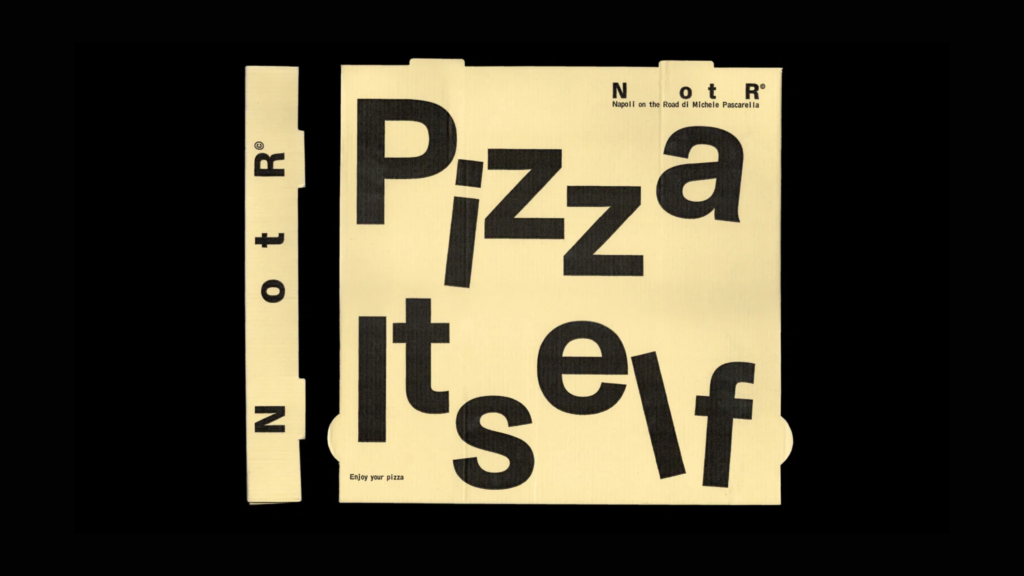
Vrints-Kolsteren’s identity for Napoli on the Road is lauded for bringing a “little mischief to minimalism.”
This specific approach to visual identity, a deliberate embrace of character and unexpected quirks, appears across recent F&B projects. All Purpose delivered an identity for Two Tribes Brewing that is ‘craft’ yet intentionally moves beyond generic category tropes. Pentagram’s work for pizza place Parla and Center’s branding for Riff, both critiqued by packaging expert Lisa Cain, similarly suggest a move toward defining brands through specific, often playful, visual signatures rather than broadly accessible aesthetics. Even Koto’s branding for the Franki app, described as “lively, thoroughly human, and just the right amount of cute,” points to a strategic prioritisation of personality over pure functional clarity. These signals indicate a widespread pivot from universal design principles to highly particular cultural touchpoints.
The industry consensus often dictates that robust brand equity is built upon scalable, consistent visual identity systems, ensuring instant recognition and streamlined application across all touchpoints. However, this perspective increasingly misses the point in sectors like food and beverage where cultural relevance and emotional resonance are paramount. Koto’s approach for Franki, consciously opting for “cute” and “human” elements rather than universal sleekness, directly defies the efficiency-first mindset. Instead of stripping away distinguishing features to create a blandly applicable system, these brands are doubling down on unique visual character. This is not merely an aesthetic choice; it is a strategic repositioning of market value. Mainstream branding frequently seeks to minimize friction and maximize reach through broad, inoffensive appeal. Yet, the true power of these new identities lies in their strategic, often selective, appeal, creating immediate cultural affinity with a specific segment by speaking a unique visual language, even if it means consciously foregoing a wider, less engaged audience. This targeted intimacy is a far more potent equity builder than superficial ubiquity.
This shift fundamentally redefines market positioning, moving from broad demographic targeting to precise psychographic and cultural alignment. Visual identity systems are no longer simply a set of rules for application but a curated lexicon of cultural signals. A brand’s visual identity becomes its primary mechanism for cultural insertion and resonance, rather than a mere identifier. It is how a brand gains permission to participate in specific cultural conversations. Within the next two years, many established brands that have invested heavily in generic, scalable identity systems will struggle to maintain their cultural footing and market share against agile competitors. These new entrants will have built deeper, more resilient brand equity through distinctive, culturally fluent visual voices that create instant emotional bonds and community with their target audiences, prioritizing deep cultural traction over broad, diluted recognition. They will capture loyalty through specific appeal.
This strategic lean into specific character and cultural distinctiveness is met with substantial resistance from risk-averse corporate brand management departments and large agencies accustomed to delivering extensive, albeit often anodyne, brand guideline manuals. Their entrenched preference for measurable consistency and a fear of “dilution,” or any deviation from a rigidly defined system, often stifles the very distinctiveness that allows new brands to break through the noise. The internal pressure to achieve universal approval ratings on creative work, or to fit every brand expression into a pre-defined modular system, directly counteracts the development of truly unique visual charisma and cultural signaling. This opposition favors operational simplicity over market impact.
A working branding professional must now advocate for a deeper investment in cultural intelligence and ethnographic research at the outset of any identity project, moving beyond superficial trend-spotting. Rather than beginning with mood boards of abstract aesthetics, professionals should insist on identifying and articulating the specific cultural codes, community values, and emotional states the brand seeks to embody. The visual identity brief should prioritize designing for specific cultural resonance and emotional impact, even at the cost of perceived universality or modular scalability. This ensures that visual assets convey a precise, authentic character that resonates deeply with a defined audience, building potent cultural equity from the ground up.
TL;DR
Brands are finding equity in deliberate character and cultural distinctiveness, not just systematic consistency.
Curated References




About this editorial — This piece was developed using AI-assisted research and curation across multiple industry sources. All analysis, opinions, and predictions represent the editorial perspective of JHDD. Sources are linked in the references section above.