JHDD Branding Report — 2026.06.30
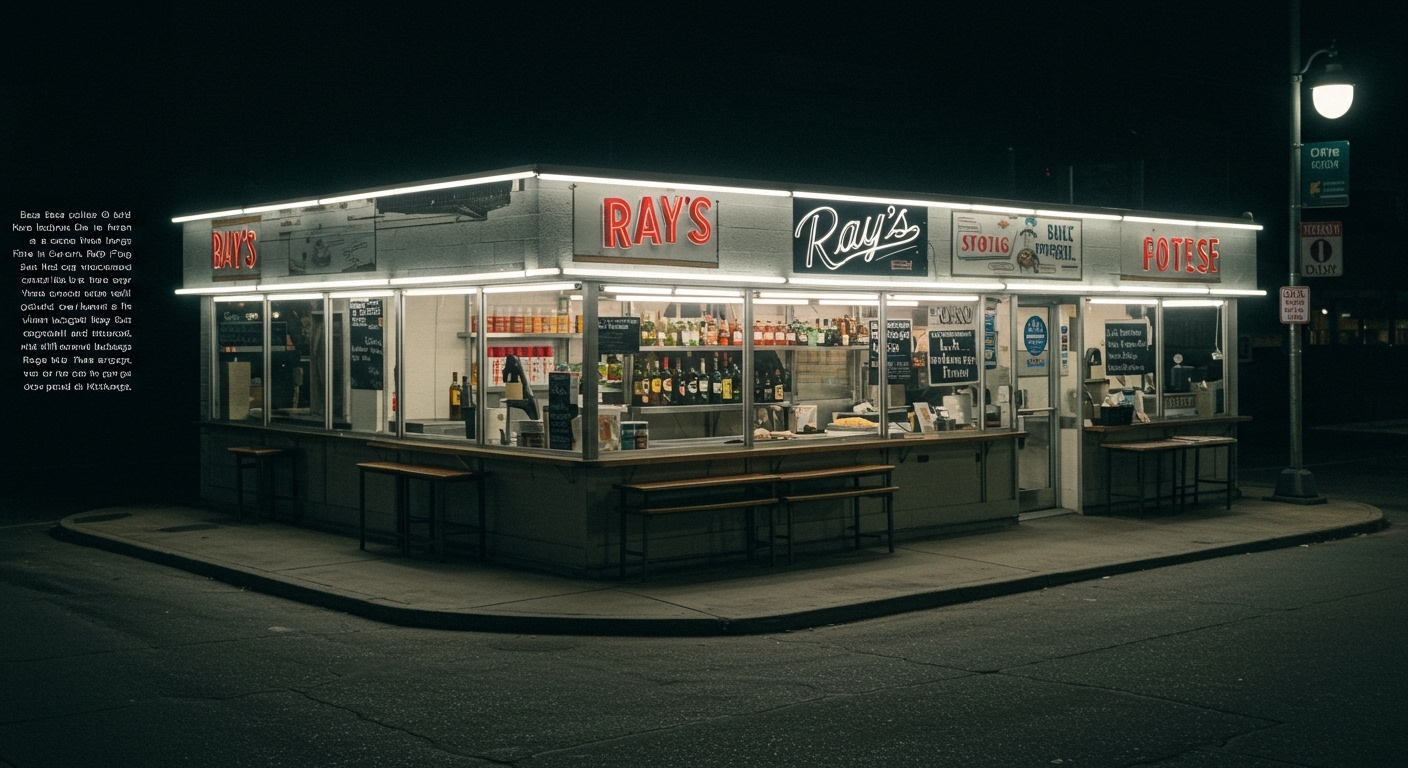
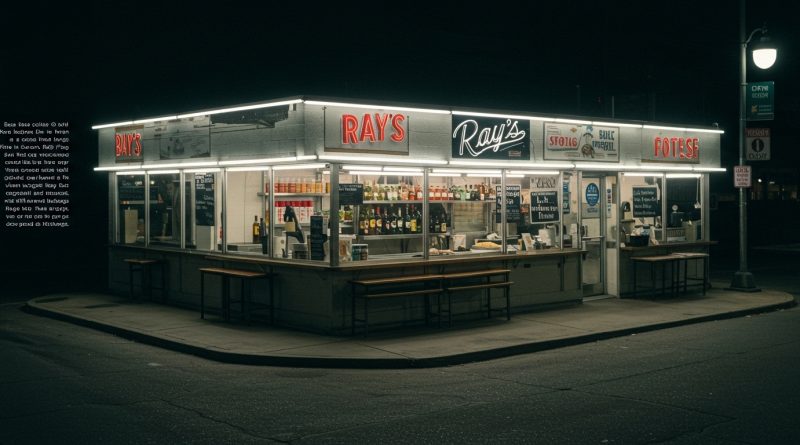
Base Design lavished the same respect and craft on Ray’s, an ’80s small-town seafood spot, as they would a global institution.
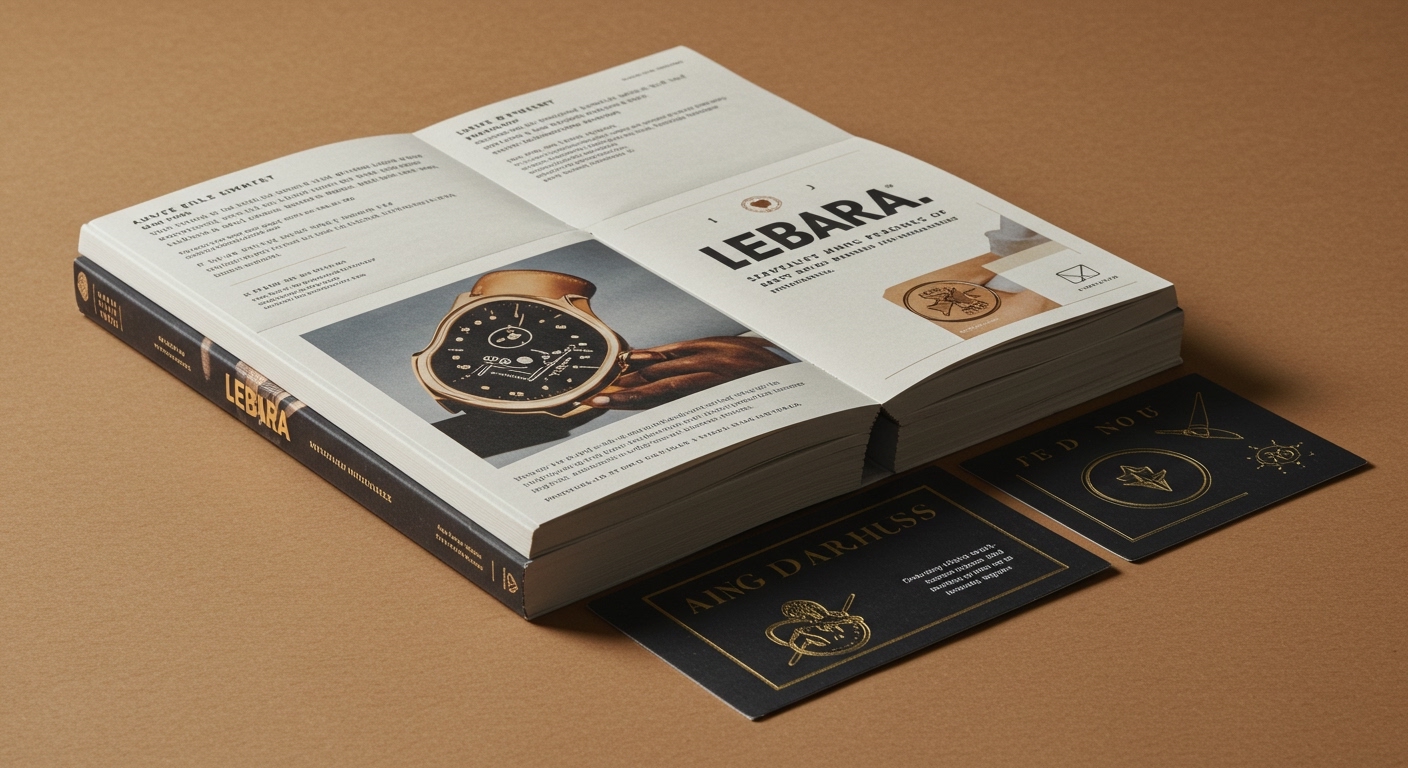
This observation, alongside Verve’s work for Lebara and How & How’s approach to Bristol Dockyards, reveals a significant reorientation in high-end brand strategy. Top-tier agencies are increasingly applying their full intellectual and creative capital not to generic, scalable entities, but to brands deeply embedded in specific local cultures or previously misunderstood niches. This trend prioritizes excavation and articulation of existing, often unspoken, cultural equity over the creation of entirely new, globally aspirational narratives.
The engagement of an international firm like Base Design with Ray’s, a distinctly local establishment, represents more than a philanthropic gesture. It indicates a strategic recognition that profound brand equity often resides in the authenticity and lived experience of smaller, community-centric businesses. Mainstream industry often dictates that large agencies must pursue large, multinational clients for prestige and profit, yet the work on Ray’s demonstrates that the most potent brand stories are frequently found in the specific, the beloved, and the unglobalized. This contradicts the conventional wisdom that high-impact branding is inherently tied to high-volume markets or widespread recognition. The real innovation lies not in expanding reach, but in deepening roots.
Agencies are discovering that decoding and refining the existing cultural signals of a brand like Ray’s – its ’80s heritage, its local appeal – yields robust, defensible market positioning that resonates far more deeply than fabricated universal appeals. This strategic shift builds enduring brand equity by validating an audience’s existing affection rather than attempting to forge new, superficial connections. This publication predicts that by mid-2027, a significant number of mid-to-large creative agencies will have established dedicated “cultural archaeology” or “local lore” divisions, explicitly targeting regional heritage brands and place-making projects to diversify their portfolios and hone their strategic insights.
The primary resistance to this model comes from the persistent pressure within the agency landscape to chase projects with immediate, quantifiable global scalability and large media budgets. Many firms continue to prioritize brands whose market positioning can be easily replicated across diverse geographies, often overlooking the labor-intensive, nuanced cultural immersion required to genuinely uplift a hyper-local entity like Bristol Dockyards or a historically overlooked name like Lebara.
A working branding professional should actively seek out projects that require deep ethnographic research and hyper-local cultural immersion, even if they appear smaller in scope. Instead of relying solely on demographic data, spend time understanding local narratives, historical context, and the subtle, unspoken codes that define community affinity. This week, identify a local, beloved but visually neglected business in your city and develop a pro-bono pitch focused purely on articulating its existing cultural equity through visual identity.
TL;DR
Top branding agencies are finding significant equity and strategic depth by focusing on authentic, hyper-local brands and cultural contexts.
Curated References
About this editorial — This piece was developed using AI-assisted research and curation across multiple industry sources. All analysis, opinions, and predictions represent the editorial perspective of JHDD. Sources are linked in the references section above.