
JHDD Branding Report — 2026.06.12

The brief is the last thing keeping agencies alive.
A subtle but seismic shift is occurring, a recalibration of how brands leverage visual identity not just as a communicative tool, but as an active participant in shaping cultural discourse. Across diverse sectors – from experiential museums and wellness beverages to functional haircare and hyper-local food concepts – the common thread is a deliberate move away from purely aesthetic signifiers towards identities that embody nuanced cultural positions and actively foster community. This isn’t simply about looking good; it’s about embodying a distinct worldview, a principle of operation that resonates with specific cultural currents. This underlying force, the distillation of brand purpose into tangible, resonant cultural artifacts, is rapidly becoming the primary driver of market differentiation.
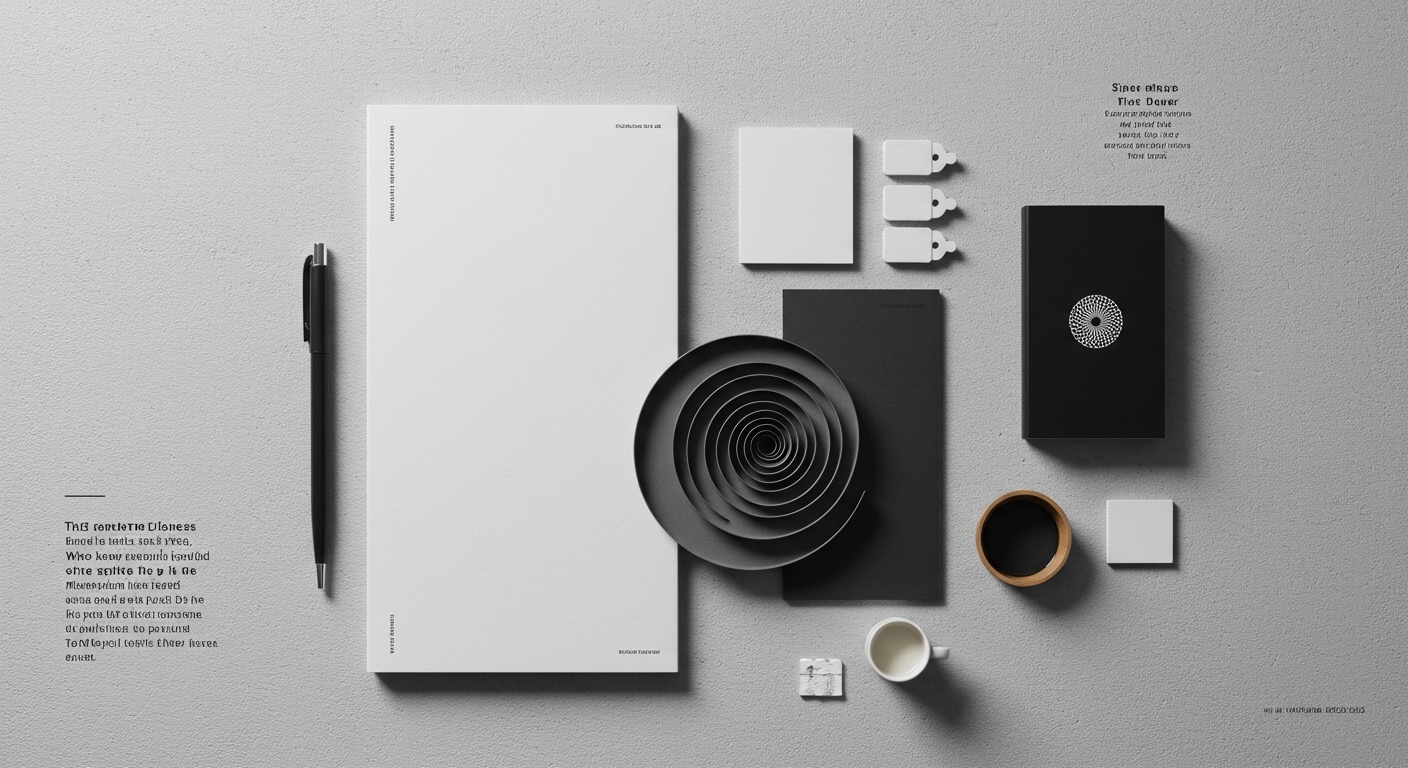
What is actually happening beneath the surface is a profound embrace of “cultural pragmatism” within brand strategy. Brands are no longer content to merely signal aspiration or functional benefit; they are actively seeking to occupy and influence specific cultural niches. This requires visual identities that are not just aesthetically pleasing but are also inherently interpretable, capable of generating dialogue and forging genuine connections. Consider Pentagram’s work for the Museum of Narratives (MoN Takanawa). The spiral motif, while visually engaging, is not merely decorative; it’s a deeply resonant symbol that can be interpreted across art, science, and cultural narratives, mirroring the museum’s cross-disciplinary mission. This goes beyond standard brand storytelling, which often feels prescriptive. Instead, it’s about creating generative visual systems that allow audiences to co-create meaning. This is a departure from the prevailing industry narrative that often prioritizes broad appeal and universal messaging. The conventional wisdom often suggests that complexity and niche appeal can alienate larger audiences. However, by late 2026, brands that successfully deploy highly specific, culturally attuned visual languages will see significantly higher levels of audience engagement and loyalty than those relying on generalized visual tropes.
This shift necessitates a move towards visual identity systems that are less about static logos and more about dynamic, adaptable frameworks that can evolve with cultural context. The success of brands like Leo, a hair rejuvenation company aiming to destigmatize hair loss, demonstrates this. Their “bold, no nonsense” identity, as described by Creative Spark, signals not just a product but a supportive and understanding ethos. This isn’t about a trend-chasing aesthetic; it’s about a strategic alignment with a burgeoning cultural conversation around self-acceptance and practical solutions. Similarly, the careful consideration of packaging for Sunwink and Bu Deli, as highlighted in the provided context, indicates an understanding that every touchpoint is an opportunity to reinforce a brand’s cultural stance. The future of brand equity will be built on these strategically deployed cultural signals, not just on historical precedent or market share.
The friction in this evolving landscape arises from legacy brand architectures and a fear of alienating broader demographics. Many established organizations, deeply invested in their existing brand equity, are hesitant to embrace the specificity and potential ambiguity that comes with truly culturally resonant identities. They cling to the security of universally understood symbols and messaging, fearing that a sharp cultural stance might inadvertently exclude. This resistance is understandable, rooted in a historical emphasis on broad reach. However, this cautious approach risks rendering brands irrelevant to a generation increasingly seeking authenticity and belonging within specific cultural communities. The tension lies between the desire for mass appeal and the growing imperative for authentic, niche engagement, a tension that will increasingly define brand success or failure.
A working Branding professional should, this week, audit their current visual identity systems through the lens of cultural resonance and generative potential. Instead of asking “Does this look good?” or “Is this on trend?”, ask: “Does this embody a specific cultural position?” and “Does this visual system invite interpretation and dialogue, rather than simply dictating meaning?” This involves moving beyond the superficial execution of design and delving deeper into the underlying strategic intent and its capacity to spark cultural connection.
TL;DR
Brands are winning by actively cultivating specific cultural communities through generative visual identities, a strategy that will displace broad-appeal aesthetics by late 2026.
Curated References
About this editorial — This piece was developed using AI-assisted research and curation across multiple industry sources. All analysis, opinions, and predictions represent the editorial perspective of JHDD. Sources are linked in the references section above.