JHDD Architecture Report — 2026.08.18
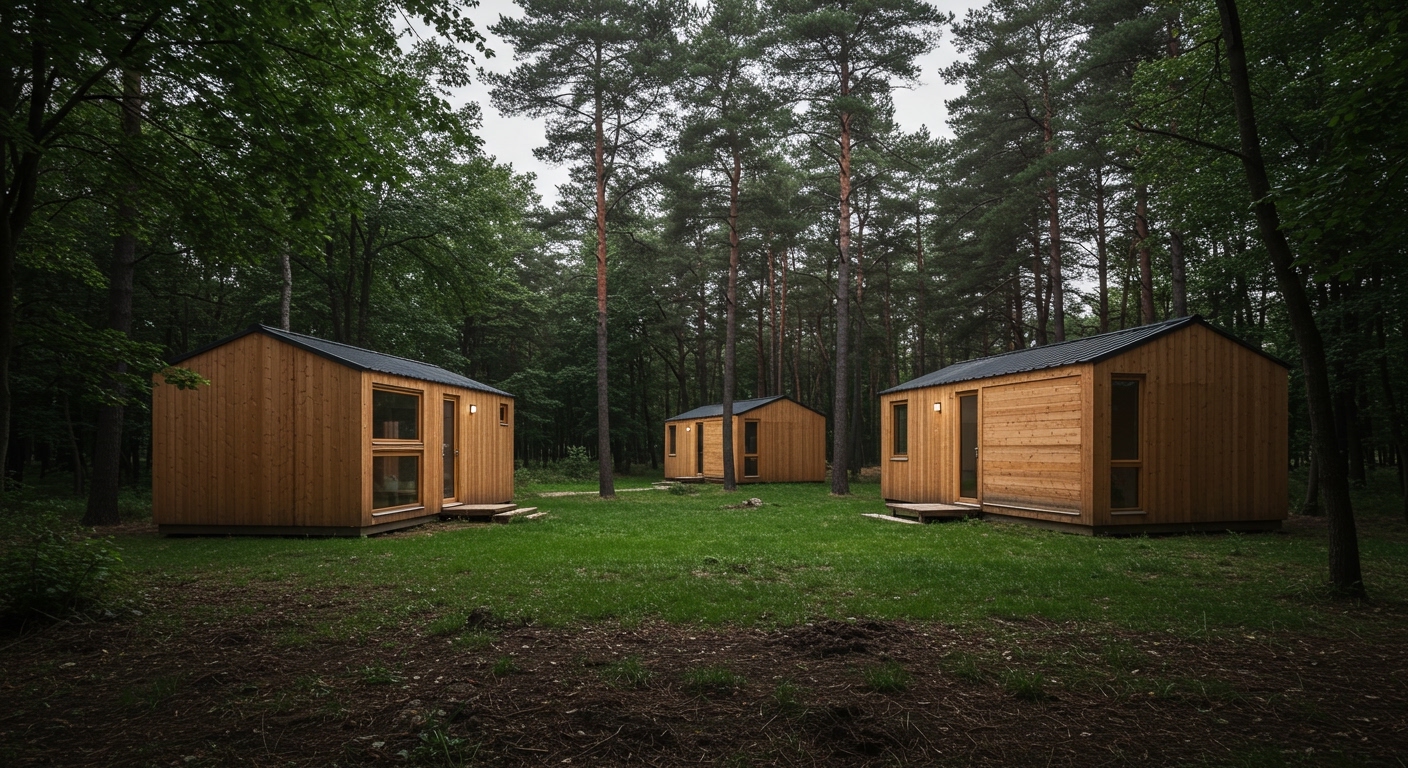
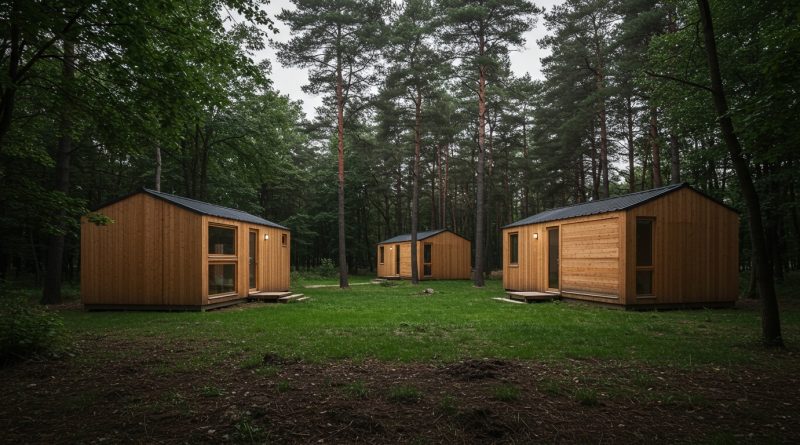
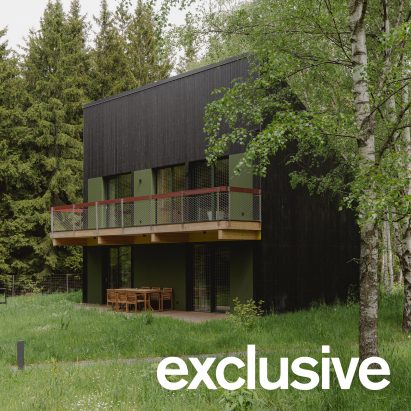
Kuba Woźniczka’s Studzienno 27 holiday cabins demonstrate a deliberate limitation of architectural footprint within the Stołowe Mountains National Park.
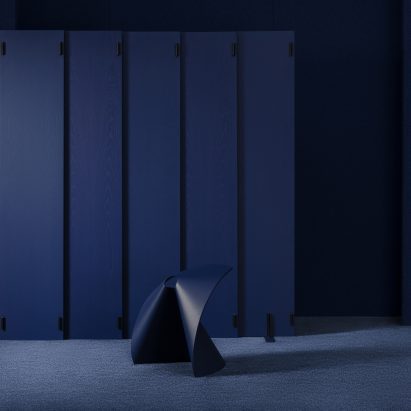
This specific approach, leaving 85 percent of the natural landscape untouched, reflects a broader, unstated industry shift. Rather than maximizing intervention, contemporary practice increasingly grapples with minimizing impact and integrating with existing conditions. From the re-evaluation of product lifecycles through Raffaella Mangiarotti’s new colour palette for Lapalma, which updates existing products, to the exploration of “Provisional and Participatory Practices from East Asia” in the “Loose Fit” exhibition, design intelligence is increasingly focused on adaptation and resourcefulness. Even the market’s extreme valuation of the Ferrari Luce points to a new kind of curated scarcity, where a brand’s legacy is reinterpreted for changing environmental demands.
The mainstream architectural narrative often champions grand gestures and expansive new constructions as markers of progress, frequently overlooking the inherent material and ecological costs. However, Kuba Woźniczka’s work at Studzienno 27, where black-timber structures are carefully nestled into the woodland, directly contradicts this expansionist impulse. This project exemplifies a structural philosophy rooted not in domination, but in deference to the existing natural system. It challenges the conventional wisdom that significant architectural contribution requires significant land appropriation or a vast new material supply chain. The design’s primary innovation lies in its visible restraint, its considered use of a specific, locally sympathetic material palette, and its commitment to allowing the built form to recede rather than impose itself upon the landscape. This demonstrates material honesty through the direct expression of timber and urban responsibility through the preservation of untouched natural ground, even in a remote setting.
This architectural humility is not a compromise but a highly refined design act, demanding a deeper understanding of site ecology, existing structures, and material behavior across its entire lifecycle. Architects are beginning to understand that true sustainability is a continuous negotiation with the environment, not a one-time certification. By mid-2028, the industry will see a measurable rise in commissions explicitly focused on regenerative landscape design integrated with minimal, adaptable building interventions. These projects will increasingly favor modular structural systems and bio-based material innovations sourced from within 100 kilometers of the site, making the built form not just less impactful, but actively restorative to its context over time.
This progressive alignment with existing conditions faces significant resistance from the entrenched mechanisms of traditional development economics. These systems prioritize rapid turnover, maximum developable square footage, and often equate value with absolute newness and scale, perpetuating cycles of extractive consumption. The $40 million sale of the Ferrari Luce, while signaling an embrace of electric vehicles, exemplifies how extreme market values can still be placed on objects of brand exclusivity and manufactured scarcity rather than universal sustainable impact. This highlights a persistent tension, as explored by John DeFerrari in Palaces of the Public, where commercial forces have historically shaped built environments—from taverns to modern hotels in Washington, DC—primarily to serve financial agendas, often at the expense of broader urban and ecological responsibility. The pressure for immediate, quantifiable returns frequently overrides long-term ecological and community benefits.
A working architecture professional should immediately initiate a comprehensive material lifecycle assessment for all active projects, particularly those involving renovation or expansion. Prioritize adaptive reuse of existing building stock over new ground-up construction wherever feasible. When new structures are unavoidable, specify materials with demonstrably low embodied energy and high potential for either biodegradability or indefinite recyclability. Crucially, integrate landscape preservation and regeneration as a primary structural and philosophical consideration from the earliest conceptual stages, rather than an aesthetic add-on, challenging clients to see the value in what is left unbuilt.
TL;DR
Design intelligence increasingly values minimal intervention, resourcefulness, and deep integration with existing environments over expansive new development.
Curated References

About this editorial — This piece was developed using AI-assisted research and curation across multiple industry sources. All analysis, opinions, and predictions represent the editorial perspective of JHDD. Sources are linked in the references section above.