JHDD Architecture Report — 2026.08.05
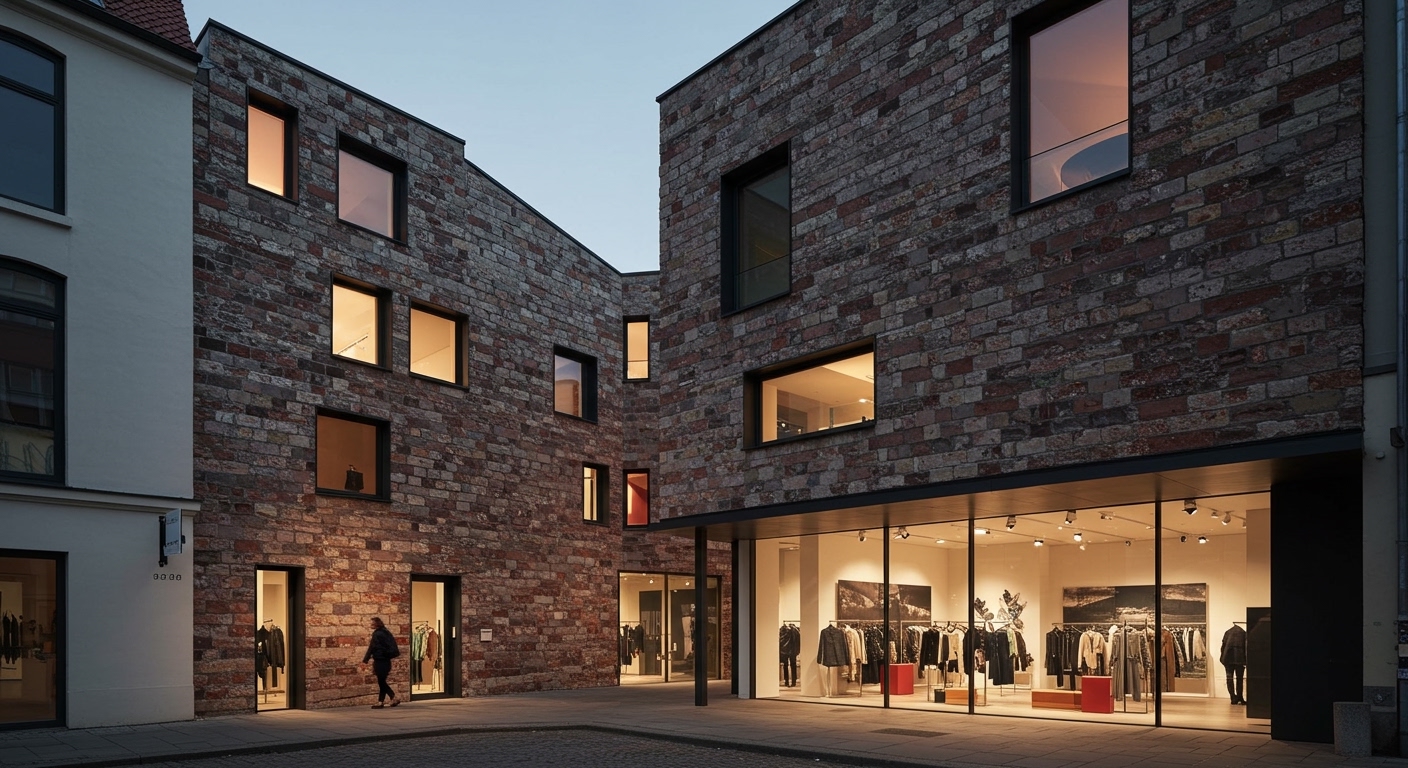
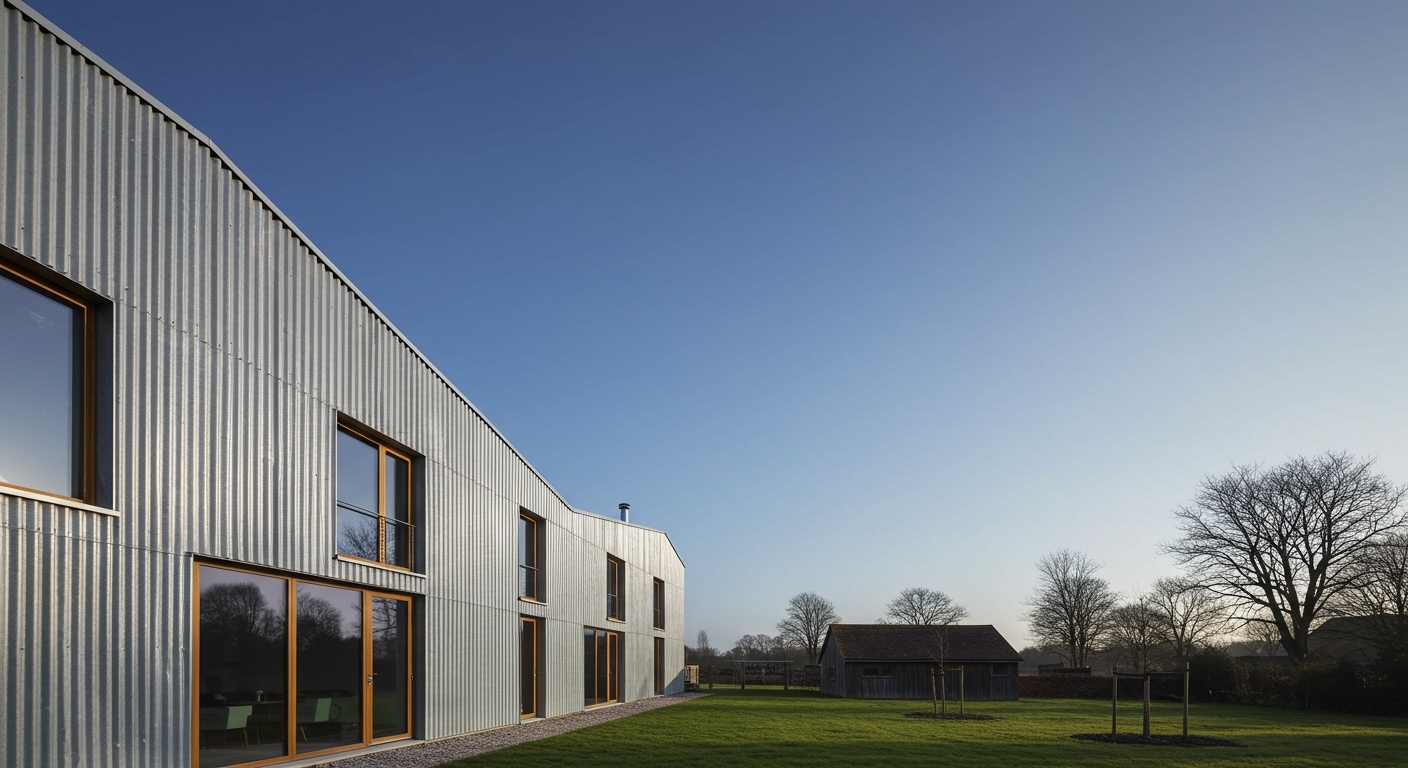
Norm Architects’ Dynaudio showroom in Copenhagen demonstrates how reused textiles can be integrated into high-end retail design. This approach, seen also in TaylorHare Architects’ corrugated metal-clad volumes for House in a Clearing and Ferrier Marchetti Studio’s transformation of an industrial site in Limoux, reflects a wider professional reconsideration of materials not as mere aesthetic finishes but as carriers of inherent value and local context. These projects point towards an architecture deeply rooted in the honesty of its components and the responsibility owed to its specific urban or rural surroundings.
Norm Architects designed the Dynaudio showroom to resemble ‘speaker components unfolded,’ utilizing wood, aluminium, and artworks made from reused textiles. This project, located in a former shoe store, exemplifies a deep material honesty, where the building’s internal logic and its chosen materials directly inform each other and honor the site’s previous commercial life through adaptive reuse. The thoughtful application of reused textiles moves beyond a token gesture, embedding a tangible history and a commitment to circularity into the very fabric of the commercial space, reinforcing both structural and urban responsibility.
Mainstream industry often prioritizes readily marketable narratives, sometimes at the expense of genuine material or historical engagement. For example, Joyce Wang’s interior renovation for the Mandarin Oriental The Landmark hotel in Hong Kong evokes ‘colonial country manors.’ While this might appeal to a specific luxury market, it represents a superficial appropriation of history rather than a critical engagement with Hong Kong’s complex urban layers or a responsible approach to contemporary material sourcing. Such aesthetic mimicry risks flattening nuanced cultural contexts into easily consumable tropes. True urban responsibility requires architects to move beyond stylistic pastiche towards interventions rooted in authentic material provenance and structural logic. By mid-2027, the industry will see the widespread adoption of digital twin technologies that track the complete lifecycle and carbon footprint of primary building materials from extraction to demolition, demanding a new level of accountability that superficial narratives cannot obscure.
The principal resistance to this shift comes from development models that favor rapid construction cycles and pre-packaged design solutions. These models often prioritize speculative profit margins and brand consistency over the time-intensive processes of deep material research, local craft integration, or genuine adaptive reuse, thus perpetuating a disconnect between architectural practice and specific site requirements. This resistance hinders the progression toward a more responsible structural philosophy and material innovation.
Working architecture professionals should dedicate specific project budget and timeline allocations to engage directly with local material suppliers and craftspeople, such as the stonemasons or carpenters mentioned in the ‘Craft After Conflict’ discussion. This engagement should occur during conceptual design stages, allowing their expertise in material properties and traditional techniques to inform structural philosophy and material innovation, rather than being relegated to a post-design execution role.
TL;DR
Architecture must prioritize authentic material engagement and urban responsibility over superficial aesthetic gestures.
Curated References


About this editorial — This piece was developed using AI-assisted research and curation across multiple industry sources. All analysis, opinions, and predictions represent the editorial perspective of JHDD. Sources are linked in the references section above.