JHDD Architecture Report — 2026.07.26
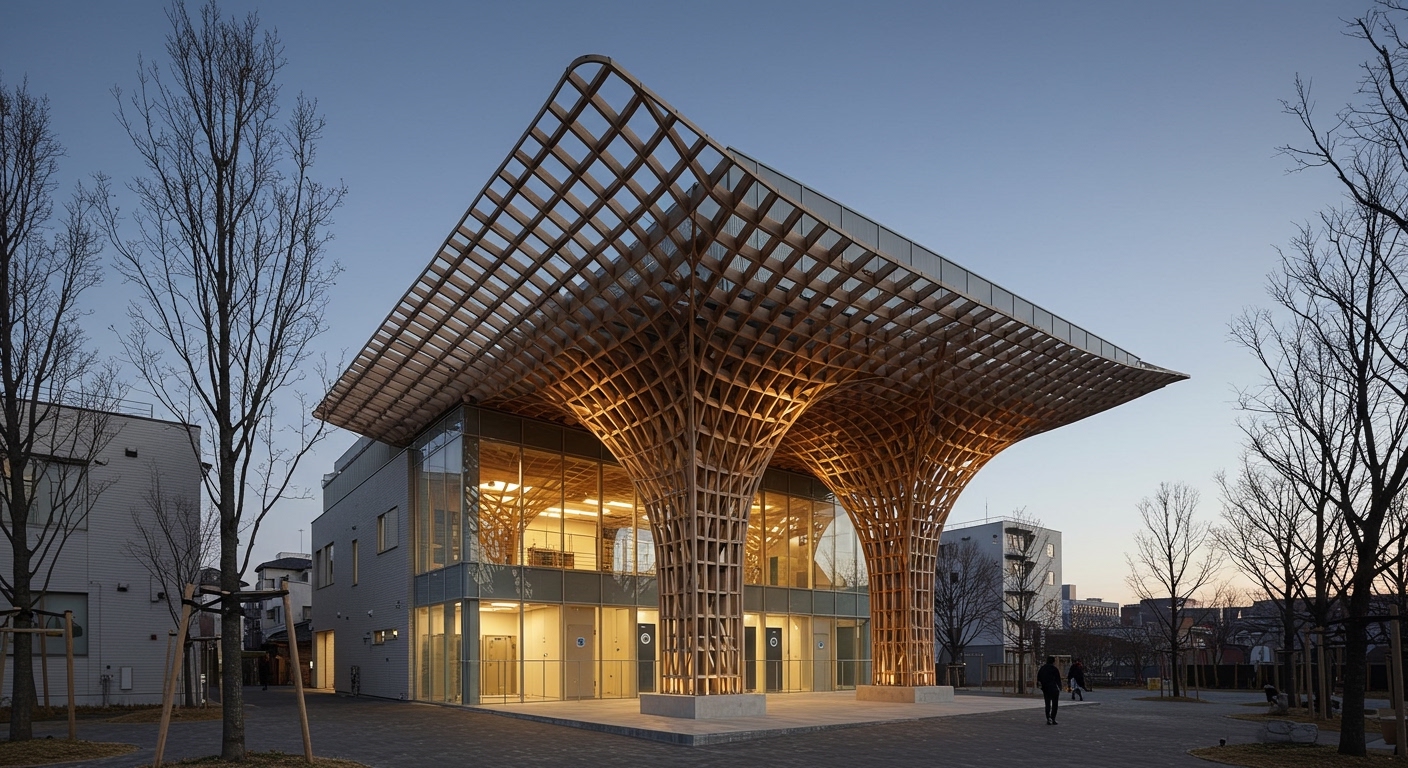
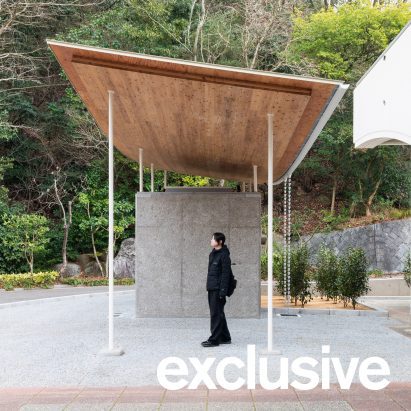
Yano Aoyama Architecture Design topped a public toilet at Tobe Zoological Park with a sweeping timber canopy made of naturally curved cedar.
These recent projects reveal an industry grappling with how to build responsibly within existing urban and natural contexts. The common thread is a pragmatic acknowledgment that the future of architecture lies in precise, localized interventions that respect or reinterpret historical layers and material legacies. This moves beyond abstract principles to a focus on the immediate, tangible impact of design decisions on their surroundings.
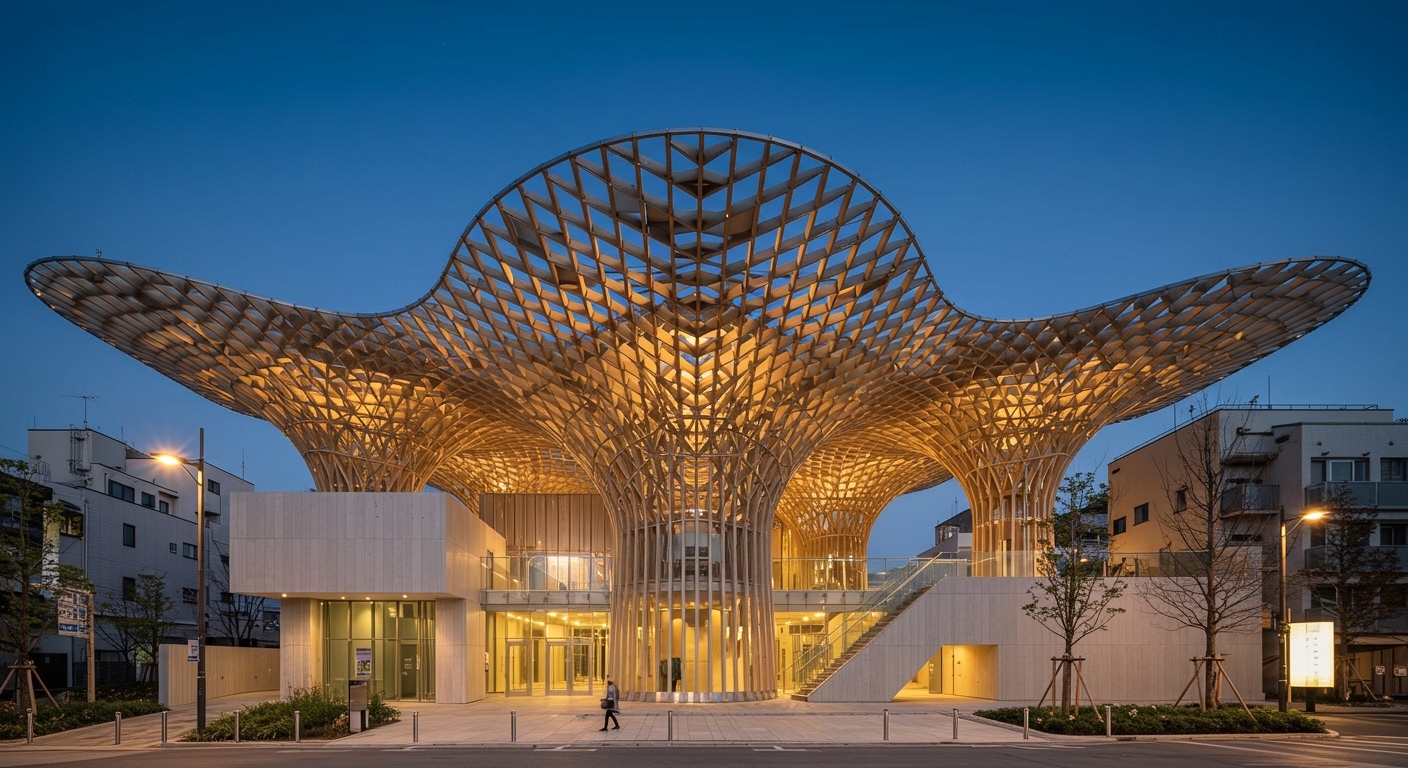
agence ontwerp’s work on the Bentinck Apartment exemplifies this re-evaluation, specifically redesigning an apartment on the seventh floor of a 1960s gallery-flat building by Harry Nefkens in Rotterdam. Mainstream industry opinion often prioritizes the preservation of older, more overtly “charming” historical periods, or iconic modernist structures. However, agence ontwerp’s focus on an “overlooked” 1960s building contradicts this by demonstrating the architectural and social value embedded in often-dismissed post-war urban fabric. This approach challenges the conventional wisdom that only certain historical periods or styles warrant significant architectural attention. Working within existing structural grids and material palettes is an inherent act of sustainability, significantly reducing embodied carbon compared to new construction. By mid-2028, a noticeable trend will emerge where firms specializing in high-quality, targeted renovations of post-war, mid-century residential blocks will see their project pipelines swell considerably, recognized for both their design acumen and their significant contribution to urban carbon reduction.
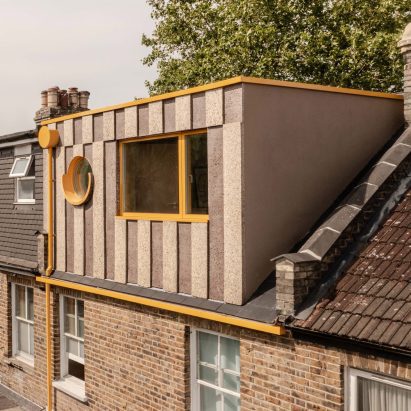
Further illustrating this pragmatic shift is the application of recycled plastic tiles designed to look like slate in some British dormer extensions. This is not material honesty in a purist sense, but rather an honest assessment of available resources and aesthetic aspirations within an urban context. This practice challenges the dogmatic adherence to perceived “natural” materials, even when their sourcing or processing might be less sustainable than innovative composites. The market frequently demands visual continuity with existing urban fabric, often dictated by conservation area guidelines or homeowner preference. Architects must bridge these aesthetic expectations with genuinely responsible material choices, recognizing that a sustainable material solution may, at times, involve mimicry if it aligns with the overall environmental and urban responsibility goals.
The primary resistance to this granular approach comes from large-scale developers and urban planners still prioritizing sweeping master plans and new-build consumption models. Their economic structures often rely on economies of scale associated with ground-up construction, where the complexity of numerous small, sensitive interventions appears less profitable than a singular, large development project. This resistance is frequently manifest in policies that favor demolition for new construction over incentivizing the detailed work of adaptive reuse and heritage re-evaluation for structures like Harry Nefkens’ 1960s buildings.
Architecture professionals should initiate a deep dive into the specific structural systems and material palettes of locally overlooked building stock from the 1950s through 1980s. This involves detailed condition assessments, potential structural upgrade pathways, and understanding their embodied carbon values, proactively developing expertise in these often-dismissed typologies to demonstrate their latent value to clients and municipalities.
TL;DR
The future of responsible architecture prioritizes precise, context-driven interventions within existing urban structures, embracing both heritage re-evaluation and material pragmatism.
Curated References
About this editorial — This piece was developed using AI-assisted research and curation across multiple industry sources. All analysis, opinions, and predictions represent the editorial perspective of JHDD. Sources are linked in the references section above.