JHDD Architecture Report — 2026.07.16
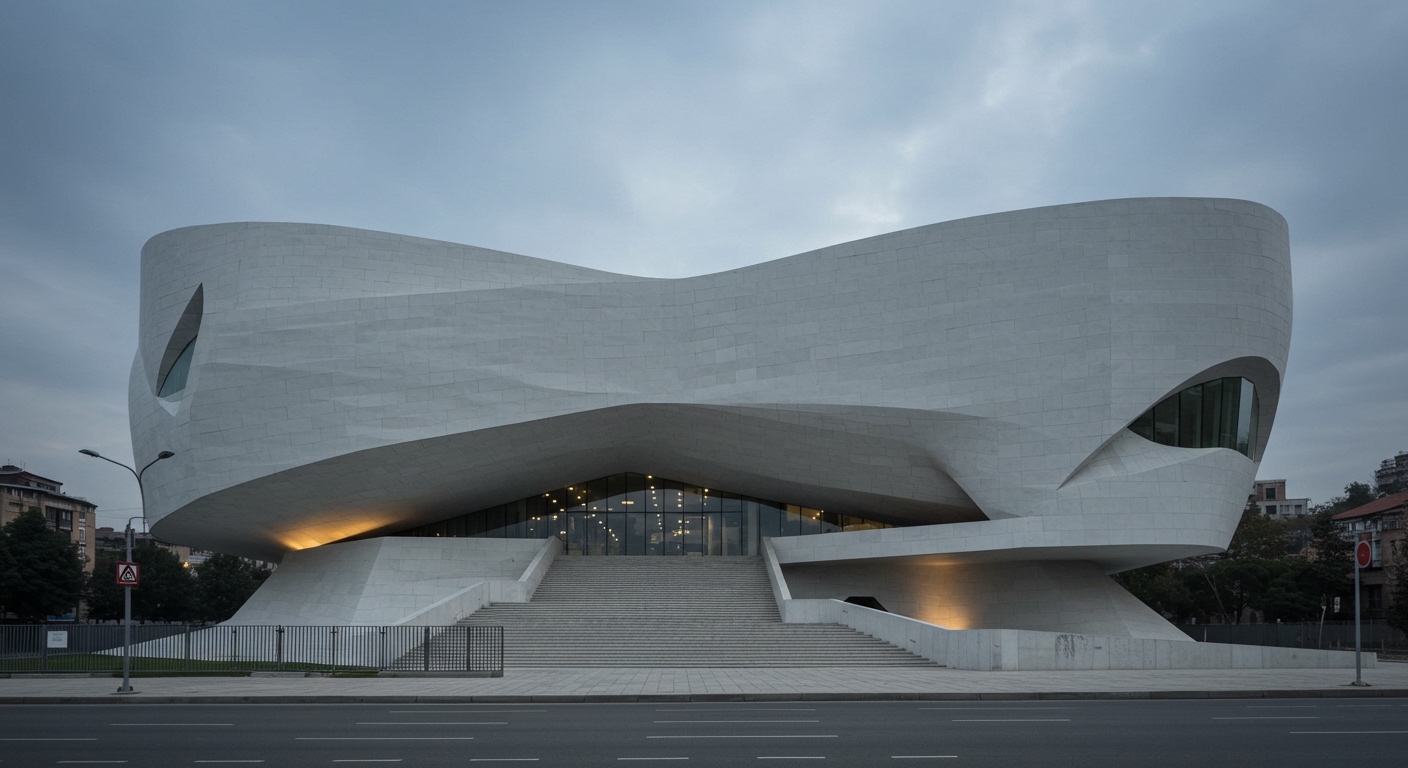
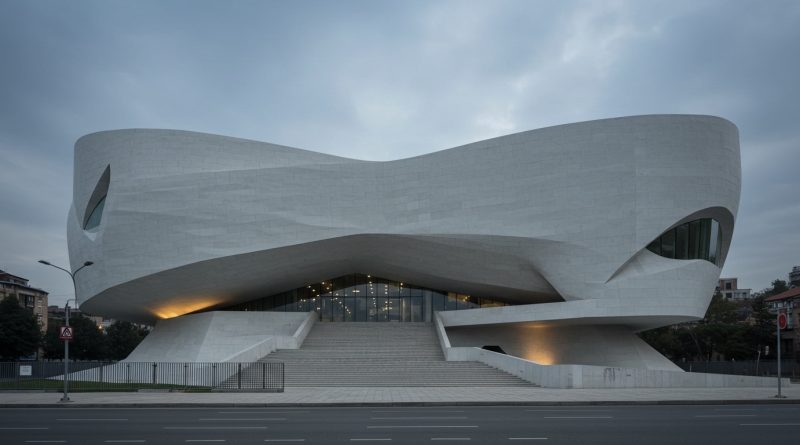
The impending demolition of Studio Fuksas-designed Rike Concert Hall in Tbilisi, less than 15 years after its completion, highlights a critical failure in architectural longevity.
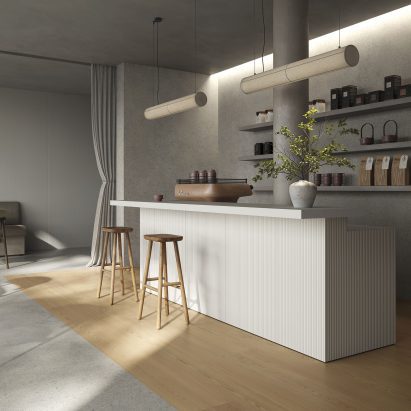
This event, alongside the technology-centred approach of HKS’s SoFi Stadium and the material choices exemplified by Casalgrande Padana’s Essence Cannetté tiles, reveals a pervasive tension in contemporary practice. Architecture today frequently navigates between rapid obsolescence, driven by technological advancements or shifting aesthetic whims, and a superficial engagement with “natural” materials. There is a tangible disconnect between the apparent permanence of structures and the short lifespan of their embedded design philosophies or component systems.
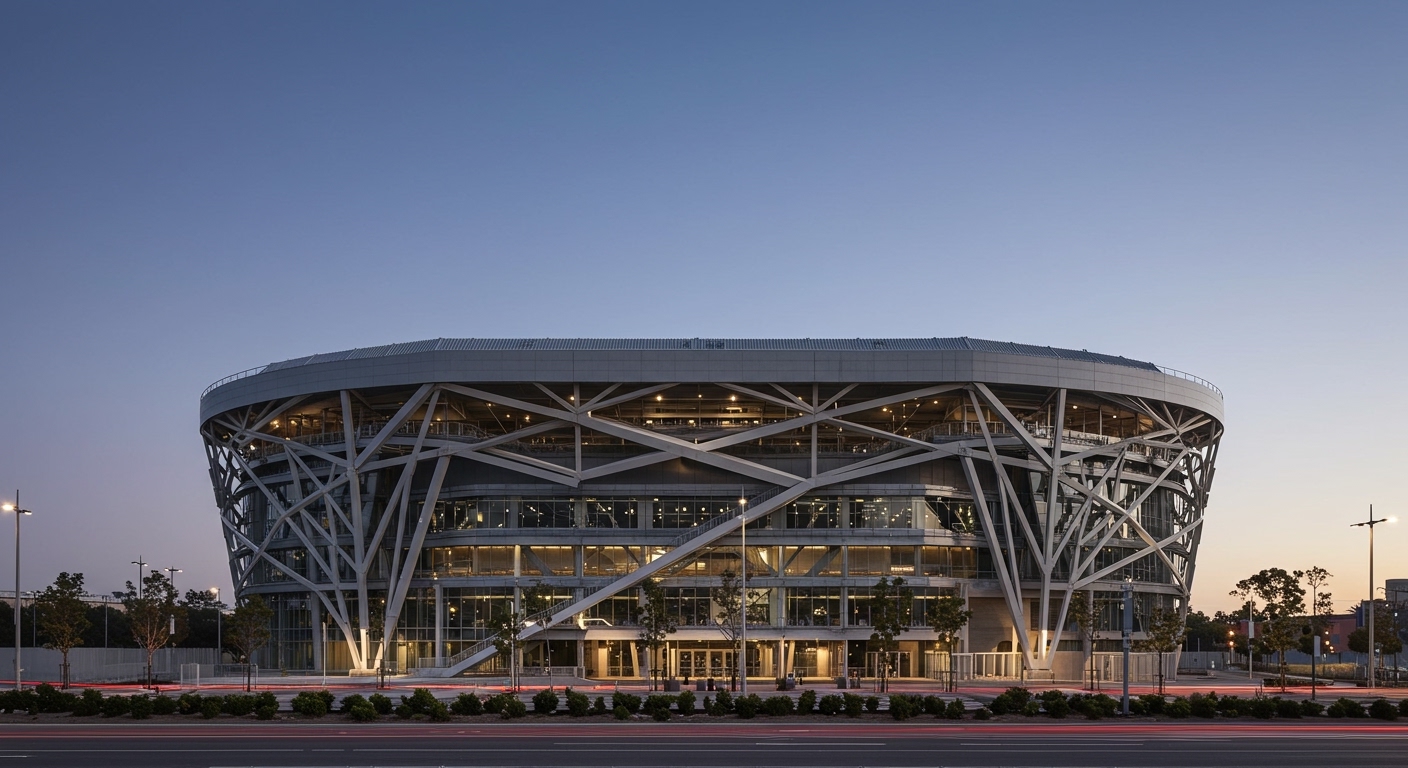
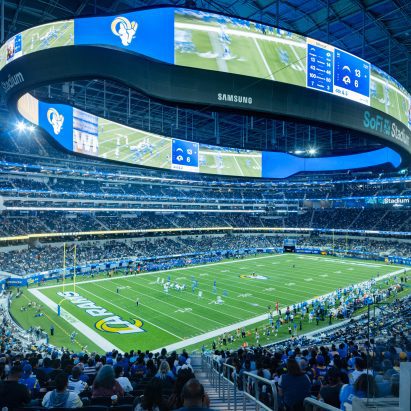
The pursuit of “integrated stadium technology,” as exemplified by HKS’s SoFi Stadium with its enormous videoboard and status as a global standard for tech-centred sports venues, represents a mainstream industry aspiration. This approach, while offering immediate spectacle and high-bandwidth user experiences, frequently diverts architectural focus from fundamental material integrity and long-term structural adaptability. Mainstream opinion hails such complex digital integration as the pinnacle of progress, believing it inherently future-proofs the structure against obsolescence. This view is fundamentally flawed. Highly sophisticated, bespoke technological systems, by their very nature, possess a short shelf-life and rapidly accumulate embedded energy costs for cooling and maintenance. They age far more rapidly than robust, well-conceived spatial frameworks designed for flexible use over generations. Within five years, architects will begin to openly question whether the upfront investment in such highly specific digital infrastructure truly outweighs the environmental and financial burdens of its inevitable, cyclical replacement and disposal.
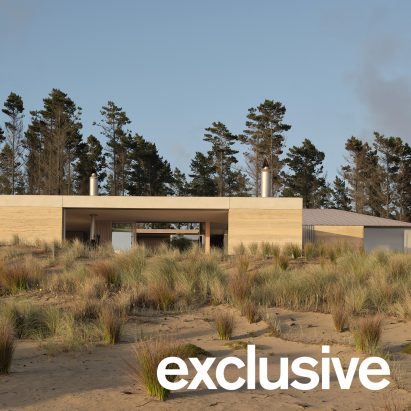
Contrast this approach with the material honesty exhibited by Roberts Gray Architects’ Double Courtyard House, which employs low-slung rammed earth volumes. This design philosophy directly anchors the structure to its Te Arai sand dune site, embodying a form of sustainability rooted in local material and low-impact construction. While rammed earth might still be considered a niche, high-craft solution in some quarters, its true innovation lies in its inherent durability, thermal mass, and direct contribution to occupant comfort without reliance on complex, fragile mechanical systems. The building’s structural philosophy is intrinsically linked to its material, creating a resilient, long-lasting form. The industry often overlooks this deep connection in favour of superficial veneers. By early 2028, a significant portion of institutional and public commissions, currently dominated by quick-build, modular systems, will begin incorporating similar deeply regional and low-carbon natural material strategies, recognizing their long-term value over the immediate speed and cost metrics of conventional methods.
The primary opposing force to this re-evaluation of material and structural longevity is the deeply entrenched inertia of established construction supply chains and the pervasive short-term financial models. These models invariably prioritize rapid development cycles and the readily available, often carbon-intensive, standardized building components. Project financing, tied to immediate returns on investment and perceived market value, actively resists the longer timelines and specialized expertise sometimes required for material-first, contextually integrated approaches like that of Roberts Gray Architects. It often fails to account for the true lifecycle cost, environmental impact, or cultural value of architectural endurance.
A working architecture professional should, in every new project brief, conduct a “material obsolescence audit” for all proposed non-structural elements. This audit must evaluate not just the embodied carbon footprint of finishes like Casalgrande Padana’s Essence Cannetté porcelain stoneware, but critically, also assess the projected lifespan, ease of maintenance, and future potential for replacement or repurposing of all interior surfaces, fixtures, and embedded technologies. This process must explicitly make durability, adaptability, and circularity key design criteria from conception.
TL;DR
Architectural longevity requires prioritizing material honesty and adaptable structural philosophies over rapidly aging embedded technology.
Curated References

About this editorial — This piece was developed using AI-assisted research and curation across multiple industry sources. All analysis, opinions, and predictions represent the editorial perspective of JHDD. Sources are linked in the references section above.