JHDD Architecture Report — 2026.06.28
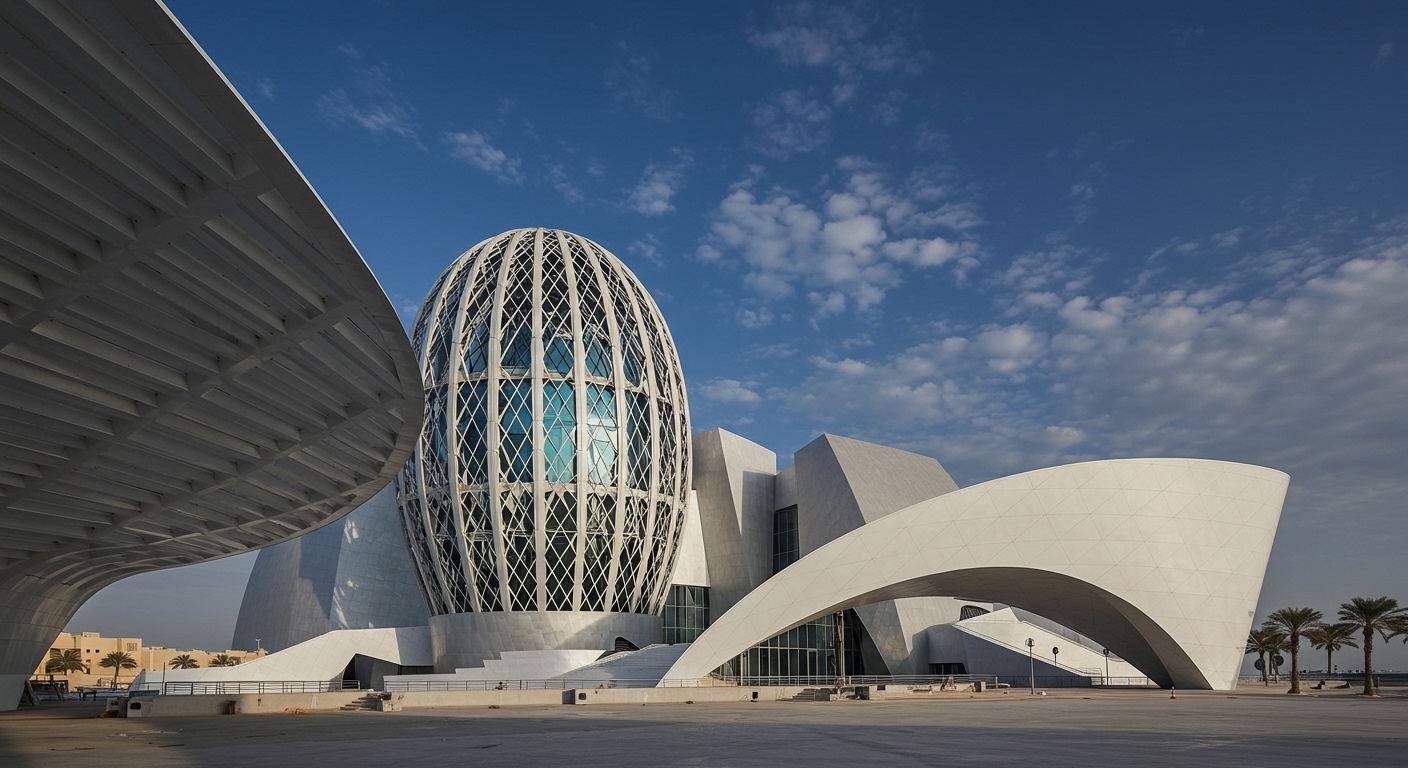
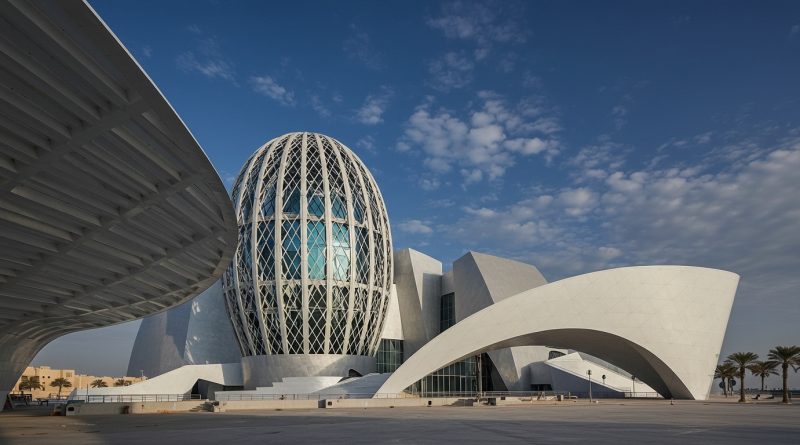
Frank Gehry’s Dar al Funoon Abu Dhabi is currently under construction on Saadiyat Island, featuring forms designed to emulate flowing fabric.
Recent reports reveal a persistent tension between architectural ambition expressed through monumental, bespoke forms and the foundational requirements of integrated urban responsibility and material intelligence. This tension shapes how structures contribute to or extract from their context.
Frank Gehry’s Dar al Funoon Abu Dhabi represents an enduring paradigm of architecture as a singular sculptural statement. The project’s detailed, complex geometry, described as emulating flowing fabric, necessitates significant material and structural resources for its execution. Mainstream industry discourse often celebrates such projects for their artistic daring and iconic potential, positioning them as cultural landmarks that attract global attention. However, this perspective often overlooks the inherent material extravagance and the high carbon intensity associated with bespoke structural philosophies required for such forms. A non-standardized facade, regardless of its final cladding material, demands specialized engineering and custom fabrication processes. This approach moves away from a commitment to material honesty, where the structure and components reveal their true nature and efficient use, instead prioritizing a sculpted aesthetic impact over material efficiency, constructability, or long-term adaptability.
This architectural ambition, rooted in monumental expression, stands in contrast to the urgent call for urban responsibility highlighted by reports on Bogotá and Mexico City. There, interventions focus on creating meaningful public spaces in peripheral neighborhoods to address deep-seated urban inequality. The significant resources channeled into projects like Dar al Funoon, with their specific structural demands and intricate material expressions, could be seen as diversions from more foundational investments in communal infrastructure. These foundational investments provide places for gathering, learning, and rest, directly acknowledging the presence and needs of city residents. It is a view that directly contradicts the popular notion that grand, iconic cultural institutions alone define a city’s progress or address its social fabric. Instead, the true measure of a city’s architectural success increasingly lies in equitable access to robust, adaptable spaces that support collective life for all its inhabitants. Within two years, architectural discourse will shift to quantitatively scrutinize the embodied carbon and lifecycle cost of highly sculptural, non-standardized structures, demanding full material and process transparency from projects on the scale of Dar al Funoon and similar iconic endeavors.
The prevailing market demand for instantly recognizable, branded architecture, often driven by cultural tourism initiatives and large-scale developers, continues to resist this shift towards embedded responsibility. This demand often values immediate visual spectacle and perceived global prestige over the long-term, subtle benefits of integrated, materially responsible urban interventions. It fosters a cycle of bespoke creation that sidesteps the principles of material economy and local impact.
An architecture professional should initiate a comprehensive Material Life Cycle Assessment for every new project’s primary structural and facade systems this quarter. This assessment must specifically compare the environmental impact, including embodied carbon and resource depletion, of standardized, regionally sourced components against bespoke, complex alternatives, influencing design decisions from the earliest concept stages.
TL;DR
The pursuit of singular architectural spectacle often diverts resources from fundamental urban and material responsibilities.
Curated References


About this editorial — This piece was developed using AI-assisted research and curation across multiple industry sources. All analysis, opinions, and predictions represent the editorial perspective of JHDD. Sources are linked in the references section above.