JHDD Architecture Report — 2026.06.26
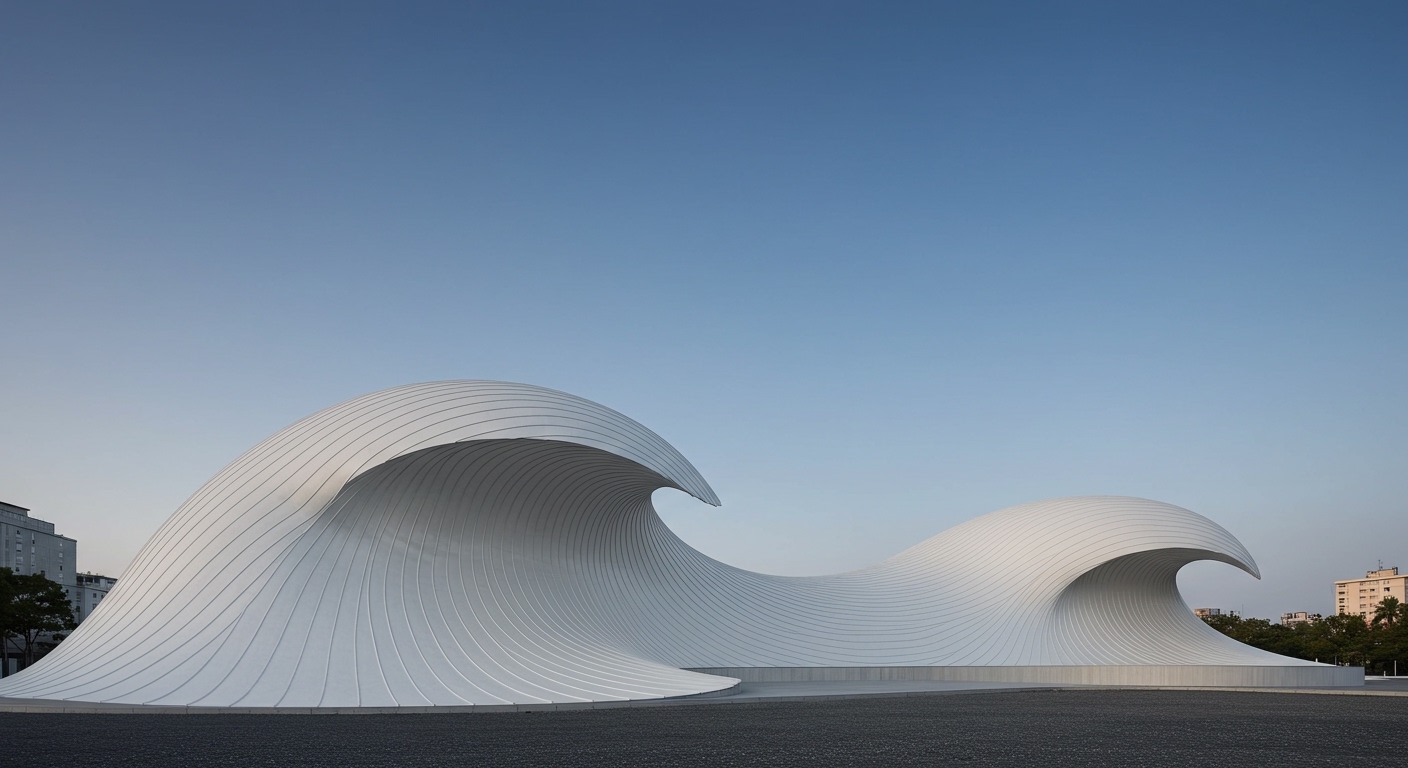
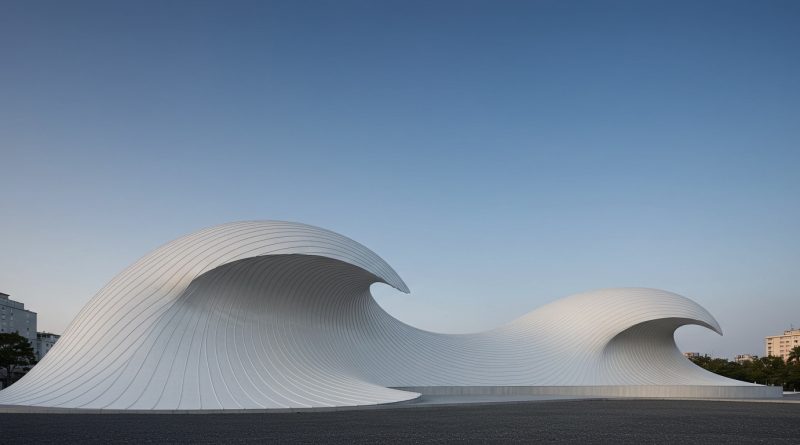
The 37-meter-wide wave structure designed by Pharrell Williams for Louis Vuitton’s Spring Summer 2027 menswear show represents a significant misdirection of architectural discourse.
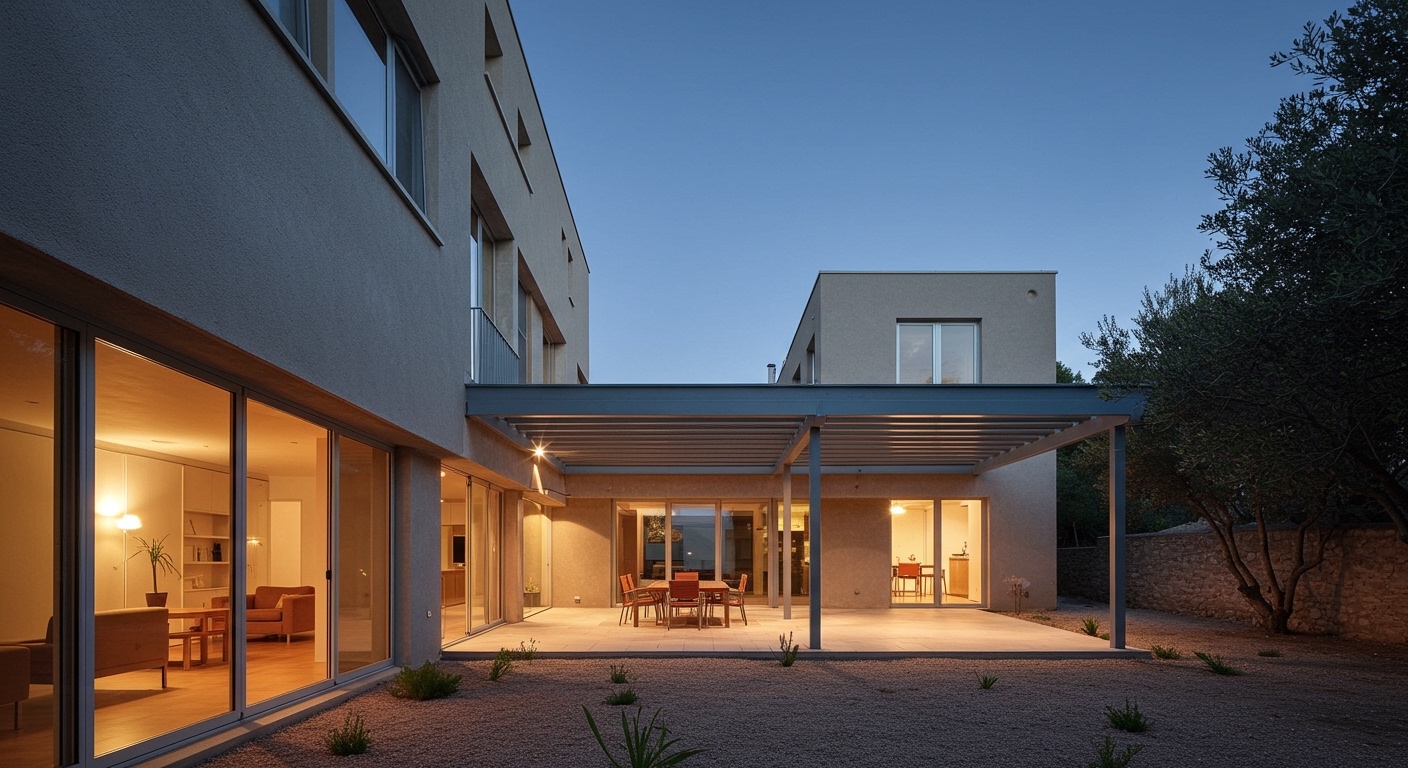
Across recent design output, a distinct tension emerges between projects committed to material durability and contextual integration, and those prioritizing ephemeral spectacle. While Anna and Eugeni Bach extend Fonolleres House with permanent porches and pergolas that embed daily life deeper into its site, and AEXN Architects ground the HANZA Business Centre in Klaipėda’s historical “Hanza city” archetype, other efforts channel resources into transient displays. This divide highlights a deeper philosophical schism in how architecture defines its value and impact.
The sheer scale and temporary nature of the Louis Vuitton wave, despite utilizing Paris’s aquatic network, exemplifies an industry fascination with the grand gesture over lasting contribution. Mainstream opinion often applauds such feats for their audacious engineering and brand visibility, equating complexity with innovation. This view overlooks the fundamental purpose of architecture: creating meaningful, enduring spaces. Real material innovation is not about mobilizing city infrastructure for a momentary flood; it is evident in the solid wood construction and balanced composition of Leonardo Rossano’s Adinne chair for True Design, which celebrates a foundational act of craft and promises longevity. Such pieces, though smaller in scale, offer a more profound structural philosophy rooted in honest material expression and sustained use.
The fascination with high-impact, low-longevity productions detracts from the urgent need for responsible material sourcing and lifecycle planning in built environments. Architects should scrutinize projects that consume significant resources for brief existence, regardless of their visual appeal. This approach will be increasingly untenable as resource scarcity and climate pressures intensify. By mid-2027, architectural discourse will begin to critically re-evaluate the embedded energy and waste profile of all temporary installations, compelling brands to seek more sustainable avenues for public engagement.
This critical re-evaluation will face resistance from corporate marketing budgets that prioritize immediate visual impact and brand differentiation over long-term environmental performance. The industry apparatus, as Neal Shasore implies regarding the RIBA presidential election, frequently struggles to enforce meaningful change when commercial interests align with the status quo of grand, disposable statements.
A working architecture professional should, for any new project, explicitly detail the anticipated end-of-life plan for all primary materials and structural systems. This involves specifying recyclable components, designing for deconstruction, and prioritizing materials with documented low embodied carbon and high durability, even for temporary structures.
TL;DR
Architecture must shift from temporary spectacle to durable, context-sensitive material innovation and lifecycle responsibility.
Curated References



About this editorial — This piece was developed using AI-assisted research and curation across multiple industry sources. All analysis, opinions, and predictions represent the editorial perspective of JHDD. Sources are linked in the references section above.