JHDD Architecture Report — 2026.06.18
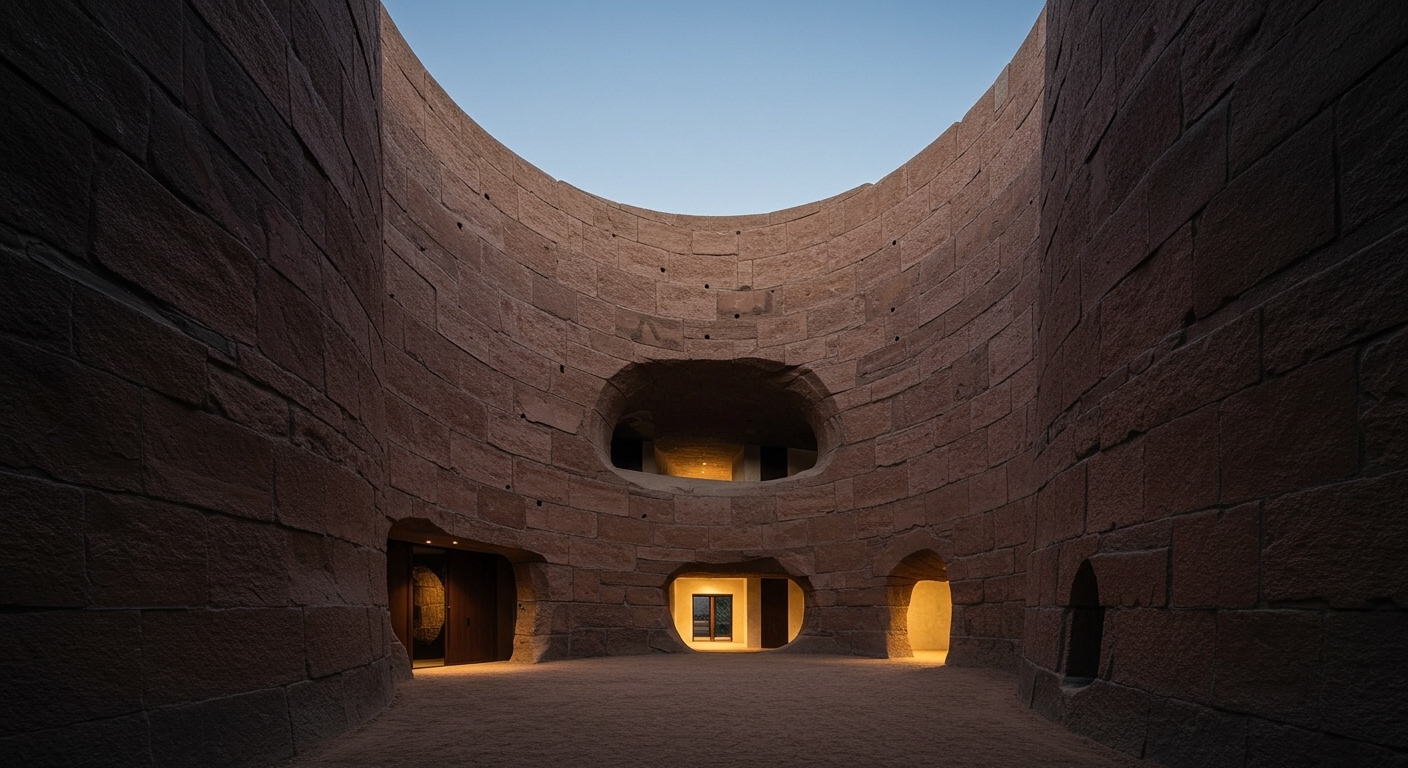
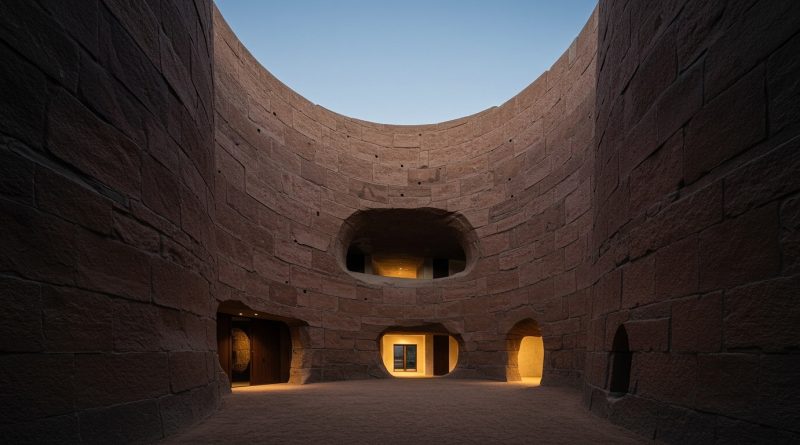
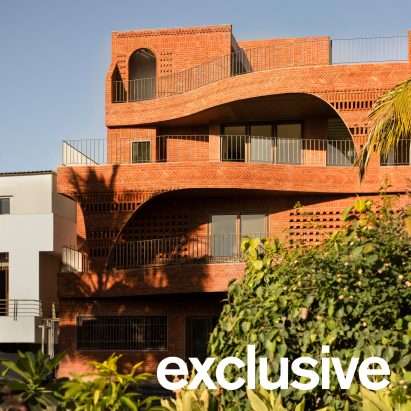
The Anthill by Kaushal Tatiya Architects, with its cavernous earth-chamber form, exemplifies an architectural return to primary environmental negotiation. This project, alongside Nordest Arquitectura’s sensitive renovation of House 2302 and the climate-responsive masterplans from American University in Dubai, reveals a growing imperative: architecture must engage its immediate context with profound material and structural honesty. The pattern emerging is a recognition that true resilience and human well-being derive from designs deeply rooted in local climate, heritage, and resource availability, moving beyond universal solutions.
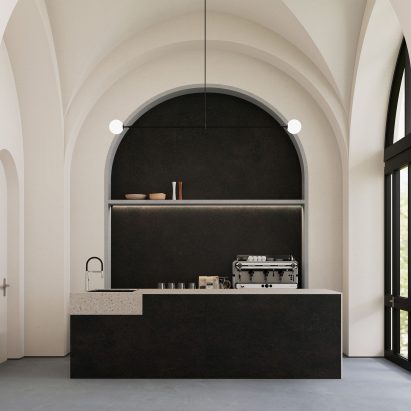
Conventional wisdom often advocates for material standardization, driven by efficiency and ease of replication across varied geographies. Consider PoliLam’s Milano Impressions surfaces, designed to replicate Italian stone and terrazzo patterns, complete with custom embossed textures. This approach, while offering aesthetic accessibility, risks divorcing material experience from inherent structural and environmental properties. PoliLam’s product serves a market that prioritizes visual fidelity over material provenance or tectonic truth. This perspective contrasts sharply with the approach taken by Kaushal Tatiya Architects for The Anthill in Maharashtra, India. Their use of curved brick balconies, directly inspired by ant colony structures, provides passive cooling without mechanical ventilation. This is a structural philosophy where the building’s form, material, and performance are indivisibly linked to its hot, dry local climate. The honest expression of brick and its deliberate form create a microclimate that serves the inhabitants directly, embodying a responsible engagement with its specific urban context.
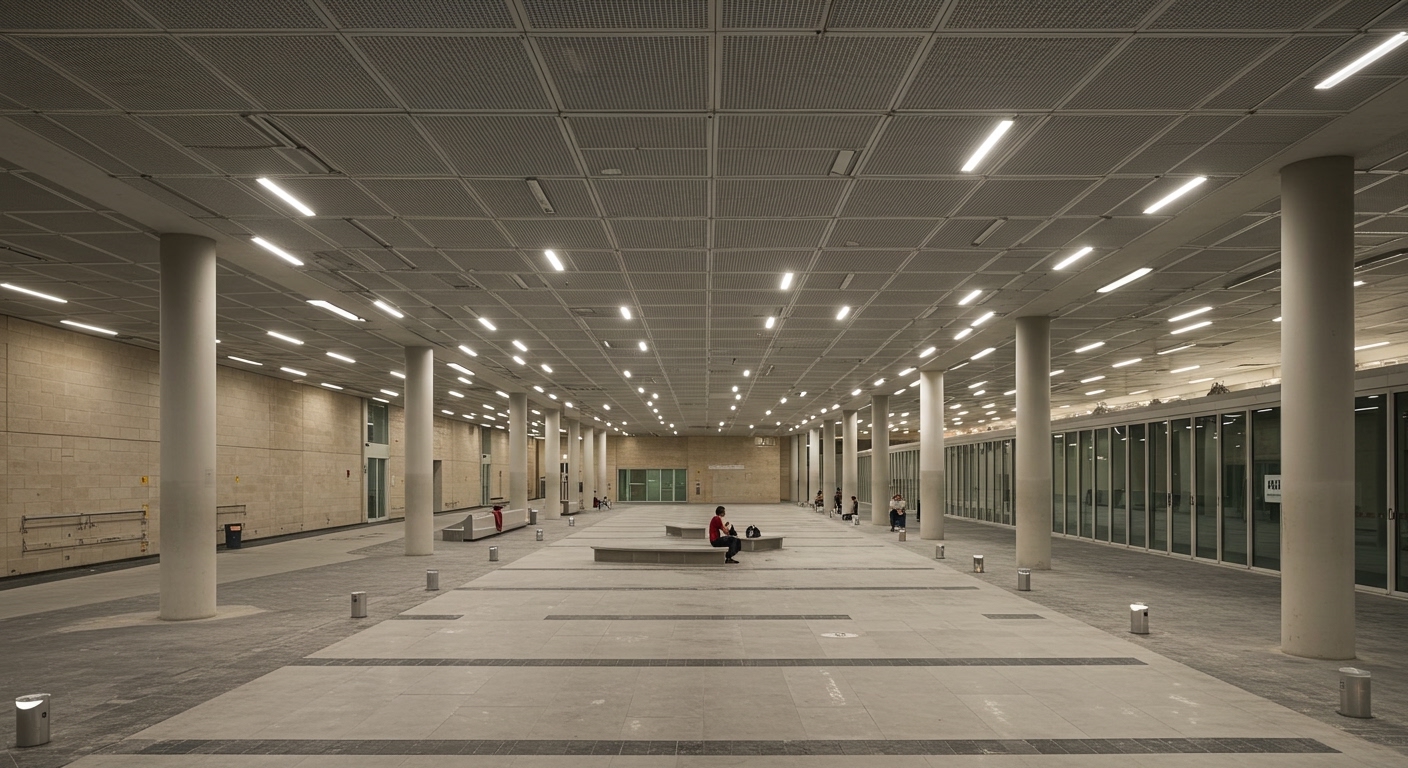
The prevailing industry focus on “green” certifications often overlooks the fundamental structural and material choices that underpin genuine environmental performance. Mainstream thought may consider a factory-produced laminate that avoids quarrying as sustainable, overlooking the embodied energy in its production and its lack of thermal or structural contribution. A more impactful approach, as demonstrated by Nordest Arquitectura in House 2302, involves respectful renovation and an embrace of light-filled sequences rich in materiality, ensuring an adaptive reuse that preserves existing embodied energy and local character. This shift demands a re-evaluation of material selection criteria, moving beyond mere surface aesthetics to consider full lifecycle impact and local resonance. By late 2027, major urban development proposals in climate-vulnerable regions will face rejection if their material and structural philosophies do not demonstrably integrate with local ecological cycles and vernacular traditions, pushing developers towards deeper contextual research.
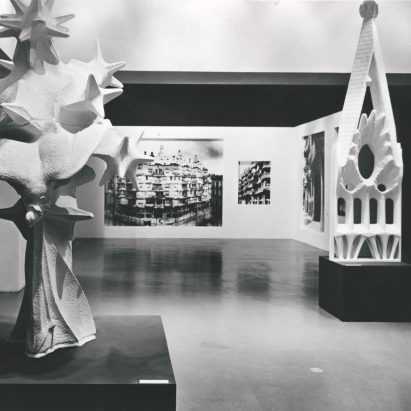
The primary resistance to this shift comes from the global construction commodity market and its entrenched supply chains. These systems incentivize the procurement of mass-produced, easily transportable materials that often obscure their origin and environmental cost. Furthermore, a pervasive aesthetic preference for uniform, blemish-free finishes, often achieved through synthetic overlays, actively discourages the honest, varied textures of regional materials. This market dynamic prioritizes global uniformity over local specificity and material integrity, mirroring the challenge Antoni Gaudí faced in translating his highly localized design language into global influence.
A working architecture professional should, within this week, initiate a material audit of their firm’s three most recent projects. This audit must identify every material specified that could have been sourced or fabricated within a 250-kilometer radius of the project site, critically assessing the reasons why local alternatives were not chosen. This exercise goes beyond merely checking “sustainability” boxes; it prompts a direct engagement with local economies, craftspeople, and the inherent properties of regional materials, fostering a more responsible design practice.
TL;DR
Authentic architecture requires deep material honesty and structural philosophies rooted in specific regional contexts.
Curated References

About this editorial — This piece was developed using AI-assisted research and curation across multiple industry sources. All analysis, opinions, and predictions represent the editorial perspective of JHDD. Sources are linked in the references section above.