JHDD Architecture Report — 2026.06.15
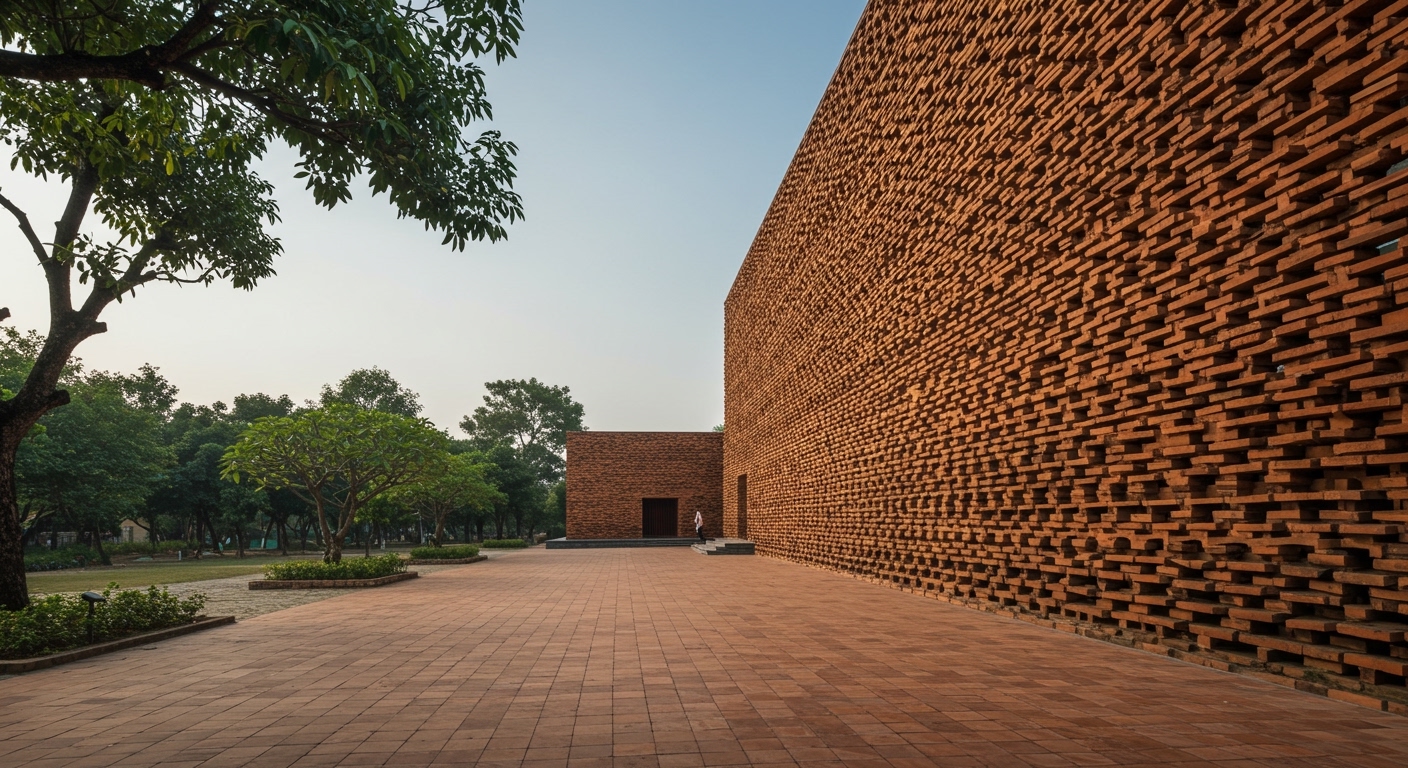
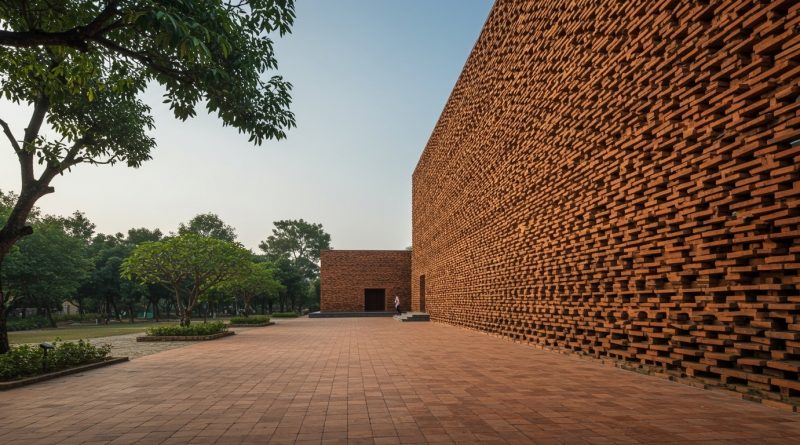
Đạo Mẫu Temple and Museum in Vietnam, winner of the Brick Award 2026, utilized over six million reclaimed clay tiles in its construction.
This achievement, alongside WASP and Olfattiva’s Shamballa research site for 3D-printed bio-construction and NASA’s strategy for permanent lunar habitation, indicates a profound re-evaluation of material sourcing and longevity. Designers are moving beyond the surface aesthetic of materials, interrogating their origins, lifecycle, and end-of-use potential. The common thread is not simply “sustainability” as a marketing term, but a deeper, site-specific pragmatism regarding resource allocation, whether on Earth or off-world.
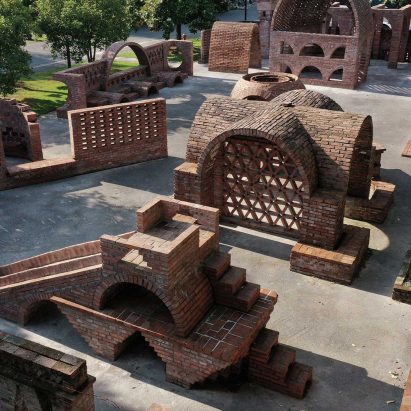
The Đạo Mẫu Temple and Museum represents an acute application of material honesty. By salvaging six million clay tiles from 500 houses, the project did more than just reduce waste; it embedded the memory and character of a local urban fabric directly into a new monumental structure. This contradicts the prevailing industry narrative that views material innovation primarily through the lens of novel composites or virgin feedstock. Many celebrate breakthroughs in engineered timber or advanced concrete, yet overlook the profound design challenges and triumphs of repurposing existing components at scale. The true innovation here is not in inventing a new material, but in the complex logistical, structural, and architectural strategy of integrating a massive, heterogeneous existing resource stream. This approach challenges the linear consumption model inherent in much of contemporary construction, where demolition is largely disconnected from new building supply chains, and materials are often treated as disposable.
The mainstream architectural approach often favors readily available, standardized materials, even when their environmental footprint is significant. This preference simplifies procurement and execution, but it externalizes the true costs of resource depletion and waste generation onto the environment and future generations. For projects like Đạo Mẫu, the structural philosophy is intrinsically linked to material availability and character; the architecture must adapt its form and detailing to the aggregated reality of the salvaged components, often dictating modularity and connection methods that respect the material’s previous life. This demands a flexible design process and a deeper understanding of material properties beyond simple specification sheets. It asserts that design can and should respond meaningfully to material constraints rather than dictating a form that demands specific, often resource-intensive, industrial products. Within two years, architectural practices deeply engaged in urban regeneration will increasingly partner with municipal waste management services to establish localized material salvage hubs, fundamentally shifting procurement models for large-scale urban developments and making reclaimed materials a primary consideration, not an afterthought.
This profound material responsibility faces resistance from established supply chains and regulatory frameworks. The construction industry’s reliance on standardized, mass-produced components and its entrenched liability structures often disincentivize the use of variable, reclaimed materials. Insurers, building codes designed for new materials, and contractors accustomed to predictable material performance actively resist the complexities introduced by integrating salvaged components at scale.
Architecture professionals should immediately begin auditing local demolition sites and material recovery facilities in their project’s vicinity. Establish direct communication with these operators to understand available waste streams and their specific material properties. This week, revise one current project’s preliminary material schedule to explore the integration of a significant percentage of reclaimed aggregates or structural components, even if it adds initial complexity to the structural detailing.
TL;DR
Material innovation must increasingly prioritize intelligent reuse and integration of existing urban waste streams over virgin production.
Curated References


About this editorial — This piece was developed using AI-assisted research and curation across multiple industry sources. All analysis, opinions, and predictions represent the editorial perspective of JHDD. Sources are linked in the references section above.