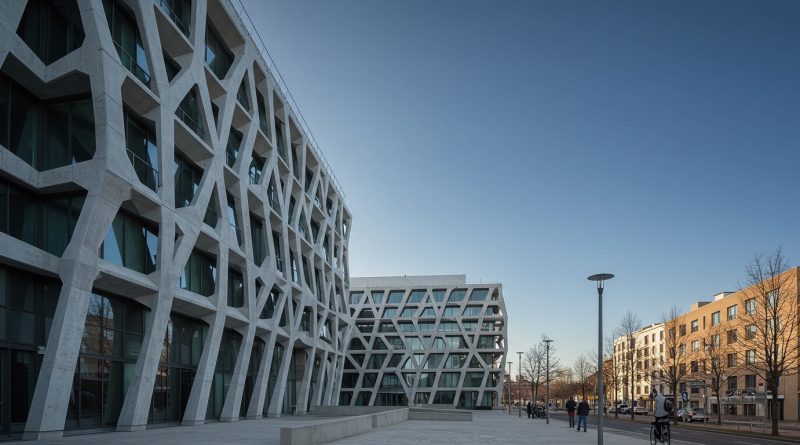
JHDD Architecture Report — 2026.06.14
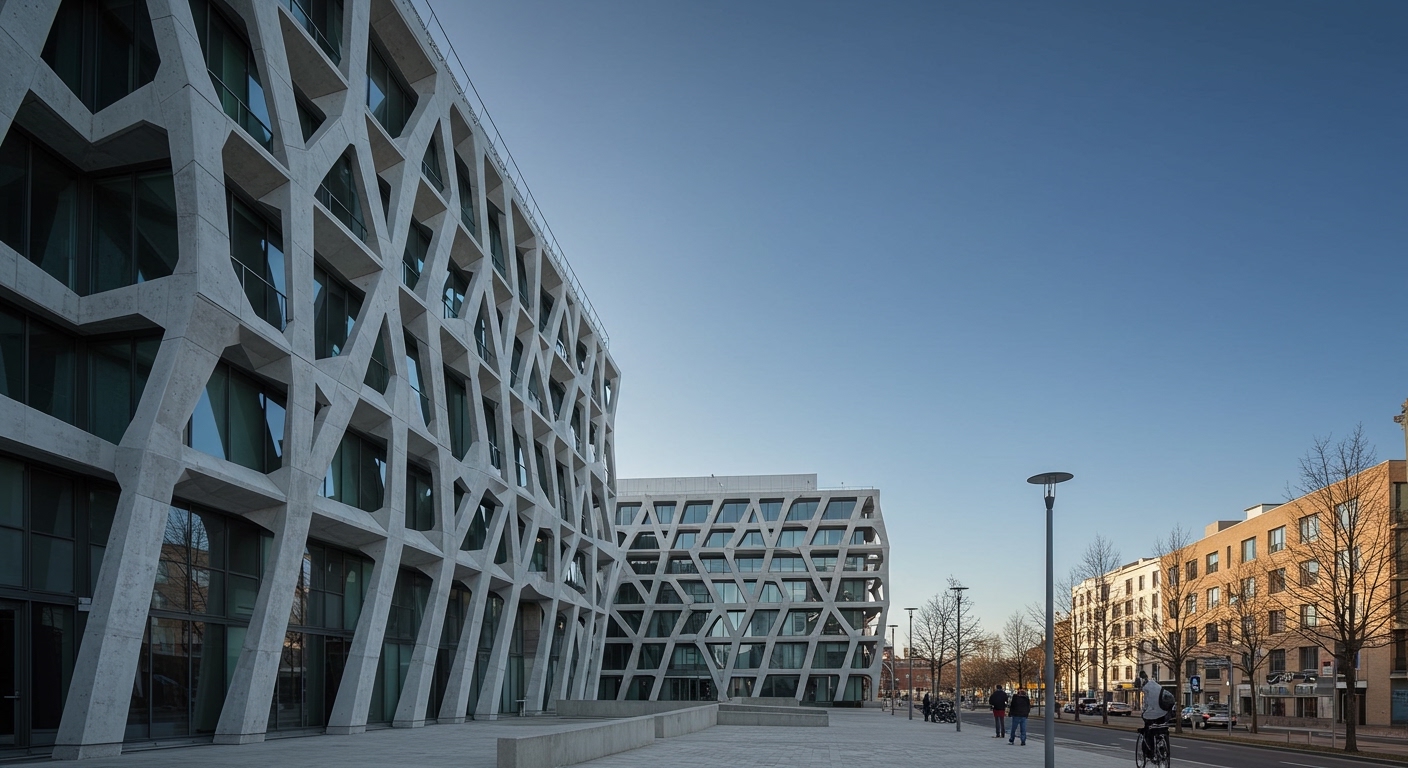
The persistent demand for authentic material narratives will soon render gratuitous, applied textural finishes obsolete.
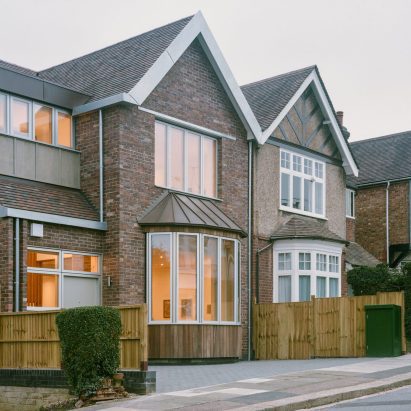
A subtle but potent undercurrent flows through contemporary design discourse, connecting the visceral tactility of charred timber at Yogi’s Cabin with the layered historical resonance of the Candy Factory Lofts renovation, and the contextual sensitivity of British houses designed to converse with their neighbours. This shared current is the ascendant primacy of architectural storytelling through material integrity and site-specific response, a phenomenon perhaps best termed “material vernacularization.” It’s a move away from the imposition of style towards the excavation of embedded meaning, where the inherent qualities of a material and its historical or environmental context become the primary design drivers. The focus is shifting from what a building looks like, to what it is, and where it sits. This isn’t merely about sustainability in the sense of low embodied energy; it’s about a deeper sustainability of meaning and belonging.
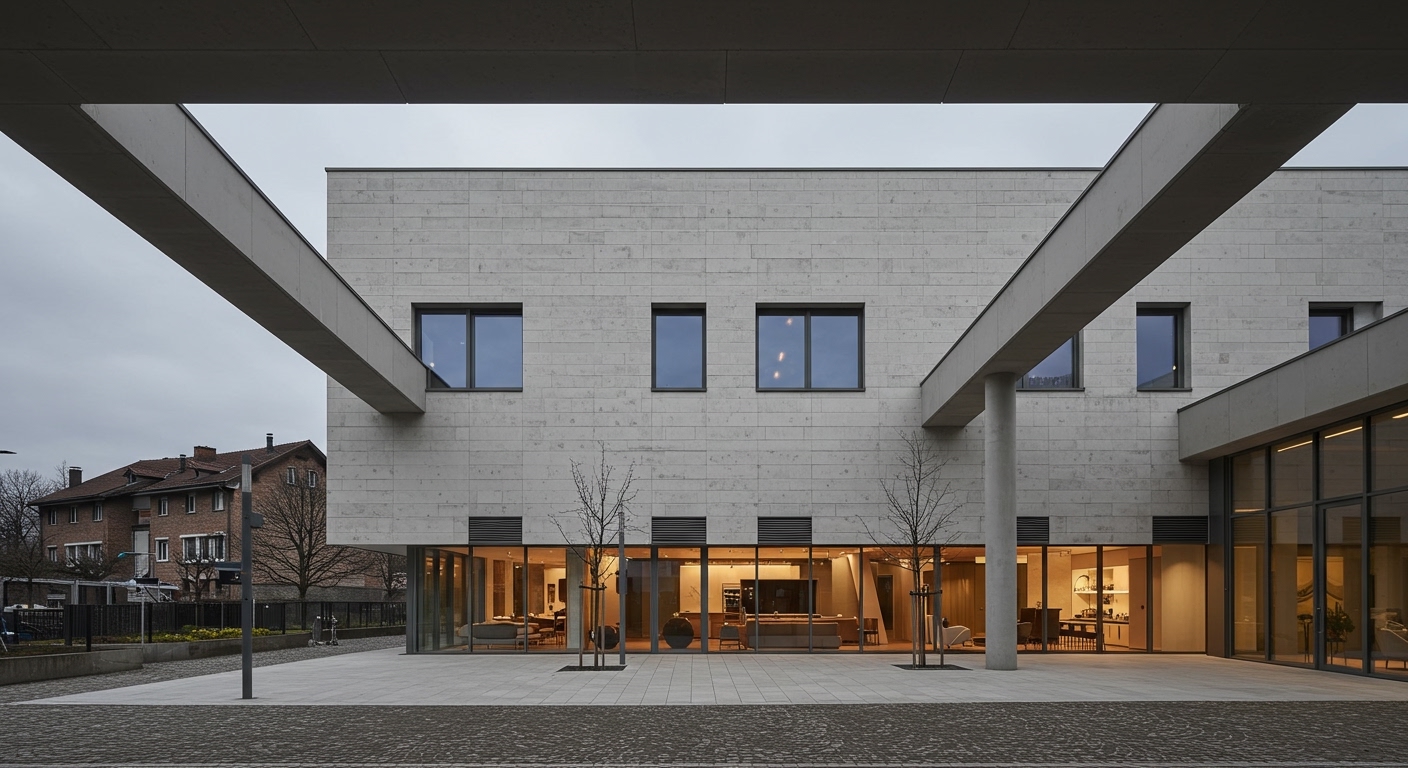
Beneath the surface of these diverse projects lies a fundamental reassertion of architectural honesty. Instead of relying on applied veneers or mimetic historical pastiche, designers are increasingly seeking to express the intrinsic character of materials, allowing their grain, texture, and patina to speak for themselves. Take, for instance, the work of LSA Projects, whose approach to material selection for projects like the intimate La Piada interior in Zurich demonstrates a keen understanding of how subtle textural variations and provenance can imbue a space with authentic atmosphere. They understand that the “joie de vivre” they aim for isn’t conjured from thin air, but from the careful orchestration of materials that feel inherently right, that age gracefully, and that tell a story of their making and place. This runs counter to the prevailing industry tendency to chase ephemeral trends or to digitally simulate materiality. The prediction here is that by late 2027, any architectural project that relies predominantly on applied, non-structural decorative finishes for its primary aesthetic will be viewed as a missed opportunity for genuine material expression and a failure to engage with the inherent narrative of its construction.
The friction in this shift originates from a pervasive, yet ultimately superficial, obsession with novelty and a lingering reliance on the speed and perceived efficiency of synthetic or digitally fabricated materials. The industry’s ingrained comfort with off-the-shelf solutions, often driven by cost-driven procurement models, presents a significant barrier to embracing the nuanced, time-intensive processes of working with and celebrating the inherent qualities of natural materials. This tension highlights a fundamental conflict between the accelerated demands of speculative development and the more considered, iterative approach that material vernacularization necessitates. It’s a battle between instant gratification and enduring value, between the illusion of newness and the profound resonance of the authentic.
For a working Architecture professional, the actionable directive this week is to re-evaluate the role of façades beyond mere enclosure and aesthetic articulation. Instead, consider how the building’s skin can actively engage with its urban context and local ecology. Explore opportunities for integrated biodiversity features, not as an add-on, but as an intrinsic part of the façade’s structural and aesthetic philosophy. This means moving beyond the conceptualization of façades as purely human-centric barriers to envisioning them as dynamic interfaces, capable of supporting non-human life and contributing to the urban ecosystem, effectively making architecture part of a larger habitat.
TL;DR
Material authenticity and contextual narrative are poised to supplant stylistic trends as the dominant force in architectural design, driven by a recalibration of the façade’s role from barrier to ecological participant.
Curated References

About this editorial — This piece was developed using AI-assisted research and curation across multiple industry sources. All analysis, opinions, and predictions represent the editorial perspective of JHDD. Sources are linked in the references section above.