JHDD 3D Modeling Report — 2026.07.11
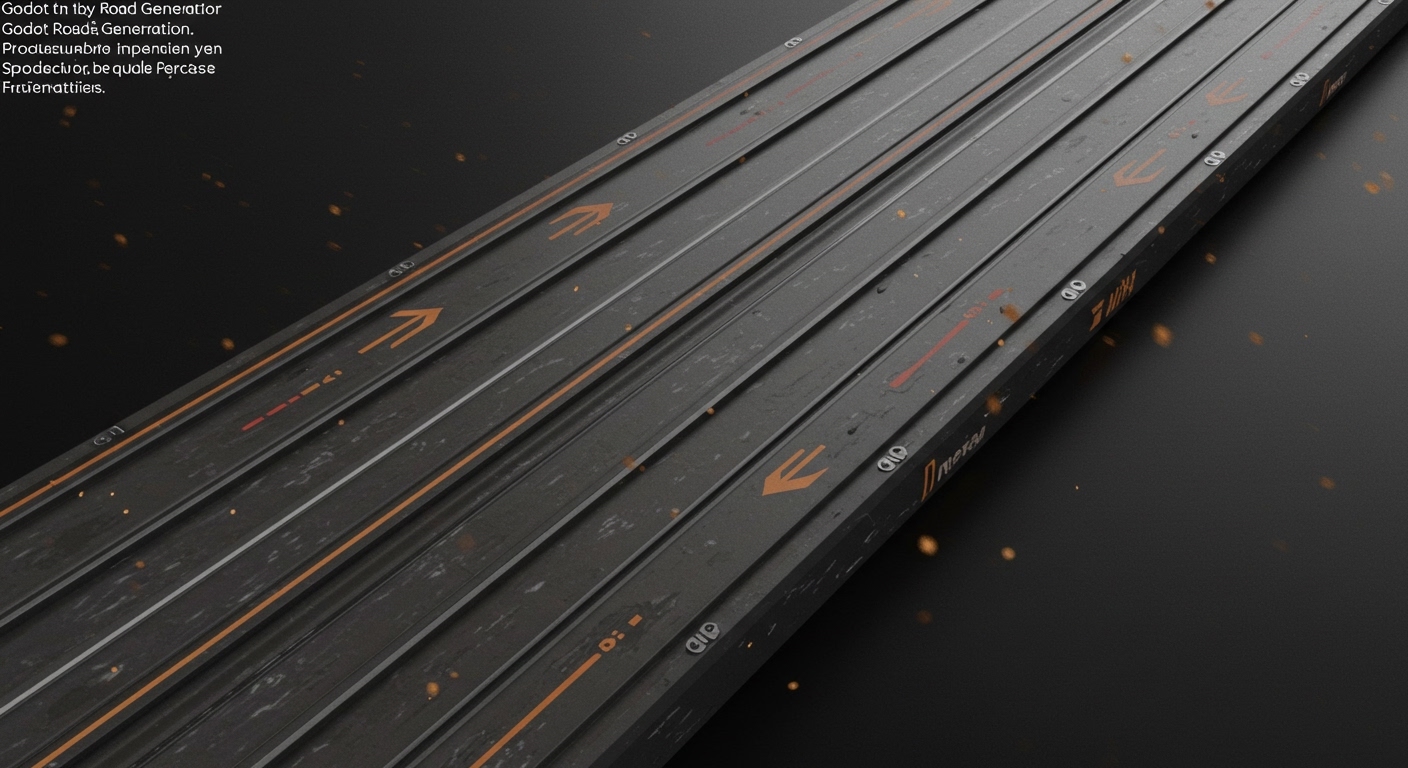
The Godot Road Generator, developed by TheDuckCow, recently improved its procedural intersection capabilities, a seemingly technical detail with broader implications for virtual world design.
These recent developments, from sophisticated procedural tools to workflow efficiencies like Loops2DPanZoom for Unreal Engine 5, underscore an industry-wide push towards automated content creation. This drive is not merely about enhancing realism or expediting asset production; it directly correlates with the economic pressures evident in the significant layoffs at companies like Xbox and Id Software. The unstated pattern is the relentless pursuit of output efficiency through technological advancement, often at the expense of human-intensive processes.
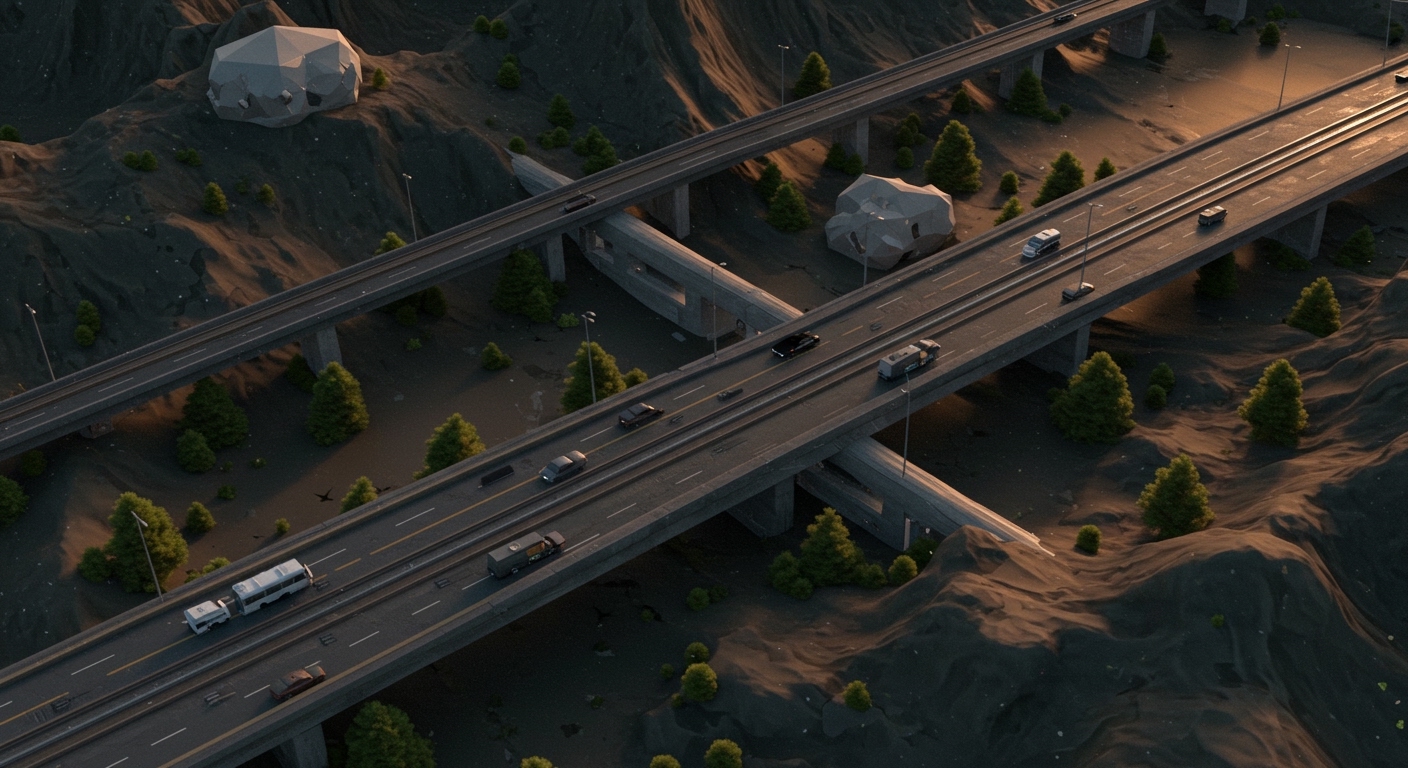
John Carmack’s recent comments regarding Id Software’s layoffs, emphasizing that “games need to succeed, not just be beloved,” encapsulate a hard truth impacting 3D modeling professionals. The conventional wisdom suggests that advancements in procedural generation, such as TheDuckCow’s Road Generator, empower artists to achieve unprecedented scale and detail in virtual environments. This view positions tools like Loops2DPanZoom as accelerators for creative freedom, allowing more time for intricate detailing or novel interactive elements.
However, this perspective overlooks the direct correlation between increased procedural automation and reduced labor demand. The prevailing industry narrative often frames these efficiencies as enabling artists to tackle ‘higher-value’ tasks, but in practice, they often diminish the need for substantial teams engaged in foundational asset creation and scene building. By mid-2027, the industry will see a marked decrease in entry-level and mid-tier roles focused purely on repetitive 3D environment modeling, as intelligent procedural systems will handle much of this workload, pushing human creativity towards oversight and highly bespoke, non-generative content.
This trajectory faces resistance not from Luddite tendencies, but from the inherent limitations of current procedural systems in replicating nuanced, context-specific artistic intent. While a Godot Road Generator excels at scale, the aesthetic “inside a pencil sketch” virtual space demonstrates a deliberate embrace of non-photorealistic rendering that often defies easy procedural decomposition into rulesets. The unique stylistic requirements for such distinct virtual experiences, where aesthetic coherence trumps generic efficiency, remain outside the domain of automated systems and firmly within the sphere of human artistry and iterative design.
A 3D modeling professional should immediately pivot attention from mastering individual asset creation workflows to understanding and customizing procedural pipelines. This involves not just using tools like TheDuckCow’s generator, but actively learning their underlying logic, scripting capabilities, and integration with engine-level systems. Developing proficiency in defining, debugging, and expanding procedural rulesets for geometry, textures, and even lighting dynamics within virtual spaces will become more critical than perfecting a single prop model. Professionals should spend time this week experimenting with engine-specific procedural graph editors, even if it means stepping away from traditional modeling software.
TL;DR
The drive for automated content creation is redefining the roles for 3D modeling professionals, demanding mastery of procedural systems over manual asset production.
Curated References
About this editorial — This piece was developed using AI-assisted research and curation across multiple industry sources. All analysis, opinions, and predictions represent the editorial perspective of JHDD. Sources are linked in the references section above.