JHDD UI UX Report — 2026.07.11
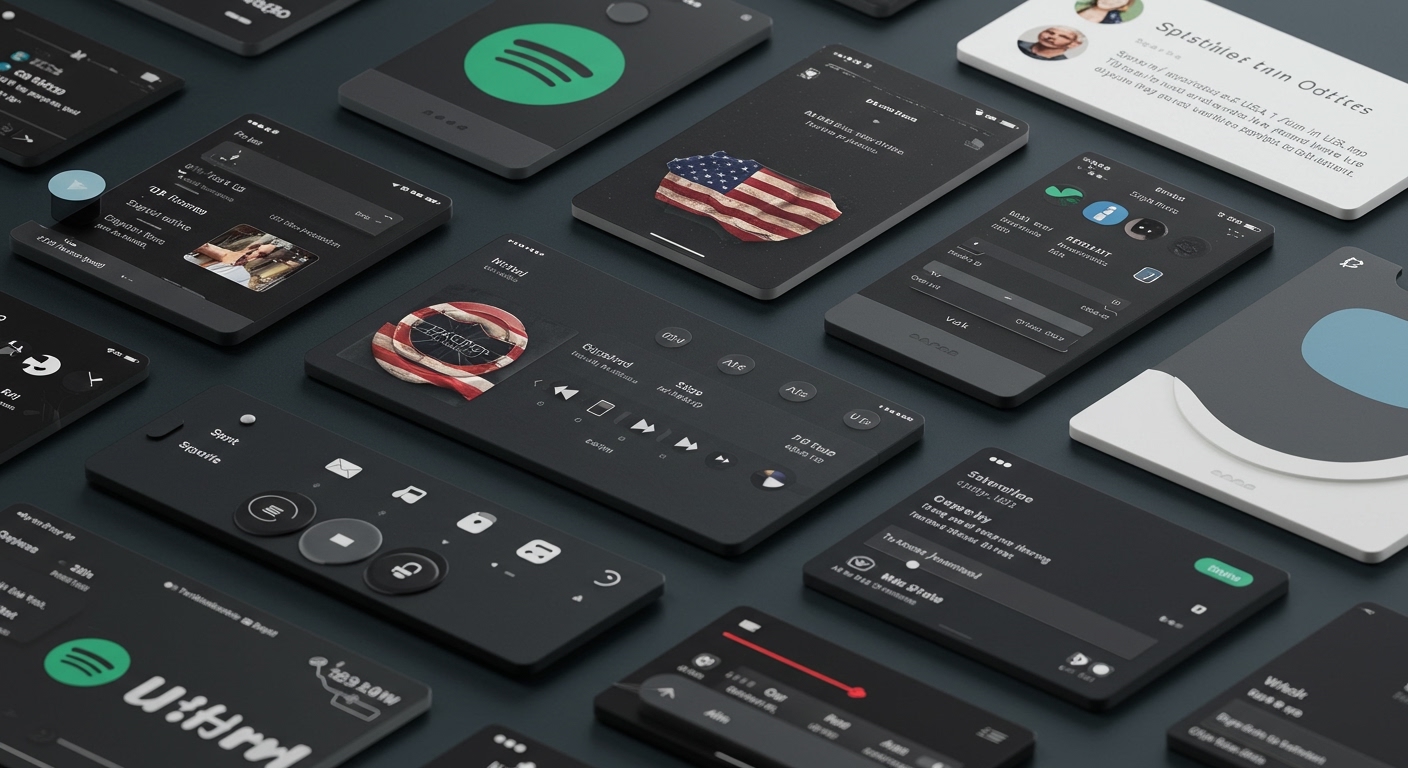
Spotify’s algorithmic delivery of “Born in the USA” for a Fourth of July playlist provides a stark example of system output divorcing from original intent.
This disconnect, alongside the broader industry’s embrace of UI fashion and rapid AI integration, signals a growing chasm between surface-level design outcomes and deeper user needs or ethical considerations. Articles discuss how initial brand strategy is often skipped, how DesignOps must now orchestrate AI towards ethical results, and how popular UI trends can actively harm distressed users. The common thread is a critical look at the foundations and deeper impacts of design decisions, beyond superficial aesthetics or assumed user interpretation.
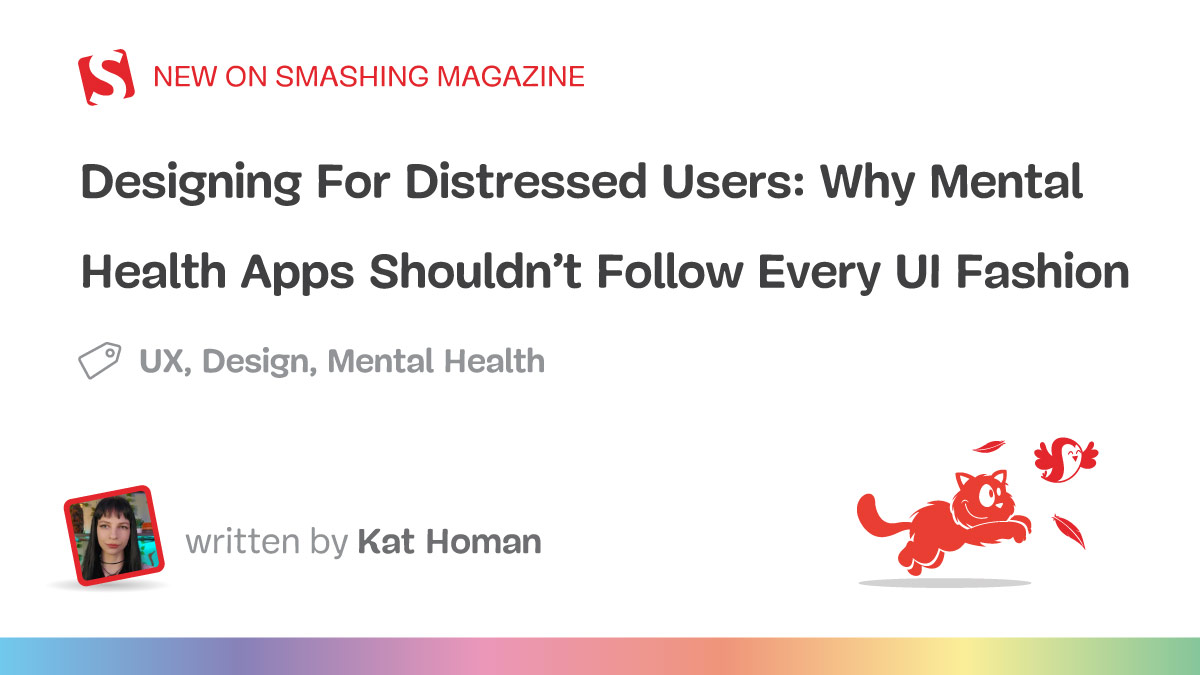
Kat Homan’s work on designing for distressed users presents a critical counter-narrative to the prevailing industry focus on “attention-capturing” UI trends. Homan argues that for mental health applications, many prevalent interaction patterns and visual styles, while signaling innovation, actively increase cognitive strain, erode trust, and fail to provide a sense of refuge. The mainstream often equates “modern” or “trendy” UI with good design, assuming that innovation automatically translates to improved user experience across all contexts. This view contradicts the reality that UI fashion is often driven by marketing differentiation or a desire for novelty rather than nuanced understanding of user psychology and context. The industry mistakenly believes a one-size-fits-all aesthetic can solve for diverse emotional states. A more robust approach, as exemplified by Homan’s evaluation framework, understands that ethical design in sensitive domains demands bespoke pattern choices. This indicates that by mid-2027, major design systems will be compelled to include contextual “user state” guidelines, explicitly detailing how core components should adapt for users experiencing stress, cognitive load, or emotional vulnerability, moving beyond generic accessibility standards.
The primary opposing force to this deeper, more ethical design scrutiny is the market’s continuous drive for “innovation” and “attention,” often manifested as uncritical adoption of UI fashion. This pressure, sometimes fueled by a desire to signal technological advancement or to quickly capture market share, pushes teams to prioritize rapid iteration and visual novelty over thorough foundational research or the development of context-sensitive design guidelines. The very notion of “designing excuses,” as noted by UX Collective, points to this resistance: the ease with which superficial trends become norms, allowing teams to sidestep the more difficult work of understanding true user impact.
A working UI UX professional should this week audit one key interaction pattern within their current product, specifically evaluating its impact on users experiencing mild stress or cognitive load, rather than assuming optimal user conditions. This involves documenting not just usability, but also potential for misinterpretation or increased psychological friction. Use Kat Homan’s approach as inspiration, constructing a simple framework to assess if the pattern, if seen by a distressed user, would foster trust and reduce strain, or conversely, introduce confusion or anxiety.
TL;DR
Surface-level design trends and assumed user interpretation often betray deeper ethical and psychological user needs, requiring a foundational shift in design evaluation.
Curated References


About this editorial — This piece was developed using AI-assisted research and curation across multiple industry sources. All analysis, opinions, and predictions represent the editorial perspective of JHDD. Sources are linked in the references section above.