
JHDD UI UX Report — 2026.06.28

The iPod, a product discussed in the context of pure thought and design philosophy, offers a sharp contrast to the deliberate obfuscation found in some modern cancellation flows.
The common thread through recent discussions on product development is a quiet alarm about the diminishing emphasis on human judgment and ethical intention within design practice. While tools and processes become increasingly efficient, the underlying reasoning that shapes user experience is being challenged, either by the pursuit of operational speed, the erosion of data integrity, or the deliberate subversion of usability for business objectives. This shift points to a need for re-evaluating the foundational principles of design impact and product discovery.
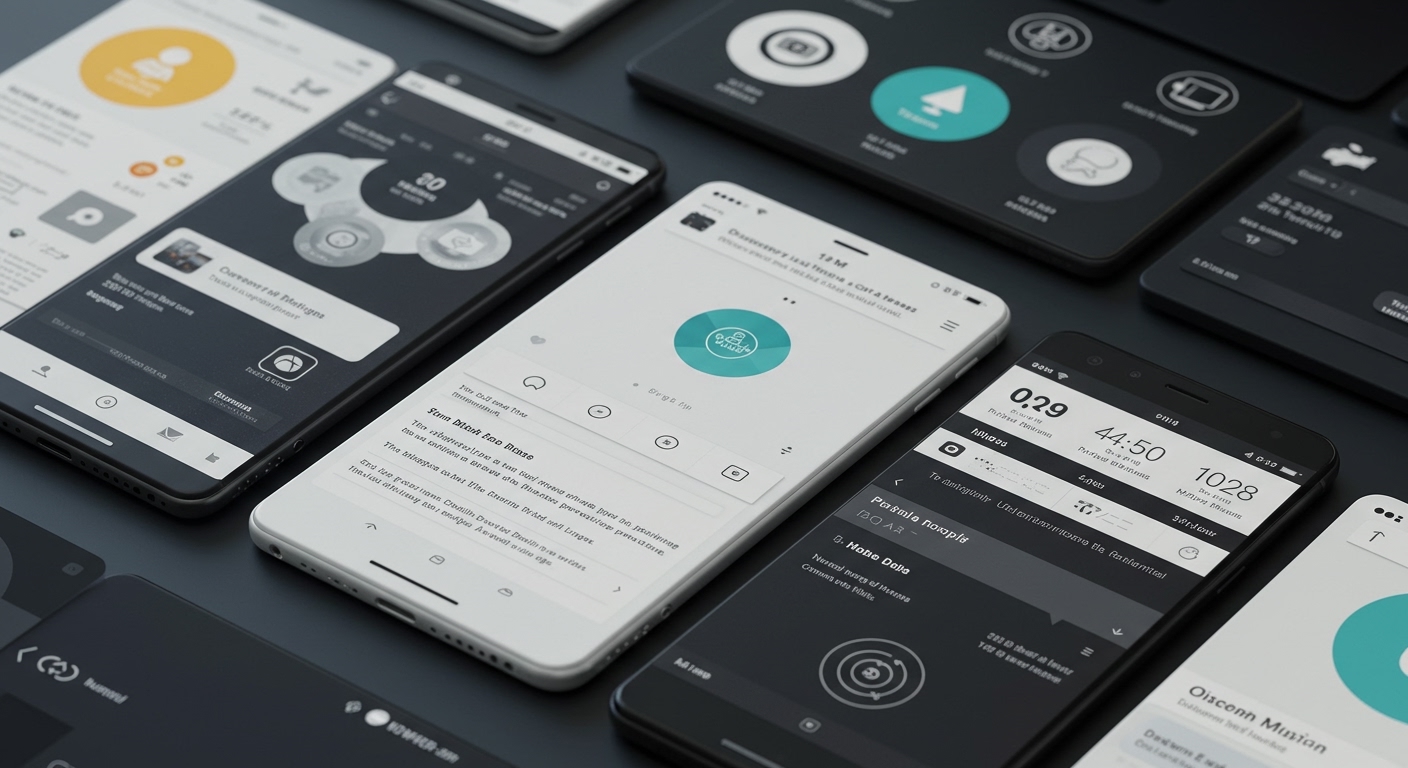
“Someone designed this” points directly to interaction patterns crafted to benefit business metrics over genuine user needs. The example of a subscription cancellation flow presenting bright tiles, warm colours, and a highlighted countdown to discourage exit is not an accidental oversight but a deliberate design choice. This manipulation of user behavior, often lauded internally as “retention optimization” or “churn reduction,” represents a mainstream industry position that prioritizes short-term commercial gain above ethical design principles and transparent usability. This publication holds a contrary view: such patterns are not merely aggressive business tactics, but failures of product integrity that erode user trust and ultimately devalue the product experience. The “Discovery Judgment Framework” from “Discovery is a capability, not a phase” suggests focusing on the soundness of human reasoning that produces products; these deceptive patterns clearly demonstrate reasoning that is ethically unsound, regardless of their immediate financial success. The distinction between a “short game” of operational efficiency and a “long game” of developing sound judgment is crucial here, as these manipulative designs often emerge from a focus on the short game.
The efficiency gains promised by artificial intelligence in the “short game” of product discovery, as highlighted in “Discovery is a capability, not a phase,” may exacerbate this problem by accelerating the deployment and testing of these ethically questionable interaction patterns. If tools like DALL-E 3, mentioned in the context of generating imagery, or other AI systems make it faster to generate and test variations of dark patterns, the “long game” of developing discerning makers becomes even more critical. The risk is that the technical prowess in delivering features outpaces the moral and philosophical rigor in deciding what features to deliver and how they should behave, moving further from the “pure thought” exemplified by the iPod’s design. Without a strong emphasis on the “long game” of human judgment, the integrity of user research, as discussed in “Kick the Bots Out of Your Survey Data,” also becomes compromised, as design decisions are based on potentially skewed or incomplete understandings of user needs. By mid-2027, the industry will see a clearer divergence between organizations that invest in developing this deeper judgment capability and those that primarily leverage AI for operational speed, with the latter group increasingly experiencing user churn and reputational damage as awareness of manipulative design grows.
The most significant opposing force is the short-term revenue imperative, often driven by quarterly financial targets and executive bonuses, which incentivizes teams to adopt deceptive interaction patterns like the highlighted countdowns in cancellation flows. This force bypasses ethical design discussions by framing dark patterns as legitimate business decisions to achieve immediate financial goals.
UI UX professionals should, this week, identify one interaction pattern within their current product or project that appears to prioritize business metrics over clear user intent. This could be a complex cancellation path, an obscured privacy setting, or a misleading prompt. They must then propose an alternative pattern that achieves the business goal transparently and ethically, even if it appears to be a smaller win in the immediate term. This proposal should clearly articulate the user problem created by the existing pattern, define the ethical design principle it violates, and include specific baseline metrics, as advocated by “Establishing Baselines for Impact,” to demonstrate the positive impact of the proposed ethical design on both user experience and long-term business health. This practice fosters the “long game” judgment capability, focusing on how makers get better at deciding what is worth building.
TL;DR
The drive for efficiency and short-term metrics is eroding ethical design, making human judgment and transparent impact measurement essential.
Curated References


About this editorial — This piece was developed using AI-assisted research and curation across multiple industry sources. All analysis, opinions, and predictions represent the editorial perspective of JHDD. Sources are linked in the references section above.