JHDD Packaging Report — 2026.06.28
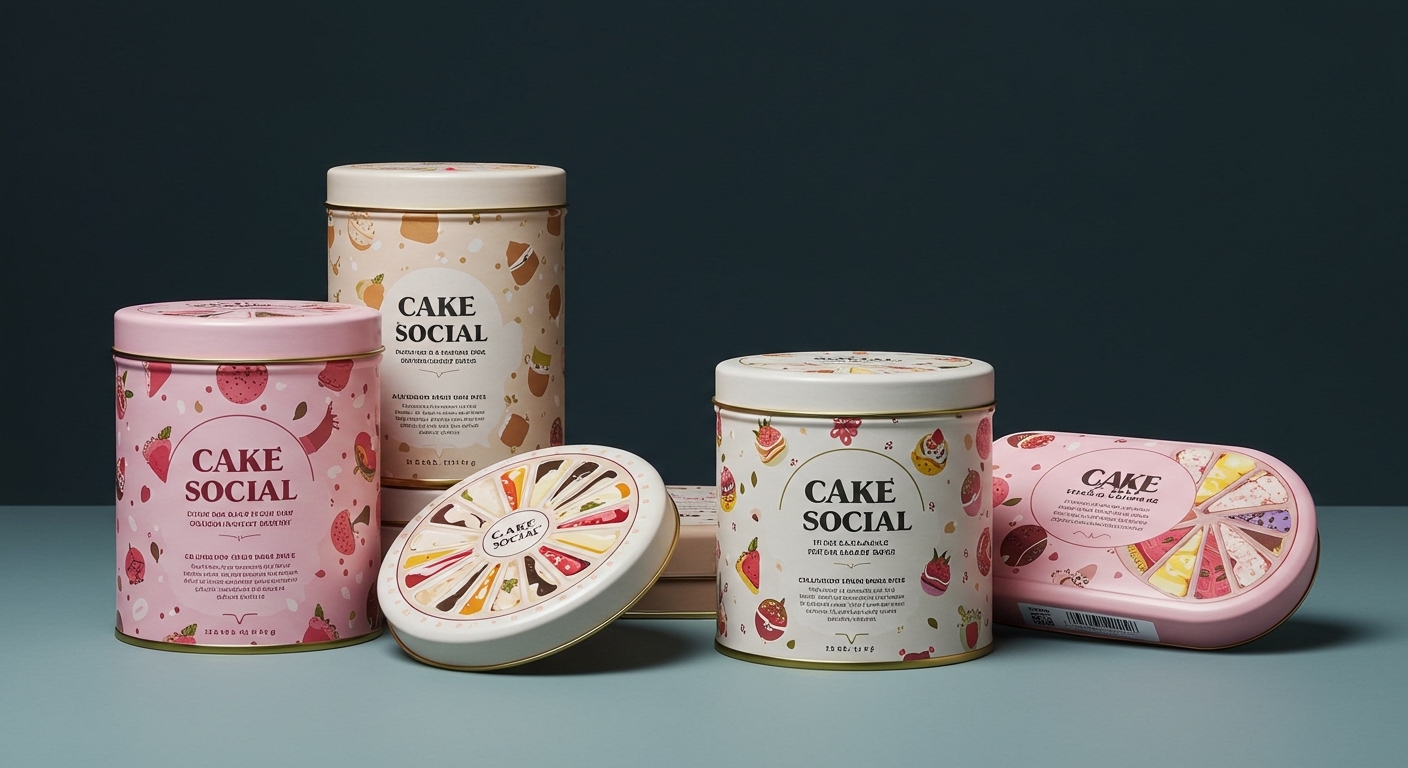
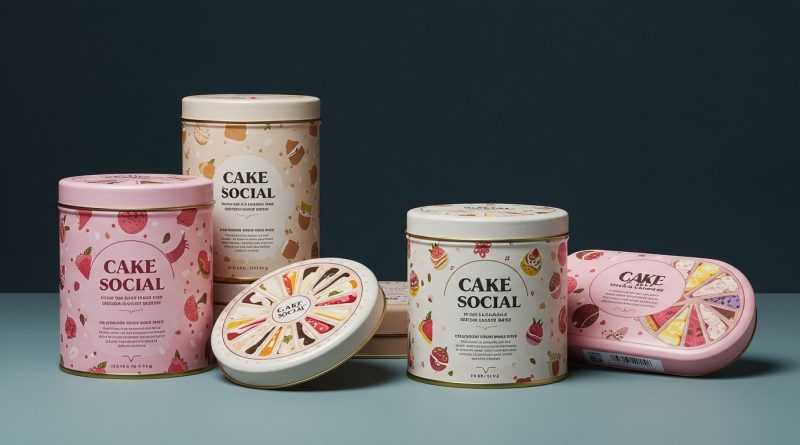
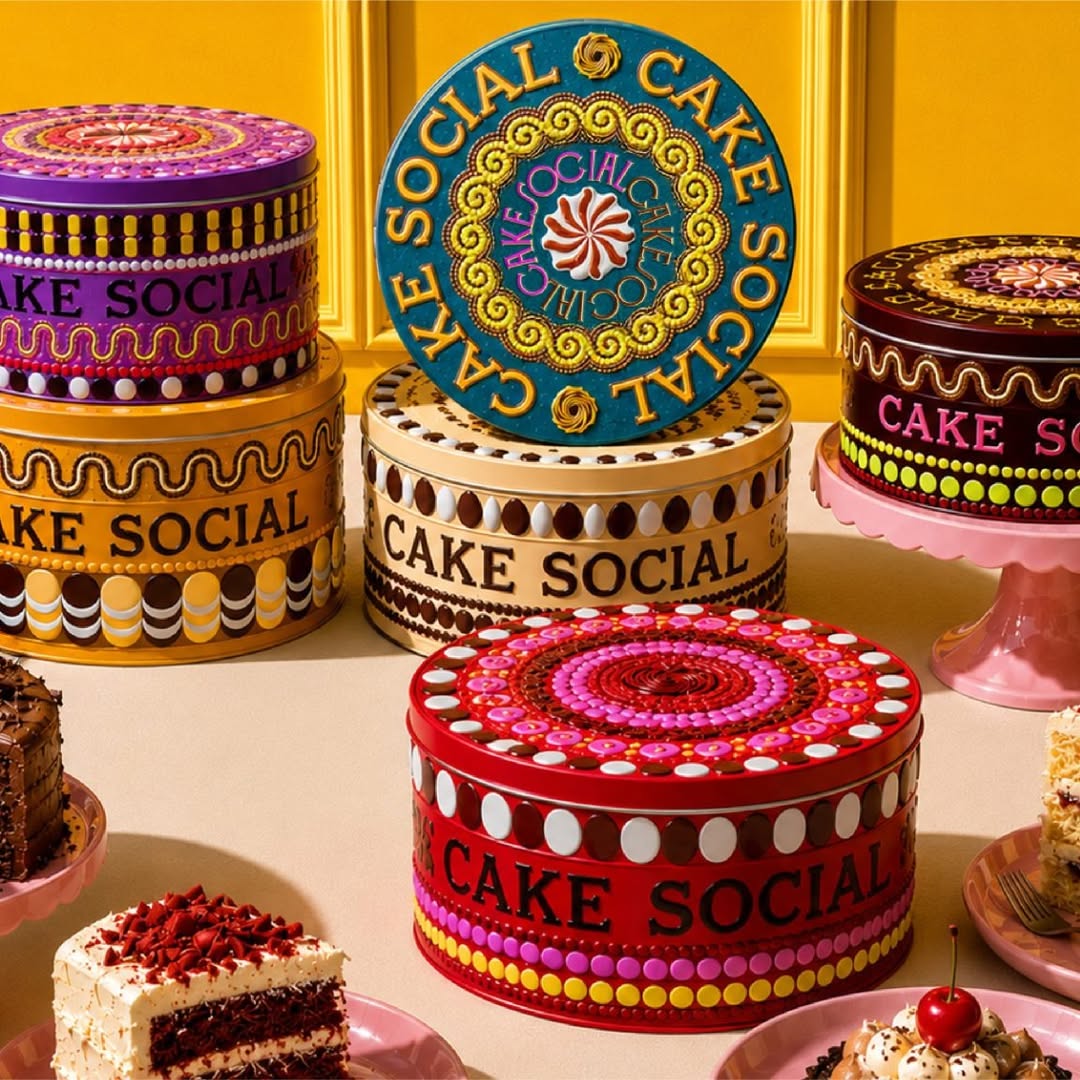
Cake Social’s collectible tins transform packaging from a container into an integral part of the product’s celebration.
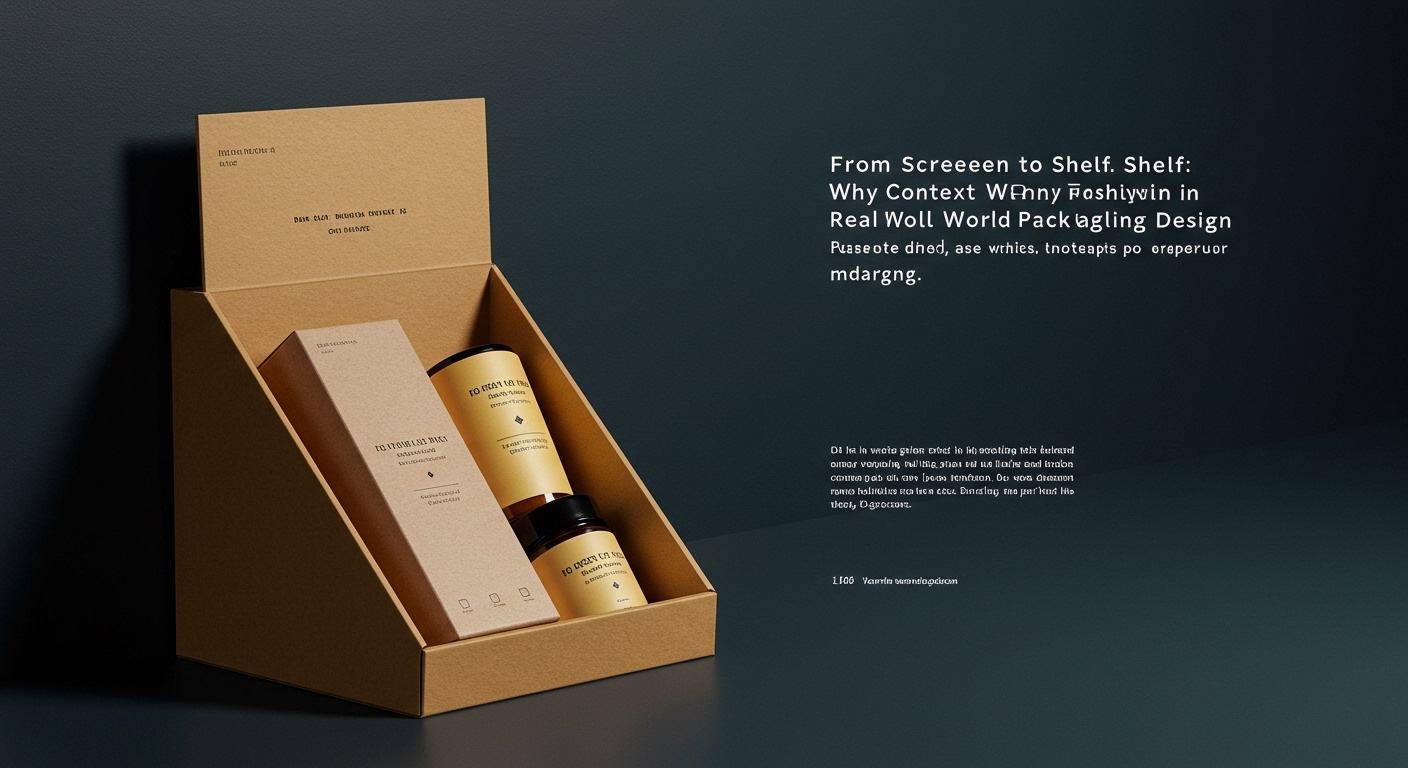
This collection of reports points to a foundational shift in how brands approach physical packaging in a retail environment. The common thread is a deliberate elevation of the package itself to a primary brand asset, transcending its traditional role as a mere protective vessel. This involves intentional design choices that invite tangible interaction, evoke emotional responses, and establish a distinct physical presence. This trend is particularly critical in an increasingly digitized marketplace where the tangible interaction points of physical retail become even more valuable for connection, directly addressing the gap between digital-first design and real-world retail that OurCreative’s Kim Van Elkan identifies.
Consider Cake Social, where the brand’s collectible tins are crafted to mimic the appearance of a decorated celebration cake, complete with frosting swirls and piped borders. This detailed, maximalist approach directly challenges the mainstream industry tendency to streamline packaging for cost-efficiency or a minimalist digital aesthetic. Conventional wisdom often dictates that packaging for perishable goods should be minimal, easily discarded, and focused on clear product visibility above all else. However, Cake Social demonstrates that investing in highly tactile, visually rich, and reusable packaging for a celebratory item creates an artifact that carries emotional resonance beyond the cake’s immediate consumption. This contradicts the idea that packaging must always be secondary to the product; here, it is the product’s extended experience, a keepsake that enhances the gifting and receiving ritual itself. The material choice of tin underscores this longevity.
This strategy enhances brand loyalty and extends the packaging’s lifecycle, potentially making it a more sustainable choice in a holistic sense than a less engaging, single-use alternative, especially when the material is durable like tin and designed for genuine re-use. The value proposition shifts from ephemeral content to enduring form. Packaging professionals who embrace this perspective understand that the unboxing is not the end, but often the beginning of the package’s journey, fostering a deeper consumer relationship. By mid-2027, the industry will see a measurable rise in brands commissioning packaging designed for secondary life or collection, directly impacting material selection, structural design briefs, and consumer engagement metrics.
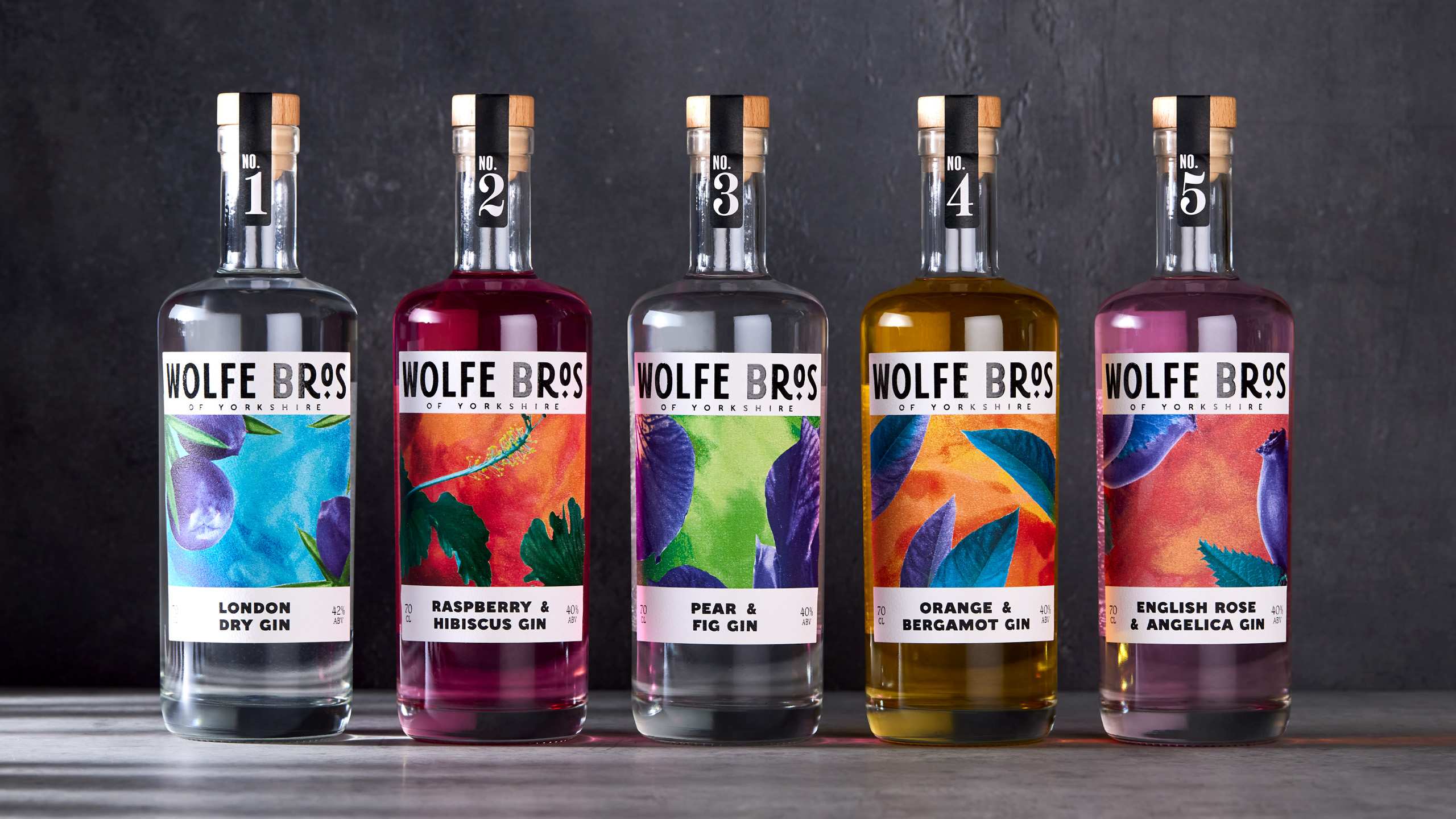
This emphasis on experiential, highly designed packaging faces significant resistance from an ingrained industry focus on logistical efficiency and often overly rigid brand protection policies. The “optimization” mindset, often driven by supply chain pressures or the strict brand regulations highlighted by FIFA’s policies affecting Heinz’s ketchup, prioritizes uniformity, lowest unit cost, and maximum space utilization above sensory engagement or unique physical expression. This can lead to generic, uninspired solutions that fail to capture the nuanced identity of a brand in a physical retail environment, and paradoxically, can be less memorable or sustainable in the long run if they lack perceived value for reuse.
A working packaging professional should actively seek opportunities to move beyond digital-first design briefs that prioritize on-screen aesthetics over physical interaction. This means conducting deep, qualitative ethnographic research in physical retail environments, observing how consumers instinctively interact with products on a shelf, beyond just the final purchase decision. Focus on designing for the hand as much as the eye, exploring the inherent qualities of material textures, the ergonomics of structural forms, and potential secondary-use narratives that invite repeated interaction and re-engagement, rather than just visibility. This might involve prototyping with diverse substrates or incorporating subtle tactile cues like debossing or specialized finishes that enhance the physical connection with the product.
TL;DR
Packaging must evolve beyond mere containment to become a primary physical brand asset that invites interaction and emotional connection.
Curated References

About this editorial — This piece was developed using AI-assisted research and curation across multiple industry sources. All analysis, opinions, and predictions represent the editorial perspective of JHDD. Sources are linked in the references section above.