JHDD 3D Modeling Report — 2026.06.25
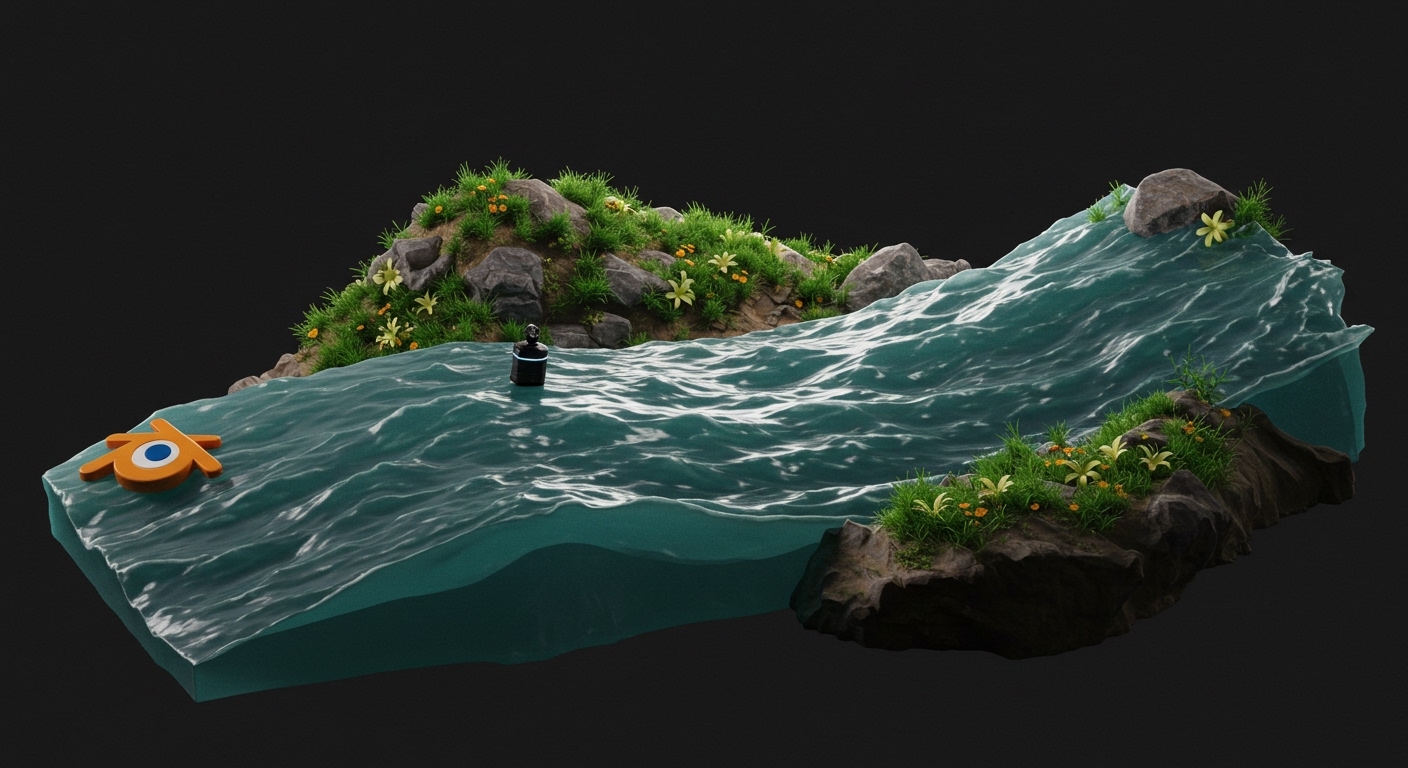
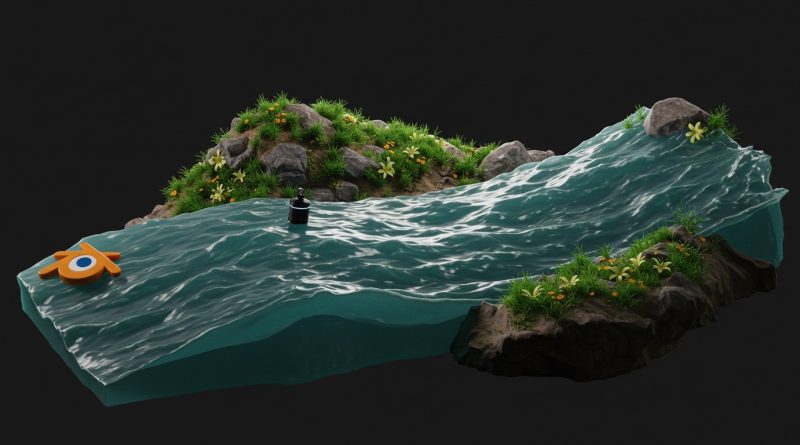
The Stylized River Generator for Blender allows artists to build entire river environments from simple curves, featuring dynamic obstacle interactions.
This Blender tool, alongside the free Animo toolkit for Maya animators and Anderson Rohr’s monthly crowd reaction mocap packs, points to a clear industry trend. These advancements are not merely about accelerating individual tasks. Instead, they represent a convergence of sophisticated procedural generation, accessible asset libraries, and intelligent workflow automation. The overarching pattern reveals a push towards constructing incredibly complex, dynamic virtual spaces – exemplified by titles like GTA 6, which forego physical media in favor of a purely digital footprint. These digital-first, richly interactive environments are now being built through intelligent systems that still demand profound artistic direction and oversight, fundamentally altering the content creation landscape.
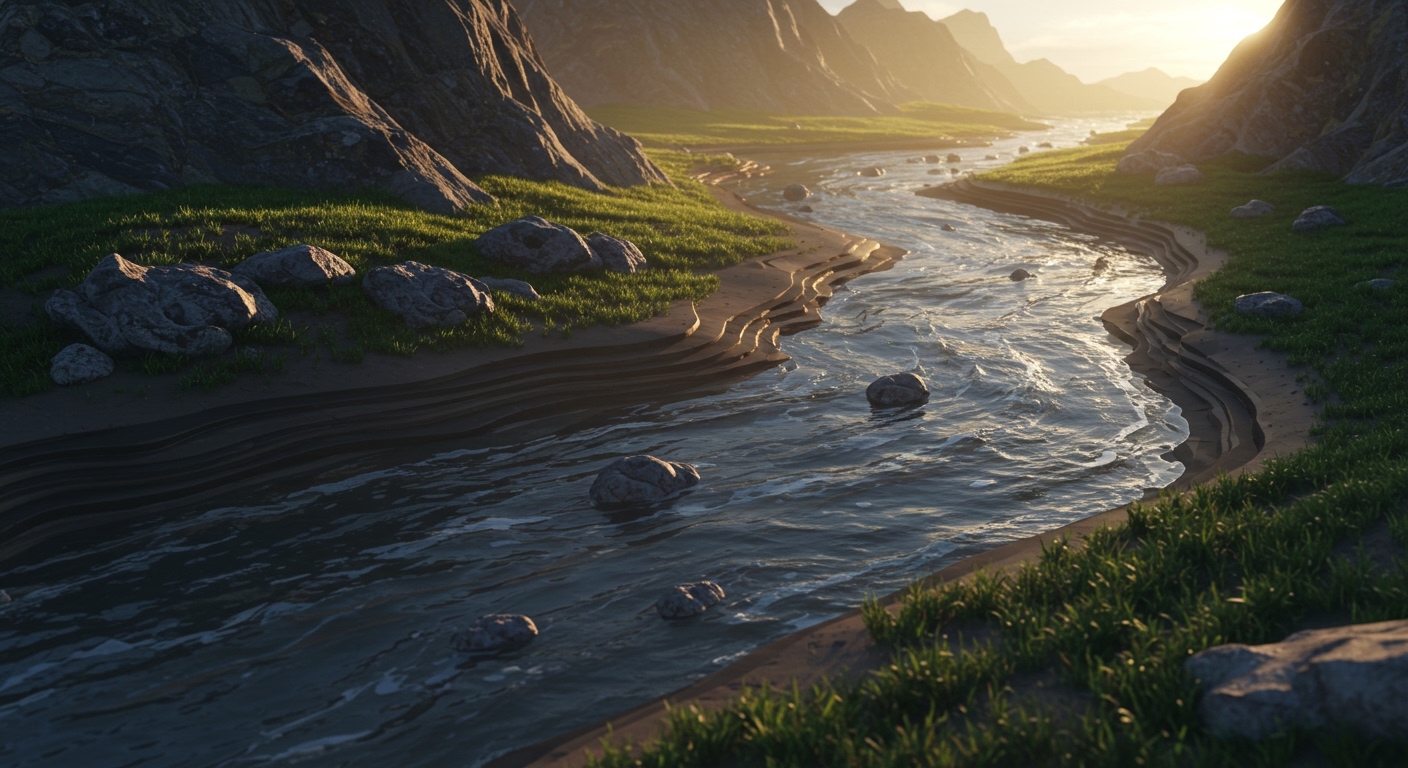
Mainstream industry analysis often frames these procedural breakthroughs as efficiency gains, simple time-savers that reduce the artistic burden. However, a deeper examination of the Stylized River Generator reveals a contrasting reality. While it dramatically streamlines environment assembly, its capacity for ‘dynamic obstacle interactions’ introduces a new layer of systemic complexity. Artists are no longer just designing static terrain and placing props; they are now defining responsive ecosystems where water flows realistically around obstructions, and environmental elements react intelligently to each other. This fundamentally shifts the creative focus from manual mesh manipulation and texture painting to parametric system design, requiring a different, often more demanding, cognitive approach centered on rules, behaviors, and relationships.
This evolution elevates the baseline expectation for hyper-realism and interactivity within virtual spaces. It mandates that artists think like system architects, crafting not just visual fidelity but also behavioral logic that dictates how light interacts with dynamic surfaces and how elements move within a scene. For instance, achieving compelling lighting dynamics within procedurally generated scenes becomes more intricate as the scenes themselves grow in complexity and reactivity, demanding sophisticated understanding of physically based rendering and real-time global illumination. This leads to a higher skill threshold for engaging with cutting-edge tools. Consequently, by early 2028, leading studios developing large-scale virtual worlds, similar to the scope of GTA 6, will increasingly seek artists with demonstrable expertise in procedural logic and system-level environment design over those whose portfolios emphasize purely manual asset creation.
The primary resistance to this paradigm shift originates from the inherent inertia of established production pipelines and the comfort zone associated with traditional manual methods. Many studios, and even individual artists, still invest heavily in extensive manual modeling, sculpting, and keyframe animation, perceiving these approaches as offering ‘absolute control.’ This resistance often overlooks the inherent scalability and dynamic capabilities of procedural systems. The sheer volume of content required for contemporary virtual environments, from GTA 6’s expansive map to detailed crowd reactions provided by Anderson Rohr’s mocap, increasingly makes reliance on purely manual methods economically unsustainable and creatively limiting for achieving the desired level of dynamic realism. Studio leads accustomed to direct, hand-crafted pipelines find adapting to rule-based design a significant cultural and technical hurdle.
A working 3D Modeling professional should immediately begin exploring the underlying logic of procedural systems, rather than simply applying pre-made solutions. This means actively experimenting with node-based procedural workflows – such as Blender’s Geometry Nodes or Houdini’s network editor – to understand how parameters and relationships dictate form and behavior, even if not directly relevant to their current project. Engaging with tools like the Stylized River Generator should involve dissecting its input-output relationships, modifying its underlying logic, and designing custom parameters, rather than just accepting default settings. This proactive approach to understanding algorithmic design will be critical for grasping the core principles of dynamic environment generation and integrating hyper-realistic elements effectively.
TL;DR
Advanced procedural tools are elevating creative expectations and demanding artists adopt system-level design skills for dynamic virtual environments.
Curated References
About this editorial — This piece was developed using AI-assisted research and curation across multiple industry sources. All analysis, opinions, and predictions represent the editorial perspective of JHDD. Sources are linked in the references section above.