JHDD Interior Report — 2026.06.22
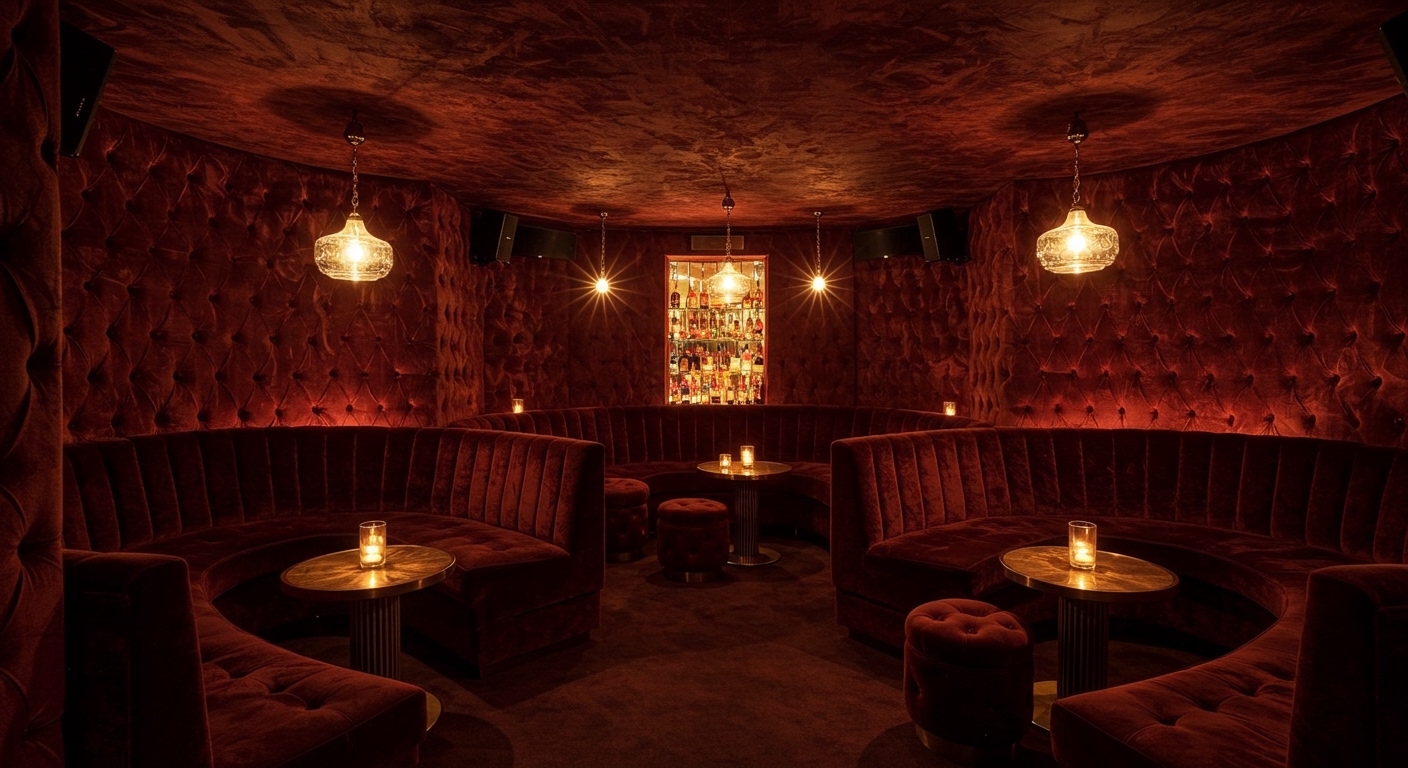
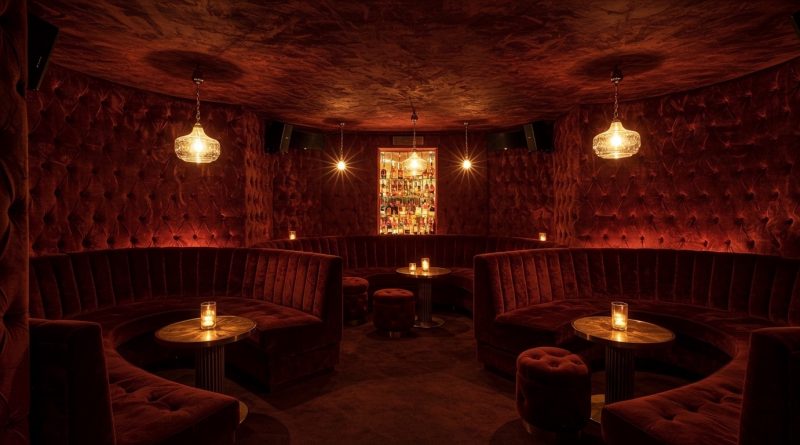
The velvet walls and floors at Golem’s Dive bar in London invite a specific interaction with materiality. This specific detail reveals a broader, yet unarticulated, pattern within contemporary interior design.
These recent reports highlight a subtle but pervasive pivot: designers are moving beyond purely visual appeal to engineer environments that deeply engage human senses through touch, flow, and the subtle acknowledgment of occupancy. From the celebrated signs of use at Golem’s Dive bar to the ingenious, flowing spaces in Dawid Konieczny’s 34-square-metre Warsaw apartment designed for efficient human movement, and Plan Plan’s resourceful use of stained birch plywood for the CC Residence, there is a clear interest in how materials and spatial configurations directly influence human experience, often within precise constraints. This pattern indicates a heightened awareness of how occupants shape and are shaped by their immediate physical surroundings, prioritizing tactile quality and the nuanced flow of bodies over expansive, anonymous grandeur.
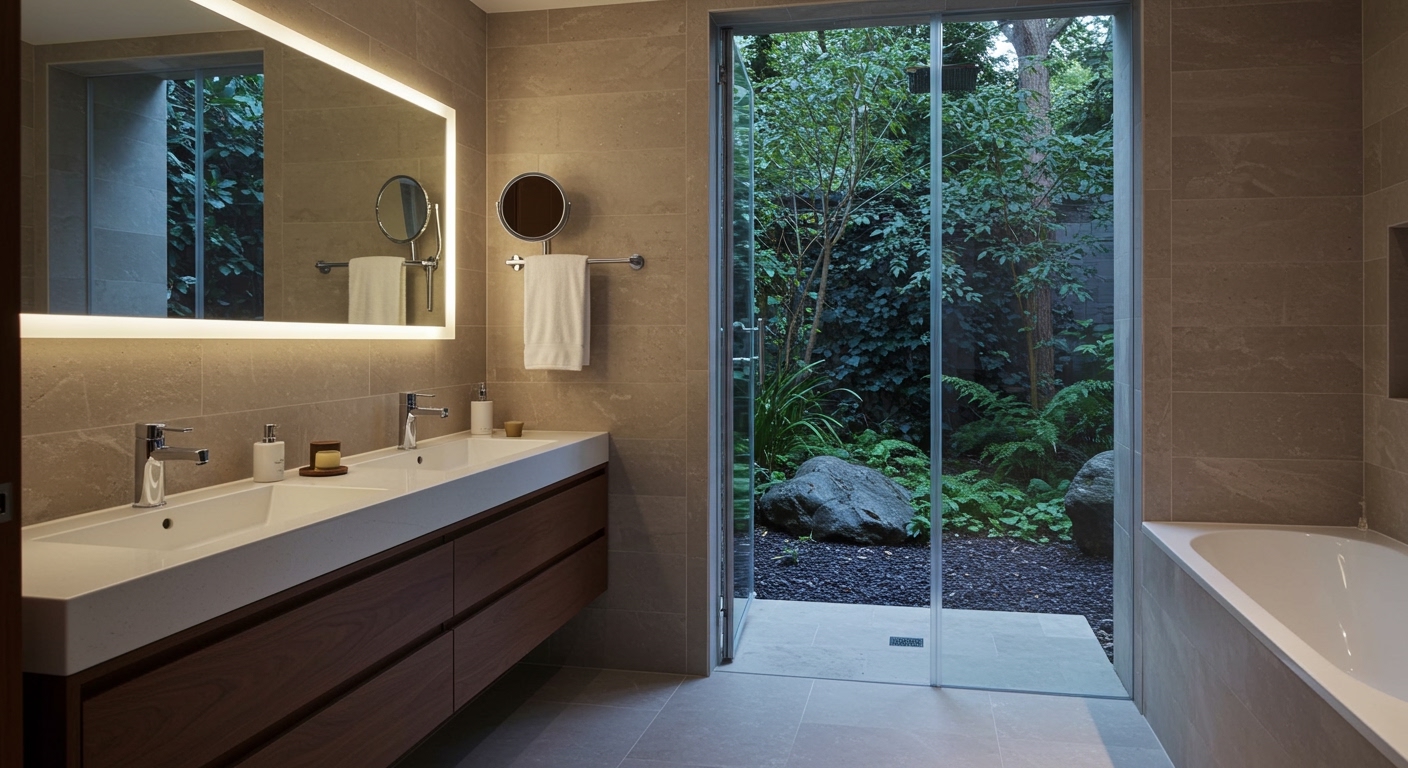
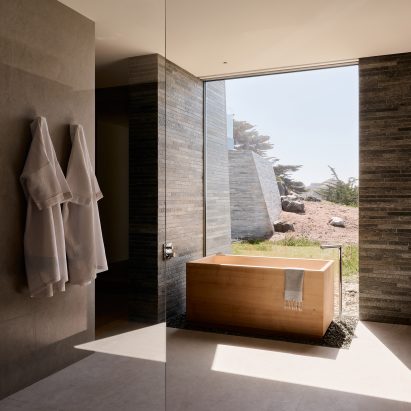
Consider Golem’s Dive bar, where the soft red velvet is specified precisely because it “retains the imprint of bodies.” This directly challenges a mainstream luxury industry obsession with perfectly smooth, untouched surfaces and materials engineered for stain resistance and immaculacy. Conventional high-end design often aims for a sterile perfection, as if human interaction were a flaw to be mitigated. However, Golem demonstrates that materials which bear the marks of life can foster a deeper connection and a sense of belonging, making a space feel lived-in and personally resonant from the outset. The enveloping quality of the velvet, combined with the subterranean setting, creates a profound spatial tension; it is a deliberate cocoon, contrasting sharply with the openness seen in the scenic bathrooms. This approach redefines luxury not as pristine absence of wear, but as rich, evolving character, offering an intimate counterpoint to broad, impersonal spaces.
This embrace of responsive materiality represents a significant shift from the default pursuit of durability at the expense of character. Instead of materials resisting interaction, they are now designed to absorb and reflect it. Designers who lean into this will set new benchmarks. By mid-2027, luxury residential projects, especially those focused on smaller footprints or intensely personal expressions, will consistently feature specified materials and finishes that are intentionally designed to develop a distinct patina or visibly respond to human touch and movement over time, moving beyond current trends in mere “natural” finishes to actively celebrated “lived-in” ones. This will necessitate a different conversation with clients about value and longevity.
This direction stands in direct opposition to the prevailing commercial demand for surfaces that offer absolute imperviousness or easy, superficial cleanability. The market forces often push for materials that resist any sign of use, favoring a perpetually new aesthetic over one that evolves with its occupants. This resistance comes from developers and manufacturers prioritizing low-maintenance, high-durability metrics that often sideline tactile richness or the emotional value of a developing patina. The impersonal “endless corporate spaces” mentioned by Edwin Heathcote serve as the architectural manifestation of this opposing force, designed to be devoid of specific human imprint and universally functional rather than personally expressive.
Interior professionals should actively seek out and specify materials whose primary value lies in their ability to respond to human presence. This means moving beyond visual samples to understanding how a material will truly age, soften, or mark over its lifespan. Professionals can begin by researching artisanal finishes, specific natural fibers (such as certain linens or raw silks for wall coverings), and particular wood and stone treatments that are known to develop a rich, unique character through daily interaction, presenting these as a premium value proposition for client projects this week.
TL;DR
Design is pivoting towards responsive materials and intimate spatial experiences that acknowledge human interaction over static perfection.
Curated References



About this editorial — This piece was developed using AI-assisted research and curation across multiple industry sources. All analysis, opinions, and predictions represent the editorial perspective of JHDD. Sources are linked in the references section above.