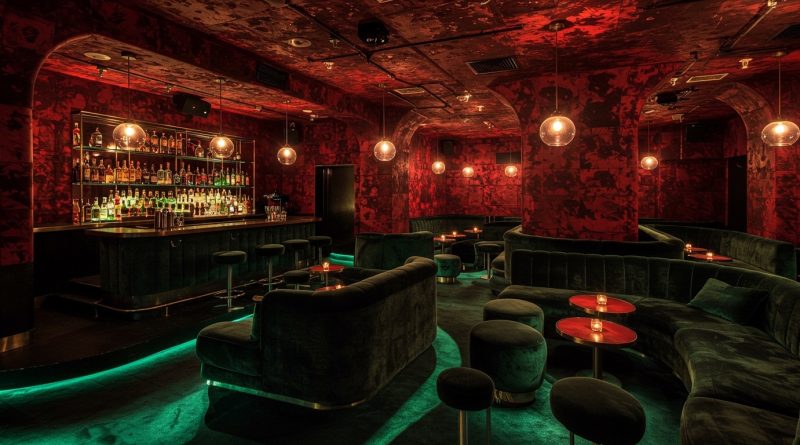
JHDD Interior Report — 2026.06.21
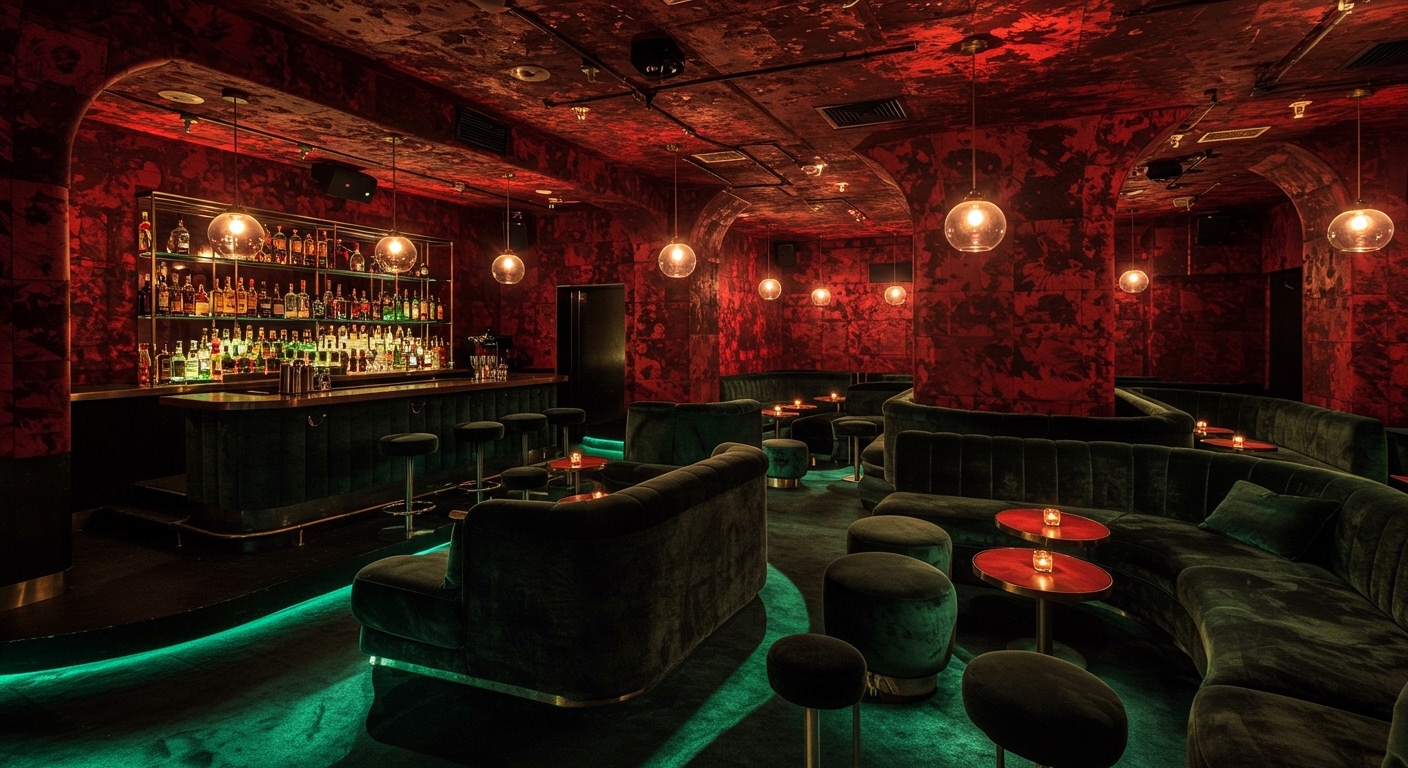
Golem’s Dive bar in London features velvet walls and floors designed to retain the imprint of bodies, a specific detail rarely celebrated in luxury design.
These disparate projects reveal a deepening exploration of how interiors actively shape and even demand human engagement, rather than merely containing it. This goes beyond traditional spatial programming, instead focusing on the sensory and psychological tension between occupant and environment. Each design implies a specific human flow and tactile interaction, often deliberately creating friction or a heightened awareness of presence within the material world.
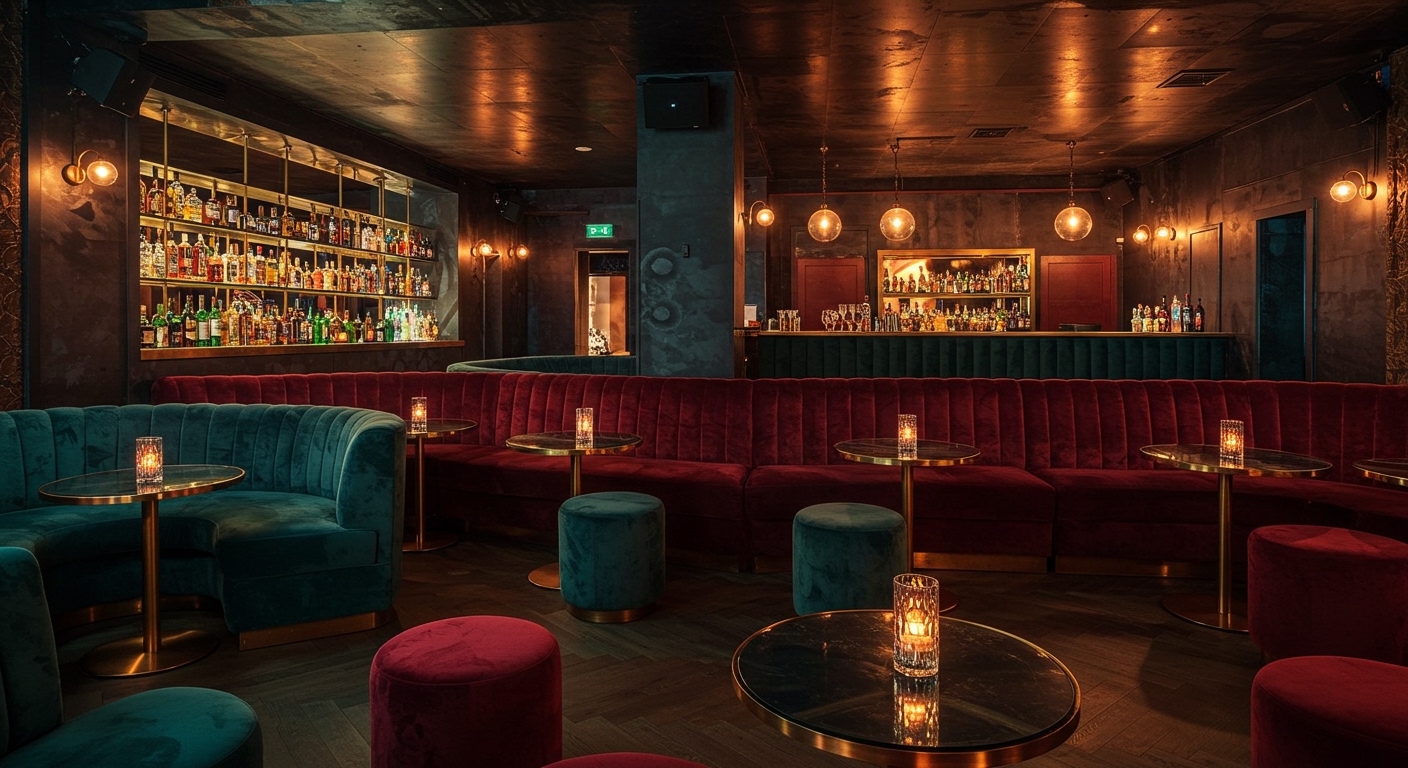
The Dive bar, completed by Golem, exemplifies this shift, specifically with its velvet walls and floors designed to retain the imprint of bodies. This detail fundamentally contradicts the prevailing industry emphasis on surfaces that resist wear, appear pristine, and maintain an idealized, static aesthetic. Mainstream luxury design often prioritizes an enduring, unblemished presentation, framing any sign of use as a degradation to be avoided. Golem’s approach, conversely, treats the softening and indentations of velvet not as flaws, but as a narrative layer, imbuing the subterranean space with a palpable history of its inhabitants. This creates a distinct tactile quality that fosters a deeper sense of connection and intimacy for the occupant, actively shaping their sense of belonging within the space. The human flow here is not merely directed but actively recorded, creating a unique spatial tension between the fixed architecture and the evolving surface.
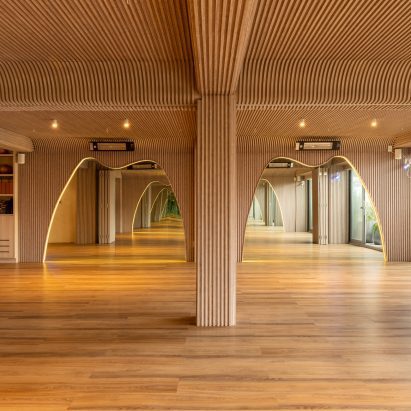
This method of designing for inevitable entropy, rather than against it, cultivates a more profound interaction. It moves beyond merely accommodating occupants to actively acknowledging their passage and presence. This indicates that true luxury can reside in a space’s capacity to evolve with its users, offering a unique, non-replicable experience that is rich in personal history. This perspective challenges the notion that spatial perfection requires immutability. Instead, it suggests that the most compelling environments are those that become richer through interaction. For instance, the deliberate structuring of human paths, as seen in Talo Atelier’s Align Studio with its light-oak tambour panelling guiding movement, or the careful curation of experience on Studio Ibsen’s Pure Amazon riverboat, similarly point towards environments that direct and define the occupant’s journey. By mid-2027, more high-end residential and hospitality projects will explicitly specify materials and finishes that not only withstand but actively improve with the marks of human touch and usage, integrating these changes as integral to the design’s intended patina and character, creating a deeper form of spatial memory.
This emerging specificity, however, stands in direct contrast to the continued market demand for instantly Instagrammable spaces that prioritize visual perfection and broad, unchallenging appeal. The commercial pressure for photogenic sterility, where every surface appears new and untouched, actively discourages the celebration of material integrity and the authentic signs of human interaction. This pervasive aesthetic prioritizes rapid, fleeting engagement over enduring, embodied experience, driving designers away from challenging material choices.
An interior professional should immediately begin re-evaluating material palettes, specifically considering how chosen finishes will visibly age and respond to daily human contact. Instead of only specifying for durability against wear, inquire and specify for materials that develop an appealing patina or texture with use, framing this evolution as a key design feature to clients. This approach fosters a deeper appreciation for the tactile quality of a space and its authentic connection to its users.
TL;DR
Interior design is moving towards embracing material and spatial characteristics that actively register human presence and evolution.
Curated References



About this editorial — This piece was developed using AI-assisted research and curation across multiple industry sources. All analysis, opinions, and predictions represent the editorial perspective of JHDD. Sources are linked in the references section above.