JHDD Branding Report — 2026.06.20
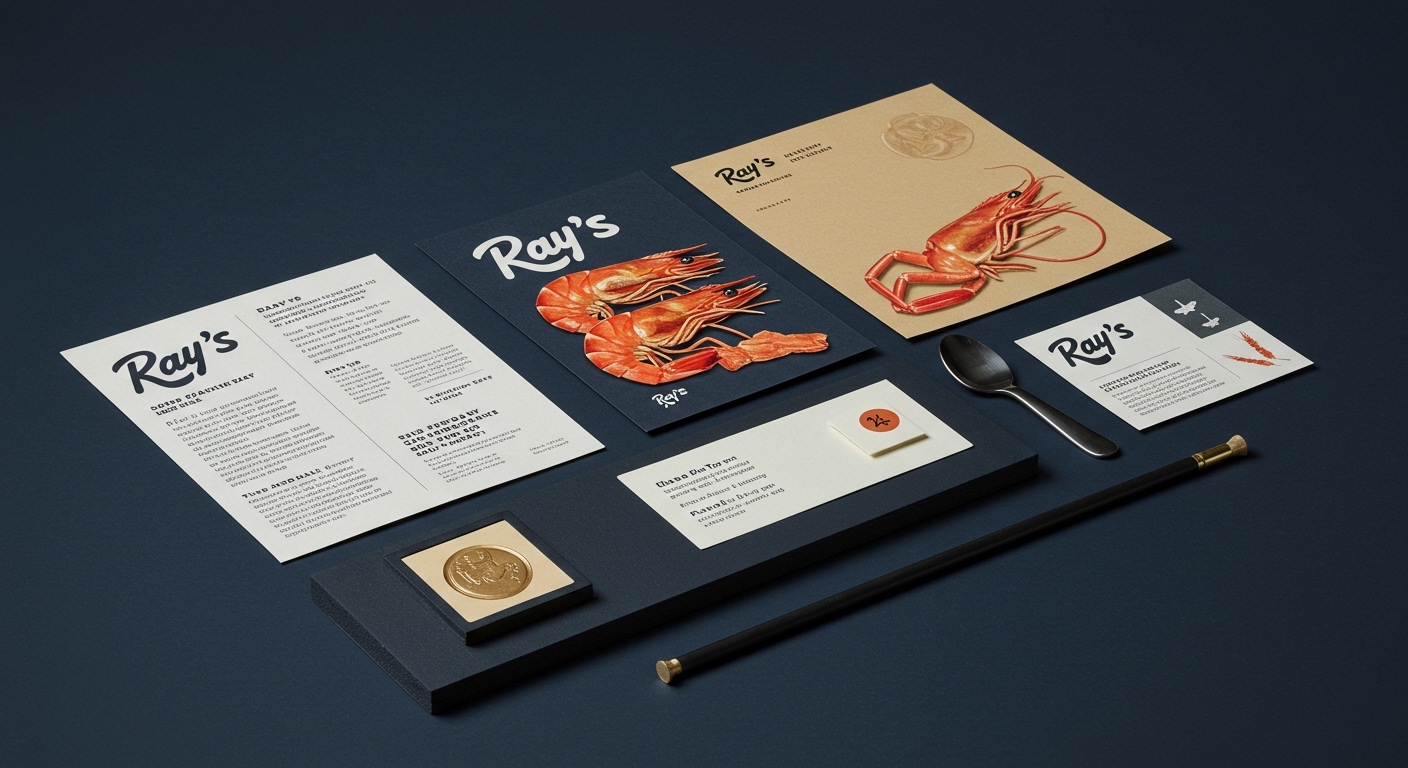
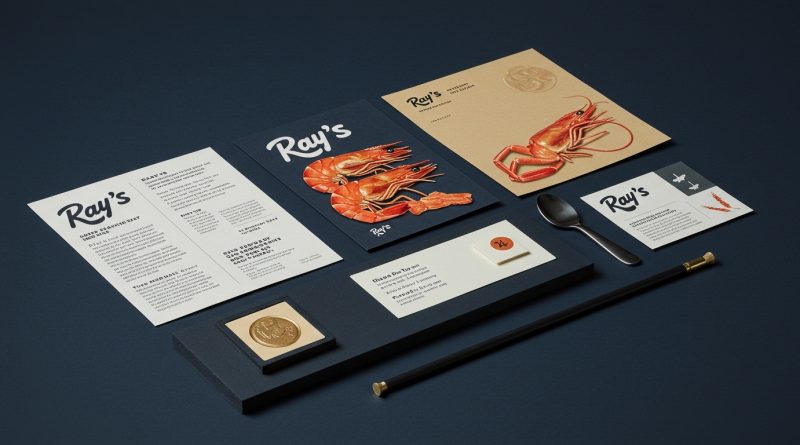
Base Design applied the same meticulous craft to Ray’s, a smalltown ’80s seafood spot, as they would to a global institution, treating a local brand with global agency-level respect.
Recent projects like Base Design’s work for Ray’s and Studio Gruhl’s identity for Rerun illustrate a shared, intensifying pattern: the demand for design intelligence to navigate highly specific cultural nuances or complex technical challenges with equal rigor. This is not about broad appeal but about depth and particularity, whether in expressing the earnest charm of a regional eatery or visualizing data for robotic systems.

Mainstream industry opinion often dictates that brand equity is best built through consistent, scalable visual systems that transcend local specificity to achieve global recognition. However, Base Design’s approach for Ray’s demonstrates that deep dives into hyper-local, specific cultural cues, even retro ones like an ’80s seafood spot, can forge potent, enduring brand equity. The authenticity is not universal; it is intensely particular, creating distinctiveness in a crowded landscape of generic aesthetics. This localized resonance, rather than limiting market positioning, can create a stronger, more defensible niche that holds greater value. This trend towards highly particular, culturally embedded brand identities will intensify. By mid-2027, more agencies will proactively seek out projects demanding such depth, understanding that true differentiation lies in specificity rather than generic aspirational polish.
The Museum of Narratives (MoN Takanawa) also exemplifies this, with Pentagram creating a joyful identity using a spiral that blends traditional Japanese culture with hyper-modern elements for its cross-disciplinary program. This is not about fitting a generic “museum aesthetic,” but about crafting a visual language specific to its unique mission in Takanawa Gateway City. Similarly, Studio Gruhl’s Global Hypercolour-esque identity for Rerun, designed to help teams “see what robots see” through data visualization, pushes this into the technical realm, yet still grounds itself in a specific cultural reference to convey its cutting-edge purpose.
The prevailing corporate pressure for global scalability and immediate, broad market appeal often resists such deeply specific brand building. Many established brands continue to favor streamlined, universally intelligible visual identities, driven by the perceived risk of localizing too intensely or alienating segments of a wider target. This generalist impulse prioritizes efficiency and broad recognition over the potent, but often slower-burning, equity derived from specific cultural immersion.
Branding professionals should conduct detailed cultural signal analysis at the hyper-local or subculture level, even for ostensibly global brands. This means moving beyond demographic segmentation to understand the specific visual cues, historical references, and community-specific aesthetics that hold deep meaning for a given audience, then advocating for their explicit integration into the visual identity brief.
TL;DR
Deeply specific cultural or technical insights now drive the most effective brand equity.
Curated References
About this editorial — This piece was developed using AI-assisted research and curation across multiple industry sources. All analysis, opinions, and predictions represent the editorial perspective of JHDD. Sources are linked in the references section above.