JHDD Interior Report — 2026.06.18
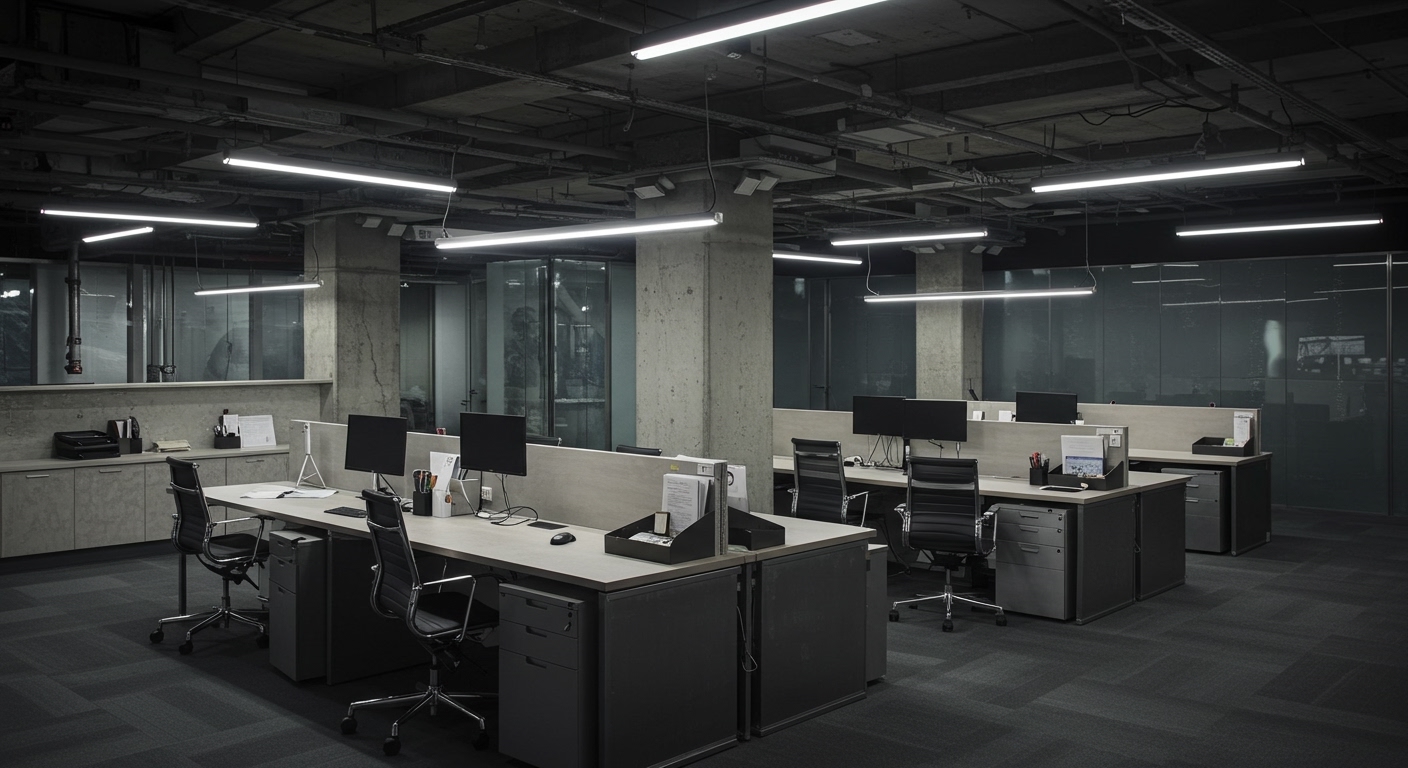
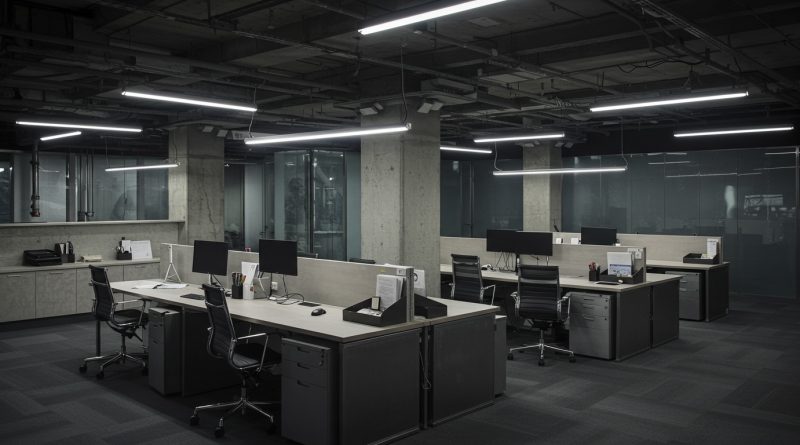
Charlap Hyman & Herrero’s use of metal workstations for an aerospace manufacturer’s office introduces a specific tension in contemporary design.
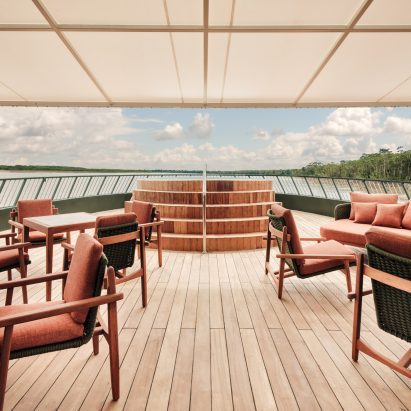
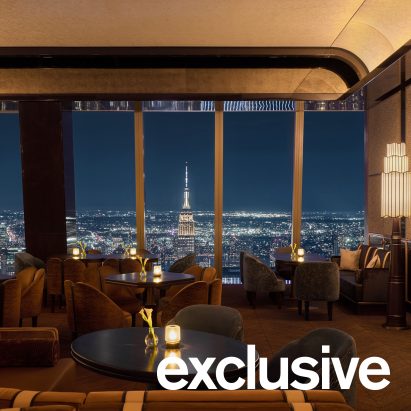
This tension, visible across recent projects, concerns how built environments manage sensory overload and a prevalent feeling of spatial anxiety. Whether navigating a luxury riverboat or a high-rise restaurant, the focus has shifted to material encounters that define boundaries and guide perception, rather than simply facilitating movement. Designers are increasingly using materiality to anchor the human experience within potentially overwhelming scales, from the infinite digital to the monumental urban.
Charlap Hyman & Herrero’s design for the futuristic LA office exemplifies this. Their integration of metal workstations does not aim for an abstract futurism, but rather grounds the work environment with defined, structured elements. Mainstream industry opinion frequently champions the idea of completely flexible, highly transparent workspaces that prioritize visual openness. This overlooks a fundamental human need for spatial definition and a clear sense of one’s place within a larger system. The metal, a material often perceived as cold or industrial, is here employed to provide a structured, almost protective, individual zone, counteracting the potential for disorientation in a ‘futuristic’ context. This is not about creating sterile environments but about offering a tangible, almost ritualized, connection to one’s immediate surroundings.
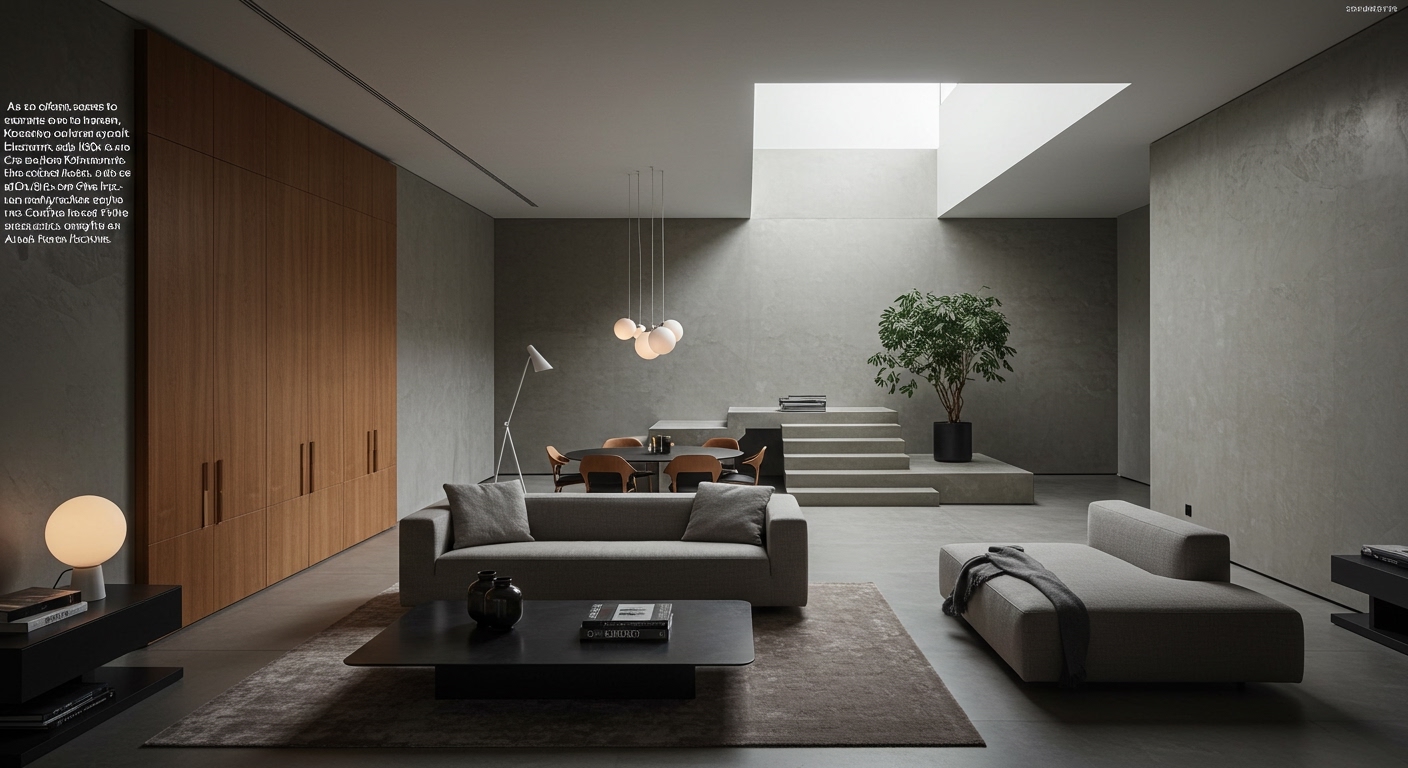
The tactile quality of such materiality becomes paramount. The firm’s choice to add these custom elements suggests a deliberate move away from generic, interchangeable environments. By mid-2027, the industry will see a marked increase in demand for bespoke, spatially discrete furniture systems that function as architectural interventions, rather than mere furnishings, in both commercial and high-end residential projects. This focus will extend to how materials like metal, stone, or deeply textured wood are employed to create distinct micro-environments, offering psychological containment and sensory focus.
This precise, grounding approach meets resistance from those advocating for universal, unsegmented spatial solutions driven by cost-efficiency and perceived adaptability. This counter-movement often prioritizes minimal intervention and relies on undifferentiated surfaces that offer no specific tactile or spatial cues, inadvertently contributing to the ‘anywhere’ quality of spaces like those discussed in the context of architectural horror. The lack of specific material language or defined flow perpetuates a feeling of placelessness, which designers must actively counter.
Interior professionals should actively specify materials that possess inherent weight, specific texture, and visible grain or patina. This week, review current project material boards and identify opportunities to introduce at least one element that strongly defines a boundary through its tactile quality or visual density, not just its color. Consider how a hand running along a surface would feel and what that sensation communicates about the space’s character and human use.
TL;DR
Material specificity and spatial definition are crucial for grounding human experience in complex environments.
Curated References


About this editorial — This piece was developed using AI-assisted research and curation across multiple industry sources. All analysis, opinions, and predictions represent the editorial perspective of JHDD. Sources are linked in the references section above.