JHDD Packaging Report — 2026.06.18
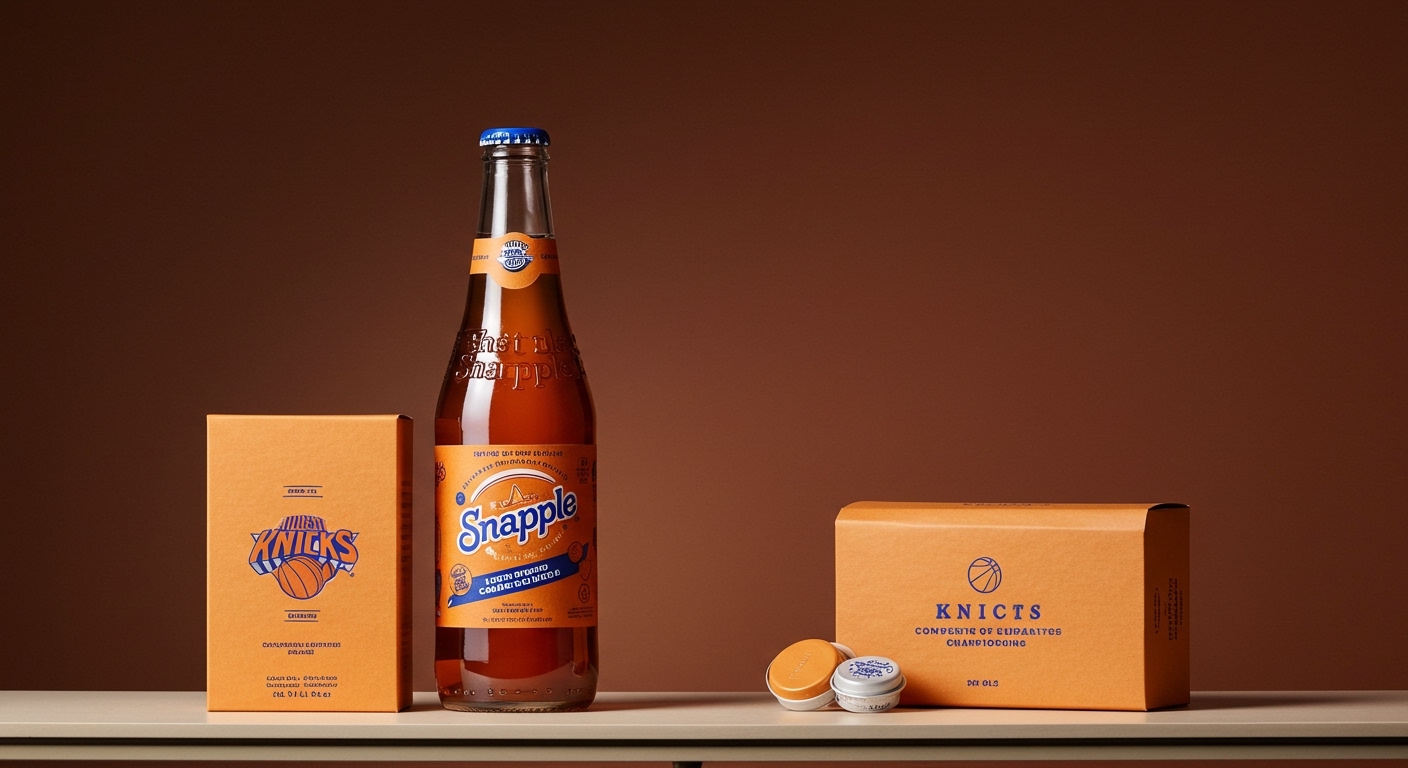
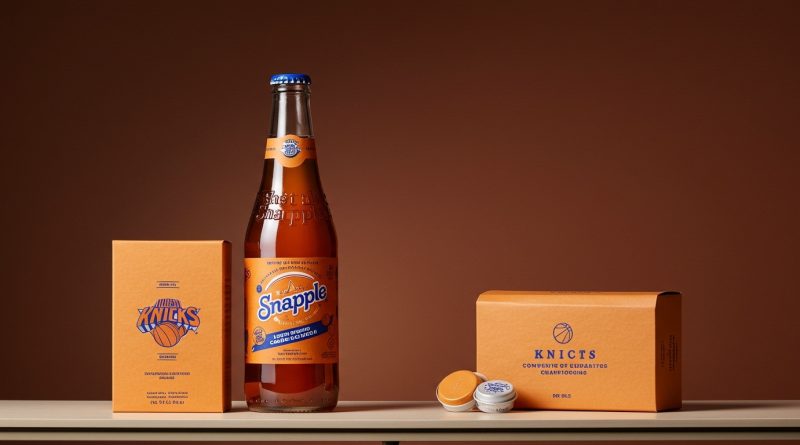
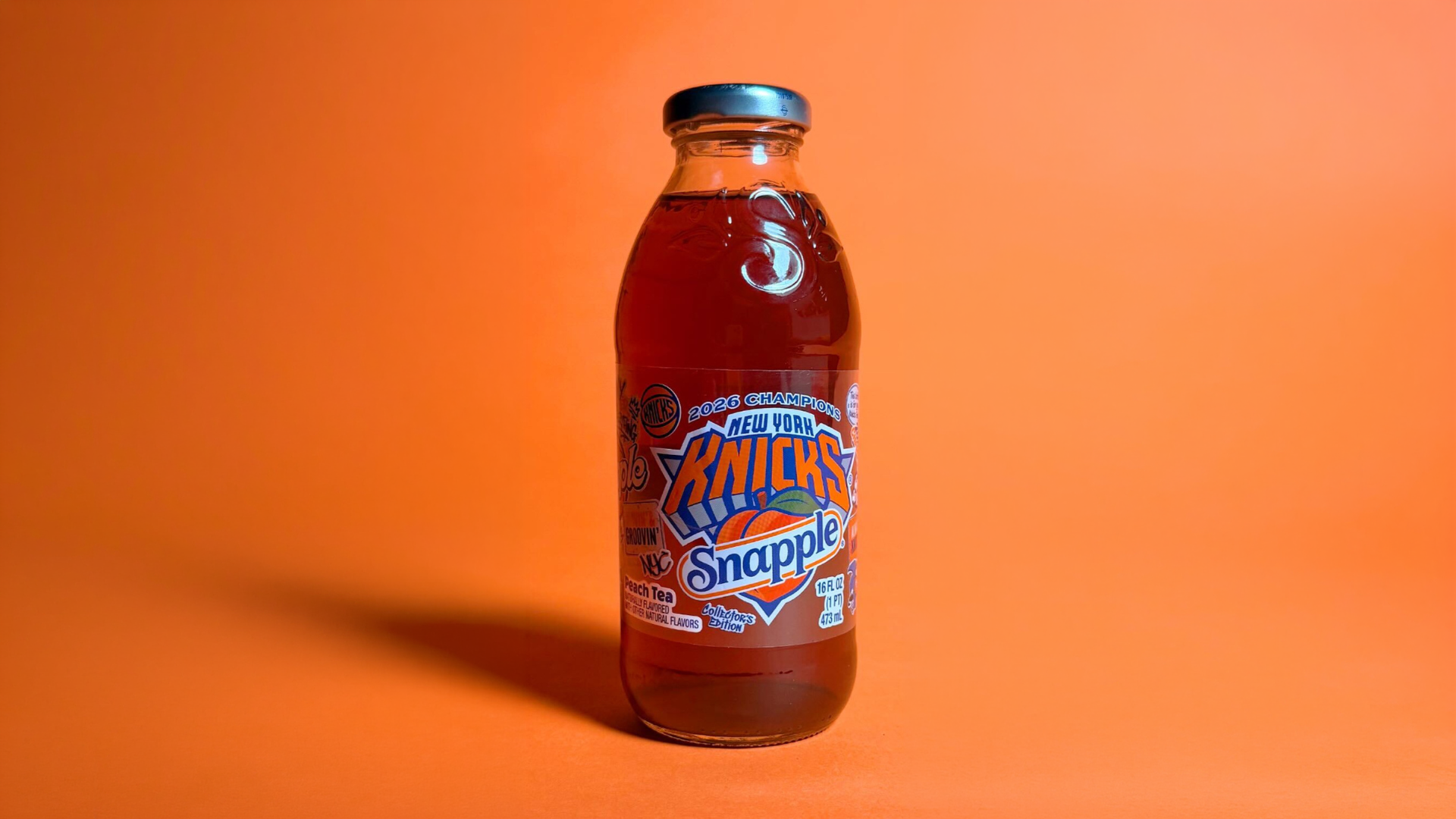
Snapple’s limited-edition glass bottle commemorating the Knicks’ championship demonstrates how scarcity elevates packaging beyond mere containment.
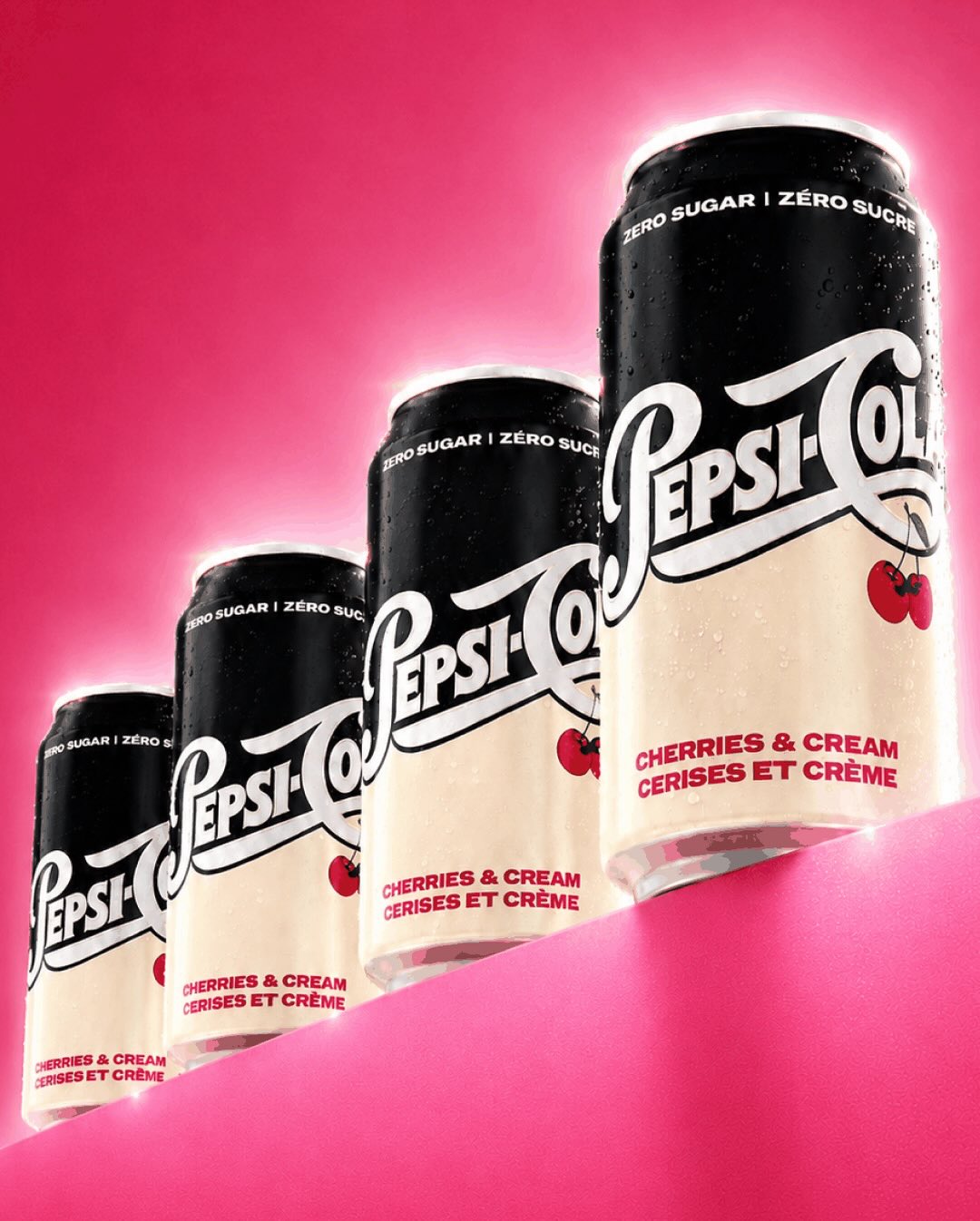
These recent instances reveal a collective shift away from safe, generalized packaging towards expressions that are intensely unique, often visually complex, and designed for a specific, engaged audience. This is not about universal appeal, but about creating curated moments of discovery that deepen brand loyalty through distinctive visual and tactile experiences.
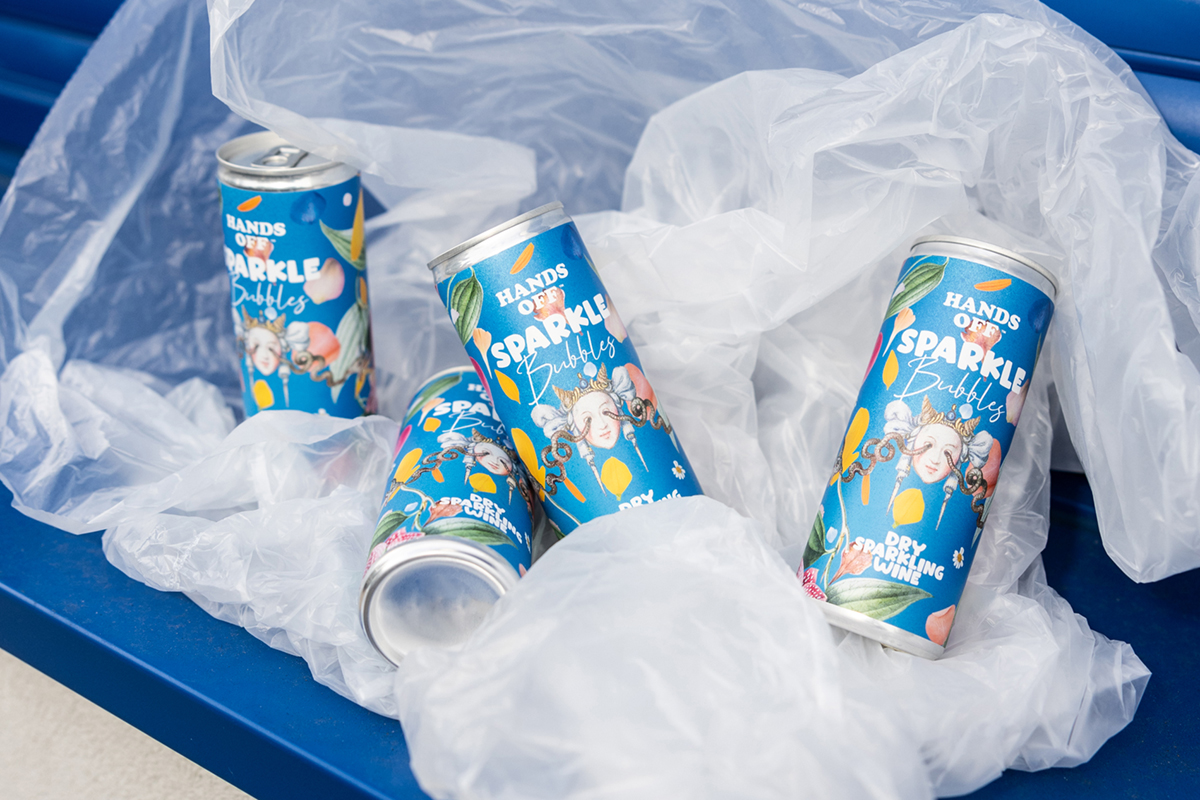
Dinámica Studio’s approach for Sparkle Bubbles, wrapping a dry Moscatel in an electric blue collage of baroque portraits and surreal figures, directly challenges the conventional wisdom that wine packaging must project elegance through restraint and classic cues. Mainstream industry opinion frequently prioritizes visual clarity, understated luxury, and rapid category identification on the shelf. However, Sparkle Bubbles proves that a “graphic artist takes over the wine aisle” can create potent shelf impact through a maximalist aesthetic, disrupting expectations and inviting a longer, more tactile visual engagement. This intentional visual density becomes its own form of tactile branding, rewarding closer inspection rather than a fleeting glance. The perceived “chaos” is precisely the unboxing experience on the shelf itself, making the product stand out as an art object.
This push towards highly individualized, even challenging aesthetics, suggests that brand identity can be strengthened by embracing distinctiveness over broad market conformity. A packaging professional might expect consumers to be overwhelmed by such visual intensity, preferring simpler designs for quick decisions. However, for products targeting consumers seeking novelty and self-expression, this deliberate complexity creates desirability, transforming a purchase into an act of self-curation. By mid-2027, more beverage brands will intentionally commission artists known for bold, non-commercial styles, leveraging their distinctiveness to create limited-run series that command higher perceived value and collector interest, pushing beyond traditional brand guidelines.
The primary resistance to this trend comes from traditional retail merchandising strategies and established brand managers who prioritize rapid consumer recognition and efficient inventory turnover above all else. Their metrics often favor predictable, easily categorized visual language that minimizes cognitive load for the average shopper and streamlines supply chains. The perceived risk of alienating a broader audience with niche, “challenging” designs keeps many from exploring these more expressive avenues.
Packaging professionals should initiate pilot projects that empower external artists or internal design teams with significant creative autonomy to reinterpret existing product lines in limited, highly expressive editions, focusing on texture, material contrast, and maximalist visual storytelling. The goal is to design for discovery and sustained engagement rather than just initial purchase.
TL;DR
Packaging is becoming an expressive canvas for unique identities, rewarding distinctive design over broad, anonymous appeal.
Curated References

About this editorial — This piece was developed using AI-assisted research and curation across multiple industry sources. All analysis, opinions, and predictions represent the editorial perspective of JHDD. Sources are linked in the references section above.