JHDD Packaging Report — 2026.06.17
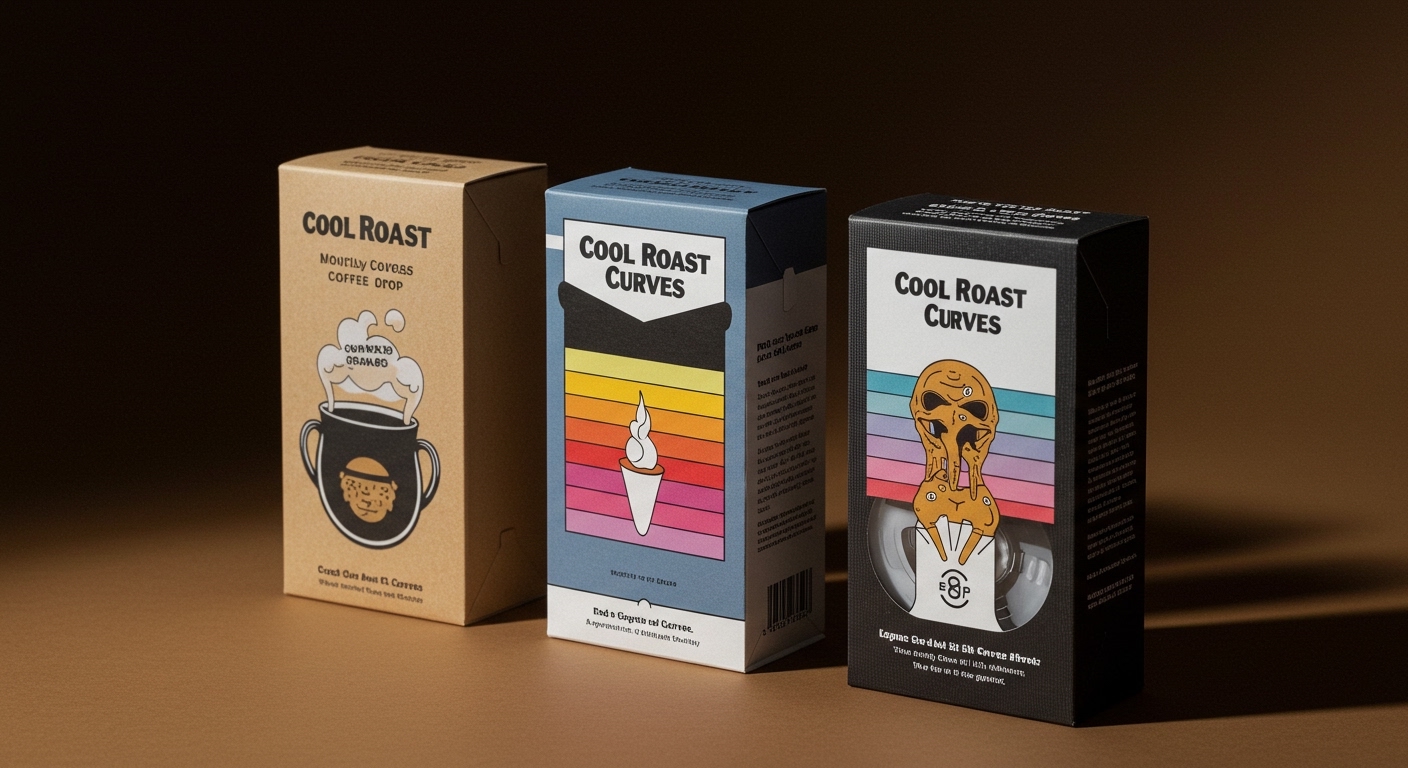
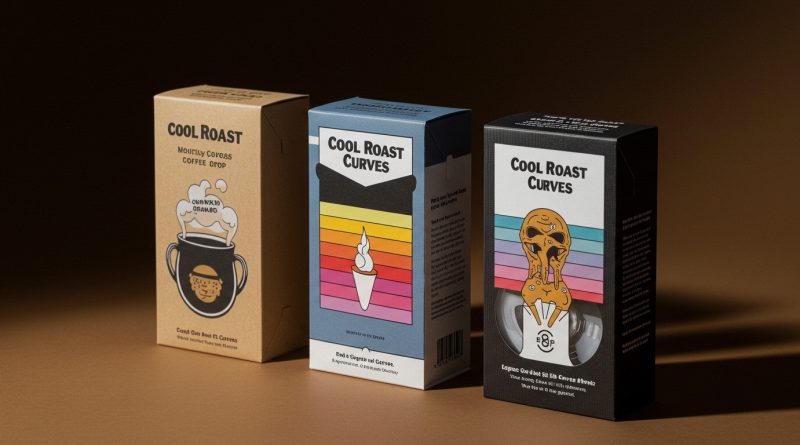
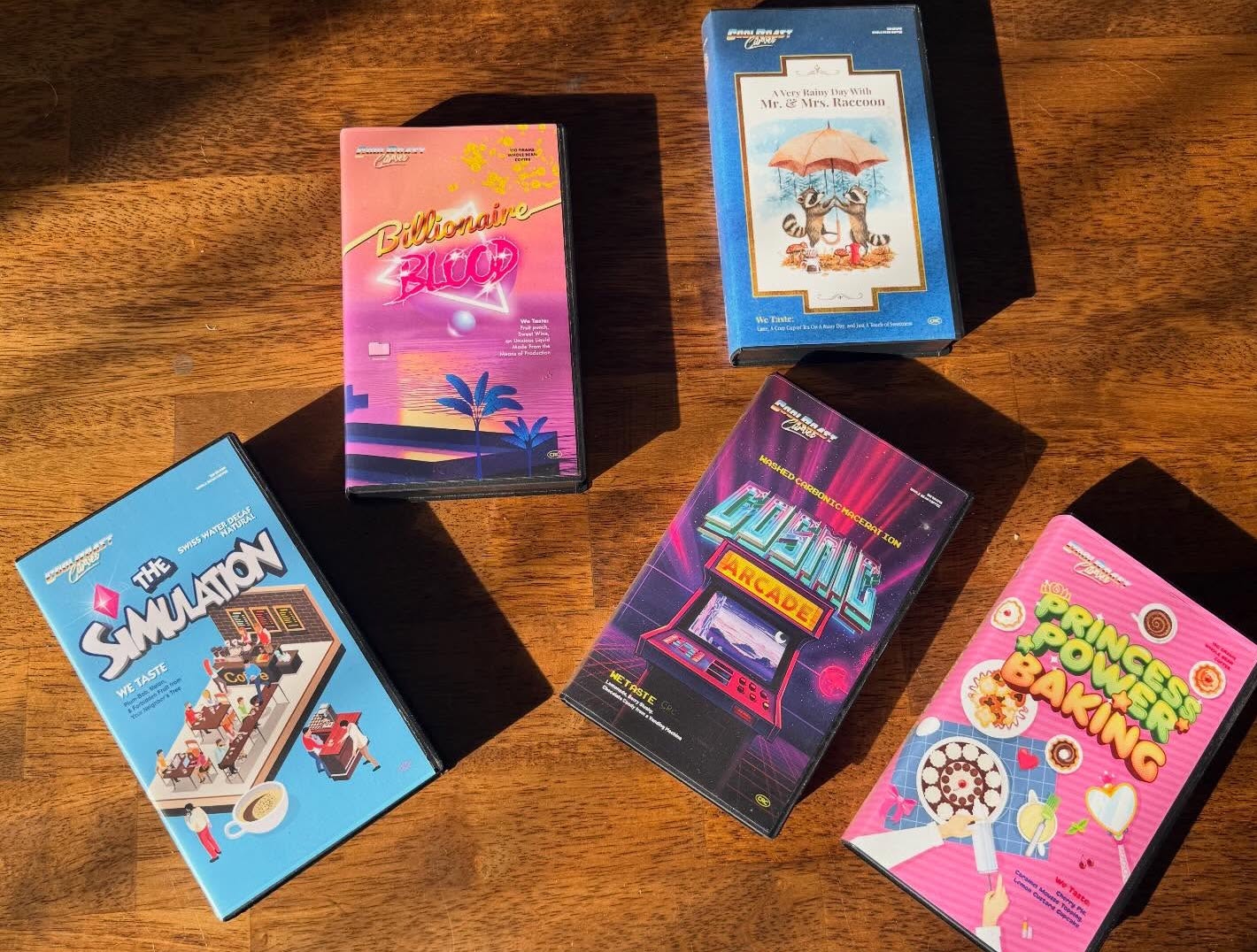
Cool Roast Curves packages its monthly coffee bean drops in custom-designed VHS tape cases, complete with retro artwork.
This approach reveals a specific, understated pattern in recent packaging trends: brands are deliberately designing physical products to offer highly specific, multi-sensory experiences that function as distinct cultural anchors. This goes beyond mere aesthetic appeal; it leverages specific tactile, visual, and even historical cues to forge an immediate, deep connection with consumers, making the physical packaging an integral part of the product’s identity and perceived value. It is a strategic counter-move against increasingly commoditized digital interactions, where physical presence is the ultimate differentiator.
The use of VHS tape cases by Cool Roast Curves exemplifies a sophisticated understanding of tactile branding and unboxing experience. The package is not simply a container; it is an artifact. Its rigid form, the pull of the plastic sleeve, and the specific iconography of a VHS tape activate nostalgia and curiosity, transforming the mundane act of receiving coffee into a moment of discovery and delight. While mainstream industry opinion often champions minimalist, mono-material designs as the pinnacle of sustainable packaging for their ease of recycling, this view overlooks a critical aspect of circularity: longevity through desirability. A package designed for such strong emotional resonance, like the collectible VHS case, encourages reuse or retention rather than immediate disposal, shifting consumer behavior towards appreciation of physical objects. This extended lifecycle, driven by emotional connection and secondary utility, represents a form of sustainability that often goes unmeasured in traditional recycling metrics.
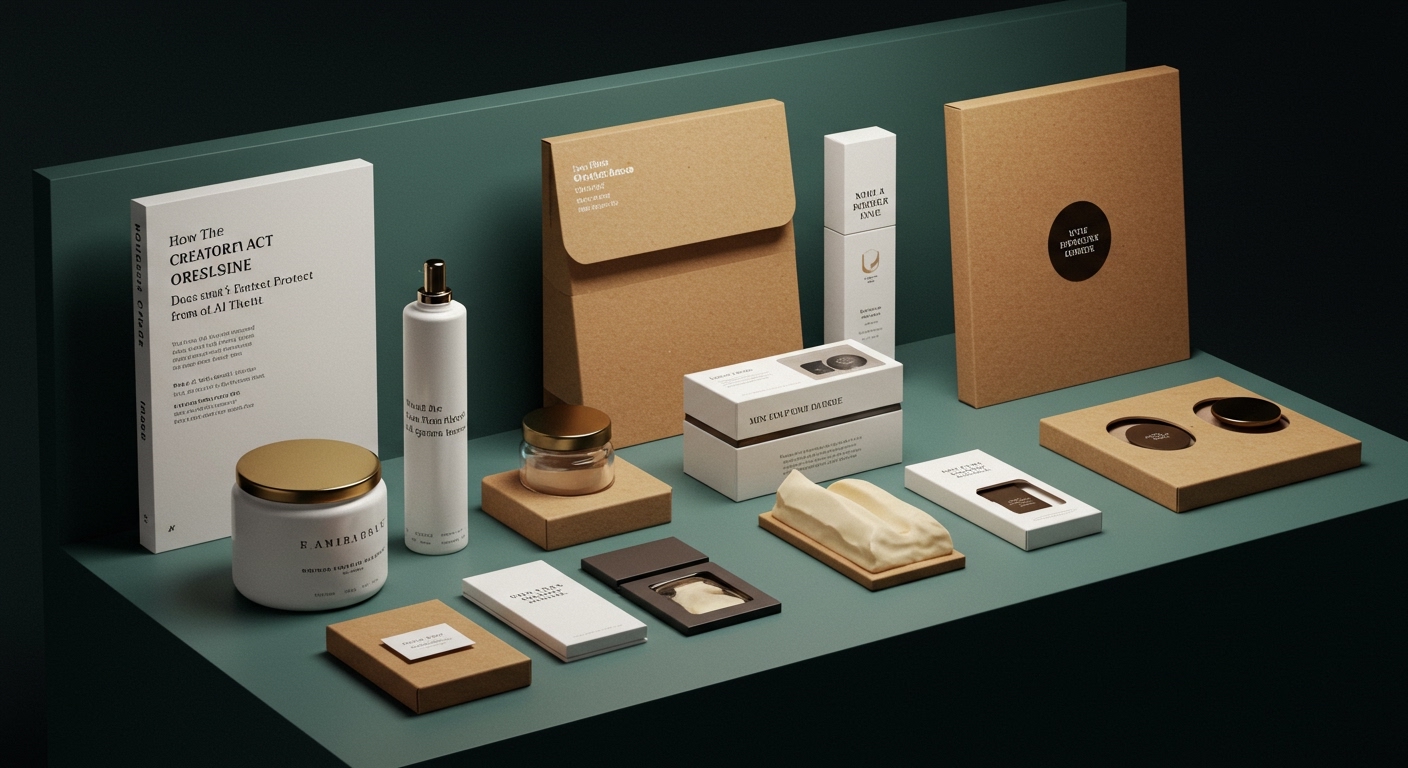
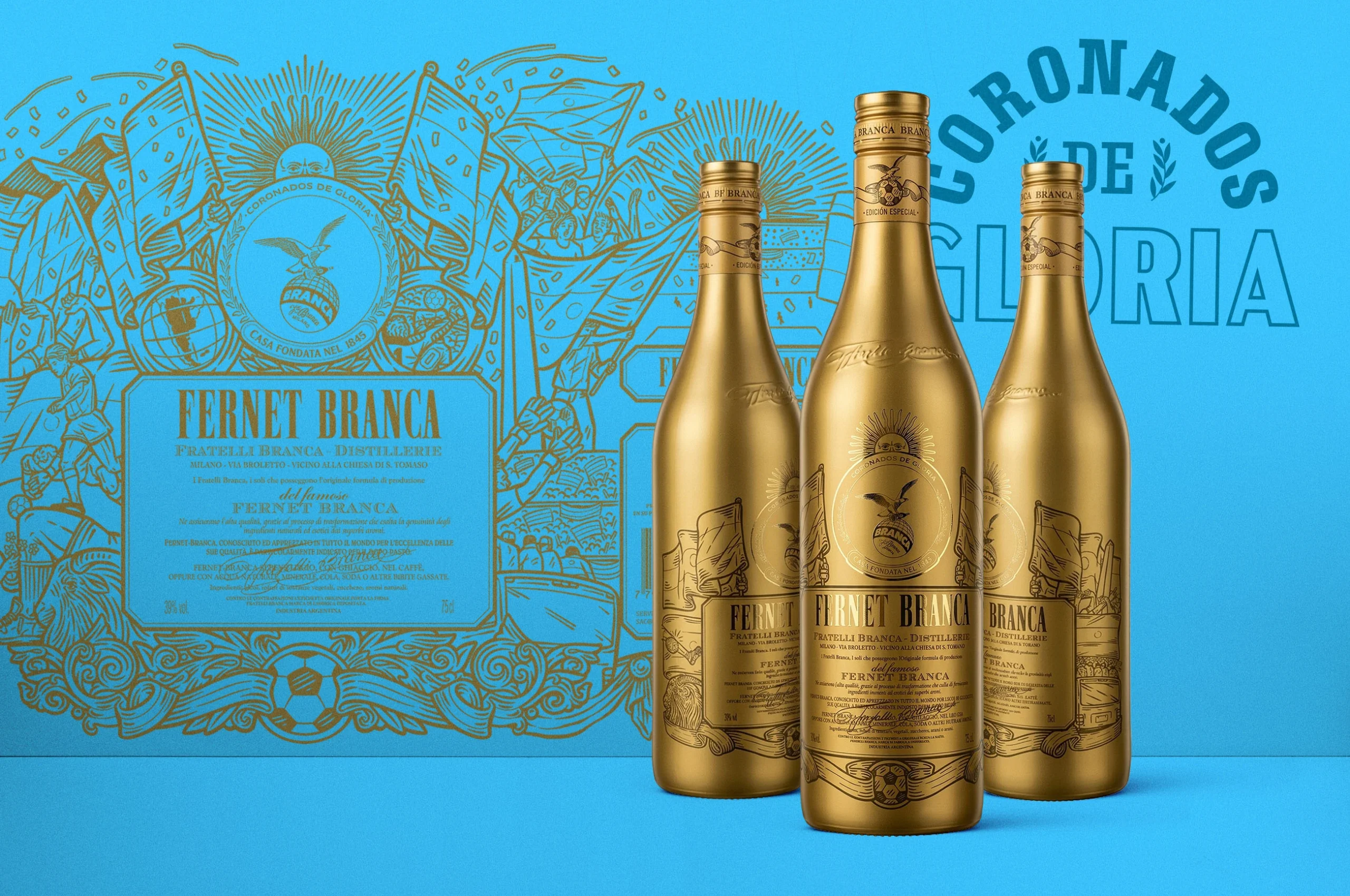
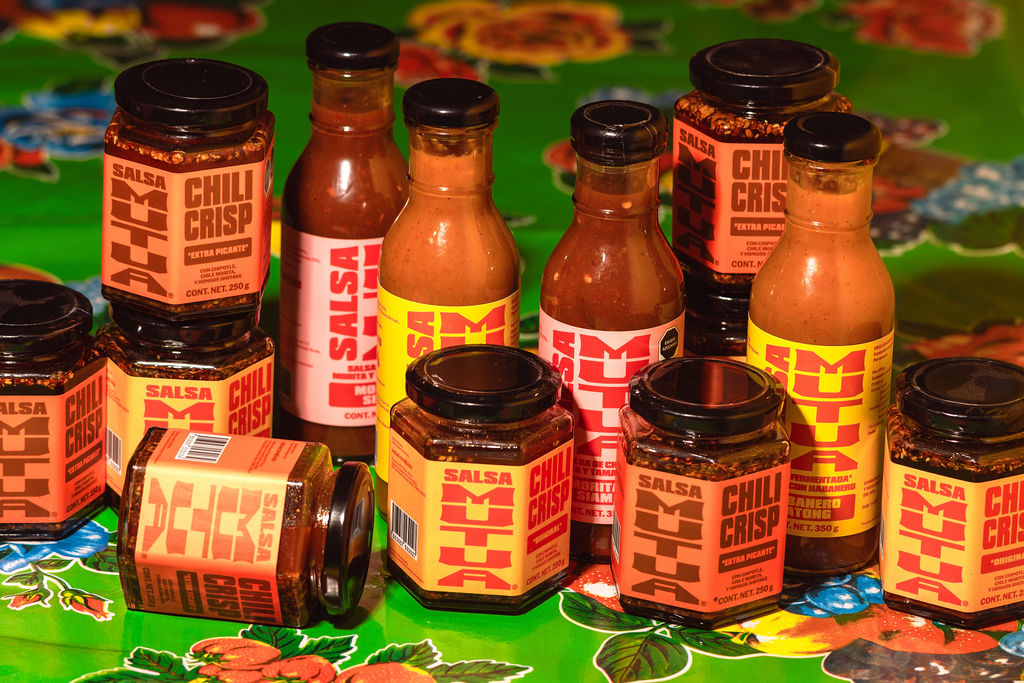
Similarly, Fernet Branca’s World Cup limited edition, designed by Emi Renzi, reimagines its dark glass bottle in metallic gold, elevating a common bar staple to a trophy-like object. This transformation is not just visual; the expectation of a different feel and weight contributes to its perceived value and distinctiveness. In an environment where the CREATOR Act attempts to protect visual artists from AI style theft, such distinct, human-crafted design becomes even more critical. Brands like Salsas Mutua, with Andrés Higueros’s clever cat shaped logo and street signage-inspired typography, demonstrate that unique, authentic tactile and visual identities are powerful assets. These bespoke designs offer a tangible resistance to generic, algorithmically generated aesthetics. The investment in unique tactile qualities and original branding reinforces authenticity, which artificial intelligence struggles to replicate with genuine cultural depth. It is predicted that by mid-2027, brands prioritizing such unique, collectible, or highly tactile packaging experiences will see measurable gains in customer loyalty and brand equity, challenging the dominance of purely functional packaging.
The primary resistance to this shift comes from ingrained supply chain philosophies that prioritize cost efficiency, material standardization, and rapid logistical throughput above all else. Large-scale manufacturers and distributors often resist bespoke material specifications, complex assembly, or non-standard dimensions due to perceived increases in production costs and potential disruptions to established systems. This operational inertia, coupled with consumer segments solely driven by the lowest price point, often discourages innovation in packaging that extends beyond basic protective functions.
A working packaging professional should this week investigate opportunities for integrating “second life” utility into their next packaging design brief. This involves exploring how a package, post-initial use, could serve another function in the consumer’s home, or how a specific tactile element could encourage consumers to retain the packaging as a collectible item, thereby extending its useful life and reinforcing brand connection.
TL;DR
Experiential and collectible packaging drives a unique form of sustainability by encouraging reuse and retention over immediate disposal.
Curated References

About this editorial — This piece was developed using AI-assisted research and curation across multiple industry sources. All analysis, opinions, and predictions represent the editorial perspective of JHDD. Sources are linked in the references section above.