JHDD Architecture Report — 2026.06.17
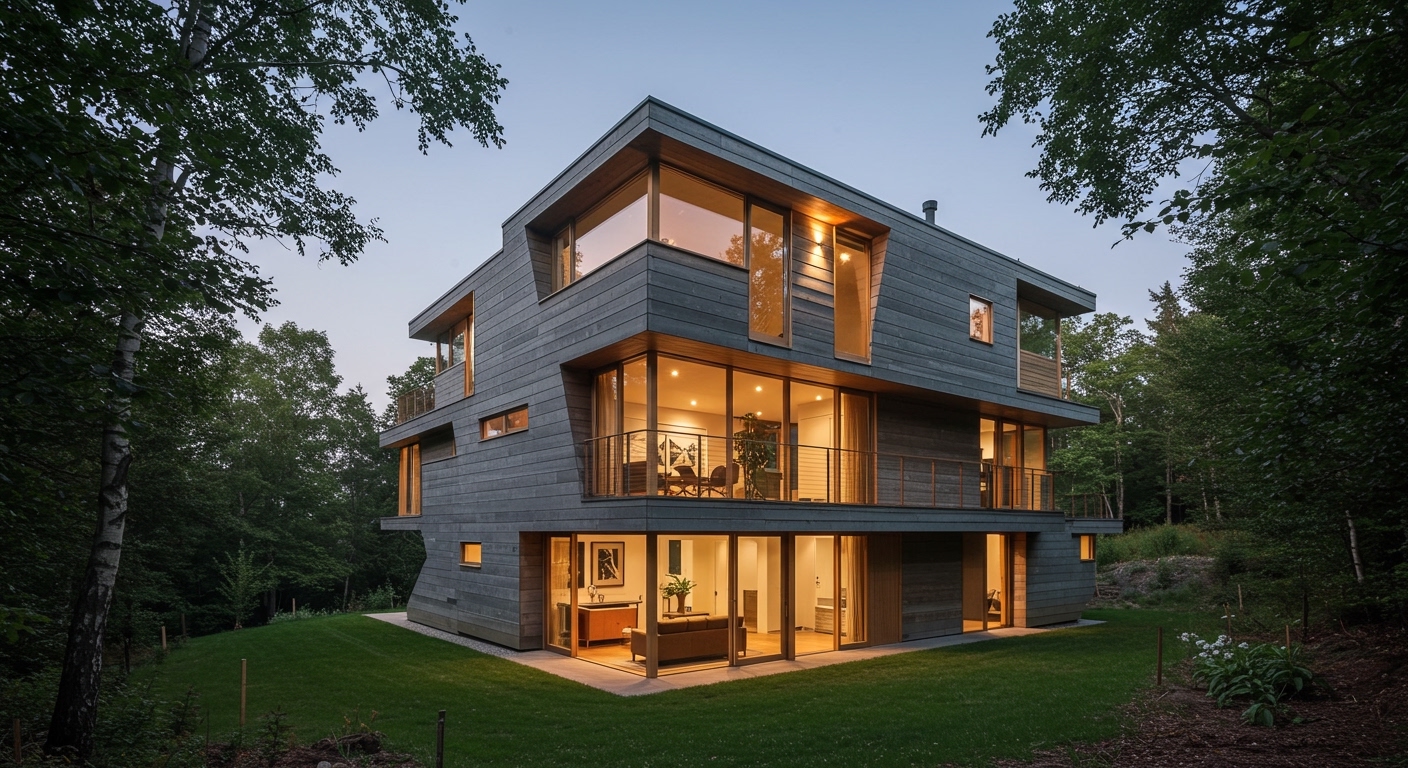
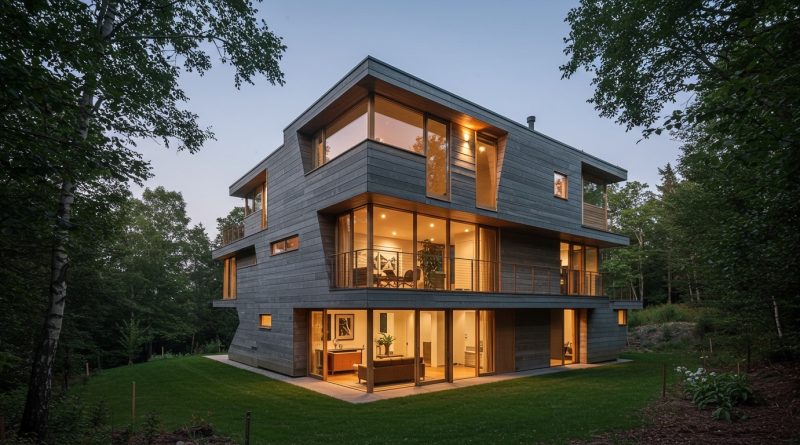
Breathe Lodge Residence by Jérôme Lapierre Architecte features an irregular footprint, creating a deliberate architectural promenade that guides occupants through its forest and lake setting.
This project, alongside the insights into Gaudí’s early parametric hanging models and the unsettling familiarity of Backrooms’ endless corporate spaces, reveals a profound tension in contemporary practice. Design is either striving for deep, contextual embeddedness and material specificity, or it is succumbing to a disembodied abstraction that prioritizes replicability and placelessness. The common thread is the often-unacknowledged shift in how we conceive architectural form generation and its relationship to genuine material understanding and urban responsibility.
While mainstream industry opinion often hails advanced material science and digital fabrication as the primary drivers of sustainable and innovative architecture, true progress lies elsewhere. The approach taken at Breathe Lodge, where volumetric extrusions and offsets create an immersive experience between lake and forest, suggests that design decisions informed by the immediate sensory and ecological context offer a more profound form of sustainability than relying solely on certification metrics. This is not merely about energy efficiency or embodied carbon, but about fostering an enduring, responsible relationship between a building, its materials, and its inhabitants over decades. A building that educates its occupants about their environment through its very form and material expression holds greater long-term value than one optimized solely for performance data. By mid-2028, a significant portion of design discourse will elevate site-specific experiential durability as a core metric for sustainable building, moving beyond purely quantifiable data.
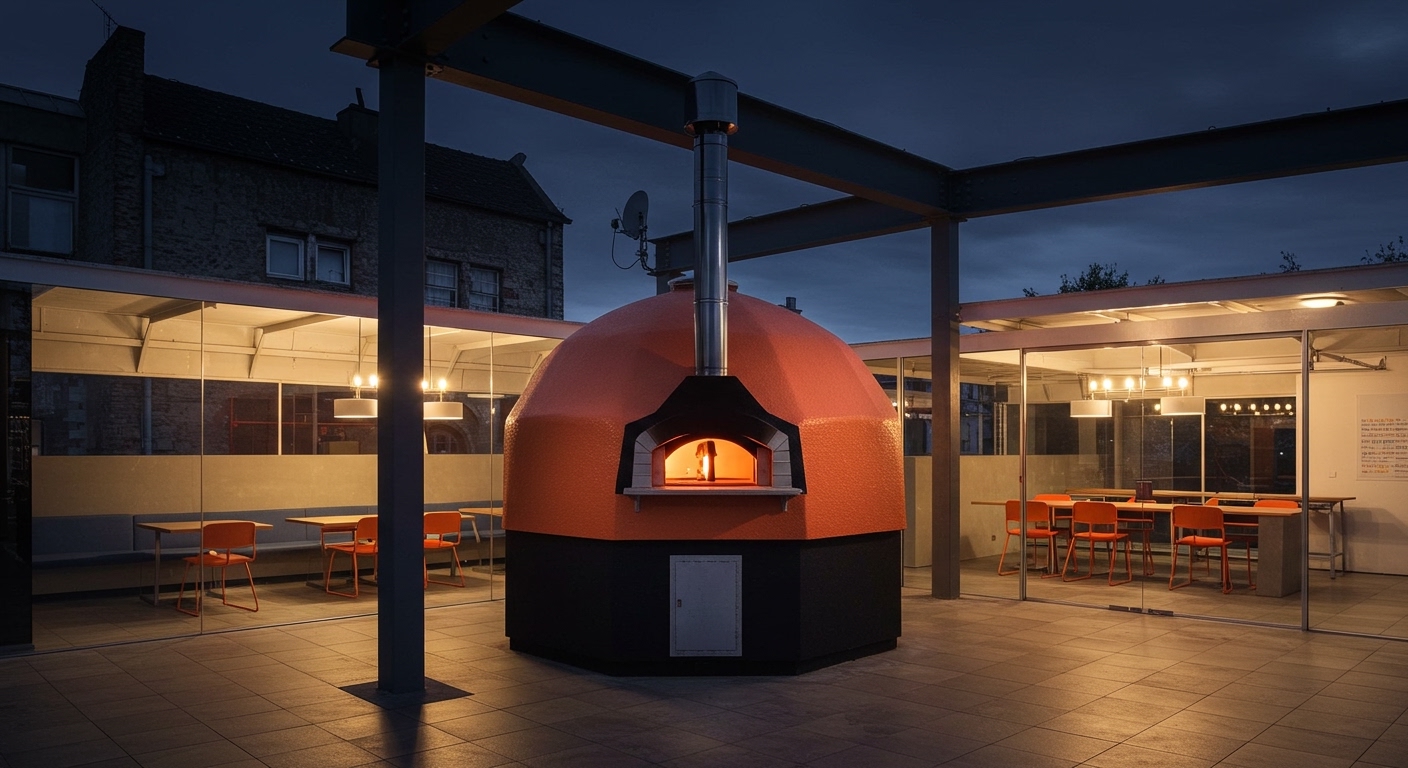
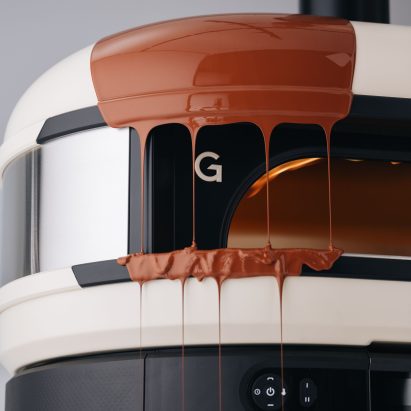
The prevalent enthusiasm for parametric design often misunderstands its material origins, as seen in the retrospective analysis of Gaudí’s Crypt. Gaudí’s hanging models were physical, gravitational experiments, a direct engagement with material properties and forces. Today’s digital parametricism, while powerful, risks becoming a tool for generating complex forms without an equivalent, haptic understanding of their material realization or urban impact. This detachment allows for the proliferation of generic structures, creating the kind of anonymous corporate spaces that inspire architectural horror, where design lacks discernible connection to its physical place or human scale. The Tonester x Gozney collaboration for the Dome XL pizza oven, while aesthetically interesting, exemplifies a market focused on surface-level aesthetic variation rather than deep material or structural innovation that challenges the product’s underlying form or production method.
The opposing force is the pervasive economic pressure for scalable, repeatable solutions that prioritize initial cost savings and brand recognition over bespoke, contextually rooted craftsmanship. This drive incentivizes the reduction of architecture to a predictable, replicable commodity.
An architecture professional should, this week, identify a specific local material supplier – a brickworks, a timber mill, a concrete fabricator – and schedule a site visit to observe their production processes first-hand. This re-establishes a physical understanding of how materials are made, their inherent properties, and their local availability, fostering a deeper, more responsible design intuition.
TL;DR
Architecture must re-engage with the specific, tactile qualities of materials and site to counter the pervasive drive towards generic, abstract design solutions.
Curated References


About this editorial — This piece was developed using AI-assisted research and curation across multiple industry sources. All analysis, opinions, and predictions represent the editorial perspective of JHDD. Sources are linked in the references section above.