JHDD Interior Report — 2026.06.15
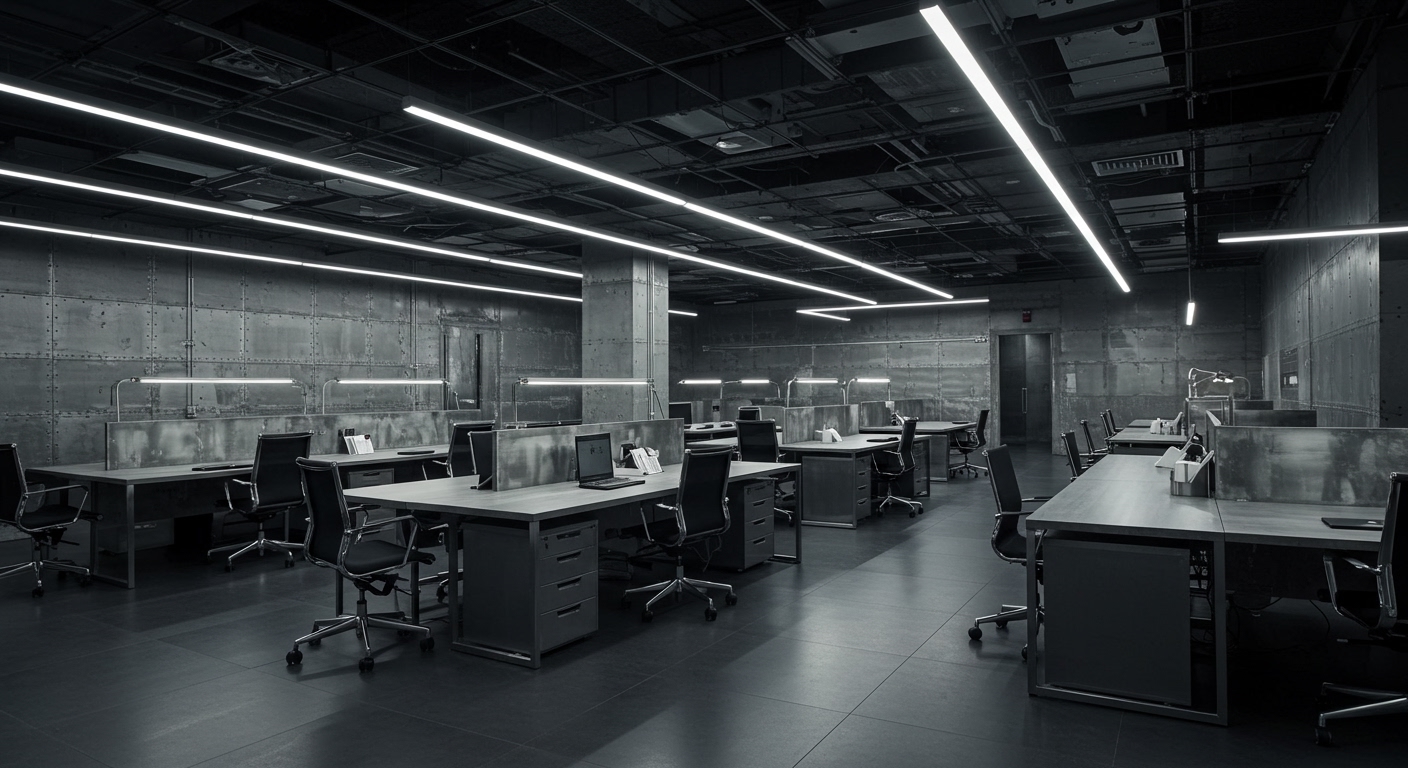
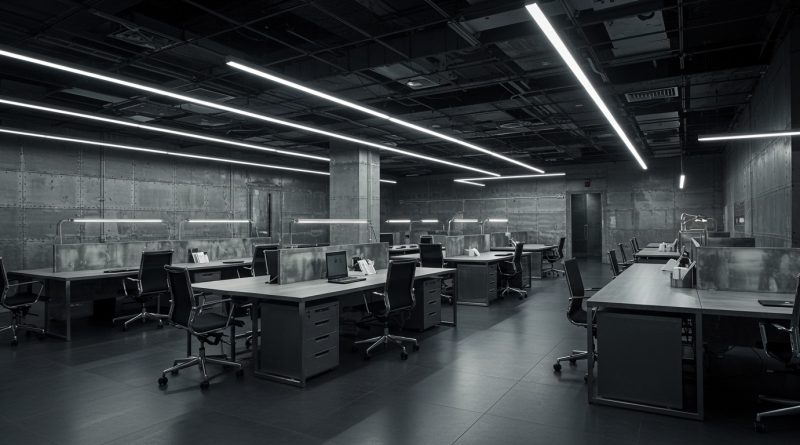
The rows of metal workstations by Charlap Hyman & Herrero in an LA aerospace office represent a deliberate, almost tectonic approach to defining individual spatial experience.
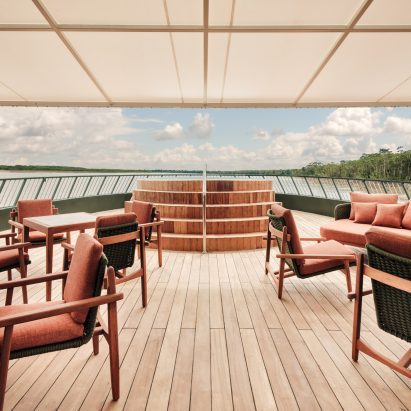
Across recent projects, from the luxurious Pure Amazon riverboat interiors by Studio Ibsen to the historic Amsterdam apartment renovation by Studio Elèn Letort, a specific pattern emerges beyond mere aesthetics. Designers are employing highly particular material textures, finishes, and localized historical references as precise tools to choreograph human movement, modulate sensory input, and subtly direct focus within an environment. This is not simply about creating a mood; it is about constructing a haptic and visual language that guides inhabitants’ engagement with the space itself.
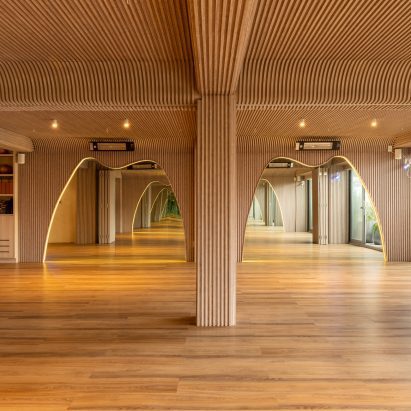
Consider Talo Atelier’s Align Studio in Mexico City, where light-oak tambour panelling covers walls and curves onto the ceiling. Mainstream analysis often praises such material choices for their warmth or natural appeal, contributing to a “centring” atmosphere. However, this interpretation misses the deeper function. The continuous, ribbed texture of the tambour creates a tactile and visual boundary that absorbs sound and limits extraneous visual information, effectively narrowing the perceptual field. This isn’t passive comfort; it is an active spatial tension designed to focus the body inward, encouraging stillness and a specific kind of proprioceptive awareness necessary for yoga and pilates. It directly challenges the common understanding of “flexible studio space” as an open, undifferentiated volume, instead demonstrating how specific materiality can impose a nuanced, yet firm, directional logic.
This haptic-directional strategy offers a more profound way to manage human flow and engagement than overt signage or furniture placement. The consistent curve and texture guide the eye and body along a predetermined path, fostering an uninterrupted experience that reduces mental friction. This goes beyond biophilia; it is a focused application of material properties to sculpt human behavior. By early 2028, this precise method of using material texture and form as a direct spatial operator will be a differentiating factor in luxury retail and high-end residential projects, dictating user interaction and perceived value.
The primary resistance to this granular approach comes from the entrenched industry preference for scalable, low-cost, and universally applicable surfaces. Standardized, synthetic laminates, and polished, non-porous composites dominate large-scale commercial fit-outs and multi-unit residential developments. These materials prioritize durability, ease of maintenance, and speed of installation over any specific haptic signature or deep spatial tension, often resulting in bland, undifferentiated environments that fail to guide or engage their inhabitants beyond basic utility.
Interior professionals should, this week, analyze their current material palettes not just for visual appeal or durability, but for the specific haptic and visual cues they communicate to a user. Begin creating “sensory experience maps” for key circulation paths and focal points in upcoming projects, detailing how the interaction of texture, light, and material weight influences pace, gaze, and embodied sensation, rather than relying solely on visual renders.
TL;DR
Deliberate material choices and local context are becoming precise instruments for guiding human experience and movement in designed spaces.
Curated References


About this editorial — This piece was developed using AI-assisted research and curation across multiple industry sources. All analysis, opinions, and predictions represent the editorial perspective of JHDD. Sources are linked in the references section above.