JHDD Architecture Report — 2026.06.15
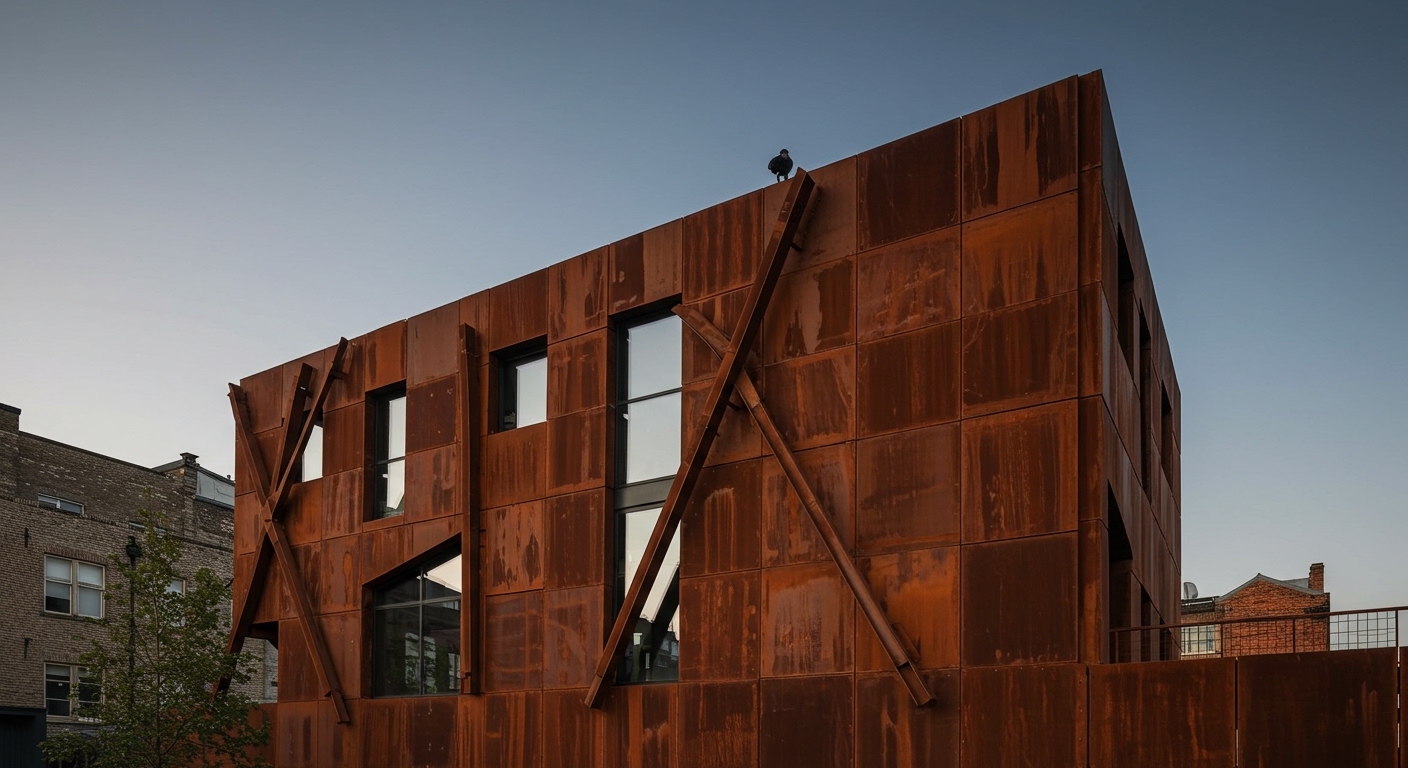
The inherent tectonic logic of weathered steel is becoming a covert driver of vernacular resurgence.
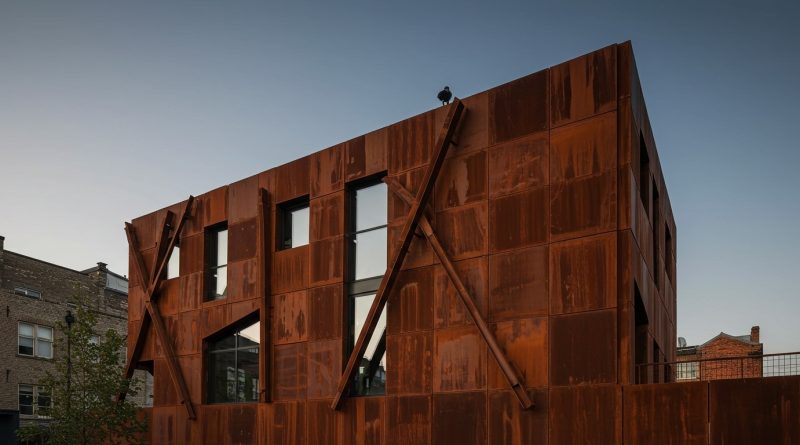
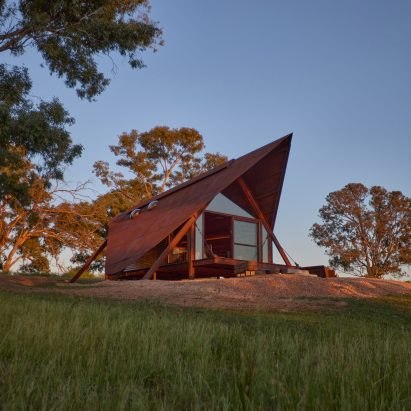
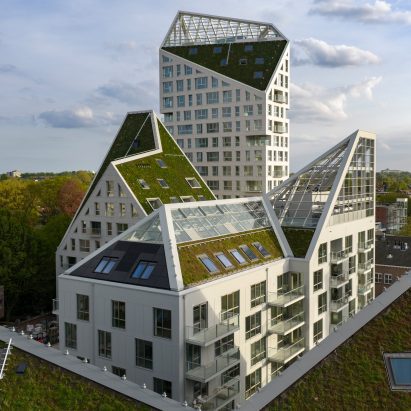
A subterranean current is reshaping how architects engage with context, moving beyond superficial stylistic mimicry towards a deeper, material-driven resonance with place. This trend, subtly indicated by projects like Casey Brown Architecture’s Corten “tents” and MVRDV’s angular, landscape-integrated housing, points to a growing reliance on materials that actively express their environmental interaction. It’s not about mere aesthetics; it’s about a material philosophy that understands permanence through patina and adaptation through inherent durability. The Telekom Tower conversion and the G-Beach Residence, while varying in approach, both grapple with the legacy of existing structures and their environmental context, suggesting a broader reconciliation of new interventions with inherited conditions, an approach that acknowledges the significant embodied energy within existing structures and landscapes. This is less about a conscious stylistic choice for historical pastiche and more about a pragmatic, almost instinctual, return to materials whose lifecycle tells a story of place and time, mirroring the natural processes of weathering and erosion that have shaped the earth.
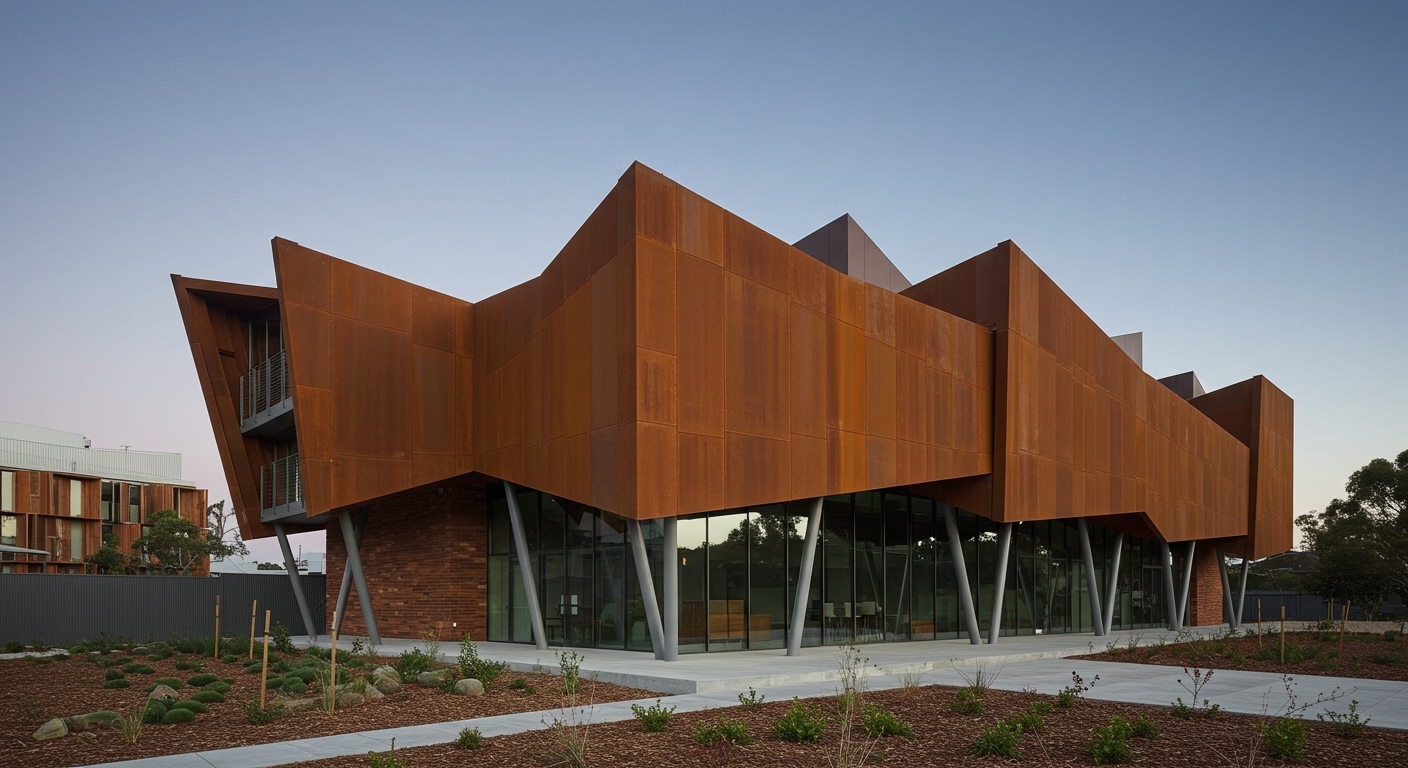
The contemporary interpretation of materiality, particularly the embrace of Corten steel and the nuanced integration of green roofs, signifies a departure from the chromatically neutral, hermetically sealed modernist box. Sauerbruch Hutton’s adaptive reuse of the Telekom Tower, for instance, highlights the inherent value and carbon sequestration potential of existing concrete and steel structures, reframing demolition as an unsustainable act of ignorance. Conversely, the organic diffusion of light and color within Gaudí’s Sagrada Família, while historically distinct, offers a parallel to how contemporary architects are seeking to imbue spaces with a dynamic, responsive quality, not through artificial illumination alone, but through the very character of the enclosure. The industry’s lingering fixation on pristine, unblemished finishes risks overlooking the rich narrative and reduced lifecycle impact offered by materials like Corten. The notion that patina equates to neglect is a dated perception, failing to recognize the material’s capacity to adapt and evolve aesthetically, becoming more integrated with its surroundings over time. This shift heralds a more honest and responsible form of architectural expression, one that acknowledges and celebrates the passage of time rather than striving to negate it. The material itself becomes a collaborator in the creation of a building’s identity and its dialogue with its environment.
The prevailing industry sentiment, often prioritizing speed, cost-efficiency, and a manufactured sense of novelty, actively resists this material recalibration. The upfront cost and perceived unpredictability of materials like Corten, which require a period of weathering to achieve their intended aesthetic, can be a barrier for developers and clients accustomed to predictable, instantaneous results. This friction reveals a deep-seated tension between the commodification of architecture, driven by short-term market demands, and the more protracted, nuanced development of buildings that are designed to age gracefully and harmonize with their ecological and cultural settings. The desire for perpetual newness often overshadows the profound satisfaction and environmental imperative of creating structures that mature with their context. This resistance will likely see a bifurcated market, with boutique and socially conscious developers embracing these durational materials, while mainstream projects continue to rely on less expressive, though often less sustainable, alternatives. By late 2026, the demand for buildings that visibly demonstrate their connection to place through material aging will outstrip the current supply of expertise in specifying and detailing these weathered finishes.
The prevailing push for speculative, rapidly deployable housing typologies, often driven by a perceived need for volume and affordability, acts as a significant counter-force. This model prioritizes speed and standardized components, often overlooking the potential for material diversity and contextual integration. The resistance to materials that develop character over time, such as Corten, stems from a perception of these materials as requiring more specialized knowledge and a longer vision, qualities often at odds with the rapid turnover demanded by many development cycles. This tension highlights a fundamental divergence between architecture as a speculative asset and architecture as a considered, enduring contribution to the urban fabric. The industry’s reliance on a finite palette of predictable, easily sourced materials, while efficient in the short term, ultimately impoverishes the architectural landscape and neglects the ecological responsibilities inherent in material selection.
A working architecture professional should begin to prototype detailing for weathered steel finishes on at least one upcoming project. This involves understanding the specific alloys, necessary support structures to manage run-off and prevent staining of adjacent materials, and the anticipated evolution of the surface over five to ten years. This proactive exploration of material behavior, rather than relying on manufacturer-provided generic specifications, will equip practitioners to confidently advocate for and successfully implement these durational materials, transforming them from niche curiosities into standard, responsible design tools.
TL;DR
The embrace of weathered steel signifies a tectonic shift towards material narratives that foster vernacular resurgence and urban responsibility, a trend poised to challenge mainstream architectural production within two years.
Curated References
About this editorial — This piece was developed using AI-assisted research and curation across multiple industry sources. All analysis, opinions, and predictions represent the editorial perspective of JHDD. Sources are linked in the references section above.